

White Bean Dip: The 5-Minute High-Fiber Snack
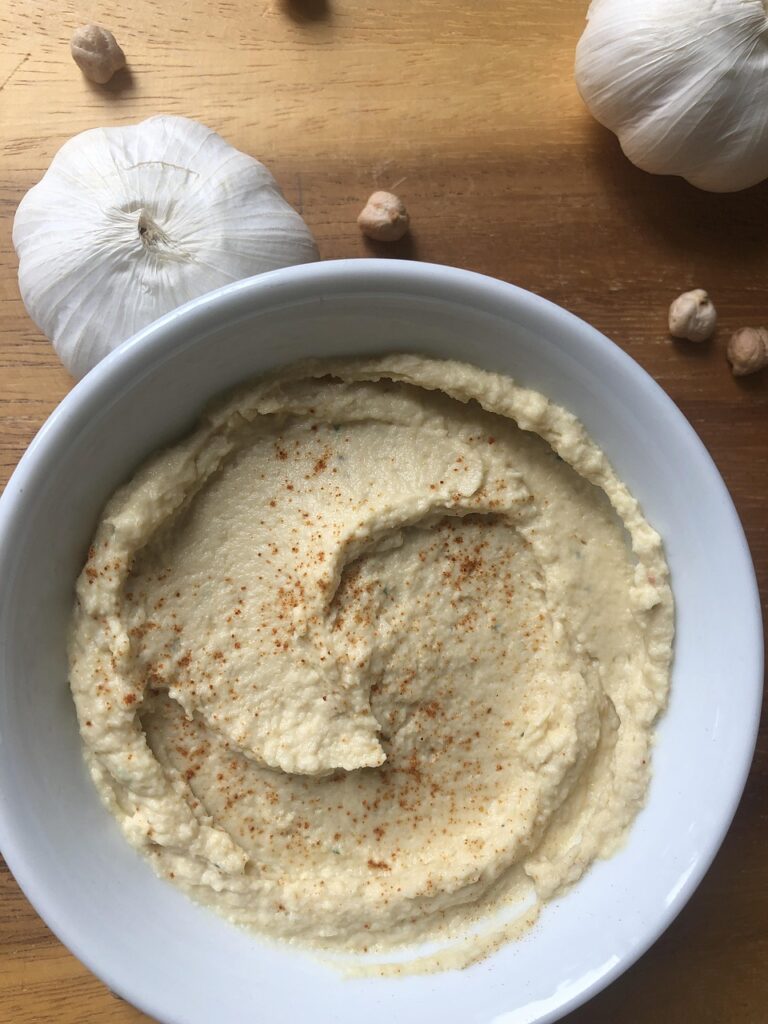
Key Takeaways
- A white bean dip takes about five minutes and needs no cooking.
- Cannellini beans blend into a smoother puree than chickpeas, so a white bean dip can stay creamy with less added oil.
- A half-cup serving lands near 6 to 8 grams of protein and 4 to 6 grams of fiber.
- Pureeing beans helps reduce the gas they can cause.
- For sodium, draining the can liquid does more than a quick rinse — but no-salt-added beans do the most.
Ever opened a tub of hummus, eaten a few spoonfuls, and still wanted something else? A white bean dip fixes that in about five minutes. Cannellini beans blend creamier than chickpeas, and they need much less oil to turn silky.
Here’s the thing: beans are mild on their own. That means they take on whatever you add — lemon, garlic, herbs, or a little heat. You’re not fighting a strong flavor.
However, most recipes skip the parts that actually matter. How much is one serving? Will beans make you gassy? Does rinsing the can really cut the sodium? Let’s walk through all of it.
Quick Answer: Is White Bean Dip Actually Healthy?
Yes, with realistic expectations. Think of it as a very good fiber snack rather than a protein powerhouse. A half-cup serving gives you roughly 6 to 8 grams of protein and 4 to 6 grams of fiber. That is more fiber than a typical cream- or sour-cream-based dip delivers, with a smaller calorie load. Keep the oil moderate and the sodium low, and it earns a regular spot in your rotation.
Why White Bean Dip Makes a Creamier Snack Base
Chickpeas are firm little beans, and traditional hummus leans on tahini and oil for its richness. Cannellini beans are softer and starchier, so they smooth out with less help.
That difference matters more than it sounds. According to a review in Clinical Diabetes, a half-cup serving of cooked legumes delivers about 115 calories, 7 to 9 grams of fiber, and 8 grams of protein. Legumes also sit low on the glycemic index, generally between 10 and 40. As a result, they release energy slowly instead of spiking it.
White beans are also an easy win for a nutrient most of us skip. Mayo Clinic lists canned cannellini, navy, and Great Northern beans at about 13 grams of fiber per cup. For context, dietary guidelines suggest 14 grams of fiber for every 1,000 calories you eat.
And here’s the surprising part. Only about 8 percent of U.S. adults eat legumes on any given day. A five-minute spread is one of the simplest ways to shift that number for yourself.
If you would rather put that fiber to work at lunch, our cabbage black bean salad comes together in about 20 minutes.
The 5-Minute Method, Tested
This white bean dip needs one appliance and zero cooking. A food processor gives you the best control. A high-speed blender works too, though you may need a splash more liquid to keep it moving.
What You’ll Need
- 1 (15-ounce) can no-salt-added cannellini beans, drained and rinsed
- 2 tablespoons extra-virgin olive oil — or 1 tablespoon oil plus 2 tablespoons of the bean liquid
- 2 tablespoons fresh lemon juice, plus zest from half a lemon
- 1 small garlic clove
- 1 tablespoon nutritional yeast
- 1/2 teaspoon fine salt, plus more to taste
- 1 to 3 tablespoons bean liquid or water, as needed
Then follow five steps. First, add the beans, oil, lemon juice and zest, garlic, nutritional yeast, and salt to the processor. Second, pulse a few times, then run it for 45 to 60 seconds. Third, scrape down the sides and add liquid one tablespoon at a time. Fourth, taste and adjust the salt and lemon. Finally, let it rest 15 to 30 minutes so the raw garlic mellows.
One ingredient deserves a note. Nutritional yeast is what gives this spread its savory, almost cheesy depth. That flavor comes from naturally occurring glutamates, not from dairy. However, the B12 in nutritional yeast is added during fortification. Plain, unfortified yeast contains none, so check the label if B12 matters to you.
Troubleshooting Box: Fix It Fast
Too thick? Add bean liquid or water, one tablespoon at a time. Too thin? Blend in two more tablespoons of drained beans. Grainy? Process it a full 30 seconds longer. Flat? Add a pinch more salt, then a squeeze of lemon. Salt and acid do most of the work in a simple dip.
Beans, Bloating, and the Fix Nobody Mentions
Let’s be honest about the elephant in the room. Beans have a reputation, and it isn’t a flattering one. If that’s the reason you’ve avoided them, you’re not alone.
Here’s what’s actually happening. Bean fiber and natural sugars called oligosaccharides ferment in your colon, which can produce gas. It’s normal, and it isn’t a sign that beans are bad for you.
Now for the good news, and it’s especially relevant here. Cleveland Clinic notes that pureeing beans can help reduce the gassiness they cause. Blending breaks down cell walls before the beans ever reach your gut. Because of that, a white bean dip may be one of the gentlest ways to eat beans.
Two habits help as well. Start with a small portion and build up over a few weeks. Also, drink enough water, since fiber works best when it absorbs fluid. Mayo Clinic advises increasing fiber gradually rather than all at once.
Canned Beans and Sodium: What Actually Works
Canned beans are convenient, and they’re the biggest sodium source in this recipe. Most advice says to rinse them well. That isn’t wrong, but it’s incomplete.
One small, older study tested the claim directly. Researchers found that a water rinse had minimal effect on the sodium in canned beans. What actually helped was replacing the canning liquid with fresh water before heating, which cut salt by about 33 percent.
So here’s your order of operations. Buy no-salt-added beans when you can. Drain the can and discard that liquid, because most of the sodium sits there. Rinse the beans anyway, then blend with fresh water or fresh bean liquid.
Keep the study’s limits in mind, though. It’s from 1983, it was small, and it tested green beans rather than white beans. Treat it as a strong hint, not a guarantee. Your best move is still the no-salt-added can.
White Bean Dip vs Hummus at Matched Servings
Both are blended legumes. The difference comes down to what goes in alongside them, and how much of it.
Traditional hummus includes tahini, a sesame paste that adds richness and fat. A white bean version can skip tahini entirely and still taste creamy, because the beans themselves carry more body.
Dips collect health halos easily, so we check the numbers instead of the vibe — the same exercise we ran when we asked whether guacamole is healthy.
Serving size is where most recipes go quiet. You’ll see everything from 2 tablespoons to a half cup called one serving, which makes nutrition claims impossible to compare.
What One Real Serving Gives You
At a half-cup serving, about 120 grams, a bean-forward white bean dip lands near 6 to 8 grams of protein and 4 to 6 grams of fiber. That’s a solid fiber snack and a decent protein snack. It isn’t a protein powerhouse the way Greek yogurt or a boiled egg is. Meanwhile, 2 tablespoons is closer to a condiment than a snack, so portion size is worth watching.
Want beans to do the protein heavy lifting instead? These high protein bean dinners ready in 30 minutes are a better starting point than a dip.
Three Riffs From One Base
Once the base white bean dip is smooth, you can take it in three directions. Each one starts from the same five-minute method, so no extra shopping is needed.
Roasted garlic. Roast a whole head of garlic at 400°F until the cloves are soft and deeply golden, about 35 minutes. Squeeze out three or four cloves and blend them in with a handful of fresh parsley. The flavor turns sweeter and far less sharp.
Lemon and dill. Add the zest of a whole lemon plus two tablespoons of chopped dill. A crack of black pepper rounds it out. This version tastes brightest on day one.
Spicy crisp kale. Toss torn kale leaves with a teaspoon of olive oil and a pinch of red pepper flakes. Bake at 375°F for 8 to 10 minutes until the edges crisp, then crumble it over the top. Beyond adding heat, it gives the plate some crunch.
Make-Ahead, Storage, and Freezing
This is a good recipe to keep on hand. However, the storage advice floating around is inconsistent. Some sources say three days, while others claim a full week.
For a fresh version like this one, plan on about three to four days in the fridge. That’s the conservative end of the range you’ll see elsewhere. Raw garlic and fresh herbs are perishable, and they shorten the window. If you used roasted garlic and dried herbs instead, you can stretch it to about five days.
Two practical notes help. Leftover white bean dip thickens as it chills, so loosen it with a tablespoon of water before serving. Additionally, because the garlic mellows overnight, day two often tastes better than day one.
Freezing is possible but changes the texture. Thaw it overnight in the fridge and re-blend with a splash of liquid. Expect it to be creamy rather than as silky as fresh. That note comes from our own kitchen testing, not a cited study.
That bake-one-freeze-one rhythm is exactly how our make-ahead black bean enchiladas work.
Making this for a crowd? Double everything except the liquid, then add that gradually until the texture looks right.
Building a Balanced Snack Plate
A dip is only as good as what surrounds it. Start with raw vegetables such as carrots, cucumber, bell pepper, broccoli florets, or snap peas. They add crunch and volume for very few calories.
Then add something with structure, like whole-grain pita wedges, seeded crackers, or toasted sourdough. Bread isn’t the enemy here, but vegetables should outnumber it on the plate.
If you want this to count as a meal, add a protein. A handful of edamame, a boiled egg, or leftover chicken turns the plate into something that holds you until dinner.
Beyond dipping, spread white bean dip on a sandwich instead of mayo. You can also thin it with water and use it as a dressing for grain bowls or a creamy sauce for roasted vegetables.
If you want beans to carry a whole meal rather than a snack, our white beans and rice skillet is on the table in about 20 minutes.
What the Research Says, and What It Doesn’t
Beans get a lot of hype, so let’s separate what’s solid from what’s oversold. The honest picture is encouraging, but it’s not dramatic.
Cholesterol support is real but modest. A 2026 meta-analysis of 31 randomized trials found non-soy legumes lowered total cholesterol by about 5.2 mg/dL and LDL by roughly 3.5 mg/dL. There was no meaningful effect on HDL. That’s a small shift, helpful across a population but not dramatic for one person.
Weight effects are smaller than headlines suggest. A 2016 meta-analysis of 21 trials found that about one daily serving of pulses produced roughly a third of a kilogram of weight loss over a median of six weeks. Participants lost weight even without cutting calories, but the amount was modest.
Fullness is genuine, though it may not change how much you eat. A small 2025 randomized crossover trial looked at 35 adults with an average age of 72. Black beans and red kidney beans increased fullness about as much as beef did. Interestingly, participants ate the same amount at their next meal either way. So beans appear to satisfy, but they did not reduce total intake in that study.
That trial is worth reading carefully. It was small, and it tested black and red kidney beans rather than cannellini. So the finding is a strong hint for white bean dip, not a direct test of it. Nobody has run that study yet.
The overall evidence base is still growing. A 2024 scoping review mapped 30 human studies on pulses, including 17 randomized trials, and concluded more research is needed.
So what does that mean for your snack table? A bean-based spread is a genuinely good choice. It isn’t a treatment, and it won’t cancel out the rest of your day.
The Bottom Line
White bean dip earns its place on the snack table, and not because it’s trendy. It’s fast, it’s creamy without dairy, and it delivers real fiber with a decent hit of plant protein.
Three choices separate a good version from a great one. Use no-salt-added beans and drain the liquid. Keep the oil moderate and lean on bean liquid for creaminess. Finally, let it rest before serving, so the garlic softens and the lemon settles in.
And if beans have bothered your stomach before, don’t write them off. Pureeing helps, smaller portions help, and gradual increases help. Start with two tablespoons and see how you feel.
Then pick a direction — roasted garlic, lemon and dill, or spicy crisp kale — and make it yours.