

Satiating Breakfast: The 3-Step Formula for Lasting Fullness
Build a satiating breakfast in 3 simple steps with protein, fiber, and healthy fat. Science-backed guide with 5 easy combos to keep you full until lunch.
How to manage appetite naturally through nutrition, hormones, and healthy habits.
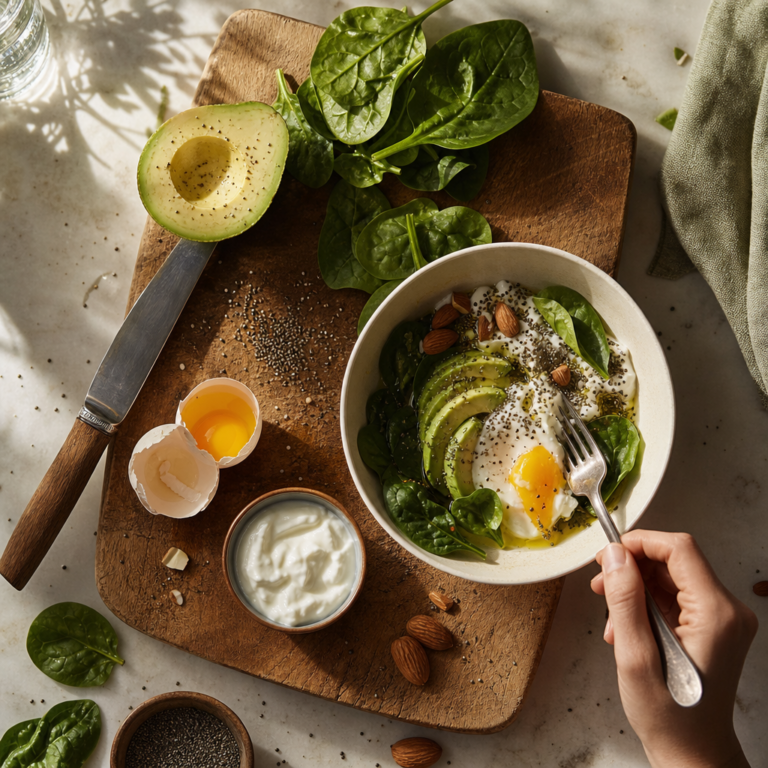
Build a satiating breakfast in 3 simple steps with protein, fiber, and healthy fat. Science-backed guide with 5 easy combos to keep you full until lunch.

Discover how exercise timing appetite works — does morning or evening exercise affect how much you eat? Learn what the latest science says about optimizing your workout clock for better hunger control.
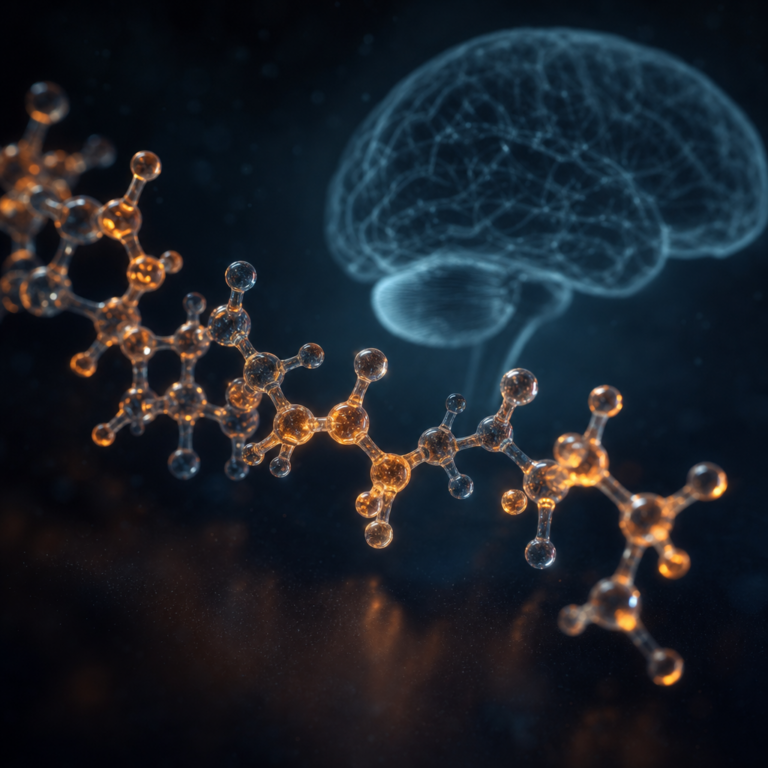
Stanford researchers used AI to discover BRP, a naturally occurring molecule that suppresses appetite like Ozempic without the nausea, vomiting, or muscle loss. Here’s how this natural Ozempic works and when it might be available.
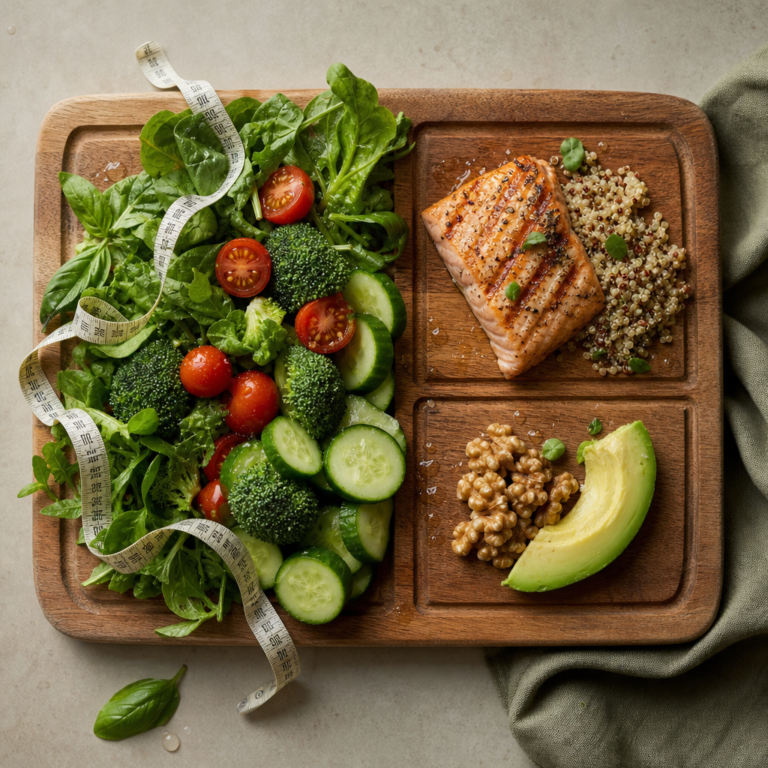
Calorie density explains why you can eat more food and lose weight. Learn the simple plate method that makes weight loss feel effortless without counting calories.
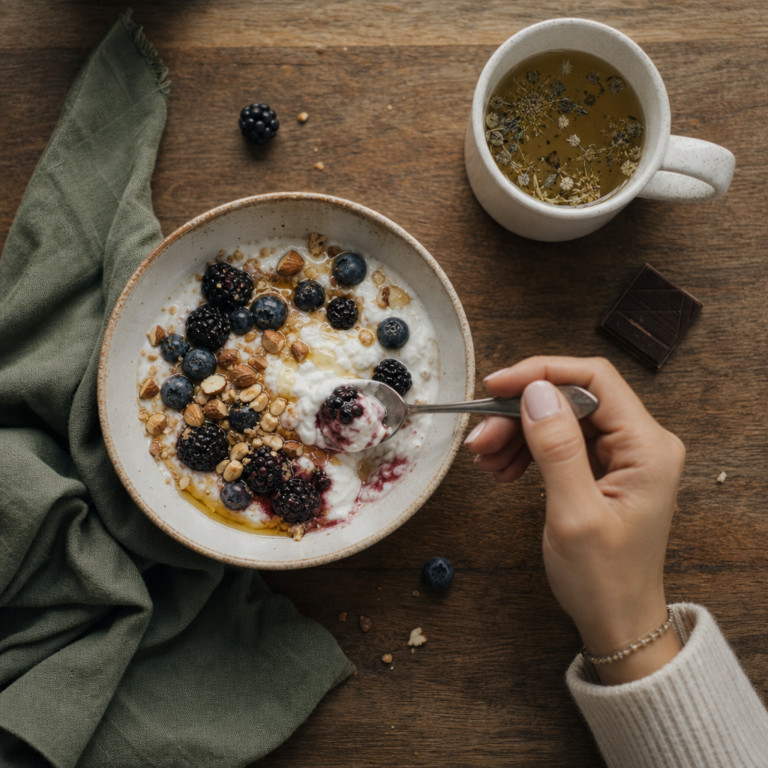
Sugar cravings aren’t a willpower problem — they’re a hunger problem. Learn how protein at breakfast, better sleep, and smart meal timing can short-circuit cravings before they start.
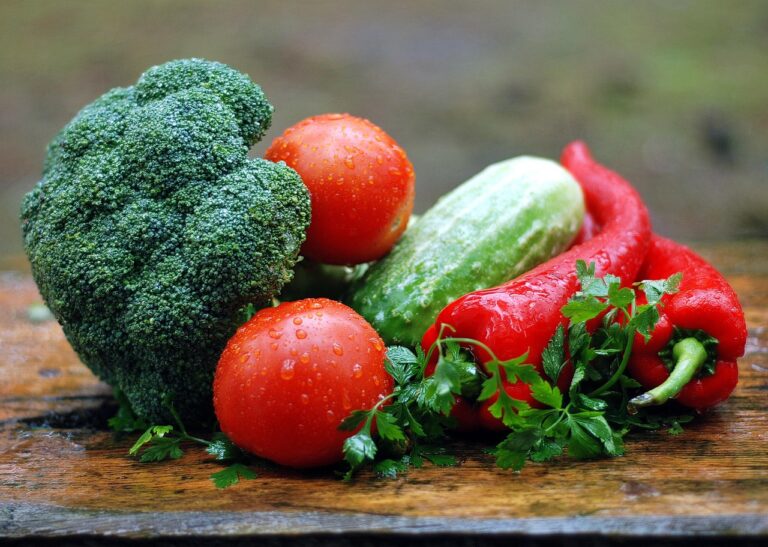
A new 12-week intermittent fasting study followed participants for a full year — here’s what happened to their weight loss and why early eating windows may offer an edge for fat preservation.
Can losing nearly 80 minutes of sleep cause weight gain? A new Columbia University study reveals the surprising connection between sleep and weight gain — plus simple steps to protect your rest tonight.

Looking for GLP-1 alternatives? From FDA-approved pills like phentermine and Qsymia to new drugs in development targeting amylin, MC4R, and other pathways — here’s what you need to know now and what’s coming next.

A Yale secret shopper study reveals most GLP-1 telehealth sites prescribe with little oversight. Learn 5 red flags and 5 questions to ask before signing up.
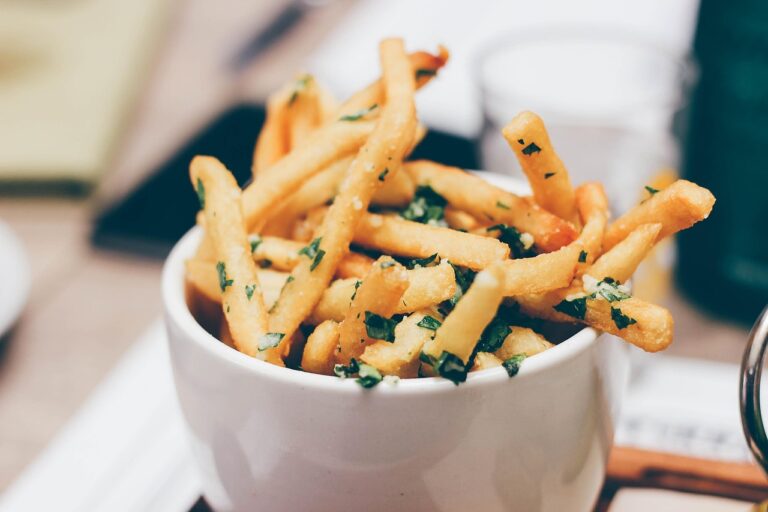
Ultra-processed foods drive weight gain through more than just calories — they alter hunger hormones, gut bacteria, and brain reward pathways. Learn simple swaps that help.