

A Record Summer for Foodborne Illness: What to Know
Key Takeaways
- A record season: Confirmed cyclosporiasis cases top 10,000 since May 1 — with 517 hospitalizations and 2 deaths across 47 states.
- Two outbreaks at once: A separate salmonella outbreak linked to jalapeños has sickened 345 people in 27 states.
- Timing is the clue: Cyclosporiasis appears about a week after exposure with watery diarrhea and bloating. Salmonella hits within hours to days.
- Rinsing has limits: Scrub firm produce well, and cook what you can to 158°F — the reliable kill step for cyclospora.
- Know when to call: Seek care for diarrhea beyond 3 days, fever over 102°F, bloody stool, or dehydration signs.
It’s been a record summer for foodborne illness — and the numbers are still climbing. Federal health officials have confirmed more than 10,000 domestic cyclosporiasis cases since May 1. A separate salmonella outbreak linked to jalapeño peppers has reached 345 cases. Both investigations remain open.
Here’s the thing: this article isn’t another alarm. It’s a clear picture of what’s happening right now. You’ll learn how to tell the two illnesses apart. You’ll also get simple kitchen habits that cut your foodborne illness risk — without giving up fresh produce.
You’re not alone if this feels like a lot. Let’s break it down together.
Quick Answer: What’s Driving This Summer’s Record Foodborne Illness Season?
Two pathogens, both carried on fresh produce. Cyclospora is a parasite that causes weeks of watery diarrhea. Salmonella is a bacterium that brings fever and cramps. Summer heat, imported produce, and a slow reporting system all made this season worse.
Why This Summer Is a Record Season for Foodborne Illness
Here’s the headline number. CDC’s cyclosporiasis surveillance data shows 10,468 laboratory-confirmed domestic cases from May 1 through August 3. That includes 517 hospitalizations and 2 deaths across 47 states. Another 12,255 cases still need investigation.
And the counts will keep climbing. Officials also note a six-week lag between illness onset and case reporting. So the true scope of this summer’s foodborne illness is larger than the official numbers show.
Why is this summer so bad? Three factors come together.
First, cyclospora season runs May through August, and domestic cases are far above typical years. Second, heat speeds up bacterial growth — perishable food can start to spoil within about an hour at 90°F. Third, much of the contaminated produce moved through long import and restaurant supply chains, which slows tracing.
Here’s another wrinkle. Salmonella can be matched using genetic fingerprinting. Cyclospora cannot. So investigators lean on patient interviews and supply-chain records, and those take weeks.
Foodborne Illness at a Glance: Cyclosporiasis vs. Salmonella
Most foodborne illness clears up on its own. However, these two infections feel very different, and timing is the biggest clue.
| What you’ll notice | Cyclosporiasis (parasite) | Salmonella (bacteria) |
|---|---|---|
| When symptoms start | Usually about 1 week (2 days to 2+ weeks) | 6 hours to 6 days |
| Main symptoms | Watery or explosive diarrhea, bloating, cramps, fatigue | Diarrhea, fever, stomach cramps |
| How long it lasts | Days to over a month; symptoms can return | Usually 4 to 7 days |
| Treatment | Antibiotics (Bactrim) if confirmed | Fluids and rest; antibiotics for severe cases |
See what the timing tells you? If you ate something risky last night and feel sick this morning, it’s probably not cyclospora. That parasite takes about a week to show up. So the meal that made you sick was likely a week ago.
Now, the salmonella side of this summer. CDC’s salmonella outbreak alert counts 345 cases, 36 hospitalizations, and no deaths across 27 states. The likely source? Jalapeños grown in Sinaloa, Mexico. Of the people interviewed, 93% had eaten at a Mexican-style restaurant before getting sick.
How to Protect Your Kitchen During Outbreak Season
Here’s the reassurance you need: you don’t have to stop eating fresh produce. You just need to handle it with more care this season. A few simple smart kitchen tools — separate cutting boards, a clean produce brush, a reliable food thermometer — make the routine easier.
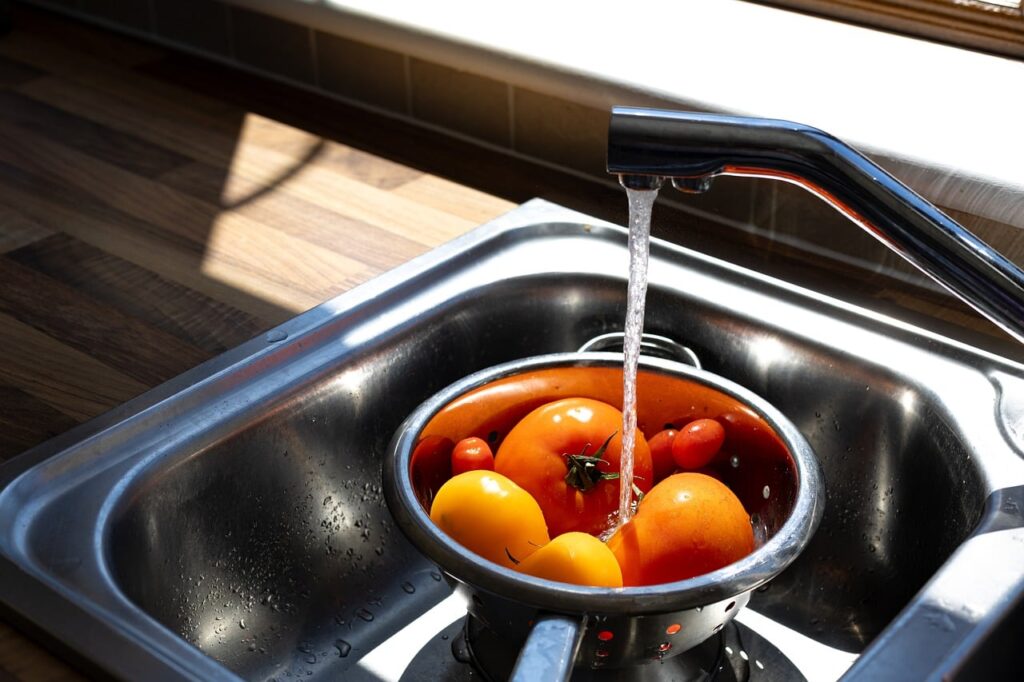
Wash. Start with your hands — soap and water, before and after handling raw produce. Then rinse every fruit and vegetable under running water, even if you plan to peel it.
Scrub. This is the step most people skip. Firm produce like melons, cucumbers, and squash needs a clean scrub brush. Cut away bruised areas, where parasites can hide.
Know the limits of rinsing. Here’s a fact many articles skip: washing alone can’t guarantee the parasite’s removal. CDC’s produce-safety guidance says cooking produce to at least 158°F (70°C) is the reliable kill step. Think roasted vegetables, grilled peppers, or cooked salsa.
Laboratory research on produce washing effectiveness backs this up — plain water struggles to remove germs from leafy greens.
Chill and Separate: Two Habits That Matter
Chill. Refrigerate cut, peeled, or cooked produce within two hours. Keep your fridge at 40°F or below. On a 90°F day, don’t leave perishables out for more than an hour.
Separate. Use one cutting board for raw meat and another for produce. Skip washing raw chicken — it splashes germs around your sink. Cooking to 165°F handles the rest.
One more foodborne illness habit worth breaking: don’t prepare food for others while you’re sick. Even a mild case can pass germs along.
What to Do With Recalled Produce
Wondering about the lettuce in your fridge? If you bought the recalled Taylor Farms iceberg lettuce — or you can’t remember the brand — don’t eat it. Return it if you can, or toss it. Then wash the fridge drawer and any surfaces it touched with hot soapy water.
One honest nuance. Health officials later said a lab sample from that lettuce was a false positive. The recall and the investigation stand, but the source isn’t lab-confirmed yet. So stay flexible — public health advice may shift as new data arrives.
Jalapeños are a different story. The recalled peppers went mostly to restaurants and wholesalers, not grocery stores. If you have recalled peppers at home, or frozen ones you can’t verify, throw them out.
Then clean anything they touched. FDA’s outbreak investigation update has the full details.
Dining out? It’s fair to ask about produce sources. Most big chains, including Chipotle and QDOBA, have already switched suppliers or removed jalapeños entirely.
When to Call Your Doctor
Most healthy adults recover at home with fluids and rest. However, some groups face higher risk. That includes adults over 65, children under 5, pregnant women, and people with weakened immune systems. They may need care sooner.
Call your provider if you have any of these:
- Diarrhea lasting more than 3 days without improvement
- A fever above 102°F
- Bloody diarrhea
- Vomiting so severe you can’t keep fluids down
- Dehydration signs: little urination, dry mouth, dizziness when standing
These thresholds come from CDC’s salmonella guidance, and they hold for most gut infections. Dehydration is the main danger, so sip water or an electrolyte drink often.
Here’s a tip that can speed up your recovery. Ask for the right test. Routine stool tests don’t look for cyclospora. CDC’s cyclosporiasis overview explains that you may need several samples. The test often goes to an outside lab.
About anti-diarrheal medications: hydrate first. Yale Medicine’s cyclosporiasis explainer warns that OTC options like Imodium can slow the gut and keep the pathogen inside longer. Skip them unless your clinician says otherwise, especially with a fever.
Your Top Questions, Answered
Is fresh produce safe to eat right now?
Yes. Food-safety experts agree you don’t need to avoid produce. Wash it well, scrub firm items, and cook what you can — and if you need menu inspiration, these gut-healthy summer lunches put fresh produce to good use. If you’re immunocompromised, follow your own clinician’s advice about raw produce.
Can I catch cyclosporiasis from my partner or kids?
No. Unlike norovirus, cyclospora doesn’t pass from person to person. The parasite needs one to two weeks in the environment before it can infect anyone. Contaminated food or water is the real risk.
Why can’t officials find the source faster?
Cyclospora takes about a week to cause symptoms, so people forget what they ate. It also lacks the genetic fingerprinting tools used for salmonella. Many outbreak dishes mix several produce items, which complicates tracing. A published CDC outbreak investigation once tied a restaurant outbreak to cilantro. People who ate it were far more likely to get sick.
The Bottom Line
A record summer doesn’t mean a reason to panic. It means a season for a little extra care. The fundamentals of foodborne illness prevention haven’t changed: wash, scrub, cook, chill, and separate.
Here’s the takeaway. Case counts will keep rising through August because of the reporting lag. However, your kitchen habits are within your control.
Wash that melon well — then put it to use in these healthy watermelon recipes. Cook those peppers. And if diarrhea lingers past three days, call your doctor — and ask about a cyclospora test.
Stay healthy out there. Your summer salads are still worth it.