
12 Gut-Healthy Summer Lunches for a Happy Microbiome
Key Takeaways: Eating for Your Gut This Summer
- Prebiotics + Probiotics = A Happy Gut. The best gut healthy lunches combine fiber-rich foods (prebiotics) with live cultures from yogurt or miso (probiotics).
- Legumes are the MVPs. Chickpeas, black beans, and lentils are packed with resistant starch that directly feeds your good gut bacteria.
- Start Slow to Avoid Bloat. If you are new to high-fiber eating, introduce beans gradually and drink plenty of water.
- No-Cook Options are Your Friend. Summer calls for quick, cold lunches. Wraps and jar salads require zero stovetop time.
- Aim for 8-10g of Fiber. A well-balanced gut healthy lunch should target at least 8 grams of fiber to support satiety and microbial diversity.
Picture this: It is 1 PM, your energy is dragging, and you need lunch. You grab a salad, but an hour later you are hungry and sluggish again. Or maybe you have tried adding more beans to your meals for your digestive health, but you just felt bloated and uncomfortable.
The truth is, eating for your gut does not have to be complicated, time-consuming, or leave you feeling worse. In fact, the best gut healthy lunches are often the simplest. They rely on a handful of powerful ingredients that work with your digestive system, not against it.
I have combed through the latest research and rounded up 12 of the best summer lunch ideas to help you feel light, energized, and satisfied all afternoon — without the bloat. Let’s dive into what makes a meal truly gut-healthy and how to make it deliciously easy.
Quick Answer: What Is a Gut-Healthy Lunch?
A gut-healthy lunch pairs prebiotics (high-fiber foods like beans, whole grains, and vegetables that feed your good bacteria) with probiotics (live bacteria found in yogurt, kefir, miso, or kimchi). Together, they support a diverse and balanced gut microbiome, which research links to better digestion, reduced inflammation, and improved overall wellbeing.
What Makes a Lunch “Gut Healthy”?
Before we get to the recipes, let’s talk about the why. Your gut is home to trillions of bacteria that influence everything from your mood to your immune system. The food you eat either helps these bacteria thrive or leaves them struggling.
Prebiotics are essentially fertilizer for your good gut bugs. These are specific types of fiber found in foods like chickpeas, onions, asparagus, and whole grains. When your gut bacteria ferment this fiber, they produce short-chain fatty acids (SCFAs) — powerful compounds that reduce inflammation and support metabolic health. A 2024 systematic review published in BMC Medical Genomics confirmed that dietary patterns rich in these foods consistently increase gut microbiome diversity.
Probiotics are the live bacteria themselves. You can get them from fermented foods like yogurt, kefir, and miso. According to the National Institutes of Health, while the effects of probiotics are strain-specific, eating a variety of fermented foods as part of a diverse diet is a practical way to support your gut ecosystem.
12 Gut Healthy Lunches for a Happy Summer Microbiome
I have organized these ideas by type so you can find exactly what you are craving — whether it is a quick wrap, a hearty salad, or a satisfying bowl. Each pick highlights the specific gut-healthy ingredient doing the heavy lifting.
Wraps & Sandwiches (Probiotic + Prebiotic Combos)
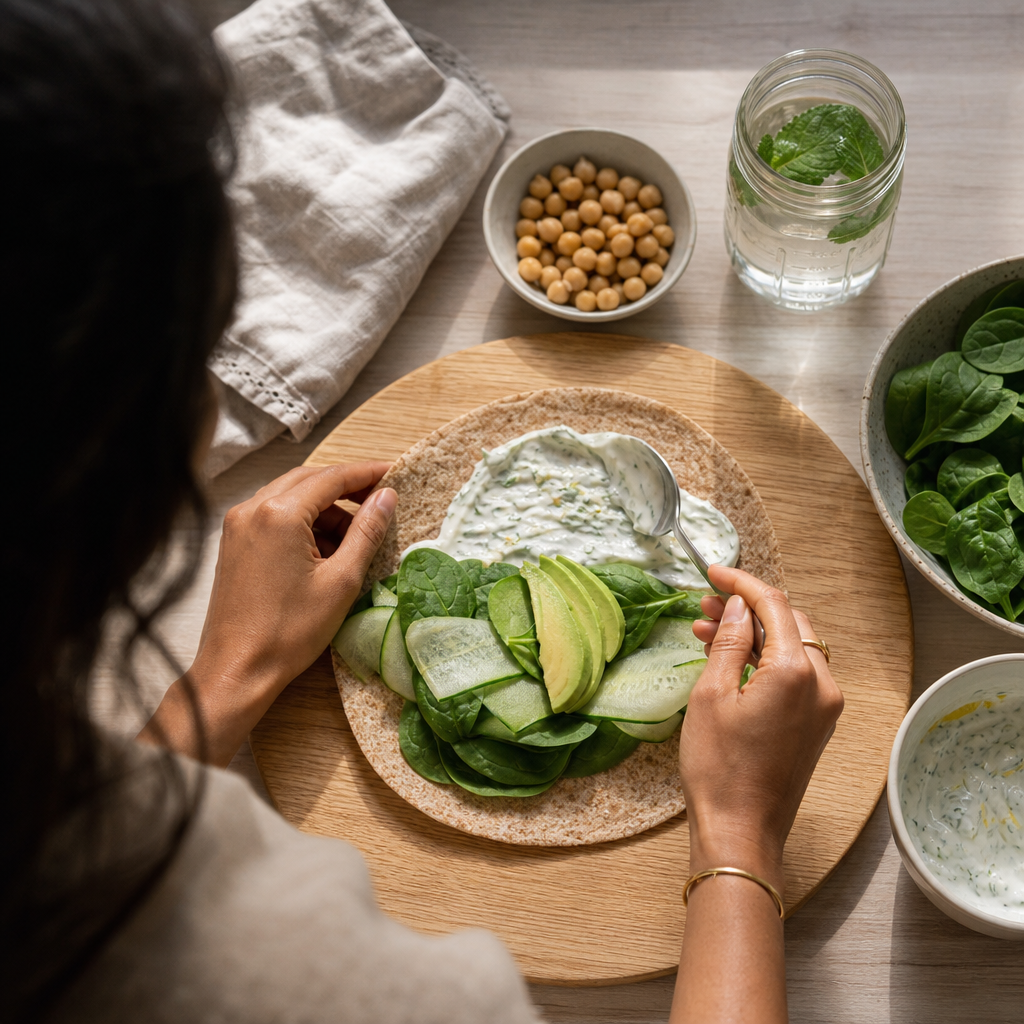
1. Cucumber-Spinach Wrap (10 minutes)
This is the ultimate no-cook summer lunch. A quick lemon-dill yogurt spread acts as your probiotic, while the spinach and avocado provide prebiotic fiber. Research published in The Journal of Nutrition shows that daily yogurt consumption can transiently introduce beneficial bacteria like Streptococcus thermophilus into the gut ecosystem — though the healthy microbiome remains largely resilient to short-term changes. The key is making yogurt a regular part of a diverse, fiber-rich diet.
2. High-Protein Cucumber Sandwich (10 minutes)
Cottage cheese whipped with white miso is a savory, creamy win. Miso is a fermented food rich in live cultures, making this a probiotic-plus-prebiotic combination. Cottage cheese also provides protein to keep you full and satisfied.
3. Gut-Friendly Veggie Sandwich (15 minutes)
This sandwich features a tangy yogurt spread for probiotics and shaved raw asparagus for prebiotic inulin fiber. Shaving the asparagus with a vegetable peeler makes it tender and easy to eat raw — a smart trick for getting more prebiotics into your gut healthy lunches without cooking.
4. Avocado Tuna Salad Sandwich (10 minutes)
Swapping mayonnaise for avocado adds healthy fats that help you absorb fat-soluble vitamins. Avocado is also a fantastic source of fiber that supports your gut bacteria.
Salads & Bowls (Fiber Powerhouses)
5. Chopped Italian Chickpea Salad (15 minutes)
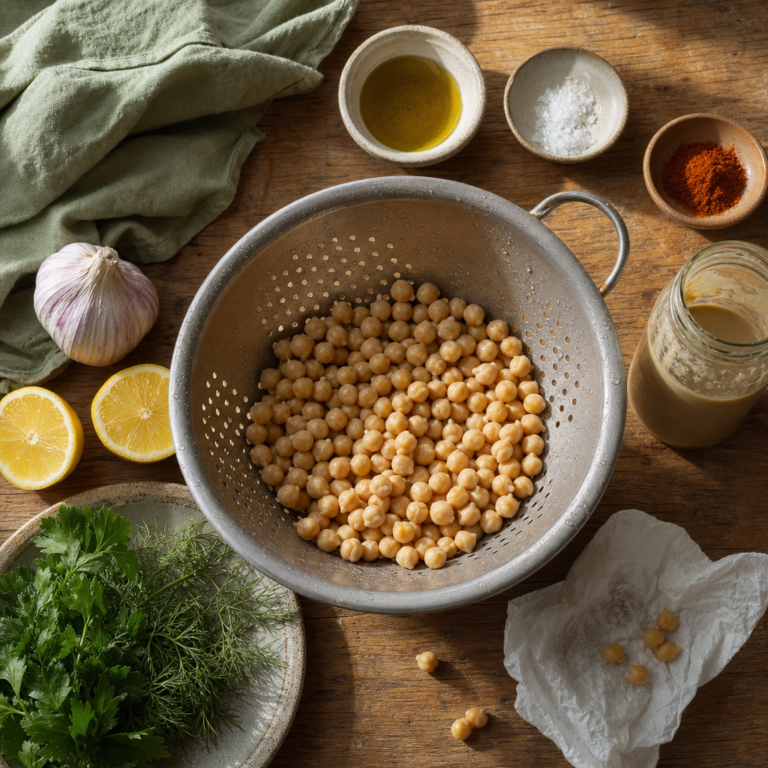
Chickpeas are a prebiotic superstar. A review in the journal Nutrients confirms that pulses like chickpeas have the highest proportion of fiber among legumes and contain resistant starch that directly feeds beneficial gut bacteria. This is the kind of gut healthy lunch you can eat all week.
6. Loaded Bean & Broccoli Salad (20 minutes)
Cannellini beans and broccoli are both high on the prebiotic list. This combination delivers a serious dose of fiber — along with a tangy yogurt-mayo dressing for a probiotic touch.
7. Green Goddess Chickpea Bowl (20 minutes)
The combination of chickpeas, quinoa, and a yogurt-based green goddess dressing makes this a complete gut-health meal. Quinoa provides additional prebiotic fiber, while the yogurt dressing adds live cultures.
8. Easy Chickpea Salad Lunch Box (10 minutes)
No cooking required. Just chickpeas, cucumber, cherry tomatoes, and a simple lemon-olive oil dressing. This is perfect for scaling up for the week. Remember to add crunchy crackers or pita on the day you eat it to keep them crisp.
Hearty Grain & Bean Bowls
9. Chickpea Grain Bowl with Feta (25 minutes)
Farro is an ancient whole grain packed with prebiotic fiber — just like our collection of 30-minute gut healthy dinners — and combined with chickpeas, it creates a gut-healthy base that keeps you full for hours. No farro on hand? Quinoa, brown rice, or barley work beautifully as swaps.
10. No-Cook Black Bean Taco Bowls (15 minutes)
Black beans are another prebiotic powerhouse. This no-cook bowl layers beans with crisp cabbage, bell peppers, and a tangy lime crema made with yogurt. It is refreshing, filling, and incredibly easy to throw together.
11. Cucumber & White Bean Sandwiches (15 minutes)
Smashed white beans mixed with a touch of mayo, Dijon mustard, and dill pickle relish create a creamy, tangy spread that is rich in prebiotic fiber. Paired with crisp cucumber slices and avocado, it is a refreshing lunch that delivers both texture and gut benefits.
12. Loaded Chopped Taco Salad Bowl (15 minutes)
This salad is packed with fiber and plant-based protein from black beans. Topped with avocado, cotija cheese, and pickled onions, it hits all the right notes. The lime vinaigrette adds a bright finish. It is proof that gut healthy lunches can be incredibly satisfying.
What NOT to Do When Starting Gut Healthy Lunches
Okay, let’s be real for a second. If you are not used to eating a lot of fiber, jumping straight into a double-bean salad might leave you feeling more bloated than energized. Here is how to ease into it:
Start slow. If beans usually bother you, start with half a serving. Your gut bacteria need time to adjust to the new fuel. Gradually increase the amount over a week or two.
Drink up. Fiber pulls water into your colon. Make sure you are drinking plenty of water throughout the day to keep things moving smoothly.
Chew thoroughly. Digestion begins in your mouth. Chewing your food well sends signals to your gut to prepare for digestion and helps break down fiber before it reaches your stomach.
Listen to your body. Some people tolerate chickpeas better than black beans, and vice versa. Pay attention to how you feel and adjust accordingly.
Frequently Asked Questions About Gut Healthy Lunches
Q: Can I still eat for gut health if I am lactose intolerant?
Absolutely. Many of the prebiotic benefits come from fiber-rich plants like beans, lentils, and whole grains. For a probiotic kick without dairy, try adding sauerkraut, kimchi, or a miso-based dressing to your lunch.
Q: How much fiber should a good lunch provide?
Aim for at least 8 to 10 grams of fiber per meal. A bowl with 1/2 cup of chickpeas, a serving of quinoa, and a cup of mixed vegetables will easily get you there.
Q: What if I do not have time to cook on the weekend?
Focus on no-cook options like the Cucumber-Spinach Wrap or the Easy Chickpea Salad Lunch Box. You can also prep components — like rinsing beans or chopping veggies — in just 10 minutes on a Sunday to make weekdays effortless.
The Bottom Line on Gut Healthy Lunches
Eating for your gut is one of the smartest things you can do for your overall health. It does not require a fridge full of obscure ingredients or hours in the kitchen. It just requires a little know-how and a focus on the right ingredients: fiber-rich legumes, colorful vegetables, whole grains, and fermented foods like yogurt and miso.
The best gut healthy lunches are the ones that make you feel good — energized, satisfied, and light. Start with one or two of these recipes this week, pay attention to how your body responds, and build from there. Your gut (and your future self) will thank you.