
Protein Powder for Women Weight Loss: Complete Guide That Actually Works
Discover the best protein powder for women weight loss with science-backed advice, realistic results, recipes, and expert tips for sustainable fat loss.
Have you been searching for the right protein powder for women weight loss but feel overwhelmed by endless options? You’re not alone. Moreover, choosing the wrong protein powder can waste money and sabotage your weight loss goals before you even start.
The good news is that protein powder can be a powerful tool for women’s weight loss when used correctly. In fact, research shows that adequate protein intake helps preserve muscle mass, boost metabolism, and reduce hunger during calorie restriction. However, not all protein powders work equally well for women’s unique needs.
Throughout this comprehensive guide, you’ll discover exactly which protein powder works best for women’s weight loss. Additionally, you’ll learn how much to use, when to drink it, and how to avoid common mistakes that prevent results. By the end, you’ll have a complete strategy for using protein powder to support your weight loss journey.
Quick Answer: What Is the Best Protein Powder for Women Weight Loss?
The best protein powder for women weight loss typically contains 20-30 grams of protein per serving with minimal added sugars and fillers. Whey protein isolate offers the fastest absorption and highest satiety, making it ideal for most women. However, plant-based options like pea or brown rice protein work equally well for those avoiding dairy.
For optimal weight loss results, consume protein powder within 30 minutes after strength training or as a meal replacement for breakfast. Most women see best results combining 1-2 protein shakes daily with whole food meals, regular exercise, and a modest calorie deficit. Therefore, protein powder works as a tool to support weight loss, not a magic solution by itself.
Why Protein Powder Works for Women’s Weight Loss
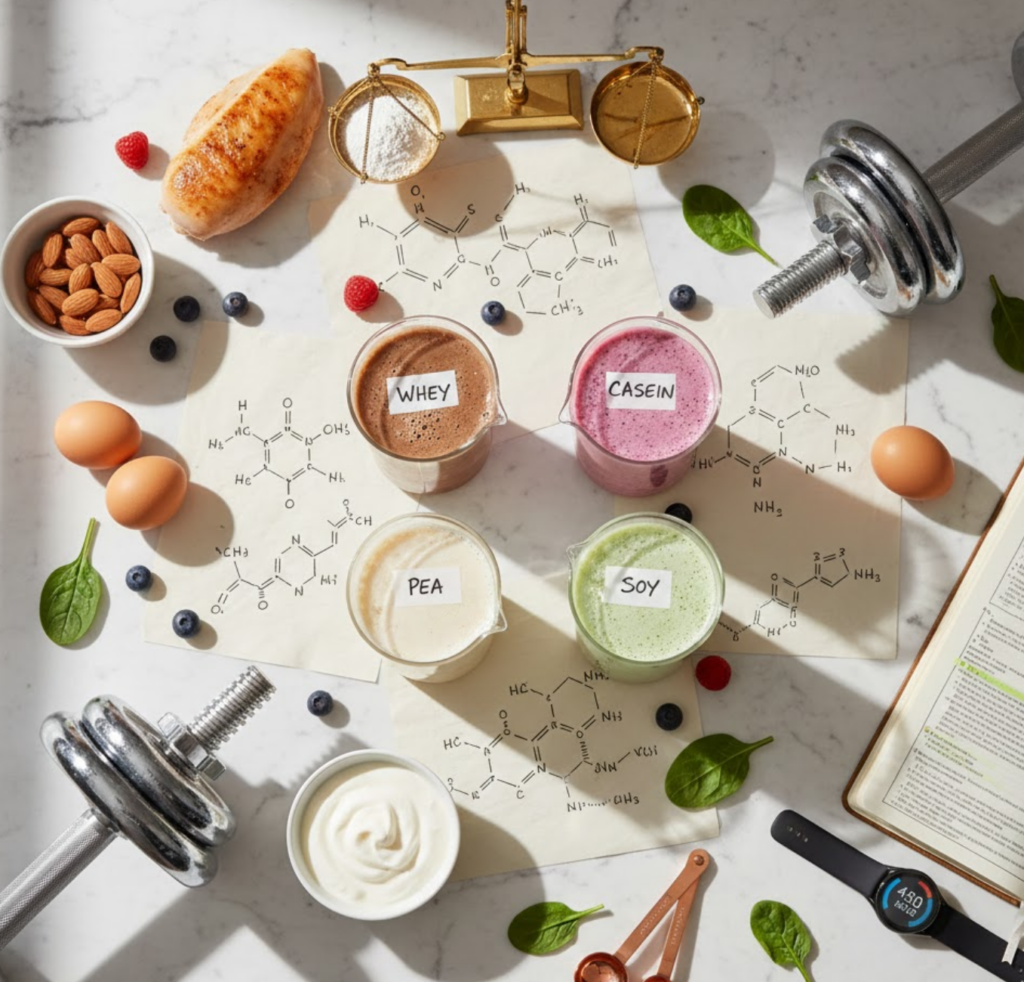
Before diving into specific products and strategies, let’s understand why protein powder helps women lose weight. Essentially, protein affects your body differently than carbohydrates or fats in ways that support fat loss.
Protein Increases Satiety and Reduces Hunger
One of the biggest challenges women face during weight loss is constant hunger. Protein addresses this problem directly by triggering the release of satiety hormones in your digestive system.
Research published in the American Journal of Clinical Nutrition found that increasing protein intake significantly reduces hunger and decreases overall calorie consumption. Specifically, women who consumed higher protein breakfasts ate fewer calories throughout the day compared to those eating lower protein meals.
Source: https://pubmed.ncbi.nlm.nih.gov/25926512/
Additionally, protein takes longer to digest than carbohydrates, keeping you fuller for extended periods. This sustained fullness makes it easier to stick with your calorie deficit without feeling deprived. Furthermore, reducing hunger naturally leads to better food choices and fewer impulsive snacking episodes.
Protein Preserves Muscle During Weight Loss
When you reduce calories to lose weight, your body doesn’t just burn fat. Unfortunately, it also breaks down muscle tissue for energy. This muscle loss slows your metabolism and makes maintaining weight loss much harder.
However, consuming adequate protein prevents this muscle breakdown. A study in Nutrition Reviews examined the effects of protein intake on body composition during weight loss. Researchers found that women consuming higher protein (1.2-1.6 grams per kilogram body weight) preserved significantly more muscle mass than those eating standard protein amounts.
Source: https://pubmed.ncbi.nlm.nih.gov/27511391/
Moreover, maintaining muscle mass keeps your metabolism elevated even while losing weight. Since muscle tissue burns more calories than fat tissue, preserving it helps you continue losing weight without constantly reducing calories. Therefore, protein powder helps you lose fat specifically rather than just “weight” that includes precious muscle.
Protein Has a Higher Thermic Effect
Your body actually burns calories digesting and processing the food you eat. This process, called the thermic effect of food, varies depending on which macronutrient you consume.
Protein has the highest thermic effect of all macronutrients. Research in Nutrition & Metabolism shows that your body uses approximately 25-30% of protein calories just to digest and process it. In comparison, carbohydrates require only 5-10% and fats use just 0-3%.
Source: https://pubmed.ncbi.nlm.nih.gov/15723702/
This means when you consume 100 calories from protein powder, your body only nets about 70-75 calories after digestion. Consequently, higher protein intake slightly boosts your metabolism and increases total daily calorie burn. While this effect is modest, it contributes to your overall calorie deficit over time.
Protein Supports Hormone Balance in Women
Women’s hormones significantly impact weight loss success. Fluctuating estrogen and progesterone levels affect appetite, water retention, and fat storage patterns. Additionally, stress hormone cortisol can promote fat storage, particularly around the midsection.
Adequate protein intake helps regulate these hormones more effectively. Studies show that protein consumption supports leptin sensitivity, the hormone that signals fullness to your brain. Furthermore, protein helps stabilize blood sugar, preventing the insulin spikes that promote fat storage.
For women experiencing perimenopause or menopause, protein becomes even more critical. During this transition, maintaining muscle mass through adequate protein helps offset the metabolic slowdown that often accompanies hormonal changes.
Types of Protein Powder for Women Weight Loss
Understanding different protein powder types helps you choose the best option for your needs, preferences, and goals. Each type offers unique benefits and considerations.
Whey Protein: Fast-Acting and Highly Effective
Whey protein comes from milk during cheese production. It’s the most researched protein supplement and offers several advantages for women’s weight loss.
Benefits:
- Contains all essential amino acids (complete protein)
- Absorbs quickly, ideal for post-workout recovery
- High in leucine, which triggers muscle protein synthesis
- Generally affordable and widely available
- Excellent taste and mixability
Considerations:
- Contains lactose (may cause digestive issues for some women)
- Not suitable for vegans or those with dairy allergies
- Quality varies significantly between brands
Best for: Women who tolerate dairy well and want maximum muscle preservation during weight loss. Particularly effective when consumed after strength training workouts.
Whey Protein Isolate: Premium Option
Whey protein isolate undergoes additional processing to remove more lactose and fat. This creates a more concentrated protein source.
Benefits:
- 90%+ protein content with minimal carbs and fat
- Lower lactose content (better for sensitive individuals)
- Faster absorption than whey concentrate
- Ideal for strict calorie control
Considerations:
- More expensive than whey concentrate
- Similar benefits to regular whey for most women
- Still contains trace amounts of lactose
Best for: Women following very low-carb diets or those with mild lactose sensitivity who want dairy-based protein.
Casein Protein: Slow-Release Formula
Casein is another milk-derived protein that digests much more slowly than whey. It forms a gel-like substance in your stomach that releases amino acids gradually.
Benefits:
- Provides sustained amino acid release for 6-8 hours
- Excellent for reducing nighttime hunger
- Helps preserve muscle during sleep
- Very filling and satisfying
Considerations:
- Not ideal immediately post-workout (too slow)
- Contains lactose like whey
- Thicker texture that some women dislike
- Can be more expensive
Best for: Women who struggle with evening hunger or snacking. Great as a bedtime shake to prevent muscle breakdown overnight.
Plant-Based Protein: Dairy-Free Options
Plant-based proteins come from sources like peas, rice, hemp, or soy. Many brands combine multiple plant sources to create complete amino acid profiles.
Pea Protein Benefits:
- Hypoallergenic and easily digestible
- High in iron (beneficial for women)
- Environmentally sustainable
- Comparable satiety to whey protein
Brown Rice Protein Benefits:
- Gentle on digestion
- Naturally gluten-free
- Good amino acid profile when combined with pea
- Budget-friendly option
Hemp Protein Benefits:
- Contains omega-3 fatty acids
- High in fiber (aids digestion)
- Complete protein source
- Additional minerals like magnesium
Soy Protein Benefits:
- Complete protein with all essential amino acids
- May support hormone balance in some women
- Affordable and widely available
- Researched extensively
Considerations:
- Often grittier texture than whey
- May require combining sources for complete profile
- Some contain added sugars to improve taste
- Quality varies significantly between brands
Best for: Vegan women, those with dairy allergies, or anyone preferring plant-based nutrition. Additionally, women concerned about environmental sustainability.
Collagen Protein: Special Considerations
Collagen protein has gained popularity for skin, hair, and joint health. However, it’s not ideal as your primary protein powder for weight loss.
Why collagen isn’t optimal:
- Incomplete amino acid profile (lacks tryptophan)
- Lower satiety compared to whey or plant proteins
- Less effective for muscle preservation
- Won’t support weight loss as effectively
When to use collagen:
- As a supplement alongside complete protein powder
- For specific skin, hair, or joint benefits
- Not as your main protein source for weight loss
How Much Protein Do Women Need for Weight Loss?
Knowing the right amount of protein maximizes results while avoiding unnecessary expense or potential issues from excessive intake.
General Protein Requirements
The recommended dietary allowance (RDA) for protein is 0.8 grams per kilogram of body weight for sedentary women. However, this minimum maintains basic health rather than optimizing weight loss.
For women actively trying to lose weight, research supports higher intake. Studies published in The Journal of Nutrition found that consuming 1.2-1.6 grams of protein per kilogram body weight produces better fat loss results while preserving muscle mass.
Source: https://pubmed.ncbi.nlm.nih.gov/18469287/
Practical calculation:
- Convert your weight to kilograms (divide pounds by 2.2)
- Multiply by 1.2-1.6 for your target protein range
- Example: 150-pound woman = 68 kg × 1.4 = 95 grams protein daily
How Protein Powder Fits Your Daily Goal
Most women should get the majority of protein from whole foods like chicken, fish, eggs, Greek yogurt, and legumes. However, protein powder makes reaching your goal much easier and more convenient.
Typically, 1-2 servings of protein powder daily works well for most women. This provides 40-60 grams from supplements, with the remaining 35-55 grams coming from food. Moreover, this balance ensures you get nutrients from whole foods while meeting protein targets conveniently.
For example, a 140-pound woman needing 90 grams daily might consume:
- Breakfast protein shake: 25 grams
- Lunch (chicken salad): 30 grams
- Snack (Greek yogurt): 15 grams
- Dinner (salmon): 25 grams
- Total: 95 grams
Timing Your Protein Intake
When you consume protein powder significantly impacts its effectiveness for weight loss. Research shows that distributing protein evenly throughout the day optimizes muscle preservation and satiety.
Best times to drink protein powder:
Post-Workout (Within 30-60 Minutes): After strength training, your muscles are primed to absorb amino acids. Consuming 20-30 grams of fast-digesting protein like whey supports recovery and muscle growth.
Breakfast: Starting your day with protein reduces hunger throughout the morning. Studies show that high-protein breakfasts lead to lower calorie intake for the entire day compared to carb-heavy meals.
Between Meals: Using protein powder as a snack prevents energy crashes and reduces cravings. This strategy keeps you satisfied between main meals without excessive calories.
Before Bed: Slow-digesting casein protein prevents muscle breakdown during sleep. Additionally, it reduces morning hunger and late-night snacking.
Avoid drinking protein shakes with meals containing adequate protein already. This can push you over your calorie target without additional benefits. Instead, use protein powder strategically when whole food protein is inconvenient or unavailable.
Best Practices for Using Protein Powder for Weight Loss
Simply buying protein powder won’t guarantee weight loss success. Following these evidence-based strategies maximizes your results while avoiding common pitfalls.
Don’t Replace All Meals with Shakes
One of the biggest mistakes women make is replacing too many whole food meals with protein shakes. While convenient, this approach creates several problems.
First, whole foods provide essential nutrients, fiber, and phytonutrients that protein powder lacks. Relying too heavily on shakes can lead to nutritional deficiencies over time. Second, chewing solid food triggers greater satiety signals than drinking liquid calories.
Furthermore, replacing all meals with shakes isn’t sustainable long-term. Eventually, you’ll return to solid food, and without developing healthy eating habits, weight regain becomes likely.
Better approach: Use protein shakes for 1-2 meals or snacks daily maximum. Focus the rest of your nutrition on nutrient-dense whole foods that support long-term healthy eating patterns.
Combine Protein Powder with Exercise
Protein powder works synergistically with exercise, particularly strength training. Without exercise, protein powder simply adds calories to your diet, potentially hindering weight loss rather than supporting it.
Research in The American Journal of Clinical Nutrition demonstrates that combining increased protein with resistance training produces superior body composition changes compared to either intervention alone. Women who strength trained while consuming higher protein lost more fat and gained more muscle than those using protein powder without exercise.
Source: https://pubmed.ncbi.nlm.nih.gov/26817506/
Aim for at least 2-3 strength training sessions weekly alongside your protein supplementation. This combination preserves muscle mass, keeps metabolism elevated, and optimizes fat loss rather than just weight loss.
Watch Total Calorie Intake
Protein powder contains calories just like any other food. Many women mistakenly add protein shakes to their existing diet without reducing calories elsewhere, preventing weight loss despite “doing everything right.”
A typical protein shake with powder, milk, and fruit contains 200-300 calories. If you add this without adjusting other meals, you’ll likely maintain or even gain weight rather than lose it.
Solution: When adding protein powder, reduce calories from other sources to maintain your overall deficit. For example, if you add a 250-calorie breakfast shake, reduce your lunch or dinner by approximately 250 calories.
Additionally, account for everything you add to your shake. Mixing protein powder with whole milk, peanut butter, bananas, and honey creates a 500+ calorie drink that may exceed your meal targets. Use unsweetened almond milk, water, or low-fat milk as your base for better calorie control.
Choose Quality Over Price Alone
The protein powder industry is largely unregulated, leading to significant quality variations between products. Some cheaper options contain minimal actual protein despite label claims, while others include contaminants or fillers.
Look for these quality indicators:
- Third-party testing certification (NSF, Informed Choice, or USP)
- Transparent ingredient lists without proprietary blends
- Minimal added sugars (under 5 grams per serving)
- Good reviews from verified purchasers
- Clear protein source identification
While quality products cost more than bargain options, they provide actual results and better value long-term. Moreover, consuming contaminated or low-quality protein powder can harm your health rather than support it.
Be Consistent for 8-12 Weeks
Weight loss requires consistency over time rather than perfection for short periods. Many women try protein powder for 2-3 weeks, see minimal results, and give up before benefits appear.
Research shows that meaningful body composition changes typically require 8-12 weeks of consistent protein intake combined with calorie control and exercise. During this time, you’ll lose fat, preserve muscle, and establish sustainable habits.
Track your progress through multiple metrics beyond just scale weight. Take progress photos, measurements, and note how your clothes fit. Additionally, pay attention to non-scale victories like increased energy, better workout performance, and reduced cravings.
Delicious Ways to Use Protein Powder
Moving beyond basic water-mixed shakes makes protein powder more enjoyable and sustainable long-term. Here are practical, tasty ways to incorporate protein powder into your daily routine.
Classic Protein Smoothies
Smoothies offer endless variety while providing complete nutrition beyond just protein.
Berry Blast Weight Loss Smoothie:
- 1 scoop vanilla protein powder (25g protein)
- 1 cup unsweetened almond milk (30 calories)
- 1/2 cup frozen mixed berries (40 calories)
- 1 cup spinach (7 calories)
- 1 tablespoon ground flaxseed (55 calories)
- Ice as needed
Nutritional profile: 280 calories, 28g protein, 8g fiber Benefits: High volume, very filling, packed with antioxidants
Green Goddess Metabolism Booster:
- 1 scoop vanilla or unflavored protein powder
- 1 cup unsweetened coconut milk
- 1/2 avocado
- 1 cup kale
- 1/2 green apple
- Juice of 1/2 lemon
- Ice
Nutritional profile: 320 calories, 26g protein, 11g fiber Benefits: Healthy fats support hormone production, very satisfying
Protein-Packed Breakfast Ideas
Transform your morning routine with these protein-rich breakfast options that don’t feel like “drinking a shake.”
High-Protein Overnight Oats:
- 1/2 cup rolled oats
- 1 scoop protein powder (vanilla or chocolate)
- 3/4 cup unsweetened almond milk
- 1 tablespoon chia seeds
- Cinnamon to taste
- Optional: 1/2 sliced banana or berries
Preparation: Mix all ingredients in a jar, refrigerate overnight, enjoy cold or warmed. Nutritional profile: 350 calories, 32g protein, 10g fiber
Protein Pancakes:
- 1 scoop protein powder
- 2 eggs
- 1/4 cup rolled oats
- 1/2 teaspoon baking powder
- Cinnamon and vanilla extract
Preparation: Blend all ingredients, cook like regular pancakes on a non-stick pan. Nutritional profile: 320 calories, 35g protein, 4g fiber
Creative Protein Recipes
Expand your protein powder use beyond traditional shakes with these innovative ideas.
Protein Coffee (Proffee):
- 1 cup cold brew coffee
- 1 scoop vanilla or chocolate protein powder
- 1/4 cup unsweetened almond milk
- Ice
- Optional: sugar-free syrup for flavoring
Benefits: Combines caffeine energy boost with protein satiety, perfect pre-workout drink.
Protein Ice Cream:
- 1 frozen banana
- 1 scoop chocolate protein powder
- 2 tablespoons cocoa powder
- 1/4 cup almond milk
- Blend until smooth and creamy
Benefits: Satisfies sweet cravings with only 210 calories and 27g protein.
Protein Yogurt Bowl:
- 1 cup plain Greek yogurt
- 1/2 scoop protein powder
- Fresh berries
- 1 tablespoon sliced almonds
- Drizzle of honey (optional)
Benefits: Extra protein boost to already protein-rich yogurt, very filling breakfast or snack.
Common Mistakes Women Make with Protein Powder
Avoiding these frequent errors helps you achieve better results faster while saving money and frustration.
Mistake #1: Expecting Protein Powder to Work Alone
Many women buy protein powder expecting it to cause weight loss by itself. Unfortunately, simply adding protein shakes to your current diet and lifestyle rarely produces results.
Protein powder works as a tool within a comprehensive weight loss strategy. You still need to maintain a calorie deficit through diet and exercise. Additionally, sleep, stress management, and consistency all contribute to success.
Solution: View protein powder as one component of your weight loss plan, not the entire solution. Combine it with balanced nutrition, regular exercise, adequate sleep, and stress management for best results.
Mistake #2: Choosing Based on Marketing Rather Than Quality
Flashy packaging, celebrity endorsements, and dramatic before-after photos sell protein powder. However, these marketing tactics don’t guarantee product quality or effectiveness.
Many “women-specific” protein powders simply cost more for the same ingredients in pink packaging. Others contain excessive proprietary blends, fillers, or undisclosed ingredients that make evaluation impossible.
Solution: Ignore marketing hype and focus on actual ingredients, protein content per serving, third-party testing, and verified customer reviews. Compare cost per serving rather than container price.
Mistake #3: Drinking Too Many Calories
Protein powder becomes problematic when women create 600-calorie shakes loaded with nut butter, whole milk, fruit, granola, and sweeteners. These calorie bombs prevent weight loss despite containing protein.
Furthermore, liquid calories don’t satisfy as well as solid food. Drinking 500 calories leaves you less full than eating 500 calories of whole food, leading to overeating later.
Solution: Keep protein shakes simple and calorie-controlled. Use water, unsweetened almond milk, or low-fat milk as your base. Add minimal extras and keep total calories under 300 for weight loss.
Mistake #4: Neglecting Whole Food Protein Sources
Some women replace all dietary protein with powder, missing essential nutrients found in whole foods. Fish provides omega-3 fatty acids, chicken offers B vitamins, and legumes supply fiber and minerals.
Additionally, chewing solid food creates greater satiety and satisfaction than drinking shakes. Over-relying on liquid nutrition often leads to increased hunger and cravings.
Solution: Get 50-70% of daily protein from whole food sources. Use protein powder strategically for convenience, post-workout nutrition, or when whole food protein is unavailable.
Mistake #5: Inconsistent Usage
Buying protein powder but forgetting to use it regularly produces no results. Many women use it enthusiastically for a week, then let the container sit unused in the pantry.
Consistency matters more than perfection. Using protein powder 5-6 days weekly produces better results than using it daily for two weeks then stopping for a month.
Solution: Establish a specific routine for protein powder use. Schedule it at the same time daily, prep shake ingredients in advance, or set phone reminders until the habit becomes automatic.
What Results Can You Realistically Expect?
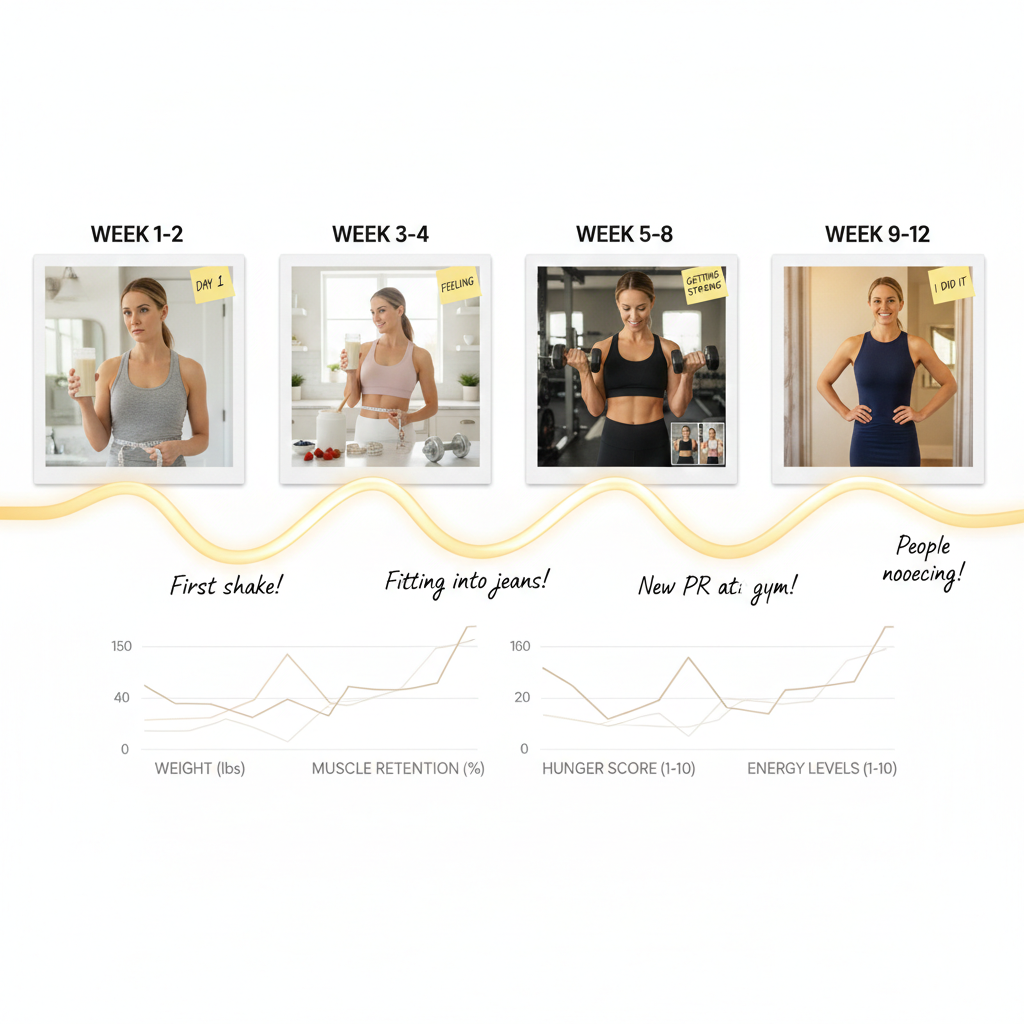
Setting accurate expectations prevents disappointment and helps you stay motivated through your weight loss journey. Here’s what research and real-world experience show about protein powder results.
Timeline for Visible Results
Weeks 1-2: Reduced Hunger and Cravings During the first two weeks, you’ll likely notice decreased hunger and fewer cravings. Higher protein intake triggers satiety hormones and stabilizes blood sugar, making calorie restriction feel easier. However, don’t expect significant scale changes yet.
Weeks 3-4: Initial Weight Loss After three weeks of consistent protein intake with calorie deficit and exercise, you’ll see initial weight loss. Most women lose 2-4 pounds during this period. Additionally, you may notice improved workout recovery and increased energy levels.
Weeks 5-8: Body Composition Changes Between weeks five and eight, body composition changes become noticeable. While scale weight loss may slow (1-2 pounds weekly), you’ll lose inches and notice clothes fitting better. This indicates fat loss with muscle preservation, exactly what protein powder helps achieve.
Weeks 9-12: Significant Visible Changes After consistent effort for 8-12 weeks, visible changes become obvious. Most women lose 8-15 pounds total while maintaining or even building muscle. Progress photos during this period show dramatic differences in body shape and composition.
Realistic Weight Loss Expectations
Research on protein supplementation during weight loss provides clear guidance on realistic results. Studies show that women consuming adequate protein while in a calorie deficit lose 0.5-2 pounds weekly on average.
However, protein powder doesn’t directly cause this weight loss. Instead, it makes achieving and maintaining your calorie deficit easier through increased satiety and preserved metabolism. The actual weight loss comes from your consistent calorie deficit over time.
Realistic 12-week results with protein powder:
- Total weight loss: 8-15 pounds
- Fat loss: 10-18 pounds (higher than weight loss due to muscle gain)
- Muscle maintenance or slight gain: 1-3 pounds
- Waist reduction: 2-4 inches
- Improved strength and energy levels
- Better appetite control and reduced cravings
These results assume consistent protein intake, calorie deficit, regular exercise including strength training, adequate sleep, and stress management. Missing any component will reduce results.
Non-Scale Victories
Weight loss success extends beyond numbers on the scale. Many women experience significant improvements in quality of life even when weight loss is moderate.
Common non-scale victories:
- Increased energy throughout the day
- Better workout performance and faster recovery
- Reduced joint pain and inflammation
- Improved sleep quality
- Better mood and mental clarity
- Clothes fitting looser or dropping sizes
- Compliments from friends and family
- Increased confidence and self-esteem
- Reduced sugar cravings and emotional eating
- More stable blood sugar levels
These victories often matter more than scale weight for long-term success and life satisfaction. Track them alongside weight to maintain motivation during plateaus.
Safety Considerations and Who Should Avoid Protein Powder
While protein powder is generally safe for most women, certain situations require caution or medical consultation before use.
When to Consult Your Doctor First
Speak with your healthcare provider before starting protein powder if you have:
Kidney Disease or Dysfunction: High protein intake can stress compromised kidneys. Women with existing kidney problems should get medical clearance before increasing protein consumption significantly.
Liver Disease: Your liver processes protein metabolism. Liver dysfunction may require modified protein intake under medical supervision.
Pregnancy or Breastfeeding: While protein needs increase during pregnancy and lactation, consult your obstetrician before adding supplements. Some protein powders contain herbs or additives unsuitable during pregnancy.
Diabetes: Protein affects blood sugar differently than carbohydrates. If you take diabetes medication, monitor blood sugar closely when changing protein intake and inform your doctor.
Digestive Disorders: Conditions like IBS, Crohn’s disease, or ulcerative colitis may worsen with certain protein types. Work with a gastroenterologist to find appropriate options.
Potential Side Effects
Most women tolerate protein powder well when used appropriately. However, some experience side effects, particularly when first starting or consuming excessive amounts.
Common side effects:
- Digestive discomfort, gas, or bloating (especially with whey)
- Constipation if fiber and water intake are inadequate
- Headaches from artificial sweeteners in some products
- Skin reactions or acne in sensitive individuals
- Nausea when consuming too much too quickly
How to minimize side effects:
- Start with half servings and gradually increase
- Drink plenty of water throughout the day
- Choose protein powders with minimal additives
- Consider plant-based options if dairy causes issues
- Spread protein intake throughout the day rather than consuming large amounts at once
Interaction with Medications
Protein powder can interact with certain medications, affecting their absorption or effectiveness.
Medications requiring caution:
- Levodopa (Parkinson’s medication): Protein can interfere with absorption
- Thyroid medications: Take protein powder at least 4 hours apart
- Antibiotics: Some protein sources contain calcium that affects absorption
- Blood pressure medications: Monitor as protein may affect blood pressure
Always inform your healthcare provider about all supplements, including protein powder, to avoid potential interactions.
Frequently Asked Questions
Can protein powder help me lose belly fat specifically?
Protein powder cannot target belly fat specifically, as spot reduction is impossible. However, adequate protein intake helps you lose overall body fat while preserving muscle mass. Since many women store excess fat in the abdominal area, you’ll likely notice belly fat reduction as part of total fat loss. Additionally, protein helps reduce the bloating that makes stomachs appear larger.
How many protein shakes should I drink per day for weight loss?
Most women see best results with 1-2 protein shakes daily. One shake works well if you’re getting adequate protein from whole foods in other meals. Two shakes may be appropriate if you struggle to meet protein goals through food alone or have very high protein requirements. Avoid replacing more than two meals daily with shakes, as whole foods provide essential nutrients protein powder lacks.
Will protein powder make me bulky or too muscular?
No, protein powder will not make women bulky. Women have significantly less testosterone than men, making building large muscles very difficult without specific bodybuilding training and nutrition. Instead, adequate protein helps you maintain lean muscle while losing fat, creating a toned, defined appearance rather than bulkiness. The “toned” look many women desire actually comes from having muscle definition, which protein supports.
Is plant-based protein as effective as whey for weight loss?
Research shows plant-based protein can be equally effective for weight loss when consumed in adequate amounts. While whey protein absorbs slightly faster and has higher leucine content, these differences don’t significantly impact weight loss results for most women. Choose plant-based protein if you’re vegan, have dairy allergies, or prefer plant sources. Otherwise, select based on taste preference and digestive tolerance.
When is the best time to drink protein powder for maximum weight loss?
The optimal time depends on your schedule and goals. Post-workout (within 30-60 minutes) works best for muscle recovery and preservation. Morning consumption reduces hunger throughout the day and decreases total calorie intake. Between meals as a snack prevents energy crashes and cravings. Before bed with casein protein prevents muscle breakdown overnight. Ultimately, consistency matters more than perfect timing, so choose times that fit your routine.
Can I use protein powder if I’m over 50?
Yes, protein powder is actually especially beneficial for women over 50. As we age, maintaining muscle mass becomes more challenging due to hormonal changes and decreased protein synthesis. Women over 50 may need even more protein than younger women (up to 1.6 grams per kilogram body weight) to preserve muscle and bone health. Choose easily digestible options and consult your doctor if you have any health conditions.
Final Thoughts
Protein powder for women weight loss works as a powerful tool when used correctly within a comprehensive weight loss strategy. The science clearly shows that adequate protein intake supports fat loss while preserving precious muscle mass that keeps your metabolism elevated.
However, protein powder isn’t a magic solution that works alone. You still need to maintain a calorie deficit through balanced nutrition and regular exercise. Additionally, consistency over 8-12 weeks produces the visible results you’re working toward.
The best protein powder for you depends on your individual preferences, dietary restrictions, and goals. Whey protein isolate offers excellent results for most women who tolerate dairy. Plant-based options like pea or rice protein work equally well for vegan women or those avoiding dairy. Choose quality products with third-party testing and minimal additives.
Remember that whole food protein sources should provide most of your daily intake. Use protein powder strategically for convenience, post-workout recovery, or when whole food protein is unavailable. This balanced approach ensures you get essential nutrients while meeting protein goals sustainably.
Start with one protein shake daily and assess your results after 4 weeks. Track multiple metrics including weight, measurements, progress photos, and how you feel. Adjust protein powder type, timing, or frequency based on your individual response.
Most importantly, pair your protein supplementation with strength training at least 2-3 times weekly. This combination produces the best body composition changes and prevents the muscle loss that often accompanies calorie restriction. For comprehensive guidance on protein needs, review our article on how much protein you need daily.
If you’re ready to optimize your weight loss journey, consider following our anti-bloat meal plan alongside your protein supplementation for faster, more sustainable results.
Scientific References
1. Protein and Satiety American Journal of Clinical Nutrition https://pubmed.ncbi.nlm.nih.gov/25926512/
2. Protein Preserves Muscle During Weight Loss Nutrition Reviews https://pubmed.ncbi.nlm.nih.gov/27511391/
3. Thermic Effect of Protein Nutrition & Metabolism https://pubmed.ncbi.nlm.nih.gov/15723702/
4. Protein Intake Recommendations The Journal of Nutrition https://pubmed.ncbi.nlm.nih.gov/18469287/
5. Protein and Resistance Training The American Journal of Clinical Nutrition https://pubmed.ncbi.nlm.nih.gov/26817506/
6. Whey Protein and Fat Loss Nutrition & Metabolism https://pubmed.ncbi.nlm.nih.gov/18284676/
7. Plant-Based Protein Effectiveness Journal of the International Society of Sports Nutrition https://pubmed.ncbi.nlm.nih.gov/25628520/