

Is Oatmeal Healthy Every Day? Portions, Diabetes & Cholesterol
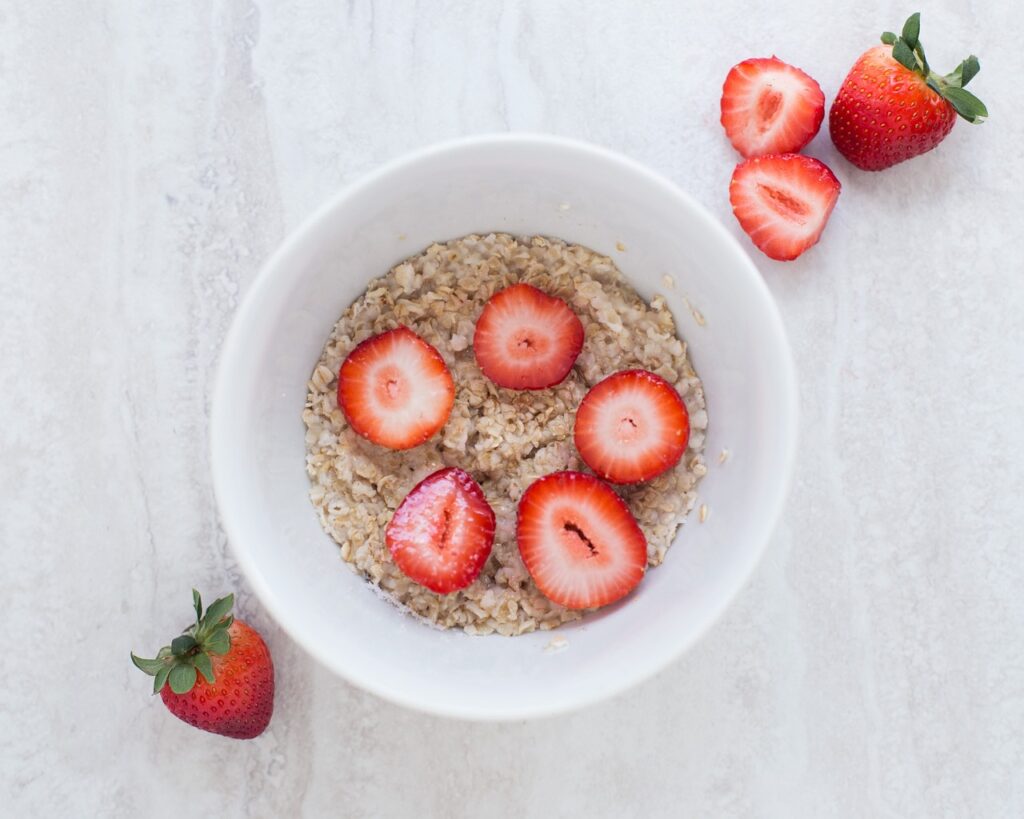
Is oatmeal every day a smart habit or just a bowl of hype? The short answer: a daily bowl is one of the better breakfast choices you can make. But the details matter far more than most people realize.
Last updated: November 13, 2026
You’ve probably heard that oats are good for cholesterol, good for digestion, and good for keeping you full until lunch. What matters is how much to eat — and which of those promises actually hold up in real life.
Quick Answer: Is Oatmeal Healthy Every Day?
For most adults, yes. A standard serving is 40 g of dry rolled oats — about ½ cup, or roughly 150 calories. Want the cholesterol benefit? That takes around 3 g of beta-glucan a day. Which lands closer to 60–85 g of dry oats, or about 55 g of oat bran.
Start at 30 g if you’re watching blood sugar or adding fiber for the first time. And give it 6 weeks before you judge your cholesterol numbers.
Is Oatmeal Every Day Actually Healthy? What the Science Says
Oats earn their reputation from one compound: beta-glucan. It’s a soluble fiber that turns thick and gel-like once it hits your gut.
That gel does two useful things. It slows how quickly your stomach empties. And it binds cholesterol-rich bile acids so your body clears them out.
The cholesterol evidence is the strongest of all. A meta-analysis of 28 randomized trials found that 3 g of oat beta-glucan daily lowers LDL cholesterol by about 0.25 mmol/L. That’s roughly 10 mg/dL.
Total cholesterol dropped by about 0.30 mmol/L in the same review. HDL and triglycerides didn’t budge. And more than 3 g a day didn’t add more benefit.
Blood sugar is the second strong finding. Weight, blood pressure, and regularity are weaker stories.
How Much Oatmeal a Day? A Portion Table by Goal
Whether oatmeal every day does anything for you comes down to the portion. In practice, “a bowl” means wildly different things.
| Your goal | Dry oats | Beta-glucan | Best form |
|---|---|---|---|
| Everyday base | 40 g (½ cup) | ~1.4–2 g | Rolled oats |
| Active or higher calorie | 60–75 g | ~2.4–3.8 g | Rolled or steel-cut |
| Blood sugar start | 30 g | ~1.2–1.5 g | Steel-cut or rolled |
| Cholesterol target | 60–85 g, or about 55 g oat bran | ~3 g or more | Oat bran |
FDA rules require rolled oats to contain at least 4% beta-glucan by dry weight. Oat bran must reach at least 5.5%.
At that 4% floor, 3 g of beta-glucan needs about 75 g of dry oats. Many brands run nearer 5%, which brings it down to about 60 g. So the honest range is 60 to 85 g — check the beta-glucan number on your label.
A standard 40 g serving gets you roughly 1.4 to 2 g. That’s a good everyday bowl. It is not a cholesterol protocol.
Oat bran is the shortcut: about 55 g gets you past 3 g of beta-glucan in a smaller portion than rolled oats — weigh it the first time, then check the beta-glucan number on your label, because brands vary. If you want a portion-first approach to another grain, our guide on how much quinoa to eat per day uses the same logic.
Your 7-Day Oatmeal Every Day Plan
Knowing the numbers is step one. Building the habit is step two. This week adds one skill a day, so nothing feels like homework. If you want more bowl options beyond oats, these high fiber breakfast ideas follow the same portion-first logic.
- Day 1 — Measure your baseline. Use 40 g dry oats and 1 cup of water or milk. Simmer 5 to 10 minutes. Then notice whether you’re hungry again at 11 a.m.
- Day 2 — Fix the toppings. Sweeten with fruit and cinnamon first. A spoon of honey is fine, but three spoons becomes dessert. For a make-ahead weekend version, bake our zucchini oatmeal cups in advance.
- Day 3 — Pair it for blood sugar. Add a tablespoon of nut butter and a spoonful of Greek yogurt. Adding protein to a carbohydrate meal lowered the post-meal glucose response in trial conditions. The protein source mattered far less than its presence. Nut butter also brings fat, which slows the whole meal down.
- Day 4 — Switch to the cholesterol version. Go to 60–85 g, or swap in oat bran. Then hold steady for six weeks before your next lipid panel.
- Day 5 — Adjust for digestion. Constipated? Choose oat bran and add fluid. Loose stools? Cook a smaller serving softer and drink more water.
- Day 6 — Test the weight-loss version. Keep the bowl at 40 g and let it replace a pastry or sweetened cereal. Not add to it.
- Day 7 — Batch cook and travel. Make three days of steel-cut oats at once. For travel, pack 40 g dry oats in a jar and add hot water. If you like a smooth texture, see whether blending oats changes their fiber before you switch methods.
Cook Time at a Glance
Steel-cut on the stovetop: 15–20 minutes. Rolled on the stovetop: 5–10 minutes. Overnight oats: 6 hours or more in the fridge. Microwave rolled oats: 2–3 minutes. Oat bran: 2–3 minutes. Rolled and steel-cut oats are nutritionally close, so pick the one you’ll actually make on a Tuesday.
Cholesterol and Blood Sugar: What Changes, and How Fast
Expect a modest shift on your lipid panel, not a dramatic one. Across 58 randomized trials, beta-glucan at a median 3.5 g a day lowered LDL by about 0.19 mmol/L. Roughly 7 mg/dL.
Pooled data put the real range at 7 to 10 mg/dL, or 5 to 8%. That’s meaningful at the margins. It’s also nowhere near the 23% drop you’ll see quoted online.
Timing matters too. A 2026 meta-analysis found the benefits appear at 3 g a day or more, over at least six weeks. Go longer if your numbers haven’t moved yet.
Blood sugar responds faster. A review of 103 trial comparisons found a 23% lower post-meal glucose response and a 28% lower peak.
But there’s a catch: molecular weight. Beta-glucan only works above roughly 300 kg/mol, and heavy processing breaks that structure down. That’s the real reason instant oats underperform, not just a purist preference.
For people with type 2 diabetes, pooled trial data show 2.5 to 3.5 g a day for 3 to 8 weeks lowered fasting glucose by about 9 mg/dL. HbA1c fell by about 0.2 points. Useful, modest, and never a replacement for medication.
Digestion: Constipation, Diarrhea, and Week-One Bloating
You’ve read that oatmeal prevents constipation. The evidence is thinner than the confidence suggests. The only systematic review of foods for chronic constipation gave oat bran a single study out of 23. Kiwifruit and rye bread had better data.
One small trial did find real promise. Seven to 8 g of oat bran daily let 59% of frail older adults stop using laxatives. Small study, older adults, but worth knowing.
So yes, a fiber-rich bowl helps plenty of people stay regular. If constipation is your main issue, choose oat bran, drink more water, and add kiwifruit to the week.
Now for a common reader question: is oatmeal good for diarrhea? There’s no trial evidence that oats treat it.
Still, a small bowl of plain, well-cooked oatmeal is bland and low-irritant. Many people tolerate it during recovery. Fluids and electrolytes come first, though. Skip chia, dried fruit, and heavy fiber while things are loose. See a clinician if it doesn’t settle within a couple of days, or sooner if you’re dehydrated, feverish, or can’t keep fluids down.
Week-one bloating is common, and the guidance is blunt. Increasing fiber too quickly causes gas, bloating, and cramps. Start at 30 g. Add about 10 g every three to four days. Drink fluids with the bowl. Most people adapt within one to two weeks.
Weight Loss, and Whether Eating Oatmeal at Night Helps or Backfires
Oatmeal is filling, and that part is real. A review of 48 crossover studies found oat and rye fibers beat other cereal fibers for appetite control.
But fullness is not fat loss. Pooled trials show about 0.94 kg of weight change and 1.06 cm off the waist. Real, and small.
Then there’s the trial that should be quoted more often. In 66 overweight women on an identical calorie deficit, adding 5 to 9 g of beta-glucan produced no extra weight loss at all.
Oatmeal works by replacing something worse. Swap a sweetened cereal or a pastry for a 40 g bowl and you cut calories without feeling deprived. That’s the mechanism, and it’s enough.
Does eating it at night help? There’s no evidence a nighttime bowl burns fat while you sleep. What it can do is replace an evening snack that’s worse. If a bowl of oats stops the 9 p.m. run to the cookie jar, that’s a win.
Keep the portion at 40 g and go easy on the honey. Otherwise you’ve added a meal, not swapped one. And if you want a treat, our oatmeal cookies are still cookies — enjoy them as dessert, not as breakfast.
Side Effects and Who Should Be Careful
Oats are low-risk for most people. A few situations need more attention.
- Celiac disease. Oats are naturally gluten-free, but mills handle wheat. Only buy oats labeled gluten-free or “pure, uncontaminated.” A minority of people with celiac disease still react to avenin, the oat protein, so check with your clinician first.
- Sensitive digestion. Ramp up slowly and drink water with the bowl. Bloating that lasts past two weeks deserves a conversation with your doctor.
- Type 2 diabetes on insulin or glucose-lowering drugs. Portions count, and so does what you eat with the oats. Test your glucose to see how your body responds.
- Flavored instant packets. Added sugar is often the first or second ingredient — check the “added sugars” line and compare it with plain oats, which list about 0–1 g per serving. Plain oats plus your own toppings is the better default.
One Important Note
Oats support heart health. They do not replace a statin, a blood pressure medication, or any prescribed treatment. If you take medication, keep taking it and talk to your clinician before changing your diet to manage a condition.
How we researched this
We reviewed 14 sources, including meta-analyses, randomized controlled trials, systematic reviews, and government health agencies.
This article is for general information and is not a substitute for advice from your doctor or dietitian.
Frequently Asked Questions
Can you eat too much oatmeal?
You can, in the sense that any single food can crowd out others. Two large bowls a day can push fiber very high and leave less room for protein, healthy fats, and vegetables. One or two servings is plenty for most adults.
Is instant oatmeal bad for people with diabetes?
It’s the least favorable form, not a forbidden one. Instant oats are processed more finely, so they raise glucose faster. Use a smaller portion, pair it with protein and fat, and cap the flavored packets.
Are oats gluten-free?
Naturally, yes. In practice, cross-contact at the mill is common. If you have celiac disease, buy oats certified gluten-free and confirm with your clinician before making them a daily habit.
What’s the healthiest way to cook oatmeal?
Stovetop rolled or steel-cut oats with water or milk, plus protein and fruit. Skip the sugar packet. A savory bowl with an egg and scallion is a great low-sugar option if sweet breakfasts aren’t your thing.
Does oatmeal help cholesterol if I eat it every day?
Yes, if you hit the dose. That means roughly 60–85 g of dry oats, or about 55 g of oat bran, most days for at least six weeks. A 40 g bowl is a healthy habit, but it delivers about half the beta-glucan you need for that goal.
The Bottom Line
Oatmeal every day is a genuinely good habit — as long as you match the portion to the goal. Use 40 g as your everyday base. Push to 60–85 g or switch to oat bran if cholesterol is the target, and give it six weeks.
Start at 30 g if your gut is new to fiber, drink water with the bowl, and don’t expect oats to outrun a calorie surplus. The habit, the portion, and the toppings do the work.