

The Best Bread for Blood Pressure, Dietitians Say
Key Takeaways
- Sprouted whole-grain bread is the top pick from dietitians for supporting healthy blood pressure.
- The sprouting process reduces antinutrients, making key minerals like potassium and magnesium easier for your body to absorb.
- Use our label-reading checklist: aim for ≤140mg sodium, ≥3g fiber, and a sprouted whole grain as the first ingredient per slice.
- What you put on your bread matters just as much — choose low-sodium toppings like avocado, hummus, or grilled chicken.
- The DASH diet, the gold standard for lowering blood pressure, includes 6-8 daily servings of whole grains — bread absolutely fits.
Picture this: you’re standing in the bread aisle, trying to make a healthy choice. You know you should watch your blood pressure, and you’ve heard that bread can be a sneaky source of sodium. But do you really have to give up your morning toast or lunchtime sandwich?
Here’s the good news: absolutely not. In fact, choosing the right bread for blood pressure can actually be a smart move for your heart health. The key is knowing what to look for — and that’s exactly what we’re going to cover. Think of this as your personal grocery store guide, backed by dietitians and the latest research.
Quick Answer: Can You Eat Bread If You Have High Blood Pressure?
Yes — and you don’t have to feel guilty about it. The DASH diet, which is the gold standard for managing hypertension, recommends 6-8 servings of grains per day. The trick is choosing sprouted whole-grain bread and being mindful of sodium and fiber content. One slice of the right bread can actually support better blood pressure.
The Evidence: What Science Says About Whole Grains and Blood Pressure
Let’s start with the big picture. A large-scale meta-analysis of 9 prospective studies published in 2025 found that people who ate the most whole grains had a 26% lower risk of developing high blood pressure compared to those who ate the least. Even more impressive? For every 90-gram serving of whole grains per day — that’s about three slices of whole-grain bread — the risk dropped by 14%.
Another prospective cohort study on whole grain intake and new-onset hypertension followed nearly 11,000 people for seven years. The results were striking: those with the highest whole grain intake had a 65% lower risk of developing hypertension. And here’s what I find really interesting — even moderate intake showed a 48% risk reduction.
An umbrella review of 25 meta-analyses confirmed that whole grain consumption is effective for managing hypertension, along with diabetes, high cholesterol, and inflammation. The evidence is remarkably consistent.
Why Sprouted Whole-Grain Bread Is the Best Bread for Blood Pressure
So we know whole grains are good. But why do dietitians specifically recommend sprouted whole-grain bread? Let me explain what’s actually happening.
When a grain sprouts, it activates enzymes that break down something called phytate — a compound that can block mineral absorption. Research on how sprouting improves mineral absorption shows that this process makes minerals like iron, zinc, and calcium more available. The same mechanism is thought to benefit other minerals, including magnesium, which is important for blood pressure regulation.
And those two minerals? They’re blood pressure powerhouses. Potassium helps counteract the effects of sodium, while magnesium helps blood vessels relax. Together, they’re a dynamic duo for keeping your numbers in check.
The Sprouting Advantage at a Glance
Regular whole-wheat bread: Contains whole grains, but phytates may block some mineral absorption.
Sprouted whole-grain bread: The sprouting process reduces phytates, making potassium and magnesium easier to absorb. Many brands are also naturally lower in sodium.
White bread: Lacks the bran and germ entirely — minimal fiber, few minerals, and often higher in sodium and added sugars.
What About Fiber?
You’ve probably heard that fiber is good for your heart. But here’s a nuance that most articles miss: it’s not just any fiber that helps. A 2026 study on whole-grain versus refined grain fiber and hypertension from the UK Biobank found that whole-grain fiber significantly reduced hypertension risk — but refined grain fiber showed no benefit at all.
What does this mean for you? The fiber in whole-grain bread works together with the potassium, magnesium, and other compounds in the grain. It’s the whole package that matters, not just the fiber count. That’s why swapping white bread for whole-grain or sprouted bread makes such a difference.
What the DASH Diet Says About Bread
The DASH diet — Dietary Approaches to Stop Hypertension — is the most researched eating plan for lowering blood pressure. And guess what? It includes bread. The NHLBI DASH eating plan guidelines recommend 6-8 servings of grains per day, with an emphasis on whole grains. One slice of bread counts as one serving.
The Mayo Clinic’s DASH diet guide confirms that whole grains are a core component. The standard DASH plan limits sodium to 2,300 mg per day, with a lower-sodium version at 1,500 mg. A slice of sprouted bread with 75-140 mg of sodium fits easily into either target.
Your Bread Shopping Cheat Sheet for Better Blood Pressure
Here’s the practical part you’ve been waiting for. Next time you’re in the bread aisle, here’s exactly what to look for. I’d recommend saving this or taking a photo with your phone.
The 4-Point Label Check
1. First ingredient: Look for “sprouted whole grain” or “100% whole grain” as the very first ingredient. If it says “enriched wheat flour” or “unbleached flour,” put it back.
2. Sodium per slice: Aim for 140 mg or less. Some sprouted breads like Ezekiel have just 75 mg per slice — that’s excellent.
3. Fiber per slice: Look for at least 3 grams. This ensures you’re getting the whole-grain benefits.
4. Added sugars: Choose bread with 0 grams of added sugar. Blood sugar spikes can affect blood pressure, so keeping added sugars low matters.
Brands Worth Trying
While I can’t endorse specific brands, here are some widely available options that meet the criteria above. Always check the label since formulations can change.
Quick Brand Comparison
Ezekiel 4:9 (Food for Life): ~80 calories, 75mg sodium, 3g fiber, 5g protein, 0g sugar per slice. Made from sprouted grains and legumes. Nutrition information based on product labels as of publication. Widely available in freezer section.
Dave’s Killer Bread (thin-sliced): ~70 calories, 100-130mg sodium, 3g fiber, 4g protein, 1g sugar. Look for the “21 Whole Grains” variety. Values are approximate and based on product labels at time of writing. The thin-sliced option helps with portion control.
Silver Hills Bakery: ~80 calories, 95-110mg sodium, 3g fiber, 5g protein, 0g sugar. Another sprouted grain option available in many natural food stores. Values are approximate and based on product labels at time of writing.
Generic store brand 100% whole wheat: ~70-90 calories, 120-180mg sodium, 2-3g fiber. Check labels carefully — sodium varies widely. Some store brands are excellent; others are surprisingly high in sodium.
What to Put on Your Bread
Here’s something dietitians emphasize: what you put on your bread matters just as much as the bread itself. A healthy slice can quickly become a sodium bomb if you top it with high-sodium deli meats or processed spreads.
Try these blood-pressure-friendly toppings instead:
- Avocado — rich in potassium and healthy fats
- Hummus — fiber-rich and low in sodium compared to most spreads
- Grilled chicken or turkey — much lower in sodium than deli meats
- Canned tuna (rinsed) — rinse to remove excess sodium
- Nut butter — choose unsalted varieties
- Fresh vegetables — tomatoes, cucumbers, lettuce add potassium and fiber
What About Other Bread Options?
Sprouted whole-grain bread is the top choice, but it’s not the only option. Here’s how other breads stack up for blood pressure:
Other Bread Options Ranked
100% whole wheat: Good choice. Look for “100% whole wheat” as first ingredient. Check sodium — some brands add more salt than sprouted breads.
Sourdough: The fermentation process also reduces phytates, similar to sprouting. Can be a good option if made with whole-grain flour. Check sodium content.
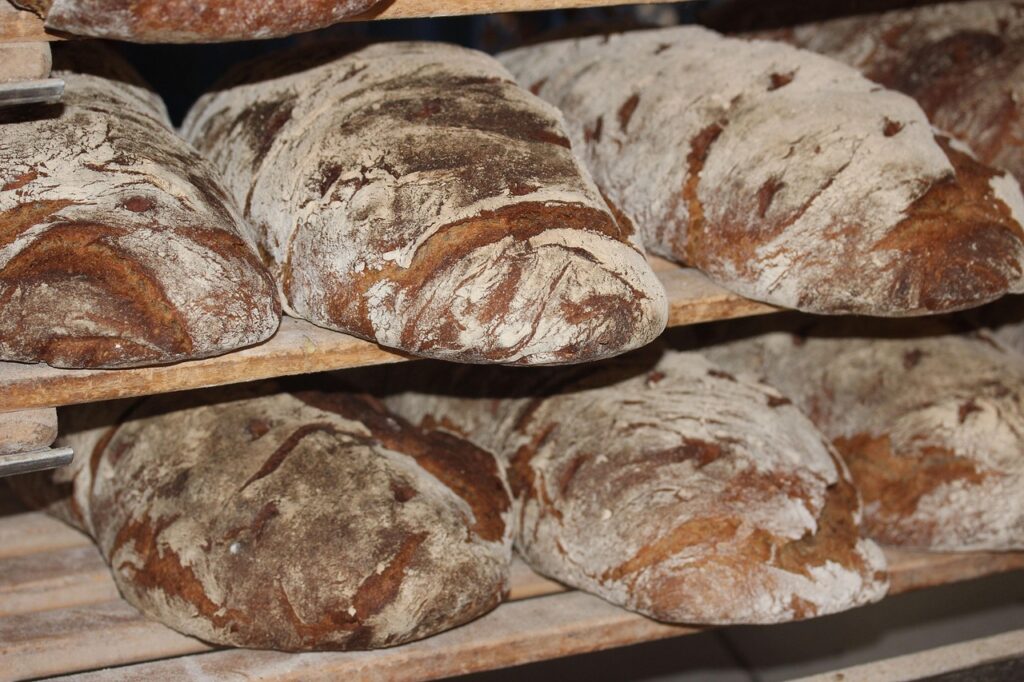
Rye or pumpernickel: Dense and nutrient-rich. Look for “100% whole rye” and check for added sugars. Some commercial rye breads are mostly refined flour.
Multigrain: This label can be misleading. “Multigrain” just means multiple grains — they could all be refined. Always check that whole grains are listed first.
White bread: Lowest in fiber and nutrients. Often higher in sodium and added sugars. Not recommended for blood pressure management.
Frequently Asked Questions
How many slices of bread can I eat per day?
The DASH diet allows 6-8 grain servings daily, and one slice of bread equals one serving. So 2-3 slices per day is perfectly reasonable — just make sure the rest of your grain servings come from other whole grains like oats, quinoa, or brown rice.
Is Ezekiel bread good for blood pressure?
Yes. Ezekiel bread has just 75mg of sodium per slice (well below the 140mg target), 3g of fiber, and is made from sprouted grains. It’s an excellent choice for blood pressure management.
Is sourdough bread good for blood pressure?
Sourdough can be a good option because the fermentation process reduces phytates, similar to sprouting. However, check the label — many commercial sourdoughs are made with refined flour and can be high in sodium. Look for 100% whole-grain sourdough with ≤140mg sodium per slice.
What about gluten-free bread?
If you have celiac disease or gluten sensitivity, look for gluten-free breads made with nutrient-dense flours like buckwheat, teff, sorghum, or quinoa. Be aware that many gluten-free breads are higher in added sugars and lower in fiber than whole-grain options. Check sodium content carefully.
The Bottom Line
You don’t have to give up bread to manage your blood pressure. In fact, choosing the right bread can be a simple, sustainable daily swap that supports your heart health. The evidence is clear: whole grains — especially sprouted whole grains — are linked to lower blood pressure and reduced hypertension risk.
Here’s your takeaway: next time you’re at the store, grab a loaf of sprouted whole-grain bread. Check that it has ≤140mg sodium and ≥3g fiber per slice. Pair it with low-sodium toppings like avocado, hummus, or grilled chicken. And enjoy your sandwich without the guilt.
One small swap. One big difference for your health.