
Is Catfish Healthy? 7 Surprising Nutritional Benefits + Healthy Preparation Guide
Is catfish healthy enough to earn a regular spot on your plate? If you grew up eating it fried at family cookouts, you might be surprised to learn that catfish — prepared the right way — is one of the most nutritious, budget-friendly fish available. Understanding whether catfish is healthy for women means looking beyond the frying pan and into its impressive nutritional profile, honest risk factors, and the preparation methods that bring out its best benefits.
Quick Answer: Is Catfish Healthy?
Yes — catfish is a lean, high-protein fish with meaningful amounts of omega-3 fatty acids, vitamin B12, selenium, and phosphorus. It’s lower in mercury than many popular fish, making it a safe choice for most women. The key is preparation: baked, grilled, or air-fried catfish delivers genuine nutritional benefits, while deep-fried versions add significant calories and unhealthy fats.
Why “Is Catfish Healthy?” Is a Question Worth Asking
Catfish has a reputation problem. For many people, it’s synonymous with deep-fried Southern cooking — battered, crispy, and served with coleslaw. That association has led a lot of health-conscious women to write it off entirely. That’s a mistake worth correcting.
The truth is, catfish is one of the most consumed fish in the United States, and for good reason. It’s affordable, widely available, and genuinely nutritious when prepared well. The question isn’t really whether catfish itself is healthy — it’s whether the way most people eat it is healthy. Those are two very different things.
For women focused on weight management, hormonal balance, and long-term wellness, catfish deserves a closer look. Let’s break down exactly what the science says — benefits, risks, and everything in between.
Catfish Nutrition Facts: What You’re Actually Getting
Before we dive into the benefits, let’s anchor everything in real numbers. According to the USDA FoodData Central, a 3-ounce (85g) serving of cooked wild catfish provides:
- Calories: 105
- Protein: 18.5g
- Total Fat: 2.9g
- Omega-3 Fatty Acids: ~200–400mg
- Vitamin B12: 2.1mcg (88% DV)
- Selenium: 12.6mcg (23% DV)
- Phosphorus: 215mg (17% DV)
- Potassium: 296mg
- Vitamin D: ~425 IU
What stands out here? Catfish is a high-protein, low-calorie fish with a broad micronutrient profile — very similar to other lean proteins women rely on for healthy weight management. And as you’ll see next, those numbers translate to some surprising health benefits.
7 Surprising Health Benefits of Catfish for Women
1. Catfish Is a Lean, High-Protein Food That Supports Weight Management
With nearly 19 grams of protein in a 3-ounce serving and only 105 calories, catfish is genuinely one of the better lean proteins available. Protein is the most satiating macronutrient — meaning it keeps you fuller longer and helps reduce overall calorie intake. If you’re tracking macros for weight loss, catfish fits easily into a high-protein, calorie-controlled eating pattern.
Research consistently shows that higher protein intake supports lean muscle preservation during weight loss — especially important for women over 40 whose muscle mass naturally begins to decline. For more on how much protein women actually need, see our guide on daily protein requirements.
2. Omega-3 Fatty Acids Support Heart and Hormonal Health
Catfish contains modest but meaningful amounts of omega-3 fatty acids, particularly DHA and EPA. These essential fats play a key role in cardiovascular health, reducing inflammation, and supporting hormonal balance. Research published in Nutrients confirms that omega-3 intake is associated with reduced risk of cardiovascular disease in women, particularly during perimenopause and beyond.
While catfish isn’t as omega-3 rich as salmon, it still provides a solid foundation — especially compared to non-seafood proteins. Women who don’t eat fish regularly can meaningfully increase their omega-3 intake by incorporating catfish 1–2 times per week. For comparison, check out our breakdown of salmon’s health benefits for women.
3. Vitamin B12 Helps Combat Fatigue and Supports Brain Health
A single serving of catfish provides nearly 90% of the daily recommended value of vitamin B12. This is significant — B12 deficiency is surprisingly common among women, particularly those following plant-based diets or those over 50 whose absorption naturally decreases. B12 is essential for red blood cell production, DNA synthesis, and neurological function.
Low B12 levels are a common — and often overlooked — cause of persistent fatigue, brain fog, and mood changes in women. Getting it from whole food sources like catfish is more bioavailable than many supplements.
4. Selenium Supports Thyroid Function and Immune Health
Catfish provides about 23% of the daily value of selenium per serving — a mineral that’s critical but frequently underappreciated. Selenium acts as a cofactor for enzymes that regulate thyroid hormone metabolism. Research published in PMC shows that selenium deficiency is directly linked to thyroid dysfunction, which disproportionately affects women.
Beyond thyroid health, selenium plays a powerful antioxidant role — protecting cells from oxidative damage and supporting a healthy immune response. For women focused on hormonal balance through food, selenium-rich proteins like catfish are worth prioritizing.
5. Catfish Is Relatively Low in Mercury
Mercury concerns keep many women away from fish altogether — and that’s actually the wrong call for most of them. According to the FDA’s mercury monitoring data, catfish averages just 0.025 ppm of mercury — placing it firmly in the “best choices” category alongside shrimp, salmon, and tilapia.
This makes catfish a genuinely safe fish to eat 2–3 times per week, even for pregnant women. Avoiding fish due to mercury fears often does more harm than good, since the nutrients in fish (especially omega-3s and B12) are critical for women’s health at every life stage.
6. Vitamin D Supports Bone Density and Mood
Vitamin D deficiency is epidemic among women — especially those who live in northern climates, work indoors, or have darker skin tones. Catfish is one of the few food sources that naturally contains vitamin D, providing a meaningful contribution toward the daily requirement.
Vitamin D isn’t just about bones. It plays a critical role in mood regulation, immune function, and metabolic health. According to the NIH Office of Dietary Supplements, adequate vitamin D is associated with reduced risk of depression, better insulin sensitivity, and lower all-cause mortality in women.
7. Phosphorus Supports Bone Health and Energy Metabolism
Catfish provides about 17% of the daily value for phosphorus per serving. Most people associate bone health with calcium alone — but phosphorus is calcium’s essential partner. Approximately 85% of the body’s phosphorus is stored in bones and teeth. Beyond bone density, phosphorus plays a critical role in ATP production, which is essentially how your body generates cellular energy.
For women over 40 focused on healthy aging and maintaining bone density, incorporating phosphorus-rich proteins like catfish is a practical dietary strategy worth considering alongside a broader approach to optimal wellbeing after 60.
Is Catfish Healthy Compared to Other Fish?
One of the most common questions women ask is how catfish stacks up against other popular fish. Here’s an honest comparison.
Catfish vs. Salmon: Salmon wins on omega-3 content — it contains significantly more DHA and EPA per serving. However, catfish is lower in calories and fat, making it a better choice for women in a calorie deficit. Both are excellent protein sources. If you eat salmon regularly, catfish is a budget-friendly complement, not a replacement.
Catfish vs. Tilapia: These two are nutritionally similar — both lean, mild-flavored white fish with comparable protein content. Catfish has a slight edge in omega-3 fatty acids and tends to have a more complex flavor profile. Both are equally low in mercury.
Catfish vs. Tuna: Canned tuna is a nutrition powerhouse, but mercury is a legitimate concern with frequent consumption. Catfish is significantly lower in mercury, making it safer for regular weekly meals.
Wild-Caught vs. Farm-Raised Catfish: Does It Matter?
Yes, it does — but not as dramatically as some sources suggest. U.S. farm-raised catfish is produced under strict regulatory oversight and is generally considered a sustainable, low-contaminant choice. Wild-caught catfish can have slightly higher omega-3 content depending on diet, but the difference is modest. The bigger factor is freshness and preparation method rather than farming status. Look for catfish labeled “U.S. farm-raised” for the most reliable quality assurance.
Is Fried Catfish Healthy? What You Need to Know
Let’s be straightforward here. Traditional deep-fried catfish — coated in cornmeal and submerged in hot oil — transforms a lean, nutritious fish into a high-calorie, high-fat meal. A deep-fried catfish fillet can easily contain 400–500 calories and 20+ grams of fat, depending on portion size and oil type.
The protein and micronutrients are still there underneath the breading. However, the added calories and inflammatory fats (especially if fried in highly refined vegetable oils) offset many of the health benefits. If you’re eating fried catfish occasionally at a restaurant or family gathering, that’s completely fine. But if you’re asking “is fried catfish healthy enough for regular weekly meals?” — the answer is probably not.
The good news is that catfish takes extremely well to healthier cooking methods. You don’t have to sacrifice flavor to make it genuinely nutritious.
How to Prepare Catfish the Healthy Way: 5 Methods
1. Baked Catfish
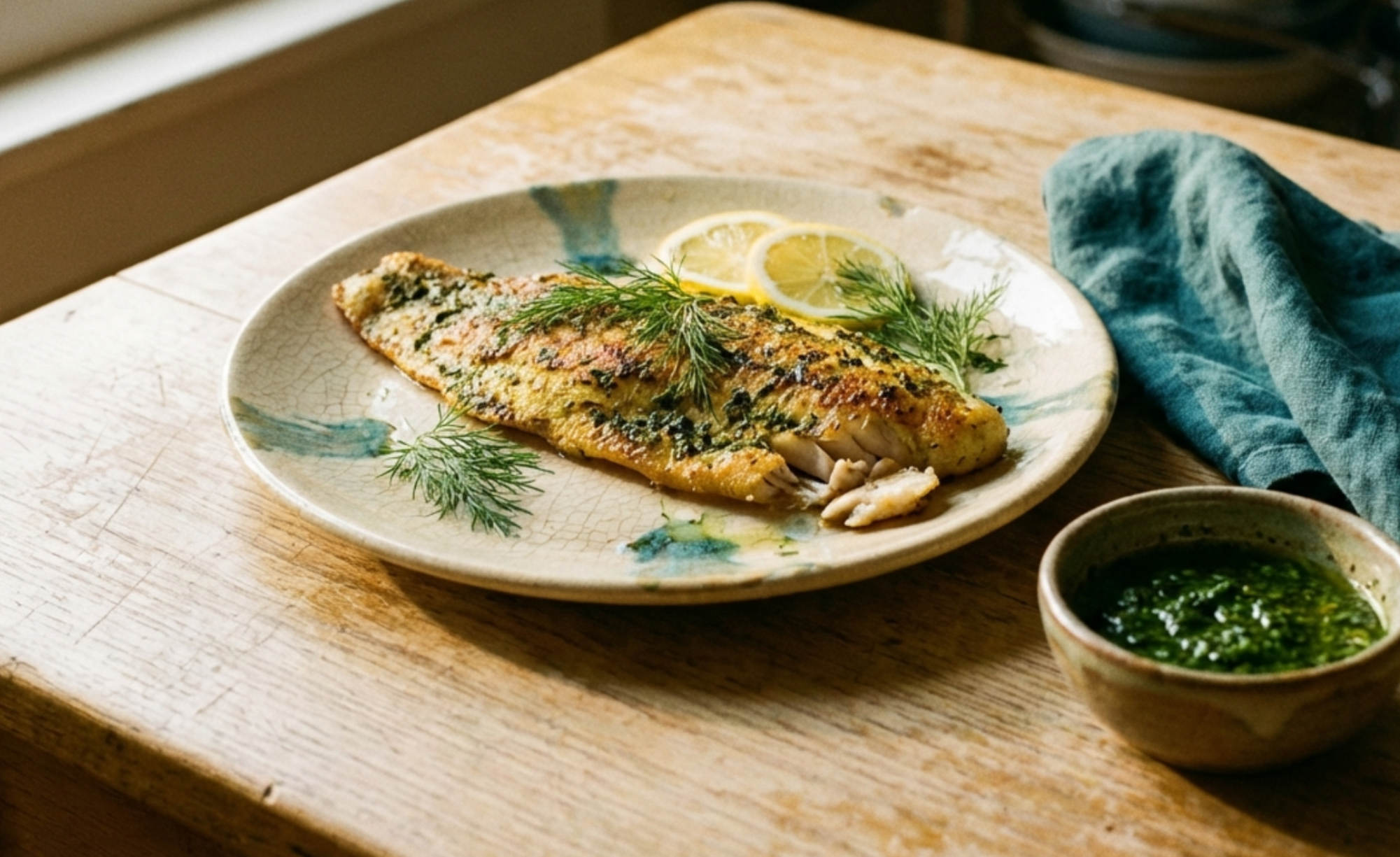
Baking is one of the simplest and most nutritious preparation methods. Season fillets with lemon juice, garlic, paprika, and herbs, then bake at 400°F for 15–20 minutes. You preserve all the protein and micronutrients with minimal added fat. This is the preparation method that keeps catfish firmly in the “is catfish healthy” YES column.
2. Grilled Catfish
Grilling adds a smoky char that elevates catfish beautifully. Brush with a small amount of olive oil, season generously, and grill over medium-high heat for 4–5 minutes per side. The high heat caramelizes the natural sugars in the fish, creating depth of flavor without any batter or coating.
3. Air-Fried Catfish
Want the crispy texture of fried catfish without the calorie load? Air frying delivers exactly that. Coat fillets lightly in seasoned almond flour or whole grain breadcrumbs, spray with olive oil, and air fry at 400°F for 10–12 minutes. You get the crunch with a fraction of the fat. This pairs beautifully with a clean, anti-bloat meal plan.
4. Pan-Seared Catfish
A cast iron skillet with a small amount of avocado oil or ghee creates a beautiful golden crust without deep frying. Season the fillets with Cajun spice blend, sear for 3–4 minutes per side over medium-high heat. The result is restaurant-quality catfish with complete nutritional integrity.
5. Poached Catfish
For the absolute leanest preparation, poaching catfish in seasoned broth or coconut milk produces tender, flavorful fish with zero added fat. This method works especially well in soups, stews, and curry-style preparations. It’s also one of the most digestively gentle cooking methods — ideal for women with sensitive digestive systems.
What Does Catfish Taste Like?
Catfish has a mild, slightly sweet flavor with a firm, meaty texture — often compared to tilapia but with more depth. Wild-caught catfish can have a slightly stronger, earthier taste, while U.S. farm-raised catfish tends to be milder and cleaner. The mild flavor makes it highly versatile — it takes well to bold seasoning, delicate herbs, citrus, and both Asian and Southern-inspired flavor profiles.
Potential Risks and Honest Considerations
No honest nutrition article skips the risk section, and catfish is no exception. Here’s what to actually be aware of.
Imported Catfish Quality: Not all catfish sold in U.S. markets is domestic. Imported catfish (often labeled as “basa” or “swai”) from certain countries may have fewer regulatory safeguards. The FDA has flagged certain shipments of imported catfish for antibiotic residue concerns. Choosing catfish labeled “Product of USA” or “U.S. farm-raised” significantly reduces this risk.
Omega-6 to Omega-3 Ratio: Farm-raised catfish that are fed grain-based diets tend to have a higher omega-6 to omega-3 ratio than wild-caught varieties. While the omega-3 content is still present, consuming very high omega-6 intake relative to omega-3 is associated with increased inflammation. Balancing catfish consumption with other omega-3 rich foods and limiting processed seed oils in your overall diet addresses this concern effectively.
Allergies: Fish allergy is among the most common food allergies in adults. If you have a known fish allergy, catfish is not a safe option regardless of its nutritional profile. Consult an allergist before introducing any new fish species if you have a history of fish-related reactions.
Portion and Preparation Still Matter: As discussed above, deep-frying dramatically changes catfish’s nutritional value. Even the healthiest fish can become problematic when the preparation method adds 300+ calories per serving. The fish itself is healthy — the cooking method makes the difference.
How Often Should Women Eat Catfish?
The FDA and EPA recommend that most adults eat fish 2–3 times per week as part of a healthy diet. Catfish falls into their “best choices” category, meaning it’s safe to eat up to 2–3 servings per week without concern. For pregnant women, the recommendation is 2–3 servings per week from the “best choices” list — and catfish qualifies.
Is Catfish Good for Weight Loss?
Yes — when prepared without deep frying. Catfish is a high-protein, low-calorie protein source that fits well into a calorie-controlled eating pattern. Its protein content supports satiety and muscle preservation during weight loss. For women over 40 navigating metabolic changes, lean proteins like catfish are an excellent dietary foundation. See our guide on weight loss for women over 40 for a complete framework.
Is Catfish High in Cholesterol?
Catfish contains approximately 65–70mg of cholesterol per 3-ounce serving, which is moderate. Current dietary guidelines have moved away from strict cholesterol limits, recognizing that dietary cholesterol has less impact on blood cholesterol than saturated fat intake for most people. The small amount of saturated fat in catfish (under 1g per serving) is unlikely to negatively impact heart health in the context of an overall balanced diet.
Is Catfish a Heart-Healthy Food?
Yes, prepared the right way. Catfish’s lean protein, omega-3 fatty acids, and low saturated fat content support cardiovascular health. The American Heart Association recommends eating fish at least twice a week, and catfish qualifies as a heart-healthy option. Avoid deep-frying if cardiovascular health is a priority — opt for baked, grilled, or air-fried preparations instead. Learn more about heart-healthy eating for women.
What Are the Best Seasonings for Healthy Catfish?
Catfish’s mild flavor pairs exceptionally well with: lemon and herbs (dill, parsley, thyme), Cajun or Creole spice blends, garlic and paprika, ginger and soy-based marinades, and cumin-lime combinations. Using bold seasonings reduces the temptation to add high-calorie sauces or batters. Fresh herbs, citrus, and spices add flavor with essentially zero caloric cost.
The Bottom Line: Is Catfish Healthy?
The answer is a clear yes — with the right preparation. Catfish is a lean, high-protein fish that delivers meaningful amounts of omega-3 fatty acids, vitamin B12, selenium, vitamin D, and phosphorus. It’s low in mercury, budget-friendly, and widely available. For women focused on healthy weight management, hormonal balance, and long-term cardiovascular health, catfish belongs in regular rotation.
The only version of catfish that undermines its health credentials is the deep-fried variety — and even that’s fine occasionally. The fish itself is genuinely nutritious. What you do with it in the kitchen determines whether those benefits reach your plate.
Try baked catfish with lemon and herbs this week. Or air-fry it with a light Cajun crust. You might discover that one of the most underrated fish in American cuisine has been waiting on your menu all along — and the nutritional payoff is well worth exploring.