

how much green tea is too much
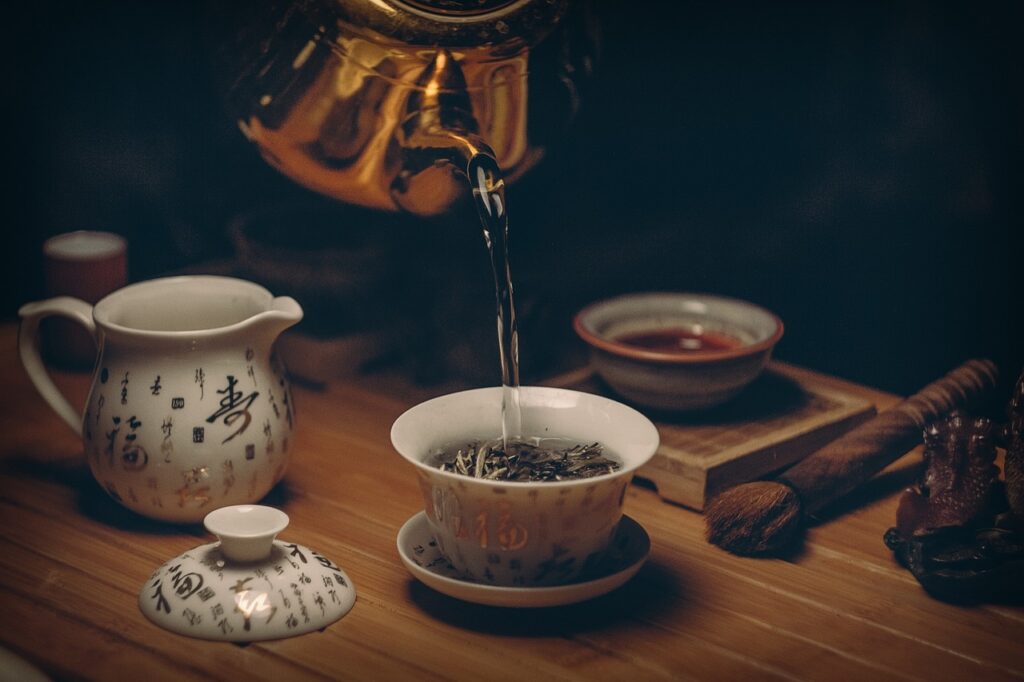
Quick Answer: How Much Green Tea Is Too Much?
How much green tea is too much depends on the format you drink. For most healthy adults, brewed green tea is comfortable at 3–5 cups a day — about 700–1,200 ml and 75–200 mg of caffeine. The trouble zone starts near 8–10 cups daily. The genuine danger line sits in capsules: supplemental EGCG at 800 mg a day or more can raise liver enzymes.
Last updated: November 24, 2026
You pour a third cup at 3 pm and pause. Green tea feels like the safest drink in the kitchen, so the question of how much green tea is too much rarely comes up. It should, because there is a real ceiling and it comes with numbers.
Here is the short version: the cup in your hand is not the risky part. The capsule in a fat-burner bottle is. Below you’ll find cup counts, caffeine math, timing rules, and the exact symptoms that mean stop.
How Much Green Tea Is Too Much? The Three-Zone Answer
Think of it as three zones rather than one single limit. Each zone has a different reason behind it, and each one asks something different of you.
In zone one, brewed tea is genuinely low-risk. The European Food Safety Authority reviewed the catechins in green tea in 2018 and concluded that traditionally prepared infusions are generally safe at usual intakes. The NIH says it just as plainly: no safety concerns have been reported for green tea consumed as a beverage by adults.
Zone two is where most women notice something. Somewhere past 8 to 10 cups a day, caffeine and tannins start to make themselves known. Sleep frays. Your stomach complains. Iron absorption drops. None of that is organ damage — it is your body telling you the dose is high for the day.
Zone three is the one that matters clinically. A green tea extract capsule can deliver several hundred milligrams of EGCG in one swallow. EFSA found that 800 mg a day or more, taken as a supplement, raises serum transaminases in controlled trials. The same review could not identify a safe supplemental dose below that figure.
Now the arithmetic. The FDA sets 400 mg of caffeine a day as a level not generally linked to harm for most adults. One cup of green tea carries roughly 25 to 40 mg. Divide it out and you get 10 to 16 cups.
That number is not a target. Four hundred milligrams is a threshold, not a recommended intake. Long before cup sixteen, your sleep and your stomach will object. So how much green tea is too much in practice? Anything past five cups that costs you sleep — or any extract capsule taken on an empty stomach.
How Much Green Tea Per Day: A Dose Table by Format
Cup counts only work if every cup is the same size and strength. They aren’t. Format changes the caffeine dose, changes the catechin dose, and changes risk most of all.
| Format | Caffeine | EGCG | Risk |
|---|---|---|---|
| Brewed tea, 1 cup (8 oz) | About 25–40 mg | A full day of brewed tea delivers about 90–300 mg total | Low — no liver signal reported |
| Matcha, 1 bowl | Higher than a steeped cup | Higher — you swallow the whole leaf | Low to moderate — count it as more than one cup |
| Extract capsule | Varies widely by product | Products range from 5 to 1,000 mg per day | Documented liver injury risk |
Two things stand out there. First, brewed tea and matcha sit in a completely different risk category from capsules. Second, extract labels vary enormously. The bottle next to yours on the shelf may carry a fraction of the EGCG.
That variability is its own warning. Dietary supplements are not approved by the FDA before they are sold, so nobody checks the catechin content for you. You cannot dose a product reliably when the active content swings that widely.
For the caffeine-and-catechin side of the story, our guide to green tea benefits covers what the drink does well. This article is about where to stop.
When Green Tea Stops Feeling Good: Sleep, Jitters, and Reflux
Caffeine hangs around for hours. If your last cup lands at 5 pm, a chunk of it is still circulating at 11 pm. The fix is boring and it works: move your final cup to early afternoon.
If you want something warm after dinner, a caffeine-free herbal tea is the easier swap. Our guide to how much chamomile tea before bed walks through the evening option step by step.
The FDA lists the classic signs of too much caffeine: a racing heart, palpitations, higher blood pressure, insomnia, anxiety, jitters, upset stomach, nausea, and headache. If any of those show up after cup four, you have your answer.
Reflux is the quieter issue. Many women find tea on an empty stomach harsher than tea after a meal. A sour taste or mild nausea mid-morning usually means eat first, drink later.
Cutting back suddenly has its own cost. Caffeine withdrawal is unpleasant rather than dangerous, so step down over a week instead of quitting cold.
Green Tea and Iron: The One-Hour Rule
Tea polyphenols bind the iron found in plants before your body can absorb it. A review of the evidence on tea and iron status found clear support that tea drinking limits non-heme iron absorption — the iron in beans, lentils, spinach, and fortified grains.
How much absorption drops varies. It depends on brew strength, what else is on the plate, and how much iron you already have stored. What the research does support is a simple timing rule.
Drink tea between meals, not with them. Then wait at least an hour after eating before your next cup. That one habit protects absorption without giving up tea at all.
If your ferritin runs low, or your periods are heavy, this matters more. Take iron tablets with water rather than tea, and keep the cup well away from the tablet. Healthy readers with no anemia risk do not need to restrict tea at all.
Green Tea Extract and Your Liver: Where the Real Line Sits
This is the part that turns a gentle drink into a serious question. Green tea extract is a well-established cause of liver injury, and the evidence behind that statement is not thin.
EFSA reviewed human trials and found that 800 mg of EGCG a day or more, taken as a supplement, produced statistically significant rises in serum transaminases. That is a liver enzyme signal.
One detail gets lost in the retelling. EFSA also said it could not identify a safe supplemental dose below 800 mg. The number is a problem threshold, not a permitted limit.
A separate review by the United States Pharmacopeia looked at published case reports. Those reports tied liver injury to EGCG intakes from 140 mg up to about 1,000 mg a day. That range tells you something useful: susceptibility varies a lot between people.
The NIH’s LiverTox database rates green tea extract as a well-established cause of clinically apparent liver injury. More than 100 cases have been published. Most appear within one to six months of starting the product.
In one large prospective trial, ALT levels rose in 6.7 percent of women taking extract versus 0.7 percent of controls. A year-long trial of more than 1,000 women on 843 mg of EGCG a day found similar enzyme rises, concentrated in a genetically susceptible subgroup.
Genes explain part of it. Liver injury from green tea extract is linked to a gene variant called HLA-B*35:01. Between 5 and 15 percent of Americans carry it. That is why a modest dose can be fine for one woman and not for another.
Fasting changes the math too. Taking extract on an empty stomach raises peak EGCG levels in the blood. The USP now requires this label wording: do not take on an empty stomach, take with food.
Now the counterweight. Drinking green tea has not been linked to liver injury at all. Cross-sectional studies even associate regular tea drinking with lower ALT and AST values.
Know the signals anyway: dark urine, yellowing of the skin or eyes, pain in the upper right abdomen, nausea that won’t settle, or unusual fatigue. Stop the product and call a clinician.
And weigh the trade-off. Green tea’s average effect on body weight is small, typically under 1 to 2 kg in trials. That is a thin return for a supplement with a liver-injury signal attached.
Who Should Cap Lower or Skip Green Tea
Most women can keep their cups. Some need a tighter ceiling, and a few should skip the extract entirely.
- Pregnancy. The caffeine ceiling drops to 200 mg a day, per EFSA. At 25 to 40 mg per cup, that is roughly 5 to 8 cups — but count every source, including coffee, chocolate, and soda. A 2024 review found links to poor outcomes at lower intakes too, so treat 200 mg as a precaution rather than a green light.
- Low ferritin or iron-deficiency anemia. Keep the one-hour rule strictly, and take iron tablets with water.
- Anxiety, palpitations, or an arrhythmia. Caffeine can amplify all three. Shorter steeps and fewer cups help.
- High blood pressure. Watch how your body responds, and mention your tea habit at your next visit.
- Existing liver disease. Skip green tea extract altogether.
- Certain medications. The NIH names nadolol, atorvastatin, and raloxifene as drugs that green tea can affect. Tea may interact with other medicines too, so ask your pharmacist before adding a daily habit.
- Breastfeeding. Caffeine passes into breast milk. Keep intake moderate.
Your Five-Minute Self-Check: Cups, Clock, and Capsules
Run through these six steps once. Then you’ll have your own number instead of a generic one.
- Count a normal day. Not your best day — the real one, including the cup you drink standing at the counter.
- Add caffeine from every source. Coffee, soda, chocolate, pre-workout, and pain relievers. Aim to stay under 400 mg.
- Set a cutoff. Make your last caffeinated cup early afternoon, then switch to herbal tea or decaf.
- Move tea away from iron. At least an hour between your cup and an iron-rich meal or tablet.
- Take extract with food. Never on an empty stomach, and never while you are dieting hard.
- Read the label. Look for the EGCG number in milligrams per serving. If the bottle doesn’t state it, that tells you something.
If you already manage blood sugar with food and movement, tea can fit neatly into that plan. Our piece on green tea and blood sugar covers what the drink can and cannot do there.
Green Tea Questions Women Ask Most
Is 4 cups of green tea a day too much?
No. Four cups sits inside the comfortable zone for most healthy adults — about 100 to 160 mg of caffeine. If you sleep well and your stomach is calm, keep going.
Is 10 cups of green tea too much?
For most women, yes — not because the tea is toxic, but because of caffeine and sleep. Ten strong cups can land near 400 mg. That is the ceiling, not a goal.
Can green tea replace water?
Partly, but not fully. Tea counts toward your daily fluids. Plain water should still be the default, because tea brings caffeine and polyphenols that water doesn’t.
Does decaf green tea count?
Decaf lowers the caffeine count, but it doesn’t reset everything. The FDA notes that decaf is not caffeine-free, and the polyphenols that affect iron may still be present. Keep the one-hour rule.
Is matcha safer than extract?
Yes, closer to brewed tea than to a capsule. But you swallow the whole leaf, so one bowl delivers more caffeine and more catechins than one steeped cup. Count it as more than one.
What if I’ve taken green tea extract for a year?
If you feel well, the odds are on your side — serious injury is uncommon. Still, stop and get checked if you notice dark urine, jaundice, or upper-right abdominal pain.
The Bottom Line
Brewed green tea is a safe, pleasant daily habit at 3 to 5 cups. Push past 8 to 10 and you will feel it in your sleep and your stomach long before your liver notices. — government health agencies, 2024
This article is for general information and is not a substitute for advice from your doctor or dietitian.
How we researched this
We reviewed 8 sources, including systematic reviews and government health agencies.
- Scientific opinion on the safety of green tea catechins (EFSA Panel on Food Additives and Nutrient Sources added to Food — systematic reviews, 2018
- Spilling the Beans: How Much Caffeine is Too Much? — government health agencies, 2024
- Green Tea: Usefulness and Safety — government health agencies, 2025
- Green Tea – LiverTox: Clinical and Research Information on Drug-Induced Liver Injury — systematic reviews, 2020
- United States Pharmacopeia (USP) comprehensive review of the hepatotoxicity of green tea extracts — systematic reviews, 2020
This article is for general information and is not a substitute for advice from your doctor or dietitian.