Best High Protein Smoothie Ingredients Without Protein Powder
Key Takeaways
- You can easily make a high protein smoothie without powder using everyday whole foods.
- Aim for at least 15 grams of protein per smoothie to turn your drink into a satisfying meal or snack.
- Greek yogurt, cottage cheese, firm tofu, and hemp hearts are complete proteins that deliver 10–22 grams per serving.
- Many whole-food proteins offer bonus nutrients like probiotics, calcium, omega-3s, and phytoestrogens.
- Use our simple formula below to build your own high protein smoothie every time.
Picture this: You’re standing in front of your blender, ready to whip up your morning smoothie. You grab the fruit, pour in the liquid, and then you hesitate at the protein powder. Maybe you’re worried about the recent headlines on heavy metals. Maybe you just don’t like the texture or the aftertaste. Here’s the thing: you already have what you need to make a high protein smoothie without touching a tub of powder. In fact, some of the best protein sources are probably in your fridge or pantry right now.
This guide covers the whole-food ingredients that pack the most protein per scoop. We’ll look at the science behind them, address the safety concerns around powders, and give you a simple formula to build your own smoothie every time. Let’s skip the scoop and make something better.
Quick Answer: What Is a High Protein Smoothie?
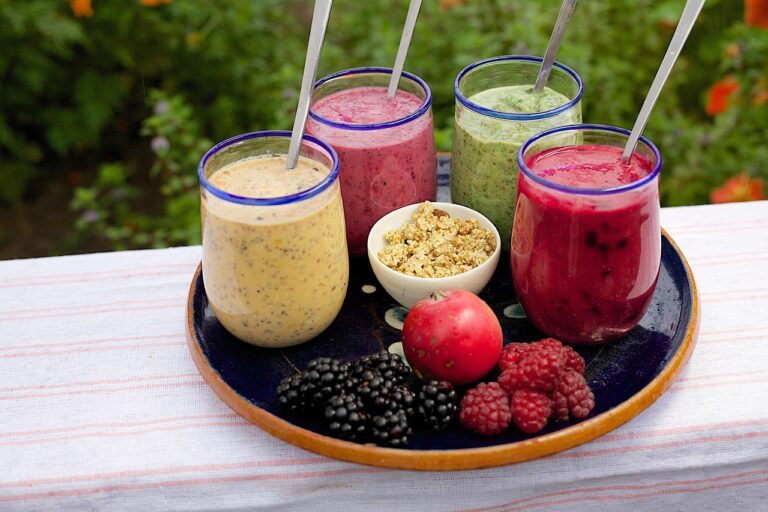
A high protein smoothie is typically one that contains at least 15 grams of protein per serving. You can easily reach this goal using whole foods like Greek yogurt, cottage cheese, firm tofu, hemp hearts, or even nut butters. These ingredients add creaminess, flavor, and bonus health benefits — no scoop required.
How Much Protein Does a High Protein Smoothie Really Need?
If you’re blending a smoothie, you want it to keep you full until lunch. That’s where protein comes in. The standard recommendation for protein is 0.8 grams per kilogram of body weight. However, this is the minimum to prevent deficiency, not the ideal for energy or muscle health. For most active adults, current research on protein requirements suggests a target of 1.2 to 2.0 grams per kilogram.
What does this mean for your glass? A smoothie needs at least 15 grams of protein to be called “high protein.” If it’s your meal, aim for 20 to 30 grams. The ingredients I’m about to show you make hitting that target incredibly easy.
The Ultimate High Protein Smoothie Ingredient Table
Here’s a quick reference guide to the best whole-food protein sources for your blender. Mix and match based on what you have on hand and what your body needs.
| Ingredient | Serving | Protein (g) | Bonus Nutrients |
|---|---|---|---|
| Plain Greek Yogurt (lowfat) | 7 oz (¾ cup + 2 tbsp) | 20g | Probiotics, calcium, vitamin B12 |
| Cottage Cheese (2%) | ½ cup | 12g | Casein protein, selenium, lower sugar than yogurt |
| Firm Tofu (calcium-set) | ½ cup | 22g | Complete protein, calcium, soy isoflavones |
| Silken Tofu (lighter option) | ½ cup | ~10g | Complete protein, iron, soy isoflavones |
| Hemp Hearts | ¼ cup (4 tbsp) | 10g | Omega-3s, magnesium, zinc |
| Chia Seeds | 2 tbsp | 5g | Fiber, omega-3s, antioxidants |
| Nut Butter (Almond/Peanut) | 2 tbsp | 7–8g | Healthy fats, vitamin E, magnesium |
| Edamame (shelled) | ½ cup | 9g | Fiber, folate, plant-based iron |
| Soy Milk (unsweetened) | 1 cup | 8g | Complete protein, calcium, vitamin D |
What I find interesting is how these ingredients compare to a typical scoop of protein powder. A standard scoop delivers about 20 to 25 grams of protein. With a cup of Greek yogurt or half a cup of firm tofu, you are already there. The difference? You also get calcium for your bones, probiotics for your gut, and a much more satisfying texture.
Break Down the Top 4 High Protein Smoothie Ingredients (No Powder Needed)
Let’s take a closer look at the four ingredients that consistently top the charts for smoothie protein. These are the staples you’ll want to keep in your kitchen.
1. Greek Yogurt: The Creamy Complete Protein
Greek yogurt is the classic high protein smoothie base for good reason. It’s a complete protein, meaning it contains all nine essential amino acids. Plus, it adds a thick, creamy texture that makes your smoothie feel indulgent. The live active cultures (probiotics) also support your gut health. Choose plain to keep added sugars low — fruit will provide all the sweetness you need.
2. Tofu: Plant Protein with a Bone Health Bonus
Tofu is a smoothie hero, and the type you pick matters for protein content. Firm tofu (the kind in a block) delivers about 22 grams of protein per half cup — that’s as much as a scoop of powder. Silken tofu, which is softer and silkier, provides about 10 grams per half cup. Both are complete proteins. And here’s the bonus: tofu is rich in isoflavones. A 2022 meta-analysis of 18 randomized trials found that soy isoflavones for bone health can help slow bone loss, particularly for women during and after the menopause transition. This makes tofu a standout choice for long-term wellness.
3. Hemp Hearts: Tiny Seeds, Big Payoff
Don’t let their size fool you. Hemp hearts are one of the few plant sources that deliver a complete protein. They also provide an optimal ratio of omega-6 to omega-3 fatty acids, which supports heart and brain health. A 2026 review in Critical Reviews in Food Science and Nutrition confirmed that hemp seeds are a complete plant protein with significant nutritional benefits. Just keep in mind they add healthy fats, so you may want to skip the nut butter if you’re watching the calorie count.
4. Cottage Cheese: The Underrated Smoothie Star
Cottage cheese is having a moment, and for good reason. It’s packed with casein protein, which digests slowly and keeps you full for hours. It’s also naturally lower in sugar than yogurt. A 2025 review of cottage cheese protein and nutrition research highlighted its potential for appetite regulation and metabolic health. The texture blends into a thick, creamy smoothie that tastes like a milkshake — especially when paired with fruit like cherries or berries.
Pro Tip: The Cherry Cheesecake Smoothie
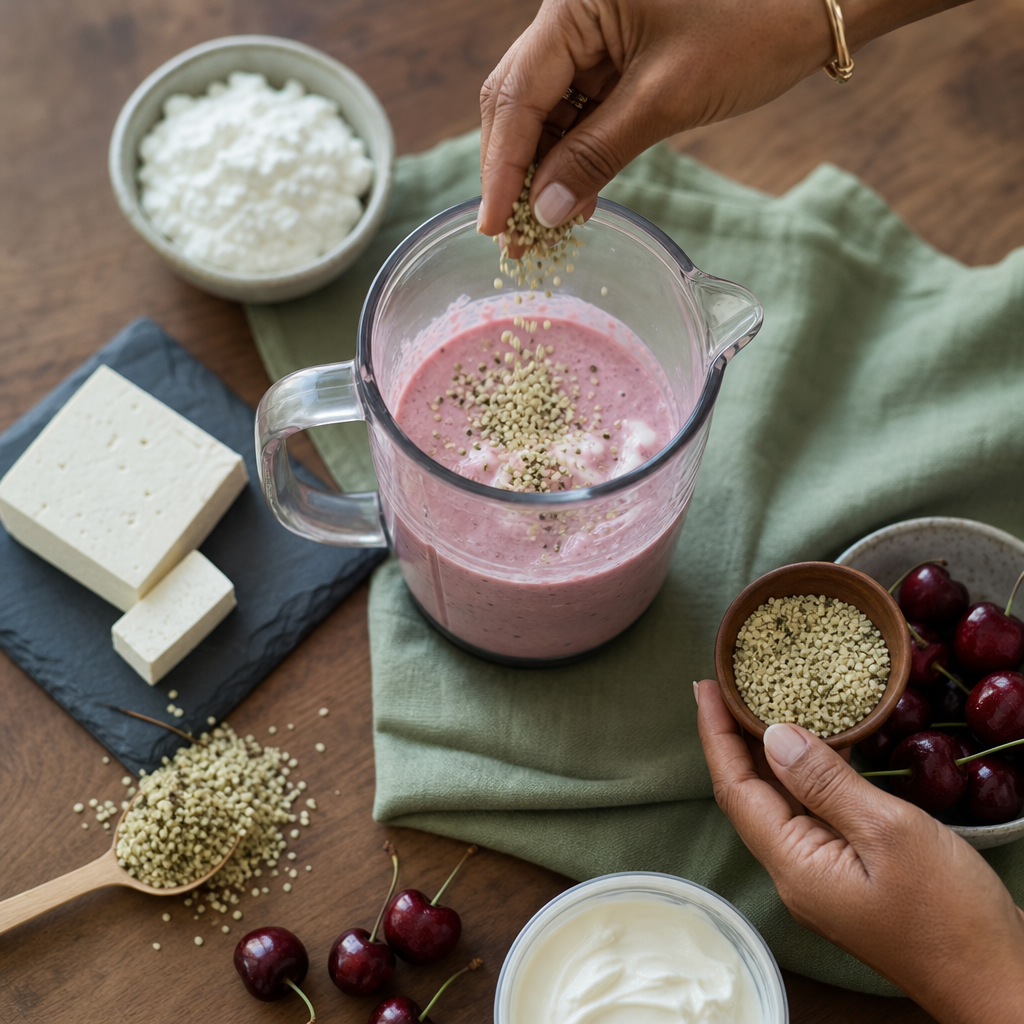
Registered dietitian Melissa Groves Azzaro recommends this simple combo: blend ¾ cup cottage cheese with ½ cup frozen cherries, a splash of milk, and a drop of vanilla. That’s it. You’ll get over 20g of protein and a dessert-like flavor without a speck of added sugar.
What About Protein Powder Quality and Safety?
You might be thinking: “Is protein powder really that bad?” Let’s be honest. The science is mixed. A 2025 study tested 22 protein powders on the Hungarian market and found no significant heavy metal levels above regulatory limits. However, a separate 2026 review in Environmental Research noted that sports supplements, including protein powders, can contain heavy metals and unlisted ingredients. The quality varies widely by brand and batch — if you’d like a deeper dive, our guide to protein powder for women covers the pros and cons in detail.
As a direct result, many women are choosing to skip the uncertainty entirely. When you use whole foods, you bypass the question of contaminants altogether. You also get a more nutrient-dense drink. If you do prefer powder, look for third-party certifications like NSF or USP. But for everyday nutrition, the research on heavy metals in protein powders suggests that whole food sources are a perfectly safe and often superior choice.
Your Simple Formula for the Perfect High Protein Smoothie
You don’t need a complicated recipe book. Here’s the exact formula I use to build a high protein smoothie in under five minutes.
Liquid Base (8–10g protein): Start with 1 cup of milk. Soy milk is the highest in protein (8g), followed by dairy milk (8g). Almond milk has very little protein, so save it for lighter smoothies.
Protein Hero (15–22g protein): Choose one main ingredient. Greek yogurt, cottage cheese, or firm tofu are excellent picks. This is the core of your high protein smoothie.
Fruit (0–2g protein): Add ½ cup of frozen fruit for flavor, fiber, and antioxidants. Berries, bananas, and mangoes all work well.
Healthy Boost (5–10g protein): Add a tablespoon of hemp hearts, chia seeds, or nut butter to round out the nutrition.
Frequently Asked Questions
Can I make a high protein smoothie that’s completely plant-based?
Absolutely. Use firm or silken tofu, soy milk, and hemp hearts as your base. These are all complete proteins, meaning they contain all essential amino acids. Add chia seeds or nut butter for extra staying power.
Are whole food proteins better than protein powder?
For most women, yes. Whole foods provide a matrix of nutrients that you don’t get from isolated protein. Think calcium, probiotics, healthy fats, and fiber. They are also more satisfying and less processed.
Can I prep smoothie ingredients ahead of time?
Yes. Portion your fruit and protein into freezer bags. In the morning, just dump the bag into the blender, add your liquid, and blend. A high protein smoothie can be ready in 60 seconds flat.
Will a tofu smoothie taste like tofu?
Not at all. Both firm and silken tofu are flavor-neutral. They take on the taste of whatever you blend them with. Think of tofu as a stealth protein — it adds creaminess and nutrition without changing the flavor.
The Bottom Line
You do not need a tub of powder to make a high protein smoothie that tastes great and keeps you full. The ingredients are already in your kitchen. Greek yogurt, cottage cheese, firm tofu, hemp hearts, and seeds are all versatile, affordable, and delicious ways to boost your protein intake. They also bring along a host of bonus nutrients that isolated protein powders simply cannot match.
Next time you reach for the blender, pick one ingredient from the table, add your favorite fruit, and blend. You’ll have a satisfying, nutrient-packed smoothie ready in minutes. Here’s to healthy, simple choices that work for real life.