

Heart Healthy Casseroles: 5 Smart Swaps for Any Recipe
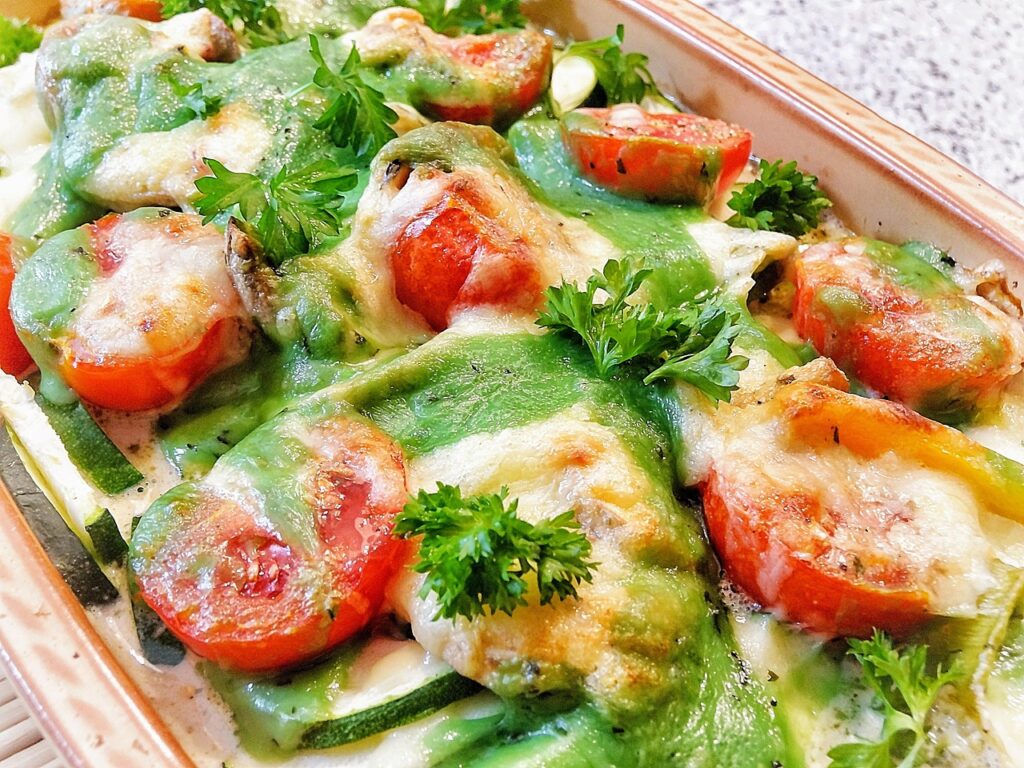
Key Takeaways: Heart Healthy Casseroles That Taste Like Comfort
- Heart healthy casseroles come down to five simple swaps you can apply to any recipe — even family favorites.
- Aim for 600 mg or less of sodium and 5 g or less of saturated fat per serving.
- Greek yogurt, low-sodium broth, and whole grains keep the comfort without the health downsides.
- Batch cooking and freezing done right means heart-healthy dinners are always within reach.
Casseroles are the ultimate comfort food — but are they good for your heart? It’s a fair question when so many recipes lean on canned soup, heavy cream, and pounds of cheese. Here’s the good news: heart healthy casseroles are absolutely possible. In fact, the one-dish dinner is one of the easiest ways to build a DASH-style meal. You just need a few simple swaps.
Think about it. A casserole is just a formula: a grain, a protein, vegetables, a sauce, and a topping. Change the ingredients in that formula, and you change the whole dish. This guide gives you a simple framework to make any casserole — even your family’s classic recipe — support your heart health. We’ll cover the five smart swaps, the numbers that matter, and seven original recipe ideas you can make tonight.
Quick Answer: Can casseroles be heart-healthy?
Yes. A casserole becomes heart-healthy when you build it with five key swaps: Greek yogurt instead of cream, low-sodium broth and no-salt-added canned goods, whole grains instead of refined starches, double the vegetables, and portion-smart protein with bold-flavored cheese used sparingly.
Heart Healthy Casseroles Start with These 5 Smart Swaps
Let’s be honest: you don’t need another list of recipes you’ll never make. You need a way to make the casseroles you already love better for you. Here’s what’s actually happening with most traditional recipes. They’re packed with sodium and saturated fat — two things that can raise blood pressure and cholesterol over time. The fix isn’t complicated. It’s five smart swaps that work in almost any casserole.
Swap 1: Greek yogurt instead of cream. Heavy cream is a major source of saturated fat. The American Heart Association recommends limiting it to about 13 grams per day at 2,000 calories. Greek yogurt gives you that same creamy texture with more protein and far less saturated fat. And the science goes further. A meta-analysis of over 385,000 people found that yogurt was linked to a 22% lower risk of cardiovascular disease. Fermented dairy overall was linked to a 17% lower risk. That’s a swap that pays off in more ways than one.
Swap 2: Low-sodium broth and no-salt-added everything. Here’s the thing — most of the sodium in your diet doesn’t come from your saltshaker. More than 70% of the sodium Americans eat comes from packaged, prepared and restaurant foods, the American Heart Association reports. Canned condensed soups are among the worst offenders. The CDC lists soups as a top sodium source for adults. A single can of cream of mushroom soup can pack over 1,500 mg of sodium. That’s most of your daily limit in one ingredient.
Instead, use low-sodium broth, no-salt-added tomatoes, and skip the canned soup entirely. A 2025 umbrella review found that each 1 gram of daily sodium raised systolic blood pressure by 0.60 mmHg. Small changes here add up fast.
Swap 3: Whole grains instead of refined starches. White rice and white pasta cook fast, but they’re not doing your heart any favors. An umbrella review of 25 systematic reviews found that whole grain consumption improves metabolic health, including blood pressure and cholesterol. Another meta-analysis found that high whole grain intake was linked to a 26% lower risk of hypertension. Brown rice, quinoa, farro, and whole-wheat pasta all work beautifully here. They also add a nutty flavor that makes the dish better.
Swap 4: Double the vegetables. The DASH eating plan from the NHLBI emphasizes 4-5 servings of vegetables per day. A casserole is the perfect vehicle to get there. Fruit matters just as much — our guide to heart healthy fruits shows why bananas and oranges both earn a spot. Stir in an extra bag of spinach, a cup of chopped mushrooms, or some roasted zucchini. The volume makes the dish more satisfying, and the fiber and potassium help your heart. If you load in watery veggies like mushrooms or zucchini, roast them first. Add a splash of low-sodium broth so the casserole doesn’t turn to soup.
Swap 5: Portion-smart protein and bold cheese. This doesn’t mean tiny portions of chicken. It means making beans and lentils the star sometimes. Lean meats like skinless chicken breast, turkey, and fish work well too. Cheese is fine. The secret is using bold flavors like Parmesan, sharp cheddar, or feta in smaller amounts. The CDC lists cheese as a top sodium source for adults, so a little goes a long way. You get big flavor without blowing your sodium or saturated fat budget.
Know Your Numbers: Sodium and Saturated Fat Targets
So what do heart healthy casseroles actually look like on paper? Let’s break down the math. The American Heart Association recommends no more than 2,300 mg of sodium per day. Its ideal limit is 1,500 mg. One serving is about a quarter of a 9×13-inch dish. Aim for 600 mg of sodium or less per serving.
For saturated fat, target about 5 grams per serving. That leaves room in your 13-gram daily budget for breakfast and lunch. A recent meta-analysis found that DASH-style eating patterns consistently improved LDL cholesterol, blood sugar, and sodium handling. It also showed no single healthy diet is uniquely superior. That’s why TEOHL uses DASH-style targets: they’re simple, measurable, and backed by strong evidence.
Your Heart-Healthy Casserole Checklist
✅ Sodium: 600 mg or less per serving
✅ Saturated fat: 5 g or less per serving
✅ Protein: 20-30 g per serving
✅ Veggies: at least 1 full serving in every portion
✅ Grains: 100% whole grain (brown rice, quinoa, whole-wheat pasta)
Heart Healthy Casseroles: 7 Original Recipe Ideas You Can Make Tonight
Here’s where it all comes together. These seven heart healthy casseroles follow the formula: whole grain + lean protein + double veggies + light creamy sauce + crunchy finish. All of them take under 45 minutes of active time. They’re designed for busy weeknights.
1. Greek Yogurt Chicken & Brown Rice Bake. Toss leftover chicken, cooked brown rice, broccoli, and a sauce of Greek yogurt, low-sodium chicken broth, and a sprinkle of Parmesan. Bake until golden. The yogurt keeps it creamy without a drop of heavy cream.
2. White Bean & Kale Skillet Bake. A plant-protein star. Sauté onions, garlic, and a bushel of kale, then stir in white beans, no-salt-added tomatoes, and quinoa. Top with a few breadcrumbs and bake. It’s a vegetarian main that’s high in fiber and potassium.
3. Turkey & Sweet Potato Shepherd’s Pie. Lean ground turkey, peas, carrots, and a sauce made from low-sodium broth and a touch of Greek yogurt — all topped with mashed sweet potatoes instead of white. Comfort food, reborn.
4. Lighter Tuna Noodle Casserole. This one kills the canned soup for good. A homemade sauce with low-sodium broth, nonfat milk, and sautéed mushrooms gives you the creamy texture. No sodium bomb required. Whole-wheat egg noodles and lots of peas finish the job.
5. Veggie-Loaded Enchilada Casserole. Layer corn tortillas, a mix of black beans and roasted peppers, and no-salt-added enchilada sauce. Use a modest amount of sharp cheddar on top — you get the cheesy pull without overdoing it.
6. Lentil Bolognese Pasta Bake. Brown lentils cook down in a rich tomato sauce with garlic and herbs, then get baked with whole-wheat pasta. A light dusting of Parmesan goes a long way here. This one freezes like a dream.
7. Salsa-Smothered Chicken & Quinoa Casserole. Shredded chicken, cooked quinoa, corn, and black beans held together with a salsa verde made from tomatillos. A crunchy topping of crushed whole-grain tortilla chips beats a sleeve of saltines any day.
Batch Cooking and Freezing: Your Weeknight Secret Weapon
Batch cooking heart healthy casseroles is one of the smartest moves for a busy week. Just be sure to do it safely. The goal is to get them out of the danger zone (between 40°F and 140°F) quickly.
Cool the baked dish on the counter for no more than 30 minutes, then portion it into shallow containers. Refrigerate any portion you’ll eat within three days, and pop the rest in the freezer. Portioned leftovers also make quick, satisfying heart healthy snacks for busy afternoons.
Here’s the freezer playbook no one else gives you: label every container with the dish name and the date. Freeze casseroles for up to three months for the best taste and texture. Thaw overnight in the refrigerator, never on the counter. Reheat until it hits a safe internal temperature — 165°F for anything with meat — before serving. Dishes with creamy sauces freeze better than ones with crunchy toppings, so add the breadcrumbs or chips after reheating.
Can I Fix My Family’s Favorite Casserole Recipe?
Yes — and here’s the part that makes heart healthy casseroles stick. You can apply the five swaps to any recipe you already love. Pull out that treasured family dish and look at the main components.
Replace the cream-of-something soup with a homemade sauce of low-sodium broth, nonfat milk, and sautéed mushrooms. Use half the ground beef and add a can of drained lentils or black beans. Swap white rice for brown rice or quinoa cooked in low-sodium broth. Before you know it, you’ve trimmed a meaningful amount of sodium. You’ve also added a full serving of vegetables — without changing the dish you love.
A quick safety note: talk to your care team first if you manage high blood pressure, heart failure, or kidney disease. That’s especially true before making big changes to your sodium intake. They may have specific targets for you. This matters most if you take diuretics or other medications that affect salt balance. For everyone else, cutting back on processed ingredients is a step in the right direction.
The Bottom Line
Heart healthy casseroles aren’t about giving up the cozy dinners you love. They’re about making smarter ingredient choices. The five swaps turn any one-dish meal into a good-for-you dinner. Just swap Greek yogurt for cream, and low-sodium broth for canned soup. Go whole grain, double the veggies, and keep protein portion-smart.
Start with one swap this week. Pick a recipe, swap Greek yogurt for cream, or switch your broth. Then carry the momentum through your morning with heart healthy breakfast recipes. You’ll find that heart-healthy cooking is less about restriction and more about simple, practical upgrades. Your heart — and your weeknight schedule — will thank you.