
Healthy Tuna Pasta Salad: 3 Dressings, 28g Protein, 20 Min
Key Takeaways
- Smart protein choice: Canned light tuna delivers about 20 grams of protein per 3-ounce serving plus omega-3s for heart and brain health.
- Mercury-smart guidance: Canned light tuna is classified as a “Best Choice” by the FDA — safe for 2–3 servings per week.
- Three dressing styles: Classic creamy (yogurt + mayo), Mediterranean (olive oil + lemon), and avocado-yogurt — each with different nutritional strengths.
- Meal prep friendly: Stays fresh 3–4 days in the fridge and can even be frozen for up to 2 to 3 months.
- Plant-based option: Swap tuna for chickpeas for a vegetarian option — chickpeas add fiber and about 7–8g protein per serving.
Ever opened a can of tuna and thought, “There’s a real meal in here somewhere”? You’re not alone. Canned tuna is one of those pantry staples that sits in the back of the cupboard, waiting to save dinner. But most of us default to the same thing — a mayo-heavy salad slapped between two slices of bread. Here’s the thing: tuna pasta salad is a genuinely smart meal that can check all the boxes — protein, vegetables, flavor, and convenience — without tasting like diet food. This version uses zucchini for volume, sun-dried tomatoes for depth, and peppery arugula to keep things fresh. Toss it with the dressing about an hour before serving and the flavors actually get better. Let’s break down why this tuna pasta salad (and other summer salad recipes packed with protein and fiber) deserves a regular spot in your weekly rotation, how to choose the right tuna, and three different ways to dress it depending on your mood.
Quick Answer: What Makes Tuna Pasta Salad Healthy?
A well-balanced tuna pasta salad delivers lean protein (20g per serving of tuna), omega-3 fatty acids, fiber from vegetables and whole-grain pasta, and healthy fats from olive oil or avocado-based dressings. The key is choosing your tuna wisely — go for canned light tuna for the best balance of nutrition and lower mercury. Skip the heavy mayo-only dressings and opt for Greek yogurt, avocado, or olive oil alternatives for a lighter, more nutrient-dense meal.
Why This Tuna Pasta Salad Is a Smart Choice
Let’s talk about what’s actually in that can. A 3-ounce serving of canned light tuna gives you about 20 grams of high-quality protein — that’s the kind your body can easily use for muscle repair and staying full through the afternoon. It also provides omega-3 fatty acids (specifically DHA and EPA), which the NIH’s omega-3 fact sheet confirms supports heart health and brain function. Tuna also delivers selenium, a mineral with antioxidant properties.
The thing is, most Americans don’t eat enough fish. The Dietary Guidelines recommend at least 8 ounces of seafood per week, and research published in 2025 notes that common barriers include cost, the hassle of bones, and limited cooking skills. Canned tuna solves all three. It’s affordable, boneless, and requires zero cooking skill. Tuna pasta salad is an accessible way to hit those weekly fish recommendations without overthinking it.
Nutrition Snapshot: Tuna Pasta Salad (per serving, with classic yogurt-mayo dressing)
Calories: ~350–400
Protein: 25–28g
Carbs: 35–40g (with whole-wheat pasta)
Fiber: 6–8g
Fat: 12–15g (mostly healthy fats from olive oil and yogurt)
Omega-3s: ~0.17g DHA + 0.02g EPA per 3 oz light tuna
Key vitamins: Vitamin D, B12, selenium, iodine
Note: Numbers vary based on dressing choice and pasta type. Chickpea pasta adds more protein and fiber.
The Ingredient Combo That Makes It Work
Here’s what’s interesting. This recipe uses four specific vegetables that do more than just add color — they each play a role in making the salad satisfying without needing extra calories or heavy dressing.
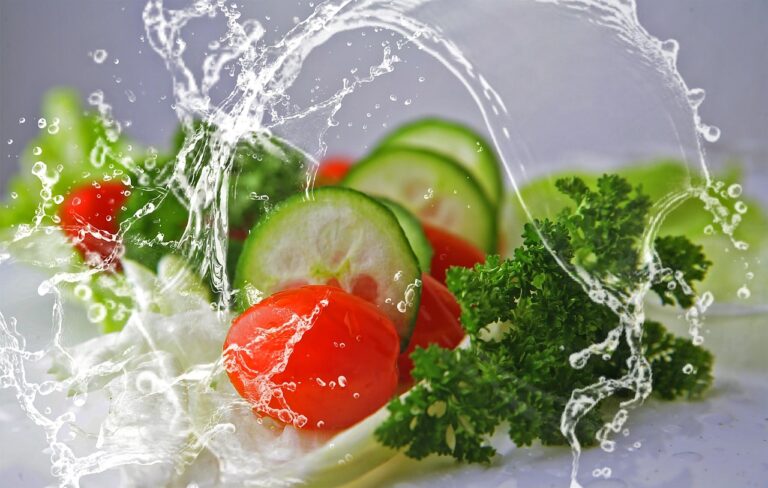
Zucchini adds volume and a mild, fresh crunch. It’s mostly water, which means you get a bigger portion for fewer calories. Sun-dried tomatoes bring concentrated umami and sweetness — they’re the secret to making a light dressing feel rich and complex. Arugula adds peppery freshness that cuts through the creaminess of the dressing. And red onion gives a sharp bite that the dressing softens as it sits.
Here’s the pro tip: toss the salad with the dressing about an hour before serving. This gives the pasta time to absorb some of the flavor while the vegetables soften slightly. The arugula wilts just enough to fold into the salad instead of sitting on top as a separate element. It makes a noticeable difference.
Which Tuna Should You Buy? (Plus Mercury Guidance)
This is the most common question I hear about tuna pasta salad, and it deserves a clear answer. According to the FDA’s advice about eating fish, canned light tuna (typically skipjack) is classified as a “Best Choice.” That means it’s safe to eat 2 to 3 servings per week, even for people who are pregnant or breastfeeding. Albacore or white tuna is classified as a “Good Choice” — limit it to one serving per week due to higher mercury levels. Bigeye tuna is on the “Choices to Avoid” list and is rarely found in cans anyway.
Quick Tuna Buying Guide
Canned light tuna (skipjack): Best Choice — 2–3 servings per week. Lowest mercury. Great for regular use.
Albacore/white tuna: Good Choice — 1 serving per week. Higher mercury. Save this for occasional use.
Tuna packed in water vs oil: Both work. Water-packed is leaner. Oil-packed (especially olive oil) adds flavor and healthy fats — just drain it well.
Sustainability picks: Brands like Wild Planet and Safe Catch are recommended by RDs for sustainable fishing practices and lower mercury testing.
Plant-based swap: Want to skip tuna entirely? Use 1 can of chickpeas (mashed slightly) + 1 tablespoon of nori flakes or a splash of seaweed seasoning for that briny, “fishy” taste. Chickpeas add fiber and about 7–8g protein per serving, making this a lighter but still satisfying option.
How to Make the Best Version at Home
Making tuna pasta salad isn’t complicated, but a few small decisions make a big difference between a good one and a great one. Here’s the method I’ve landed on after testing several approaches.
Start with the right pasta. Short shapes work best — rotini, fusilli, shells, or penne. They catch the dressing and tuna pieces in their nooks. Whole-wheat pasta adds fiber and a nuttier flavor that works well with the savory ingredients. Chickpea or lentil pasta boosts the protein content even further — one serving can add 10 to 14 extra grams of protein.
Cook the pasta al dente and rinse it with cool water. This stops the cooking so it doesn’t get mushy in the salad. Toss it with a teaspoon of olive oil to keep the pieces from sticking together while you prep the rest.
Drain the tuna well. Press it gently with a fork to break it into flakes before adding it to the bowl. If you’re using oil-packed tuna, reserve a tablespoon of the oil to use in the dressing — it adds flavor.
Chop your vegetables into similar-sized pieces. This ensures every forkful has a bit of everything. Dice the zucchini small so it integrates instead of being in big chunks. Slice the sun-dried tomatoes into thin strips. Chop the arugula roughly if the leaves are large.
Season generously. Tuna needs salt, pepper, and acid to wake up. A squeeze of lemon juice at the end brightens everything. Fresh dill or parsley adds a fresh note that cuts through the richness.
3 Dressing Styles — Pick Your Favorite
The dressing is where you can change the entire personality of the dish. Here are three approaches, each with a different nutritional profile and flavor profile. The beauty of tuna pasta salad is that it works with all of them.
Option 1: Classic Creamy (Yogurt + Mayo)
Mix 1/3 cup plain Greek yogurt with 1/3 cup mayo, 1 tablespoon lemon juice, 1 teaspoon Dijon mustard, and 1 teaspoon dried dill. Registered dietitians who have tested this ratio (like Alexis Joseph, MS, RD) warn that using all Greek yogurt creates a significantly less flavorful result — the combo is the sweet spot. This version cuts about half the calories and saturated fat compared to a traditional all-mayo dressing while adding protein and probiotics from the yogurt.
Option 2: Mediterranean (Olive Oil + Lemon)
Whisk together 1/4 cup extra-virgin olive oil, juice of 1 lemon, 1 teaspoon Dijon mustard, 1 minced garlic clove, and salt and pepper to taste. This dressing is dairy-free, rich in heart-healthy monounsaturated fats, and pairs beautifully with additions like kalamata olives, capers, and feta cheese—the same principles you’d use to build the ultimate anti-inflammatory salad. It’s also the best option if you’re looking to cut processed ingredients entirely. The Mediterranean diet has been associated with reduced risk of several cancers in a 2026 meta-analysis of 126 studies.
Option 3: Creamy Green (Avocado + Yogurt)
Blend 1 ripe avocado with 1/4 cup Greek yogurt, juice of 1/2 lime, a handful of fresh dill, 1 small garlic clove, and salt. This creates a luscious, creamy dressing with zero mayo. Avocado adds fiber, potassium, and heart-healthy fats. The trade-off? The dressing may brown slightly after a day in the fridge, so this version is best for same-day eating or within 24 hours.
Meal Prep and Storage Tips
Here’s the honest truth about storing tuna pasta salad: it lasts 3 to 4 days in the fridge in an airtight container. That’s based on standard food safety guidelines for cooked fish dishes. Don’t push it to a week, even if some bloggers claim longer. If you’re meal prepping for the whole week, here’s a smarter approach.
Make the components separately. Cook the pasta, prep the vegetables, and make the dressing. Store them in separate containers. Combine only what you’ll eat in the next day or two. This keeps everything fresher longer — the vegetables stay crisp and the pasta doesn’t absorb too much dressing and get mushy. When you’re ready to eat, toss a portion of pasta with some dressing, add the vegetables and tuna, and you’re done.
Can you freeze tuna pasta salad? Yes, but only the version with the yogurt-mayo or olive oil dressing. The avocado dressing doesn’t freeze well. Portion into freezer-safe containers and freeze for up to 2 to 3 months. Thaw overnight in the fridge and give it a good stir before serving. The texture of the vegetables will be softer, so this works best if you’re using it more like a tuna pasta salad spread or sandwich filling.
Frequently Asked Questions
Is tuna pasta salad actually healthy?
Yes, when made with the right ingredients. Canned light tuna provides lean protein, omega-3s, and selenium. Adding vegetables boosts fiber and micronutrients. Choosing a yogurt-based, olive oil, or avocado dressing over a heavy mayo dressing keeps saturated fat in check. The key is portion control (about 1.5–2 cups as a main dish) and choosing whole-grain or legume-based pasta for extra fiber.
Can I make tuna pasta salad without mayo?
Absolutely. The Mediterranean dressing (olive oil + lemon) is completely mayo-free. The avocado-yogurt dressing is another excellent option. Even the classic version can be made with all Greek yogurt — though RDs note the flavor and texture aren’t as satisfying as a yogurt-mayo combo.
What’s the best pasta shape for tuna pasta salad?
Short shapes with nooks and ridges — rotini, fusilli, shells, elbow macaroni, or penne. They hold the dressing and catch small pieces of tuna and vegetables. Avoid long noodles like spaghetti or fettuccine, which don’t integrate as well.
Can I use a different protein instead of tuna?
Yes. For a plant-based version, mash 1 can of chickpeas with a fork and add a splash of seaweed seasoning or nori flakes for a briny flavor. For a different seafood option, try canned salmon (higher in omega-3s than tuna) or canned sardines. For a non-seafood option, shredded rotisserie chicken works well with the creamy dressing.
Why do my vegetables get soggy the next day?
Cucumbers, zucchini, and tomatoes release water as they sit, which can make the salad watery. The fix: salt your zucchini lightly and let it sit for 10 minutes, then blot dry before adding. Store the salad without the dressing if you’re making it more than a day ahead. Combine the dressing only when you’re ready to eat.
The Bottom Line
Tuna pasta salad is one of those meals that deserves more respect than we usually give it. It’s affordable, comes together in under 20 minutes, and can be genuinely nutritious when you choose your ingredients wisely. Pick canned light tuna for regular meals (it’s the FDA’s Best Choice for a reason), load up on vegetables, and choose a dressing that fits your preferences — whether that’s classic creamy, Mediterranean, or avocado-based.
The smart ingredient combo of zucchini, sun-dried tomatoes, and arugula turns a simple pantry pasta into a meal that actually feels special. And letting it sit with the dressing for an hour before serving is the one trick that makes everything taste better. Whether you make it for Sunday meal prep or a quick weeknight dinner, this is balanced eating that doesn’t feel like a compromise.