Healthy Eating Guide: Simple Tips for Real Life
Key Takeaways
- Healthy eating is about overall patterns and progress, not perfection.
- The Plate Method (½ veggies, ¼ protein, ¼ whole grains) is a simple, visual framework that works for any meal without counting or tracking.
- Eating well on a budget is possible with pantry staples like beans, lentils, frozen veggies, and eggs.
- All foods can fit into a healthy lifestyle — no need for “cheat days” or strict rules.
Quick Answer: What is a healthy eating guide?
A healthy eating guide is not a strict diet. It is a flexible, evidence-based framework that helps you build balanced meals most of the time. It focuses on the overall pattern of your diet — whole foods, variety, and balance — without rigid rules, expensive ingredients, or the need to track every calorie.
“I’m going to start eating perfectly on Monday.” If this thought sounds familiar, you know how the story usually goes. You stick to strict rules for a few days. You buy costly ingredients. You track everything. Then life gets busy, you order takeout, and you feel guilty.
Here’s the thing. Healthy eating is not about being perfect. It is about your daily choices and the patterns they create. This healthy eating guide is built to help you create better patterns without the guilt. It focuses on what you can add to your life — more nutrients, more color, more flexibility — rather than what you have to take away.
Why You Need a Healthy Eating Guide That Actually Fits Your Life
Most guides focus on what to eat. This healthy eating guide focuses on how to make it work in your real, busy life. The World Health Organization describes a healthy diet through four simple principles: adequacy (getting enough nutrients), balance (the right mix of foods), moderation (not too much of any one thing), and diversity (eating a wide variety of foods).
In plain English, that means eating a little bit of everything nutritious and not stressing about the rest. A 2024 systematic review even found that higher diet quality is linked to lower visceral fat — the deep belly fat that is a risk factor for chronic disease. That is a powerful reason to focus on the quality of your overall diet, not just the number on the scale.
The takeaway? A healthy eating guide should be flexible. It should fit your budget, your schedule, and your taste preferences. This one does exactly that.
The Simple Framework Behind This Healthy Eating Guide
Forget counting macros. Forget weighing your food. The easiest way to eat well every single day is the Plate Method. It is simple, visual, and works for any meal or cuisine.
The CDC recommends aiming for a variety of colors on your plate. Here is how the Plate Method breaks that down into a simple formula:
- ½ of your plate: Non-starchy vegetables and fruits. Think color! Broccoli, spinach, bell peppers, berries, and tomatoes.
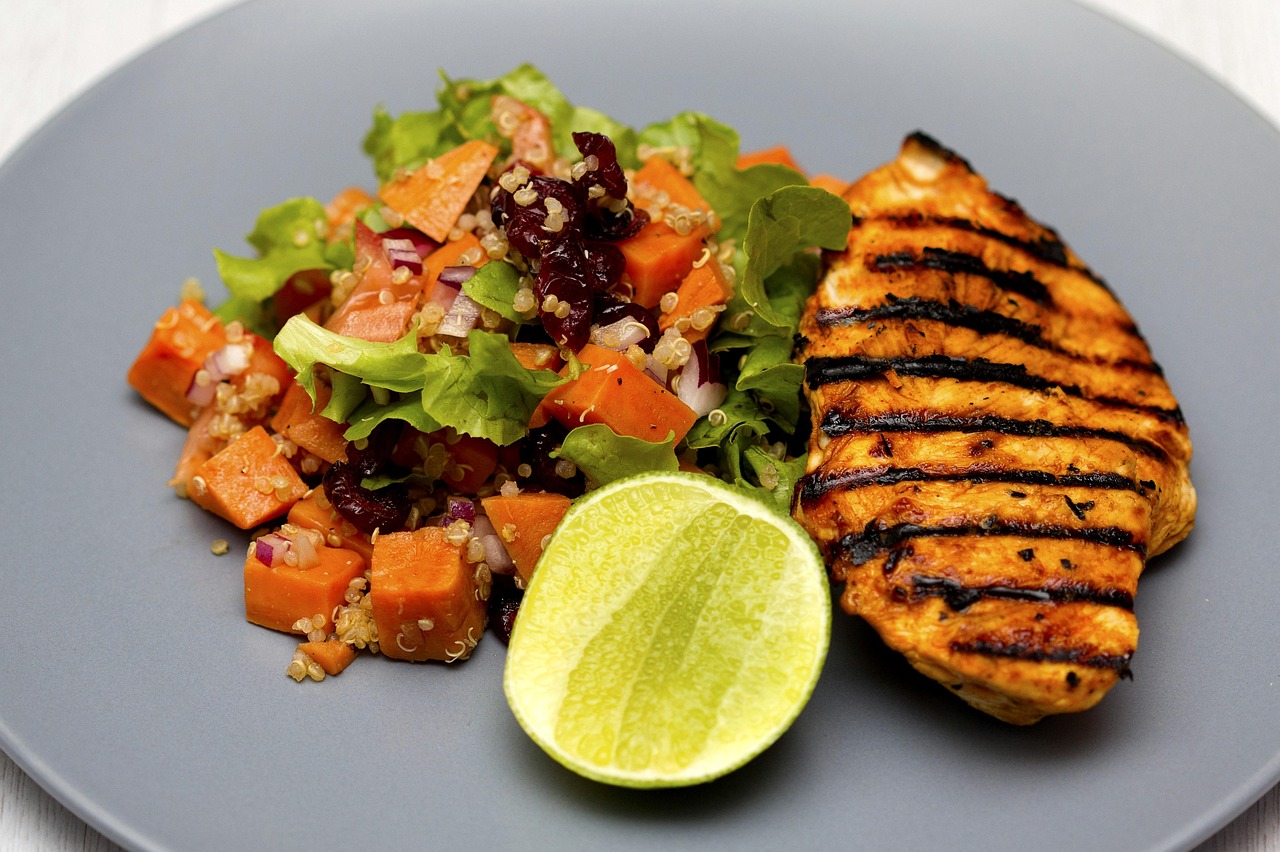
- ¼ of your plate: Lean protein. Chicken, fish, eggs, tofu, beans, or lentils.
- ¼ of your plate: Whole grains or starchy vegetables. Brown rice, quinoa, oats, sweet potato, or whole-wheat pasta.
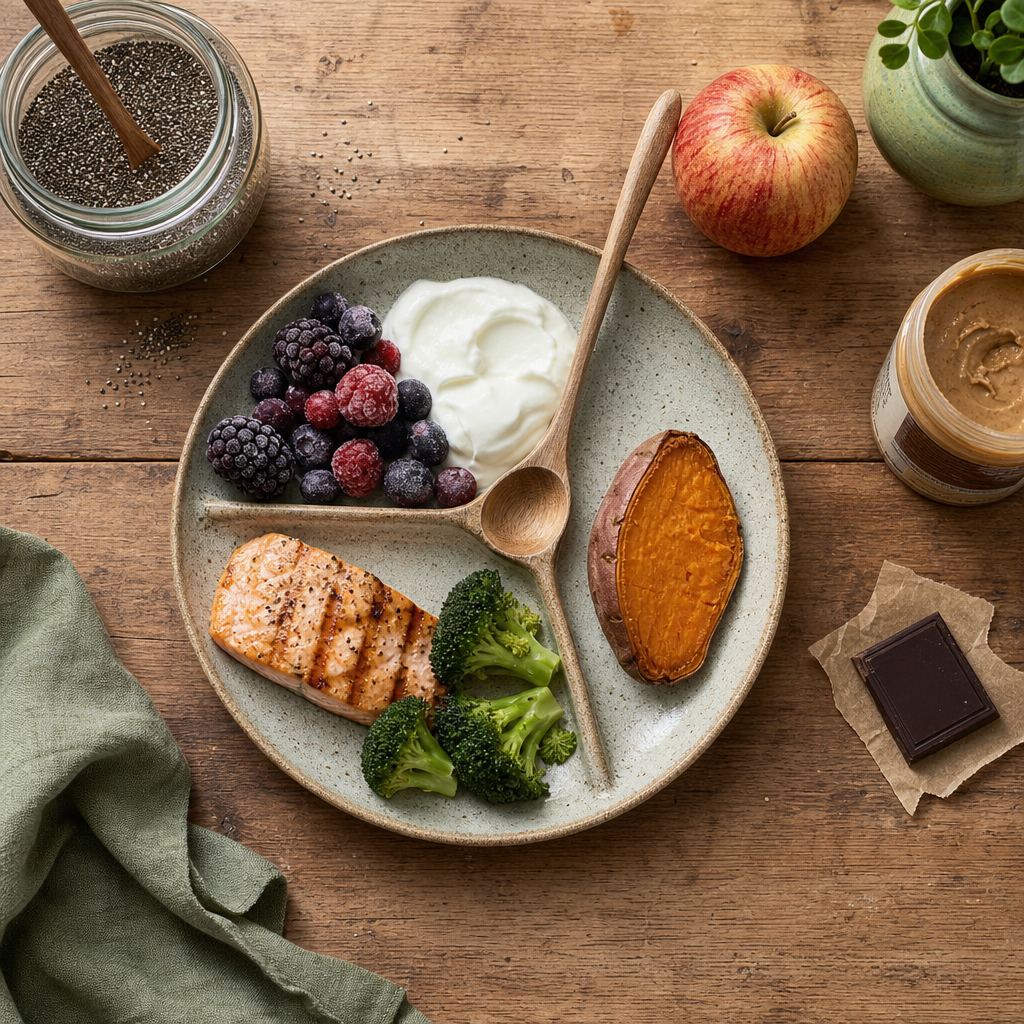
This framework is the backbone of this healthy eating guide because it is flexible. You can use it for breakfast (eggs + spinach + whole-wheat toast), lunch (salad + chickpeas + quinoa), and dinner (salmon + broccoli + roasted potatoes). Once you get used to it, it becomes second nature. No app required.
Stocking a Healthy Kitchen on a Real Budget
A common myth about healthy eating is that it has to be expensive. Let’s be honest — some trendy health foods cost a lot. But the basics of a healthy diet are some of the cheapest foods at the grocery store. Canned beans, lentils, frozen vegetables, eggs, oats, and seasonal produce are all packed with nutrients and cost very little.
The American Heart Association specifically recommends shifting towards plant-based proteins like beans and lentils. A one-pound bag of dried lentils costs around two dollars and provides enough protein and fiber for several meals. Frozen veggies are just as nutritious as fresh ones and last much longer. Stock your pantry with these staples — we share more budget-friendly strategies in our healthy grocery shopping guide — and you are never more than 15 minutes away from a healthy meal.
Budget-Friendly Swaps to Try This Week
- Instead of: Fresh berries out of season → Try: Frozen berries (cheaper and just as nutritious)
- Instead of: Fresh chicken breast for every meal → Try: Canned tuna, eggs, or beans for some meals
- Instead of: Pricey mixed greens → Try: Whole cabbage or frozen spinach (lasts longer, costs less)
- Instead of: Granola bars → Try: Apple slices with peanut butter
Eating Well at Restaurants and Social Gatherings
Diet culture has often taught us to view social eating as a test of willpower. But enjoying food with people you love is a big part of a healthy life. This healthy eating guide asks you to drop the all-or-nothing mindset when it comes to eating out.
You do not need to bring your own food to a party or order a plain salad. Here are a few simple strategies that work in real life:
- Scan the menu early. Most places have a protein + veggie + starch option. Look for it first.
- Prioritize protein and veggies. Fill half your plate with these first, and enjoy whatever else you want in smaller portions.
- Let go of “cheat days.” That word implies you are doing something wrong. Food is not good or bad. Some choices are richer than others, but all foods can fit into a healthy lifestyle.
Remember: one meal (or even one day) does not define your health. Your overall pattern over weeks and months is what matters. This is the flexible, sustainable approach that makes this healthy eating guide different from the rest.
What a Day of Eating the TEOHL Way Looks Like
Let’s make this practical. Here is a realistic day of eating that follows the Plate Method. No expensive ingredients. No complicated prep. Just real food, simply made.
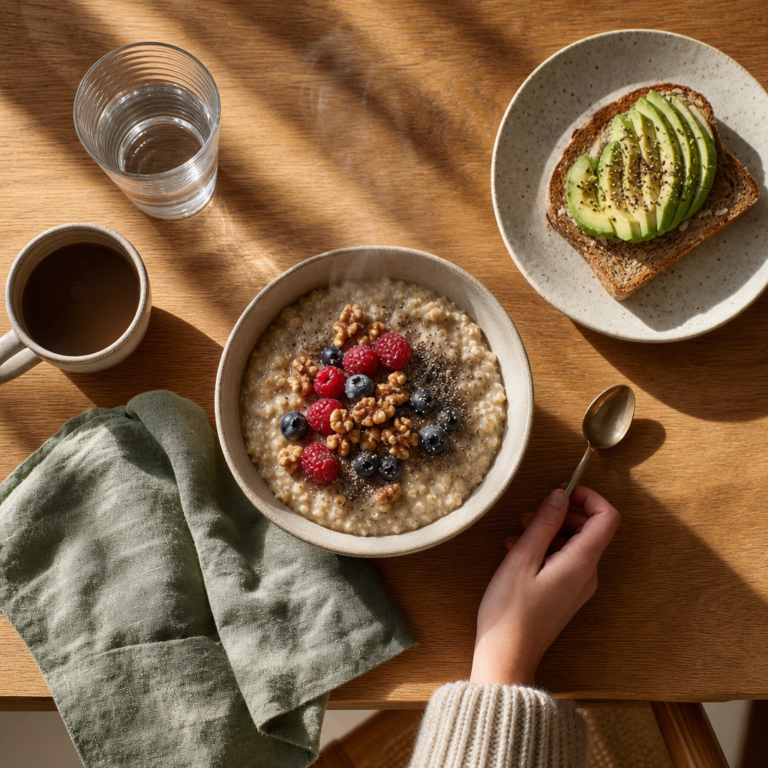
- Breakfast (5 minutes): Greek yogurt with a handful of frozen berries and a tablespoon of chia seeds. (Protein + Color + Fiber) For more quick morning ideas, try our heart healthy breakfast recipes that take just 15 minutes.
- Lunch (10 minutes, batchable): A big salad with pre-cooked chicken, chickpeas, cucumber, tomatoes, and a simple olive oil vinaigrette.
- Snack: An apple with a spoonful of peanut butter.
- Dinner (25 minutes): Sheet pan salmon, broccoli, and sweet potato. Toss in olive oil, season with salt and pepper, and roast at 400°F for 20 minutes.
- Dessert: A small square of dark chocolate or a bowl of fresh fruit.
Notice what is missing? No calorie counts, no “bad” foods, no guilt. Just a balanced, colorful, and satisfying day of eating that fits into a busy schedule. The plate method does the work for you.
Frequently Asked Questions About Healthy Eating
Do I have to give up sugar to eat healthy?
Not at all. The goal is to reduce added sugars from soda and heavily processed snacks, not to fear the natural sugar in fruit or the occasional dessert. The WHO recommends keeping free sugars under 10% of your total daily calories. This leaves plenty of room for treats here and there.
Is the Plate Method enough for weight loss?
For most people, yes. By naturally shifting the balance of your plate towards veggies and whole foods, you end up eating fewer calories while feeling more satisfied. Weight loss often follows as a natural side effect of better eating patterns.
How do I start without feeling overwhelmed?
Pick one meal a day and apply the plate method to it. Maybe start with dinner. Once that feels normal, add lunch. This is the core philosophy of this healthy eating guide — progress, not perfection. Small, consistent changes are far more powerful than a total overhaul that lasts three days.
The Bottom Line: Your Health, Your Way
Healthy eating is not about being perfect. It is about building a foundation that supports your energy, your health, and your life. This healthy eating guide gives you the tools and the framework, but you bring the flexibility and the compassion for yourself.
You do not need a strict diet to eat well. You need a simple way to build a plate, a few go-to ingredients in your pantry, and the freedom to do your best without feeling guilty. Your body knows what to do when you give it the right fuel. Trust the process, not the rules.
Explore More from TEOHL
- Check out our healthy grocery shopping guide for smart, budget-friendly tips.
- Try our 7 gut healthy dinners in 30 minutes or less for quick weeknight meals.
- Discover heart healthy summer foods to enjoy this season.