

Food Additives and Cancer: What the New Study Really Found
Key Takeaways
- A 2026 study in The BMJ followed 105,260 adults. It found that people who ate more of certain food additives had higher cancer risk.
- The ones to know: potassium sorbate, sulfites, sodium nitrite, potassium nitrate, acetates, and sodium erythorbate.
- BHA, BHT, TBHQ, and sodium benzoate were not linked to cancer in this study. Eleven of the 17 preservatives studied showed no link.
- A link is not a cause. This study watched real life and gives clues, not proof.
- Here’s what the science on food additives and cancer actually shows: simple label checks work better than panic.
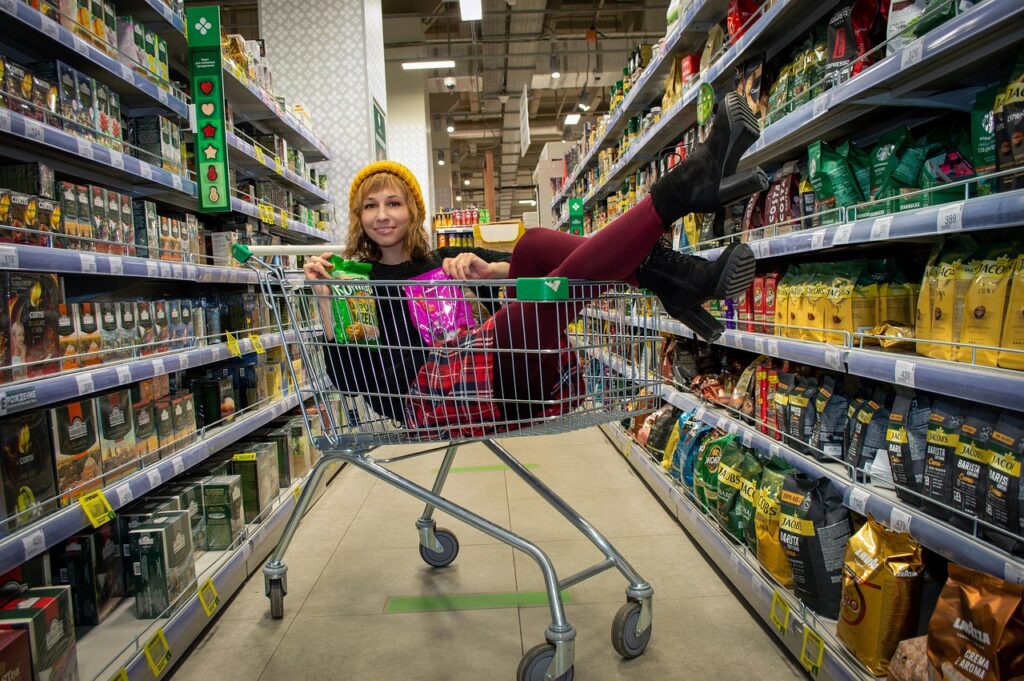
Picture this: you’re in the grocery aisle, phone in hand. A headline flashes: “6 Common Food Preservatives Were Linked to Cancer in This Massive Study.” Suddenly, your snack cart feels heavier. Here’s the thing about food additives and cancer: the full story is more nuanced — and far less scary.
This guide walks you through what the study really found. You’ll learn why a link is not a cause. You’ll meet the additives that showed up in the data. You’ll also learn the label names they hide under. Plus, you’ll get a simple system for choosing packaged foods with calm. No panic. No perfection required.
Quick Answer: Do Food Additives Cause Cancer?
The short answer is no — no single study proves that food additives cause cancer. Headlines linking food additives and cancer sound scary. But a link is not a cause. The new research ties several preservatives to higher risk. So read labels and choose whole foods most of the time. But don’t let a packaged snack send you into a spiral.
What the Study on Food Additives and Cancer Really Found
A 2026 study in The BMJ followed 105,260 adults in France. It’s part of a big food study called NutriNet-Santé. People wrote down what they ate. Then researchers tracked who got cancer over time.
The study ran for years. People logged their food every six months. That’s a lot of data to work with.
After crunching the numbers, the team saw a pattern. People who ate more of six additives had higher cancer rates. Those six: potassium sorbate, sulfites, sodium nitrite, potassium nitrate, acetates, and sodium erythorbate. A group score for non-antioxidant additives also showed a link.
In plain terms, people who ate more of these additives were more likely to get cancer during the study. But the details matter. Sodium nitrite, for example, tied only to prostate cancer. And 11 of the 17 preservatives studied showed no link at all. This study adds one more chapter to the food additives and cancer story. It’s not a final verdict.
Food Additives and Cancer Risk: Why a Link Isn’t a Cause
So when you see food additives and cancer in the same headline, pause. A link means two things tend to appear together. It doesn’t mean one caused the other.
Think of it this way. People who eat more ice cream also get more sunburns. Not because ice cream causes sunburn. Because both happen in summer. This study just watched real life. It didn’t change anything about people’s diets.
People who eat more packaged foods often eat fewer vegetables too. They may also exercise less. Those habits matter for cancer risk. Researchers use math to adjust for these factors. But adjustment has limits. Diet is a tangle, and no single study untangles it fully.
On the flip side, this doesn’t make the results worthless. When large studies keep pointing the same way, experts pay attention. The smart response is informed caution, not fear.
The Preservatives the Study Actually Linked to Cancer
Now for the big question: which additives actually showed up in the data? Here they are, with the label names you’ll see in the store.
- Potassium sorbate (E202). Stops mold in cheese, baked goods, dried fruit, sauces, and wine. This one showed a link in the study.
- Sulfites. Keep dried fruit bright and help wine last longer. They can also set off asthma in people who react to them. The FDA says sulfites must be listed when they reach 10 ppm or more.
- Sodium nitrite (E250). Keeps bacon, hot dogs, and deli meat pink and blocks germs. In this study, it tied only to prostate cancer — not overall or breast cancer. That’s about 32% more prostate cancer cases in the group that ate the most.
- Potassium nitrate (E252). Shows up in cured and aged meats. Your body turns it into nitrite, so it’s in the same family.
- Acetates (E260s, acetic acid). Vinegar-related compounds in pickles, condiments, and packaged salads.
- Sodium erythorbate (E316). A curing aid used with nitrites in cured meats. It speeds up curing and keeps color stable.
The 5-Second Spotting Guide
Scan for a few patterns. Words ending in -ite or -ate are often preservatives, though not always. The initials BHA, BHT, and TBHQ are preservatives too. On imported foods, E-numbers in the 200s usually signal a preservative. See one? You’ve found a label worth reading.
One more twist: “uncured” bacon often uses celery powder. It’s rich in natural nitrates. Your body turns those into nitrites. So if you want to limit nitrites, look for “no nitrites or nitrates added” — even from plant sources.
What About BHA, BHT, TBHQ, and Sodium Benzoate?
This is where headlines get muddy. These four preservatives star in plenty of “avoid this” lists. But they did not show up in this study’s linked list.
- BHA and BHT. Keep oils in cereals, crackers, and chips from going stale.
- TBHQ. A lab-made preservative in crackers, frozen meals, and microwave popcorn. On labels, look for tert-butylhydroquinone.
- Sodium benzoate (E211). Keeps mold out of soda, salad dressing, pickles, and sauces.
None of these were among the additives tied to cancer in this BMJ analysis. In fact, 11 of the 17 preservatives studied showed no link. So if a headline ties food additives and cancer to this study and names these four, read it with doubt.
So why do these four keep showing up in scary lists? Because other studies have raised questions about them. This study just didn’t find that link.
Does that mean these additives are safe for sure? It means this study doesn’t point at them. Other research may raise other questions. But for this study, they aren’t the story.
A 30-Second Label-Reading System That Works
When it comes to food additives and cancer, the label is your best tool. You don’t need a chemistry degree. You just need a simple routine. Here’s one you can start today.
- First, read the ingredient list, not the front. “Natural” on the front means very little. The back tells the real story.
- Next, look for the endings. Many preservatives end in -ite or -ate. Spot one? You’ve found a preservative.
- Then, know the initials. BHA, BHT, and TBHQ hide in many crunchy snacks.
- Also, check E-numbers on imported foods. E200s are usually preservatives. E300s are usually antioxidants.
- After that, count the ingredients. A long list isn’t always bad. But a short list usually means fewer additives.
- Finally, choose what you recognize. If you can’t say it, you don’t have to buy it.
This isn’t about perfection. It’s about building awareness. The more you practice, the faster it gets.
Grab a box from your pantry and try it. Look at the list and see how fast you can spot a preservative. You’ll get quicker with time.
Realistic Swaps That Trim Your Exposure Today
No pantry purge required. Instead, pick one or two changes this week. Small habits you can keep up beat a big clean-out every time.
- Swap regular soda for sparkling water with lemon. It cuts a long additive list in one move.
- Choose chips with three ingredients. Potatoes, oil, and salt. Several brands make this simple.
- Buy deli meat sliced fresh at the counter. Pre-packaged slices are more likely to contain nitrites.
- Check “uncured” labels closely. Celery powder adds natural nitrates, which act like nitrites once eaten.
- Pick unsulfured dried fruit. It skips sulfites and still hits the spot.
- Make a quick vinaigrette with olive oil and vinegar. Bottled dressings often hide sorbates or other preservatives.
- Keep frozen vegetables on hand. They’re usually just vegetables — no additives — and still cheaper than takeout.
Notice what this list doesn’t include: cutting out everything you love. The goal is to reduce exposure, not to make a list of off-limits foods.
Small changes add up over time. You don’t have to do all seven at once. Pick one that feels easy. Build from there. And when you’re ready to go further, our guide to non-toxic food storage shares what toxicologists recommend for cutting everyday chemical exposure.
Frequently Asked Questions
Should I Stop Eating Deli Meat and Bacon?
The World Health Organization‘s cancer agency says processed meat can cause cancer. That came from a 2015 review by IARC. It sounds scary. But the rating shows how sure experts are — not how big the risk is. You don’t have to quit cured meats forever. Make them a sometimes food. When you buy them, look for “no nitrites or nitrates added.” And read the fine print about celery powder. And if you’re thinking about screening, our explainer on the colon cancer blood test covers what it can and can’t do.
Aren’t These Additives FDA-Approved?
Yes. The FDA allows these preservatives at levels it calls safe. The study authors note that their findings, if confirmed, point to a need for regulators to look again at older rules.
Is Organic Worth It for Avoiding Additives?
Organic rules ban some lab-made preservatives. But “organic” and “additive-free” are not the same. Always check the ingredient list, whatever the front says. If you shop the plant-based aisle, our guide to plant-based food additives is a handy companion.
A Note for Sensitive Readers
If you have asthma or react to sulfites, read labels with care. Sulfites hide in dried fruit, wine, and some condiments. They can set off symptoms. The FDA says sulfites must be listed when they reach 10 ppm or more. When in doubt, talk with your doctor. This article is for learning. It’s not a stand-in for medical advice.
The Bottom Line: Stay Informed, Not Afraid
Here’s the honest truth about the research on food additives and cancer: the science is still evolving.
This study is a useful clue, not a final verdict. It points to specific preservatives worth watching. It doesn’t condemn every additive or every packaged snack.
If you eat mostly whole foods and read labels when you don’t, you’re already ahead. The odd packaged snack is not a cancer sentence. Health lives in your everyday patterns, not in a single grocery trip. Curious about contaminants in produce too? Our report on PFAS in produce breaks down the 2026 Dirty Dozen findings.
So use the label system. Try a swap or two. Let scary headlines roll off your back. You now know what the study actually found — and what it didn’t.