

Diabetes-Friendly Fall Recipes: A Simple Plate Formula
Key Takeaways
- Most diabetes-friendly fall recipes come down to one move. Pair carbs with protein, fat or fiber, and blood sugar rises more slowly.
- Winter squash, pumpkin and sweet potato are carbohydrate foods. They belong in the carb quarter of your plate, not the vegetable half.
- Changing breakfast paid off in 25 randomized trials. Legume-based and low-glycemic breakfasts ranked best.
- Maple syrup is still added sugar. Cinnamon, vanilla, citrus and roasted fruit add fall flavor without the carb load.
- Every meal here has a plant-forward swap, because diabetes eating is not one-size-fits-all.
Pumpkin bread. Butternut squash soup. Apple everything. Fall food is cozy, and it can fit a blood sugar plan. The trick isn’t willpower. It’s structure. Most diabetes-friendly fall recipes follow one quiet pattern: a protein anchor, a fiber-rich carb, and plenty of nonstarchy vegetables.
Learn the pattern and you can walk into any autumn kitchen and build a steady meal. Here’s what this guide covers. First, the formula behind a steady fall plate. Next, which seasonal foods count as carbs and how to handle maple syrup. Finally, five meals you can cook this week.
Quick Answer: Can cozy fall food still fit a diabetes eating plan?
Yes — with structure. Eating carbohydrate foods alongside protein, fat or fiber slows how quickly your blood sugar rises. So the useful question is never whether squash is allowed. It’s what you put next to it. Build the plate right and most diabetes-friendly fall recipes fit just fine.
Why Diabetes-Friendly Fall Recipes Are About Pairing, Not Avoiding
Let’s be honest about the fall recipe roundups you’ve scrolled through. They look gorgeous, and they teach you almost nothing. You save two recipes and close the tab. You still don’t know if your sweet potato casserole works.
The research is more useful than the lists. CDC guidance on pairing carbohydrates with protein, fat, or fiber explains why. Carbs eaten with any of those three move into your blood more slowly. The same guidance notes that fruit juice raises blood sugar faster than whole fruit.
Here’s the good news. Once you understand the pairing rule, you can build your own diabetes-friendly fall recipes instead of hunting for someone else’s list.
One more thing worth clearing up. NIDDK’s guidance on healthy eating with diabetes is blunt. There is no clear proof that specific foods, herbs, spices or supplements manage diabetes. That matters, because plenty of fall recipe pages imply cinnamon fixes your blood sugar. It doesn’t. Cinnamon makes food taste better, which helps you use less sugar and salt. That’s a real win. It just isn’t a treatment.
The Fall Plate: A Simple Formula You Can Use All Season
Start with a 9-inch plate. Fill half with nonstarchy vegetables — cabbage, leafy greens, broccoli, cauliflower, peppers, green beans. Pile them high.
Fill one quarter with protein: salmon, chicken, turkey, tofu, tempeh, beans or lentils.
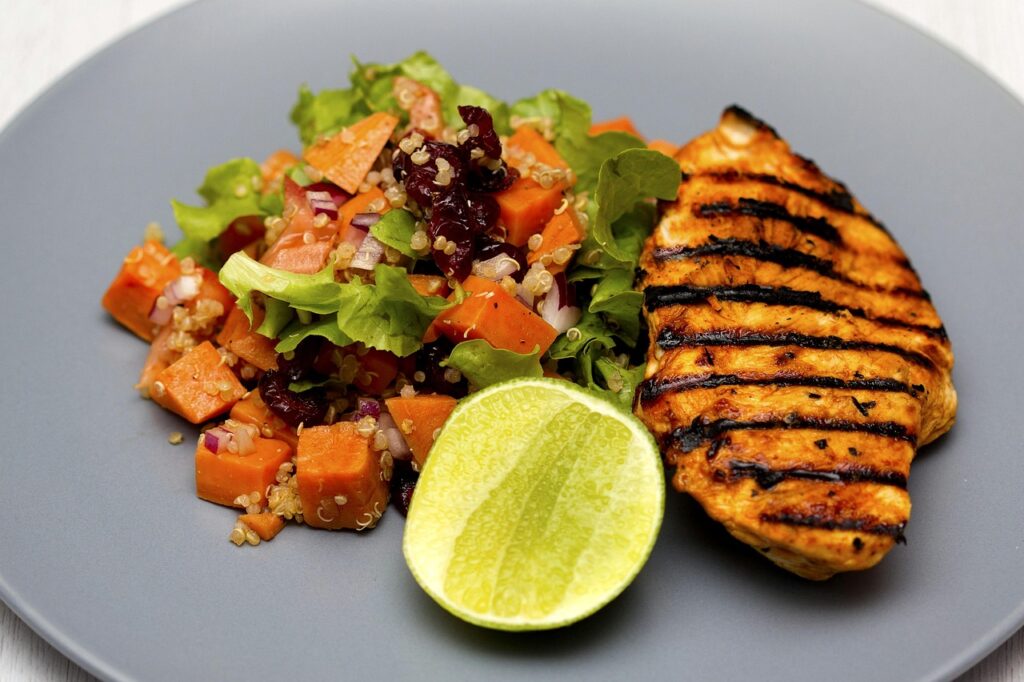
Fill the last quarter with fiber-rich carbs. Barley, farro, quinoa, beans, or a measured portion of squash or sweet potato. Both the CDC and NIDDK call this plate a practical way to control portions without counting every gram.
The Fall Plate in Four Steps
1. Half the plate: nonstarchy vegetables — cabbage, greens, broccoli, cauliflower, peppers.
2. One quarter: a palm-sized portion of protein — fish, poultry, tofu, beans, lentils.
3. One quarter: fiber-rich carbs — barley, farro, quinoa, beans, or measured squash and sweet potato.
4. Flavor without sugar: mustard, vinegar, herbs, garlic, citrus, olive oil, spices.
Now, you might be wondering whether going lower-carb would be better. The American Diabetes Association’s meal pattern guidance is refreshingly honest. There is no single eating plan that prevents or manages diabetes for everyone. Mediterranean, vegetarian, low-carb and DASH patterns all have real evidence behind them.
One of those patterns fits fall cooking neatly. A meta-analysis of randomized trials on the Mediterranean diet linked that pattern to real improvements in type 2 diabetes. Across 11 trials, HbA1c — your average blood sugar over about three months — fell by about 0.31 percent. Fasting glucose dropped by roughly 0.85 mmol/L, and BMI fell by about 0.83 points.
Those are modest numbers. They also come from ordinary eating: vegetables, beans, olive oil, fish and whole grains.
Which Fall Foods Fill Which Part of the Plate?
Here’s where nearly every fall recipe article gets vague. Squash is not a free vegetable. Neither is pumpkin, sweet potato, parsnip, corn or peas. They are carbohydrate foods. That doesn’t make them bad — it makes them portion decisions.
Fall Foods by Plate Section
Vegetable half (very little carb): cabbage, kale, spinach, Swiss chard, broccoli, cauliflower, Brussels sprouts, bell peppers, green beans, mushrooms, zucchini.
Carb quarter (count these): butternut and acorn squash, sweet potato, potato, parsnip, corn, peas, beans, lentils, barley, farro, apples, pears.
Protein quarter: salmon, cod, chicken, turkey, tofu, tempeh, eggs, Greek yogurt, cottage cheese, edamame, beans, lentils.
Want that vegetable half on the table fast? Our healthy broccoli salad recipes are a quick place to start. This is the detail that separates real diabetes-friendly fall recipes from pretty pictures.
Notice that beans and lentils appear twice. That is the point. They deliver protein and fiber at the same time. A randomized trial on 25 grams of pea fiber per day and glucose response found real benefit there. Adults with overweight or obesity added that much pulse fiber to meals for four weeks. Their total glucose exposure dropped.
That trial was small, with only 29 people finishing. So treat the result as promising rather than settled. Either way, it’s a good reason to keep beans and lentils in rotation.
The Sugar Reality Check: Maple Syrup, Dried Fruit and Applesauce
Now, you might be thinking: but the recipe says maple syrup is natural. Let’s be honest — natural is not the same as low-carb. Maple syrup is added sugar. One tablespoon carries roughly 12 grams of it.
Could that fit in a meal? Sure, if you count it. It works better as a measured accent than as a glaze poured over everything. The same goes for honey, agave and coconut sugar.
Fall Sweetener Reality Check
Maple syrup, honey, agave, coconut sugar: all added sugar. Count them in your carb quarter.
Dried cranberries, raisins, dates: concentrated fruit sugar. A small handful goes a long way.
Unsweetened applesauce: no added sugar, but the fruit sugar still counts.
Cinnamon, vanilla, nutmeg, ginger, orange zest: zero sugar, plenty of flavor.
Here’s a better route to fall sweetness. Roast apple or pear slices with cinnamon. Stir a spoonful of unsweetened applesauce into plain oats. Add vanilla and orange zest to Greek yogurt. On the flip side, if you love a maple glaze, measure one teaspoon, count it and enjoy it.
Get the sweetener math right and diabetes-friendly fall recipes stop being a guessing game.
Five Diabetes-Friendly Fall Recipes to Start With
You don’t need twenty recipes. You need five that teach the pattern.
Breakfast is the smartest place to begin. A 2026 meta-analysis of 25 randomized trials on breakfast composition found big returns. Changing what people ate in the morning cut two-hour post-meal glucose by 1.90 mmol/L. It also lowered HbA1c by 0.52 percent. Legume-based breakfasts ranked highest for post-meal glucose. Low-glycemic ones came second.
- Pumpkin black bean breakfast bowl. Black beans, plain Greek yogurt, pumpkin puree, chili powder and cilantro. Legume-based, high protein, ready in ten minutes.
- Chicken, white bean and cabbage soup. One pot, big batch, and freezer-friendly — much like the make-ahead dinners we keep in rotation. Swap the chicken for extra white beans and a handful of barley.
- Sheet-pan salmon with Brussels sprouts and squash. Dijon, lemon and garlic instead of a maple glaze. Keep the squash in the carb quarter.
- Butternut squash and lentil chili. Lentils carry the protein. The squash counts as your smart carb, so keep the bowl moderate.
- Spiced apple chia jar. Chia seeds, unsweetened almond milk, diced apple and cinnamon. Make it the night before and grab it on the way out.
Rotate those five and you have a week of steady meals. You can stop searching for diabetes-friendly fall recipes entirely.
One more reason to lean on beans and barley. A systematic review of 25 randomized trials on low-glycemic-index diets found modest but real gains. HbA1c fell by about 0.22 percent and fasting glucose by about 0.19 mmol/L. The benefits were strongest in people with type 2 diabetes and in programs lasting 12 weeks or longer.
The Order You Eat In Matters — a Little
Here’s a tactic that costs nothing. One randomized crossover trial testing vegetable-first eating compared four ways of eating the same meal. Researchers used continuous glucose monitors to track the results. Women who ate vegetables first, then protein, then carbs had lower glucose peaks and steadier readings.
One honest caveat. That study was small — just 33 women, and they were at higher risk rather than diagnosed with diabetes. Treat the habit as promising and free, not proven.
Make It Plant-Forward, Dairy-Free or Budget-Friendly
Most fall roundups assume you eat chicken, fish and yogurt all week. Not everyone does, and these swaps keep diabetes-friendly fall recipes workable for more people.
- Plant-forward: Trade half the meat for beans, lentils, edamame or tofu. The plate quarters stay the same.
- Dairy-free: Use soy or coconut yogurt instead of Greek yogurt. Hummus or mashed white beans stand in for creamy cheese.
- Budget-friendly: Canned beans, frozen vegetables, canned pumpkin and frozen edamame cost less and keep for months.
- Gluten-free: Switch barley and farro for quinoa, brown rice or buckwheat.
Two habits beyond the plate help as well. NIDDK’s activity guidance suggests most adults aim for at least 150 minutes of moderate activity each week, plus strength training twice weekly. Sleep matters more than most people expect, too. Too little can push blood sugar up.
Common Questions About Fall Eating
Can I eat sweet potato if I have diabetes?
Yes. Sweet potato is a carbohydrate food, so it sits in the carb quarter of your plate. Pair it with protein and nonstarchy vegetables, and keep the portion moderate.
Is butternut squash a vegetable or a carb?
For plate-building, winter squash counts as a carb. It is fiber-rich and nutritious, but it fills part of your carb quarter rather than your vegetable half.
Do I need to count carbs?
Not necessarily. NIDDK notes that if you don’t take insulin, the plate method may be enough. If you do take insulin, carb counting helps you match your dose.
What makes a fall recipe diabetes-friendly?
Three things: a protein anchor, fiber-rich carbs and a generous serving of nonstarchy vegetables. Most diabetes-friendly fall recipes follow that shape, even when the recipe card never says so.
The Bottom Line
Diabetes-friendly fall recipes work best as a pattern, not a perfect ingredient list. Fill half your plate with nonstarchy vegetables. Add a palm of protein. Measure the carbs, including squash, sweet potato and maple syrup. Then eat the vegetables before the carbs.
Do that and pumpkin season stops being something you white-knuckle through. It becomes something you actually enjoy — steady energy, cozy food, no guesswork.
One last note. If you take insulin or a medication that can cause lows, talk with your care team first. A dietitian can tailor these ideas to your numbers, your medicines and your kitchen.