5 Best Frozen Foods for Gut Health, Recommended by Dietitians
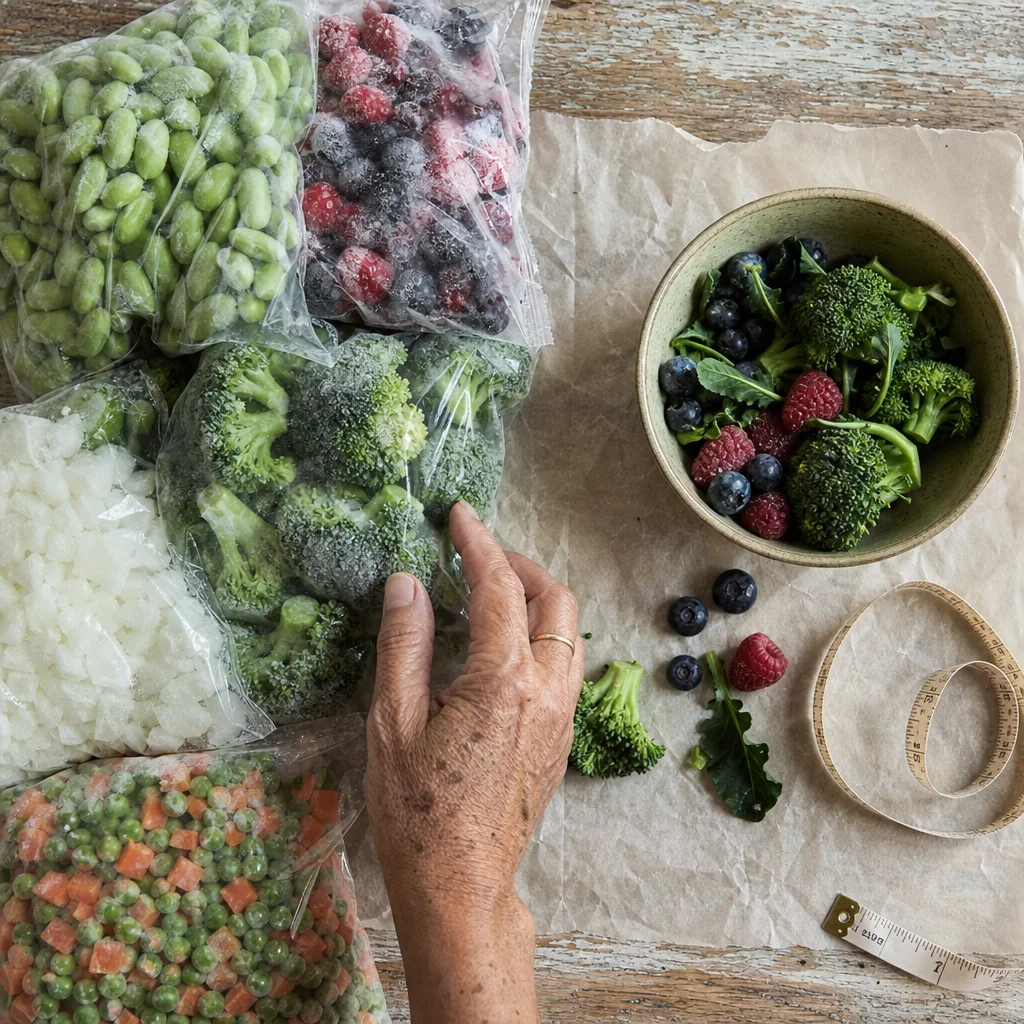
Picture this: you’re at the store, holding a bag of frozen organic broccoli and a fresh crown. Which one is better for your gut? If you grabbed the fresh one, you’re not alone. But here’s the truth: frozen foods gut health is a real thing. Frozen produce is picked at peak ripeness and flash-frozen fast. This locks in nutrients. A key study found that frozen produce retains comparable or, in some cases, higher levels of key vitamins and gut-friendly compounds than fresh produce that has traveled far and sat on shelves. Let’s explore why the freezer aisle may be one of the best places to shop for your microbiome.
Key Takeaways
- Nutritionally Comparable or Better: Frozen produce is just as good as fresh, and often higher in some vitamins and polyphenols.
- Gut Microbiome Boost: Polyphenols and fiber in frozen foods feed good gut bacteria, improving diversity and lowering inflammation.
- Top 5 Picks: Edamame, berries, broccoli, onions, and peas & carrots are dietitian favorites for gut health.
- Budget-Friendly: Frozen foods help you hit fiber goals without breaking the bank.
Why Frozen Foods Gut Health Is a Smart Choice
The science is clear. A 2015 study from UC Davis looked at vitamin retention in frozen versus fresh produce. It found that frozen fruits and veggies are nutritionally comparable to fresh. In some cases, frozen had more vitamin C and E. That means frozen foods gut health benefits are real. Another UC Davis study showed that frozen produce keeps its fiber and polyphenols just as well as fresh. Fiber and polyphenols are what feed your gut bacteria. Sure, beta-carotene can drop a bit in some frozen veggies like carrots. But for overall gut health, frozen options are a win.
5 Best Frozen Foods for Gut Health You Should Stock
What should you put in your cart? Here are the top five frozen foods for a healthier gut, backed by research and dietitians.
1. Edamame: Fiber and Protein Powerhouse
One cup of shelled edamame has 8 grams of fiber and 18 grams of plant protein. Your gut bacteria — which thrive on a diverse diet, as we explain in our guide to building a gut-healthy breakfast — ferment that fiber into short-chain fatty acids (SCFAs). These SCFAs help keep your colon lining healthy and lower inflammation. Dietitian Patricia Bannan says to toss them into stir-fries, salads, or blend into hummus. Frozen edamame is just as healthy as fresh, and it’s always ready to use.
2. Berries: Polyphenol Powerhouses
Blueberries, raspberries, and strawberries are full of polyphenols. A 2026 meta-analysis in the journal Nutrients found that polyphenols boost Bifidobacterium — a key good gut bacteria — by a moderate-to-large amount. Frozen berries are flash-frozen right after picking, so their polyphenols stay locked in. Throw them into oatmeal, yogurt, or smoothies for an instant gut boost.
3. Broccoli: The Gut Guardian
Frozen broccoli is packed with glucosinolates, which gut bacteria turn into anti-inflammatory compounds. A 2025 animal study in The Journal of Nutrition found that broccoli increased gut microbial diversity and boosted butyrate (a short-chain fatty acid that strengthens the gut barrier) — at doses that would be achievable in a human diet. Human studies also show that sulforaphane, a compound in broccoli, helps reshape gut bacteria and improve metabolic health. Roast frozen broccoli straight from the freezer with olive oil, garlic, and salt. Finish with lemon and hemp seeds.
4. Onions: Prebiotic Goldmine
Frozen diced onions are a hidden gem for gut health. They’re rich in inulin, a prebiotic fiber that feeds good bacteria like Bifidobacterium and Lactobacillus. Onions also have quercetin, an antioxidant that protects your gut lining. No need to thaw frozen onions — just toss them into a hot pan with oil and cook until translucent. Easy.
5. Peas & Carrots: Gut-Healthy Duo
This classic combo gives your gut a double boost. Peas provide plant protein that helps good bacteria grow. Carrots offer prebiotic fibers that boost microbial diversity. One cooked cup gives you about 5 grams of fiber. Dietitian Joan Salge Blake recommends tossing a bag of frozen peas and carrots into soup for an instant fiber lift. It’s one of the easiest ways to add more gut-friendly veggies to your week.
How to Pick the Best Frozen Foods for Gut Health
Not all frozen foods are equal. For the best gut health boost, follow these tips. Choose single-ingredient foods. The list should say just “broccoli,” “blueberries,” or “edamame.” Avoid added sugars, salt, and sauces. Check for flash-frozen. That process locks in nutrients at peak ripeness. Store at 0°F or lower (USDA recommendation). Use airtight bags to stop freezer burn. Cook gently. Avoid overcooking. Gentle steaming or roasting helps keep the nutrients intact. And when you’re picking frozen items, remember that frozen foods gut health benefits come from plain, minimally processed options.
Frequently Asked Questions
Are frozen veggies as healthy as fresh?
Yes. Multiple studies show they’re comparable. Cleveland Clinic confirms frozen can even be more nutritious because flash-freezing locks in nutrients.
Can frozen foods help with bloating?
Yes. The fiber in frozen edamame, broccoli, and peas helps regulate digestion and feeds good bacteria — a topic we explore in our high protein breakfast guide for gut health — which can ease bloating over time. Increase fiber slowly and drink water.
What should I look for on the label?
Single ingredient only. Just the fruit, veggie, or legume. Skip anything with added sugar, fat, or cream sauces. A pinch of salt is okay.
The Bottom Line
Next time you plan meals, don’t skip the freezer aisle. Frozen foods gut health benefits are backed by real science. Whether you’re adding frozen berries to oatmeal, roasting broccoli for dinner, or blending edamame into a dip, you’re giving your microbiome exactly what it needs. So load up that freezer. Your gut — and your wallet — will thank you.