

Avocado Storage: How to Keep Cut Avocados Fresh
Key Takeaways
- Avocados are a heart-healthy staple — and smarter avocado storage means fewer wasted halves and more benefits on your plate.
- The viral water-submersion hack is a food-safety no-go. FDA sampling found Listeria on nearly 18% of avocado skins.
- For cut avocado, the winning combo is citrus, a tight seal, and the fridge. Expect 1–2 days, not weeks.
- Beeswax wraps and airtight containers are solid plastic-free options for short-term storage.
- Freezing is your best food-waste strategy. Mash with a little citrus, portion it, and use within 3–6 months.
Picture this: you finally catch an avocado at that perfect moment — creamy, green, and ready for toast. Then dinner plans shift, and half of it sits in the fridge turning brown by morning. But if you’ve winced at the cost of tossing spoiled fruit, you know the struggle. So here’s the thing: mastering avocado storage is one of those small kitchen skills that pays off every week. Plus, it saves money, cuts food waste, and keeps a cardiologist-approved fruit within reach.
Here’s the plan. First, we’ll look at why avocados earn their heart-healthy reputation.
Then you’ll learn the science of browning, plus the storage methods that actually work — and how long they last. We’ll also explain why the viral water trick is a no-go. Finally, you’ll get a simple freezer routine that ends wasted avocados for good.
Quick Answer: What’s the Best Way to Store Avocados?
So the best avocado storage method depends on where your avocado is in its ripening journey.
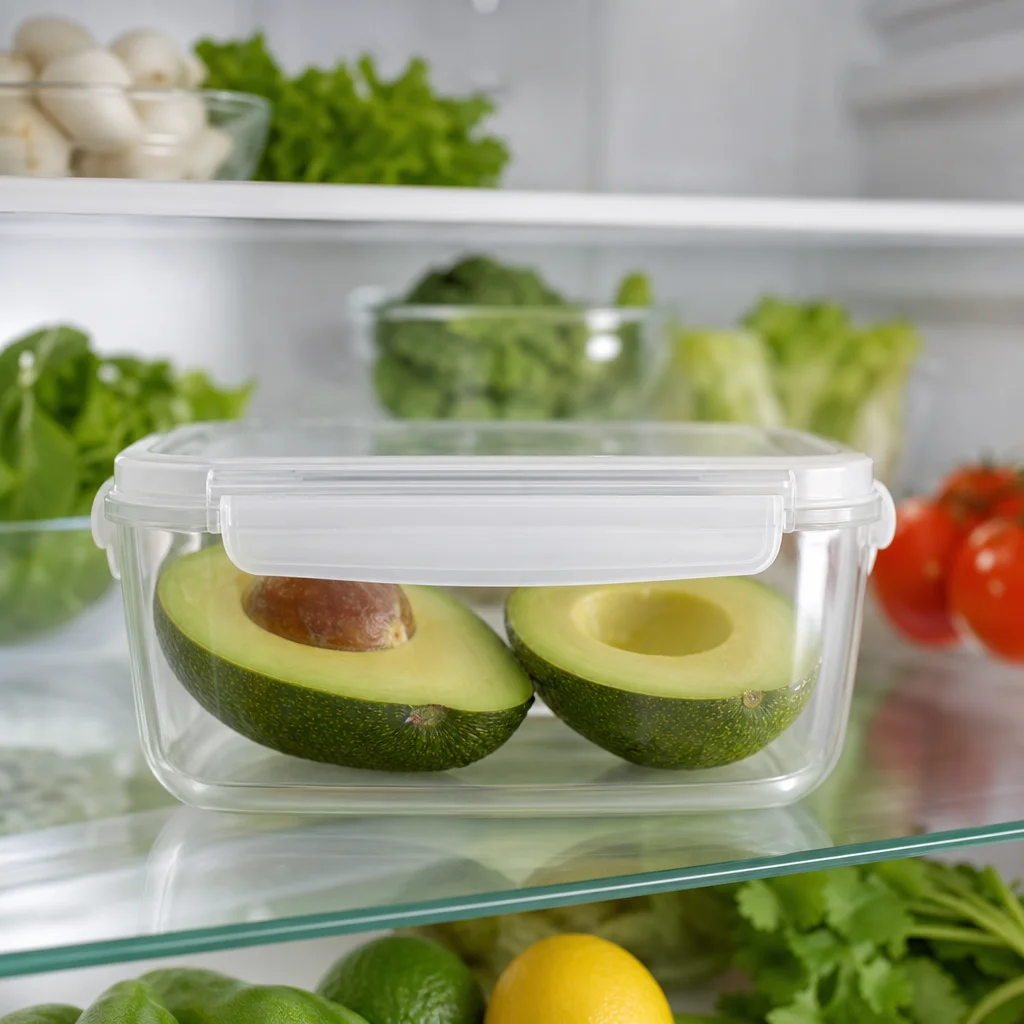
First, ripen whole avocados on the counter, then move them to the fridge once they’re ready. For cut halves, brush the flesh with lemon or lime juice, wrap it tightly (plastic wrap, beeswax wrap, or an airtight container all work), and refrigerate. In short, use cut avocado within 1–2 days. And skip the water-submersion hack — it’s a food-safety risk.
Why Avocado Storage Is a Heart-Health Habit
First, let’s talk about why this fruit is worth the effort. In short, avocados are rich in monounsaturated fat — the kind that supports healthy cholesterol levels. For example, the NHLBI notes a serving delivers about 5 grams of monounsaturated fat. It also provides plenty of potassium and almost no sodium.
What’s more, the research is encouraging. For instance, a 2022 study followed more than 110,000 adults. People who ate at least two servings of avocado per week had a 16% lower risk of cardiovascular disease. They also had a 21% lower risk of coronary heart disease. In fact, the strongest benefits appeared when avocado replaced butter, margarine, cheese, or processed meats.
Additionally, randomized trials back this up. Also, a meta-analysis of seven randomized trials found that avocado-rich diets lowered total cholesterol. Meanwhile, LDL (“bad”) cholesterol dropped compared with habitual or low-fat diets. For a deeper dive into the evidence, see our guide on avocado heart health.
But here’s the thing: these benefits only count if the avocado actually reaches your plate. As a result, better avocado storage means fewer wasted halves and more heart-healthy meals. Yet that’s the connection most storage guides skip.
Why Cut Avocados Turn Brown (and Why Lemon Juice Works)
Browning looks like spoilage, but it’s actually chemistry. Avocado flesh contains an enzyme called polyphenol oxidase, or PPO. When you cut the fruit, that enzyme meets oxygen in the air.
Together with natural compounds called phenols, it creates brown pigments. So the same reaction darkens apples and potatoes.
Why Lemon Juice Works
So the fix is simple: block the enzyme or block the oxygen. For instance, research on organic acids and avocado browning shows that citric acid and ascorbic acid inhibit the PPO enzyme. In fact, both are found in lemon and lime juice. That’s why a few drops of citrus work so well.
Is Brown Avocado Safe to Eat?
However, here’s some reassurance: brown avocado is safe to eat. And the color change is cosmetic, not a sign of spoilage. So just trim the browned layer and enjoy the rest. But if your avocado smells sour or feels slimy, toss it. In other words, that’s microbial spoilage, not simple browning.
Don’t Want Lemon Flavor? Try These
But you have options. For example, a tight seal alone blocks oxygen.
You can also store the cut half with a slice of onion — keep it against the skin, not the flesh. Or brush the surface with olive oil for a simple barrier. These methods work, though citrus adds the strongest protection.
The Best Avocado Storage Methods, Compared
Ready for the honest comparison? So here’s how the most popular avocado storage methods stack up, based on food-safety guidance and real kitchen experience.
| Method | How Long It Lasts | Best For | Notes |
|---|---|---|---|
| Counter (whole, unripe) | 1–4 days to ripen | Planning ahead | Speed ripening with a paper bag and a banana or apple. |
| Fridge (whole, ripe) | 1–2 days; up to about a week in the crisper | Buying ahead | Check daily; ripening continues slowly. |
| Citrus + tight wrap (cut) | 1–2 days | Half an avocado | Use plastic wrap, beeswax wrap, or an airtight container. |
| Beeswax wrap (cut) | 1–2 days | Plastic-free kitchens | Warm the wrap with your hands to seal it tightly. |
| Airtight container (cut) | 1–2 days (add citrus for best results) | Lunch meal prep | Add citrus for best results. |
| Freezer (mashed or halved) | 3–6 months | Smoothies, guacamole | Add citrus, portion flat, thaw in the fridge. |
Plastic-Free Options That Actually Work
Plastic wrap does create an excellent oxygen barrier — that’s why experts keep recommending it. But beeswax wraps are a credible plastic-free alternative for the 1–2 day window most cut avocado halves actually last. First, warm the wrap in your hands, press it against the flesh, and refrigerate. Also, silicone lids and airtight containers work.
The 30-Second Rule for Cut Avocado
First, keep the pit in the unused half. It reduces the exposed surface area. Add a few drops of citrus, then seal it tight. Refrigerate and use within two days. That’s the whole trick.
The Viral Water Trick, Debunked
So you’ve probably seen the viral hack. Submerge avocados in water, refrigerate, and enjoy “fresh” fruit for weeks. It looks clever. It’s also a food-safety no-go.
And the concern comes straight from the FDA’s avocado sampling data. For example, in a survey of 1,615 avocados, researchers found Listeria on 17.73% of the skins. Salmonella showed up on 0.74% of samples. Both are bacteria that can cause food poisoning.
Those numbers matter because the skin touches your knife — and your knife touches the flesh you eat.
But submerging the fruit in water turns a small surface risk into a bigger one. Bacteria need moisture, time, and food to multiply. And a container of water in the fridge provides all three.
What’s more, a 2026 food-safety study found that cutting transfers skin bacteria to the pulp. Listeria could even grow on cut avocado pulp during refrigeration.
On the other hand, don’t assume the fridge clears the skin. For instance, research on how long bacteria survive on avocado skins shows both Salmonella and Listeria can linger for days. That’s true even at fridge temperatures. That’s why washing comes first.
Before You Cut: Wash the Whole Avocado
First, follow the FDA’s produce-safety tips. Rinse the avocado under running water. Scrub it with a clean produce brush, then dry it with a towel. And don’t use soap or produce wash — fruit is porous and can absorb it. This simple step keeps surface bacteria off your knife and out of your food.
From Rock-Hard to Ready: Ripening, Freezing, and Meal Prep
In fact, great avocado storage starts before the first cut. Avocados are climacteric fruits, which means they keep ripening after harvest. They also release a gas called ethylene that drives the process. So a firm avocado belongs on the counter, not in the fridge.
How to Ripen Avocados Faster
To speed things up, place the avocado in a paper bag with a banana or apple. Because those fruits release extra ethylene, they nudge the avocado along. So check daily.
You’ll know it’s ready when the skin darkens. The flesh gives slightly to pressure, and the stem cap pops off easily.
What if you’ve already cut into an underripe avocado? Still, don’t toss it. Press the halves back together, wrap them tightly, and refrigerate. The fruit will keep ripening slowly in the fridge — give it a day and check again.
How to Freeze Avocados
Now for the food-waste champion: the freezer. Mash ripe avocado with a little lemon or lime juice, then portion it flat in a freezer bag. Halves work too — just peel them first.
Frozen avocado keeps for 3–6 months. Because of the texture change, use it in smoothies, mousse, or guacamole rather than fresh slices.
Meal-Prep Tip: Avocado That Stays Green
Need avocado for tomorrow’s lunch? Then brush the cut side with citrus, wrap it tightly, and pack it cold. It’ll hold its color through the morning. For guacamole, press plastic wrap or a beeswax wrap directly onto the surface before sealing the container. In other words, less air contact means less browning.
Avocado Hand: How to Cut Safely
One more piece of smart avocado storage? Safe cutting. An analysis of avocado-related ER injuries counted about 50,000 emergency visits between 1998 and 2017. In fact, about 80% of those injuries happened to women. Indeed, the most common scenario is slicing the fruit while holding it in your hand.
Here’s how to avoid becoming a statistic. Always cut on a cutting board, never in your palm. Scoop the pit out with a spoon instead of whacking it with the blade.
And wash the avocado before you cut. That way, you’re not pushing surface bacteria into the flesh.
Frequently Asked Questions
How long does cut avocado last in the fridge?
So with good avocado storage habits — citrus, a tight seal, and the fridge — cut avocado lasts 1–2 days. That’s the honest window. But past that, quality drops and food-safety risk climbs.
Can you freeze a whole avocado?
Not really. Whole avocados don’t freeze well because of their high water content. Mash the flesh or freeze halves instead. Add citrus, portion them flat, and use within 3–6 months.
Is the water-submersion hack ever safe?
No. The FDA doesn’t recommend storing avocados in water. The skin can carry Listeria, and water creates ideal conditions for bacteria to multiply. Because of that, stick with citrus and a tight seal.
Build a Simple Avocado Routine
So here’s how to put it all together. First, buy firm avocados and let them ripen on the counter. Next, move ripe ones to the fridge. When you cut one, wash it first, then seal the leftover half with citrus and a tight wrap. Finally, freeze anything you can’t finish within two days.
That’s it. In short, a smarter avocado storage routine keeps this heart-healthy fruit ready when you are. You’ll waste less food, use less plastic, and actually enjoy the avocados you paid for.
The Bottom Line
So let’s be honest: avocados are too good — and too pricey — to keep losing to the trash bin. Smarter avocado storage comes down to three moves.
First, ripen on the counter. Then refrigerate once ready, and seal cut halves with acid and a tight wrap. Also, skip the water hack. Wash before you cut, and freeze what you can’t finish.
Your heart, your wallet, and your waste bin will all thank you. Now go enjoy that avocado toast. No guilt, no spoiled half hiding in the back of the fridge.