

6 Blood Sugar Friendly Dinners in 3 Steps or Less
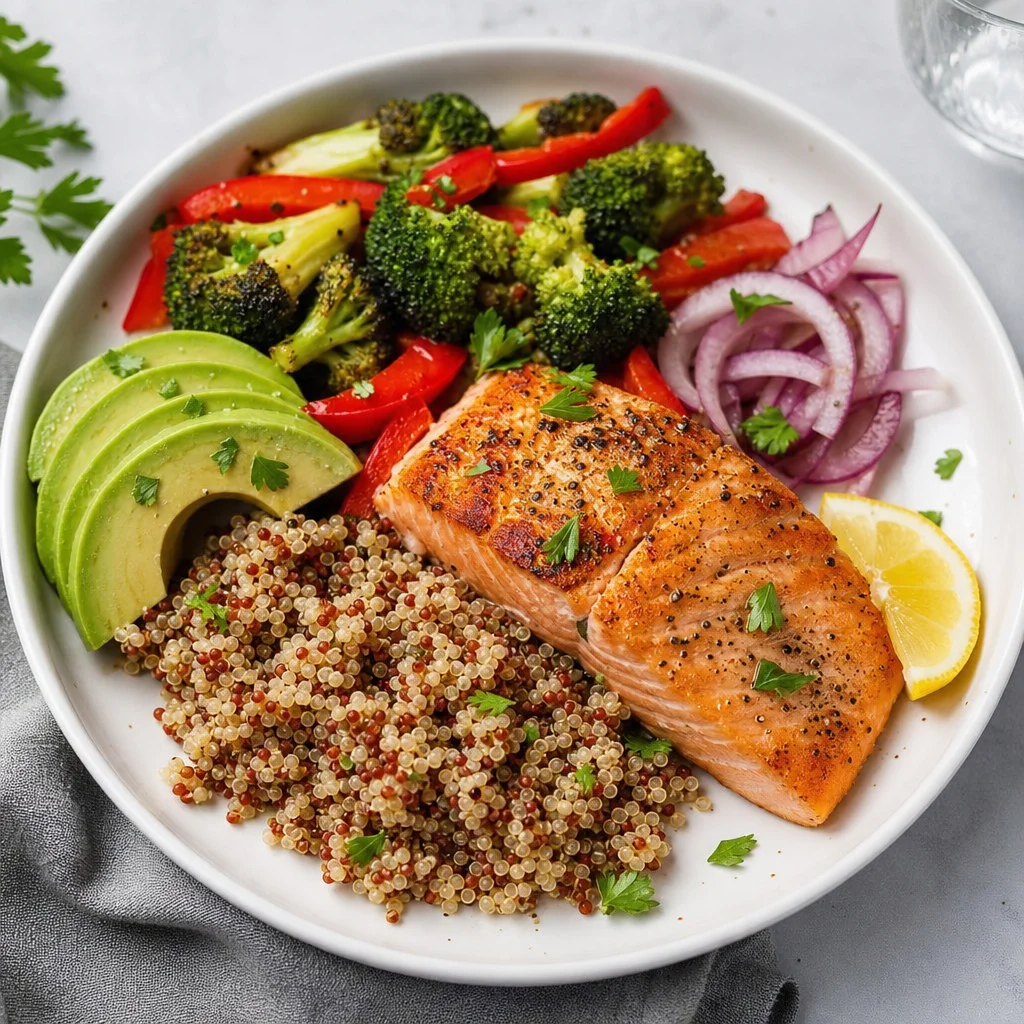
Picture this: it’s 6 p.m., you’re tired, and dinner needs to happen. You want something that tastes good and keeps your energy steady. But you’re not in the mood for a complicated recipe or a special diet. Here’s the good news: blood sugar friendly dinners don’t require fancy ingredients, hours in the kitchen, or restrictive rules. They just require a smarter plate.
Dinner directly shapes your blood sugar in the hours after your meal. When you balance protein, fiber-rich carbs, and healthy fats, your body absorbs those carbs more slowly. That means steadier energy and fewer cravings. And you can get all that with dinners that come together in three steps or less.
Let’s explore what makes these meals work. Next, we’ll cover the formula, a six-day plan, and a shopping list.
Quick Answer: What Makes a Dinner Blood Sugar Friendly?
Blood sugar friendly dinners balance three things. You need a lean protein, a fiber-rich carbohydrate, and nonstarchy vegetables. Add a little healthy fat. The easiest way to build one is the plate method. Fill half your plate with nonstarchy veggies. Use a quarter for protein and a quarter for fiber-rich carbs. No counting, no measuring, no special foods required.
Why Blood Sugar Friendly Dinners Work: The Science in Plain English
Let’s be honest: most diet advice feels like it was written for someone with unlimited time and willpower. But the science behind blood sugar friendly dinners is actually simple. It comes down to one mechanism: digestion speed.
When you eat carbohydrates alone, your body breaks them down quickly. Think of a big bowl of white pasta with nothing else. Glucose hits your bloodstream fast, and your blood sugar spikes. Then it crashes, leaving you tired and hungry an hour later.
When you pair those same carbs with protein, fat, or fiber, digestion slows down. The CDC’s diabetes meal planning guidance puts it plainly: eating carbs with foods that have protein, fat, or fiber slows how quickly your blood sugar rises. That means a flatter curve, and a steadier you.
The Three Blood Sugar Balancers
Protein: A randomized study on adding protein to meals found that adding animal or plant protein to carb staples reduced post-meal glucose and increased fullness. Plant proteins work just as well as animal proteins. So lentils, beans, and tofu count.
Fiber: Observational research in women found that higher fiber intake at dinner was linked to a significantly lower glycemic response. That’s one reason beans, lentils, and vegetables are non-negotiables. Need snack ideas? These high-fiber snacks for better blood sugar make it easy.
Healthy fat: Fat digests slowly and slows the whole meal. Think olive oil, avocado, nuts, and seeds. A little goes a long way.
The Blood Sugar Friendly Plate: A Simple Formula You Can Use Tonight
Now, you might be thinking: Do I really need to count grams and track everything? No. The NIDDK’s healthy living guidance and the American Diabetes Association’s meal planning guide both point to the same tool: the plate method.
Here’s what’s actually happening. You take a nine-inch plate and divide it like this:
- Half nonstarchy vegetables — broccoli, greens, peppers, green beans, salad, roasted tomatoes
- One quarter lean protein — chicken, salmon, tuna, tofu, beans, eggs, lean beef
- One quarter fiber-rich carbs — brown rice, quinoa, lentils, sweet potato, corn, beans
That’s it. No calorie counting. No carb grams to memorize. For most people, whether you’re managing diabetes or just want steady energy, this simple formula covers the essentials. Want breakfast and lunch covered too? Our 7-day blood sugar meal plan pairs perfectly with this dinner formula.
A note for anyone taking insulin: NIDDK notes that carb counting can help you match insulin doses. The plate method works for everyone. But if you take insulin, work with your care team to find the approach that fits your medication plan.
Why Protein Makes Blood Sugar Friendly Dinners Work
Protein is one of the main reasons blood sugar friendly dinners keep you satisfied long after the plate is empty. Here’s the science.
Research on protein-rich meals found that meals higher in protein (and lower in carbohydrate) produced favorable glucose and insulin responses. This was true for people with and without type 2 diabetes. However, responses varied for some subgroups, such as people with a low BMI or poorly controlled type 2 diabetes.
Your goal for dinner: a serving of protein about the size of your palm. The CDC’s portion guide says 3 ounces of meat, fish, or poultry equals a palm. For most lean proteins, that lands around 25 grams.
The best part? The protein source matters less than you’d think. Chicken, salmon, tuna, eggs, tofu, lentils, and beans all do the job.
Bonus Hack: Eat Your Food in the Right Order
Here’s a zero-effort trick that no other dinner plan seems to mention: food sequencing. The idea is simple: eat vegetables first, then protein, and save the carbs for last.
Harvard Health on food sequencing explains why. The fiber in veggies can help slow the absorption of carbs you eat later. Protein and fat digest more slowly too. So eating them earlier blunts the blood sugar spike from the rice or pasta that follows.
And it’s not just theory. A 2025 study of healthy young women tested this pattern. Eating vegetables first, then protein, then carbohydrates improved glucose peaks. It also reduced time above target range. The improvements appeared across meals, including dinner.
So tonight, try this: eat your salad or roasted veggies first. Then your salmon or chicken. Save the rice for the end. It costs nothing and takes zero extra time. As Harvard Health notes, the evidence is still emerging. But it’s a useful hack worth trying, not a replacement for a balanced plate.
6 Blood Sugar Friendly Dinners for Your Week (3 Steps or Less)
Now for the fun part: putting the formula to work. These six blood sugar friendly dinners each balance protein, fiber-rich carbs, and healthy fats. Every single one comes together in three steps or less. For another round of weeknight ideas, check out our easy blood sugar dinners weekly plan. We’ve also kept sodium and saturated fat in mind, because those matter for heart health too.
Sunday: Stuffed Peppers with Frozen Fried Rice
This one uses a brilliant shortcut: frozen fried rice. Combine it with edamame and tuck it into bell peppers. Each serving delivers 17 grams of protein and 8 grams of fiber. The sesame oil, soy sauce, and a touch of chile-garlic sauce do all the flavor work. Serve with mixed greens for extra crunch.
Monday: Roasted Salmon & Tomatoes with Garlic & Olives
Salmon is quick to cook and rich in heart-healthy omega-3s. It pairs beautifully with burst cherry tomatoes. Toss everything on a sheet pan with Kalamata olives, garlic, and thyme. Add a slice of whole-wheat baguette to soak up the juices. That’s your fiber-rich carb.
Tuesday: Chopped Chicken & Sweet Potato Salad
Ready in just 10 minutes, this colorful salad is a weeknight lifesaver. Chicken and cheddar add protein. Sweet potato, greens, apple, and avocado deliver 10 grams of fiber, about a third of your daily needs. Sunflower seeds add crunch and healthy fats. Rotisserie chicken works perfectly here.
Wednesday: French Lentil Salad
Lentils deserve a permanent spot in your pantry. Their earthy flavor pairs beautifully with crunchy vegetables, fresh herbs, and a bright lemon-Dijon vinaigrette. A sprinkle of feta adds a creamy, salty finish. This is fiber and plant protein doing their best work. Love a salad-based dinner? Try our blood sugar friendly salad for another refreshing bowl.
Thursday: Slow-Cooker Chicken & Brown Rice with Roasted Corn & Black Beans
Ten minutes of active prep, then the slow cooker takes over. Chicken and black beans combine for 33 grams of protein per serving. Brown rice, beans, and corn add fiber-rich carbs. Finish with cotija cheese, cilantro, and a squeeze of lime.
Friday: Spicy Tuna Salad Tostadas
Canned tuna is the ultimate budget-friendly pantry staple. Mix it with serrano pepper, lemon juice, and cilantro. Then pile it onto crunchy tostadas. Minimal cooking, maximum flavor, and plenty of protein to end the week strong.
Smart Shortcuts That Keep You on Track
You don’t need to cook everything from scratch. Frozen fried rice, rotisserie chicken, canned tuna, microwaveable quinoa, and frozen vegetables are all perfectly good shortcuts. The formula matters more than the source. A meal built from a rotisserie chicken and a bag of frozen veg still follows the plate.
The Blood Sugar Friendly Dinners Shopping List
A little planning goes a long way. Here’s a sample shopping list to get you through the week without extra trips. For the staples worth keeping stocked, see our blood sugar foods grocery list.
Produce
- Bell peppers (4–6), mixed greens, cherry tomatoes, sweet potatoes
- Garlic, fresh thyme, cilantro, serrano pepper, lemons, apple
- Avocado, fresh herbs (parsley or dill), baby spinach
Protein
- Salmon fillets (4), chicken breast or rotisserie chicken, canned tuna
- Edamame (frozen), lentils (dried or canned), black beans
Pantry & Frozen
- Frozen fried rice, brown rice, Kalamata olives, sunflower seeds
- Low-sodium soy sauce, sesame oil, chile-garlic sauce, Dijon mustard
- Olive oil, feta or cotija cheese, whole-wheat baguette, corn tostadas
Keep Blood Sugar Friendly Dinners Heart-Smart
Blood sugar friendly dinners should also be heart friendly. That means watching two things: sodium and saturated fat. You don’t need to obsess, just make smart swaps.
- Choose low-sodium soy sauce instead of regular. It cuts a meaningful amount of sodium without changing flavor.
- Use olive oil or avocado oil instead of butter for cooking and dressings.
- Go for skinless chicken, or remove the skin, to trim saturated fat easily.
- Limit processed meats and deli meats, which pack in sodium. Fresh chicken, fish, and beans are better bases.
- Rinse canned beans before using. It washes away a surprising amount of sodium.
Flavor doesn’t have to suffer. Garlic, citrus, fresh herbs, chile, and vinegars add plenty of punch without the salt shaker.
One More Thing: Your Body Is Unique
Here’s an honest note, because you deserve it. Research on individual blood sugar responses shows that the same meal can affect two people very differently. Your genetics, your gut bacteria, and your activity level all play a role.
So treat this guide as your starting point. If you have diabetes or prediabetes, work with your doctor or a registered dietitian to personalize the plan. If you’re simply after steady energy, use the plate method and pay attention to how you feel. The formula is a strong, evidence-based first step.
The Bottom Line
Healthy blood sugar doesn’t require a special diet, expensive foods, or hours in the kitchen. It requires a smarter plate. Blood sugar friendly dinners follow the same simple formula every time: half nonstarchy vegetables, a quarter protein, a quarter fiber-rich carbs, plus a little healthy fat.
The six dinners in this plan prove the point. Stuffed peppers, roasted salmon, a 10-minute chicken salad, lentil salad, slow-cooker chicken, and spicy tuna tostadas. Every one of them balances your plate, steadies your blood sugar, and gets you out of the kitchen fast. That’s what healthy living should feel like: simple, doable, and delicious.