

Five Ingredient Side Dishes: Easy, Veggie-Forward Ideas
Key Takeaways
- Five ingredient side dishes keep dinner simple — and the vegetable is the star.
- Only about 1 in 10 U.S. adults eats the recommended 2–3 cups of vegetables a day.
- The formula is easy: one vegetable + olive oil + something bright + something punchy + a finishing touch.
- Pantry staples like salt, pepper, olive oil, garlic, and citrus don’t count toward your five.
- Rotate your vegetables, use frozen when it helps, and one simple side at dinner adds up fast.
Picture this: it’s 6 p.m. on a Tuesday. The chicken is roasting. You’re staring into the fridge, trying to remember what vegetable you even own. This is exactly why I keep a running list of five ingredient side dishes in my head.
They turn that exact moment into a non-event. No long shopping list. No fancy spice blends. Just one good vegetable, a few flavor boosters, and about 20 minutes.
In this guide, I’ll show you why this simple-sides strategy is such a smart healthy-living habit. You’ll get the formula, the freebie rules, easy veggie-forward ideas, and practical swaps for whatever you already have.
Quick Answer: Are five ingredient side dishes healthy?
Yes — when the vegetable is the star. A short ingredient list is a convenience tool, not a health guarantee. Veggie-forward sides support health because the vegetable brings fiber, vitamins, and water. Olive oil, citrus, garlic, herbs, and a little cheese add flavor. Skip the versions heavy on cheese or cream. You’ve got a side that’s both easy and genuinely good for you.
Why Five Ingredient Side Dishes Are a Healthy-Living Strategy
Here’s a number that should change how you plan dinner. Only about 1 in 10 U.S. adults eats the recommended amount of vegetables, according to the CDC. Most of us are missing the mark — even though the payoff is significant.
Women actually do better than men: 12.4% compared with 7.6%. But that’s still only about one in eight women getting enough. The CDC also points to cost and limited access as real barriers.
Five ingredient side dishes solve a real problem. Short ingredient lists cost less. They take less time. And they work with whatever produce you can actually find. That makes them a practical fix for the barriers the CDC names.
The evidence behind vegetables is hard to ignore. In fact, a 2025 review in Advances in Nutrition looked at 41 meta-analyses with over a million people total. Ultimately, higher vegetable intake is linked to a lower risk of death from any cause.
Fiber plays a big role here. A 2023 study in Food & Function found that fiber from vegetables is linked to a lower risk of heart disease. Interestingly, the same link showed up for early death. Broccoli, green beans, carrots, and greens all deliver this kind of fiber.
What Counts as an Ingredient in Five Ingredient Side Dishes?
This is where people get stuck. Does garlic count? What about lemon juice? Let’s settle it: pantry staples are freebies.
Salt, pepper, and olive oil never count. Neither do garlic, onions, citrus, vinegar, or dried spices. Most five ingredient side dishes lean on these freebies for flavor. That’s why the ‘five’ never feels like five.
The real rule? Anything you’d have to buy for a specific recipe counts. Cheese, nuts, seeds, and fresh herbs all count. So keep the freebie list stocked, and your side basically writes itself.
The Freebie List
These never count toward your five:
- Salt, black pepper, and any cooking oil
- Garlic and onions
- Lemons, limes, and vinegar
- Dried spices like red pepper flakes or smoked paprika
Fresh herbs, cheese, nuts, and seeds do count. Honestly? They’re the flourish that makes the whole formula sing.
The Five-Ingredient Formula: Pick a Veggie, Add Flavor
The best five ingredient side dishes all share the same DNA. Start with one vegetable. Coat it in olive oil. Add something bright — lemon, lime, or vinegar. Add something punchy — garlic, shallot, or red pepper flakes. Then finish with a small flourish: fresh herbs, a little cheese, or toasted nuts.
As a starting point, here are five simple sides I keep coming back to. Plus, each one hits the formula — and none needs more than five ingredients.
- Roasted broccoli with lemon and toasted almonds. Toss florets with olive oil, salt, and pepper. Roast at 425°F until the edges brown. Then hit them with lemon zest and juice, and scatter almonds on top. Broccoli, almonds, and a few freebies — done.
- Smashed zucchini with garlicky yogurt. First, smash zucchini rounds flat and roast until tender. Dollop with Greek yogurt mixed with garlic, lemon, and olive oil. The result is creamy, tangy, and ready in about 25 minutes.
- Strawberry-basil mozzarella salad. Ripe strawberries, fresh mozzarella, and basil get a drizzle of balsamic and olive oil. The result? Sweet, salty, and creamy all at once. It takes longer to set the table than to make this.
- Charred green beans with citrus. Sear green beans in a hot pan until blistered. Toss with orange zest, orange juice, and a thin-sliced shallot. Serve warm or at room temperature, so it pairs with nearly anything.
- Garlicky sautéed greens with lemon. Warm olive oil and sliced garlic, then add spinach or Swiss chard. Cook just until wilted and finish with a squeeze of lemon. In fact, this one uses almost nothing but freebies.
Why These Vegetables Earn Their Spot
Broccoli delivers fiber and vitamin C. Zucchini adds fiber, potassium, and water. Meanwhile, strawberries are an easy vitamin C win. Green beans bring fiber plus vitamins A and C. As for carrots, they bring beta-carotene — the plant form of vitamin A.
Most of us don’t get enough fiber. But vegetables are one of the best whole-food sources of dietary fiber. Fiber supports fullness, steady digestion, and regularity. Just add new vegetables gradually — a sudden jump can cause bloating.
How to Pair Five-Ingredient Sides for a Balanced Plate
Here’s the simplest dinner formula around. First, fill half your plate with vegetables. Then use a quarter for protein and a quarter for whole grains or starchy veggies. It’s the balanced-plate model dietitians recommend. So a great side dish gets you halfway there before the main even shows up.
When you plan dinners this way, five ingredient side dishes become the anchor of the meal. They’re also the easiest part to prep ahead.
Pairing ideas that work:
- Roasted chicken + charred green beans + quinoa
- Baked salmon + strawberry-basil mozzarella salad + farro
- Turkey burgers + smashed zucchini + baked sweet potato
- Grilled steak + roasted broccoli + crusty whole-grain bread
- Grilled chicken + corn salad with tomatoes & feta + avocado
Now the vegetable math. Adults need about 2–3 cups of vegetables a day, according to the Dietary Guidelines. Best of all, one generous side dish can cover about a third to half of that target, depending on your portion size. The main course hasn’t even landed on the plate yet.
Easy Swaps: One Formula, Endless Vegetables
Once you know the formula, five ingredient side dishes become a choose-your-own-adventure. Just swap the vegetable, keep the method, and dinner feels brand new.
Here’s the swap logic I use:
- Cruciferous crunch: broccoli ↔ broccolini ↔ cauliflower ↔ Brussels sprouts
- Summer squash: zucchini ↔ yellow squash ↔ pattypan
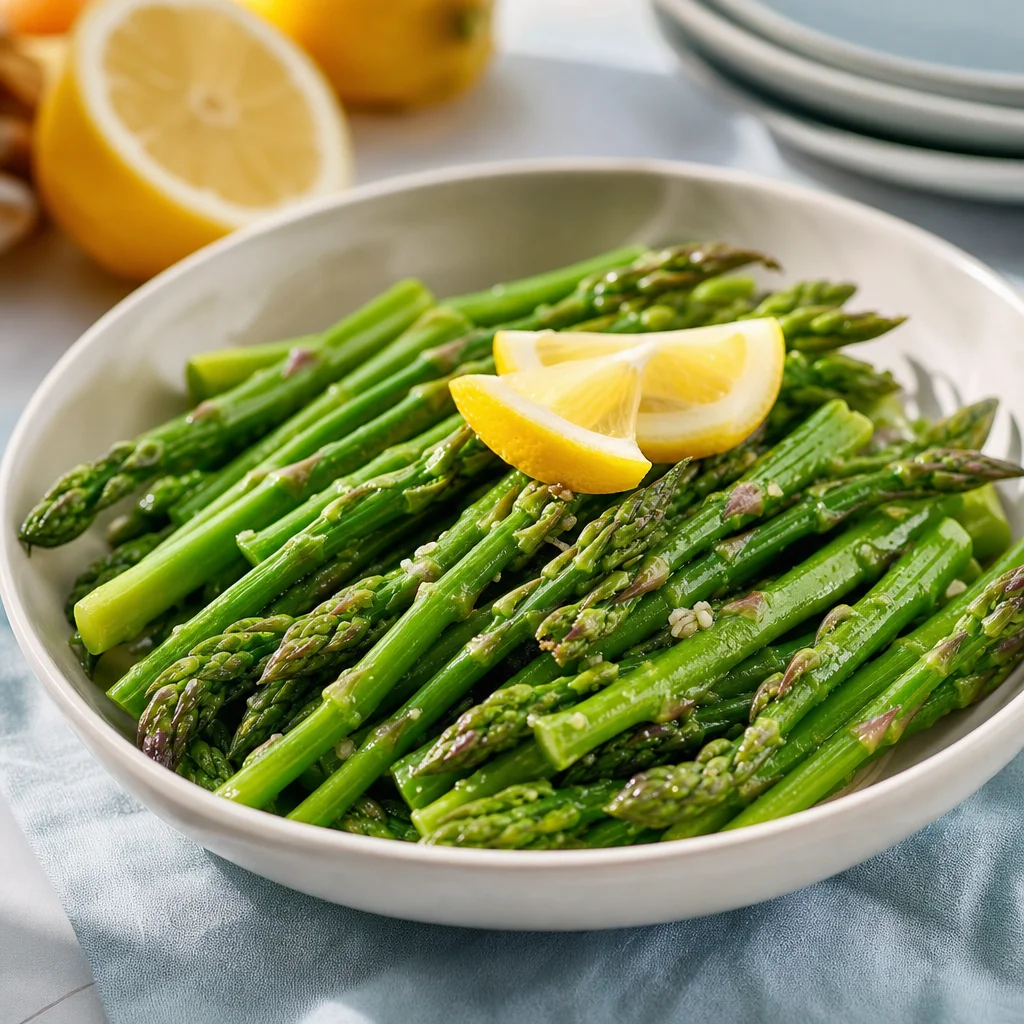
- Snappy beans: green beans ↔ asparagus ↔ sugar snap peas
- Leafy greens: spinach ↔ Swiss chard ↔ kale
- Sweet roots: carrots ↔ parsnips ↔ sweet potato cubes
And don’t sleep on variety. A 2023 meta-analysis in Nutrients found something worth noting. In that review, a wider variety of vegetables and fruits was linked to an 11% lower risk of early death. However, the certainty is lower — more ‘may help’ than ‘proven.’ Still, the logic holds: different vegetables bring different nutrients.
Make-Ahead and Frozen-Friendly Tips
Good five ingredient side dishes reheat well. That’s what makes them meal-prep gold.
As a rule, roasted and sautéed vegetables keep 3–4 days in the fridge. Reheat them on a sheet pan at 400°F to bring back the crisp edges. A hot skillet works fast, too.
Salads are different. So anything with tomatoes, cucumber, or berries is best assembled at the last minute. Prep the parts ahead — washed greens, sliced onion, torn mozzarella — and toss together at dinner.
Now, about frozen vegetables: they count. So no guilt needed. Frozen veggies are picked at their peak and flash-frozen, so they keep most of their nutrients. They’re often cheaper than fresh, too — no washing, chopping, or spoilage worries.
Here are three frozen tricks worth stealing. First, roast straight from the freezer without thawing. Just add a few minutes. Use frozen peas in a quinoa side. And let frozen spinach shortcut any garlicky greens recipe.
Your Five-Ingredient Side Dish Questions, Answered
Do frozen vegetables count toward my five ingredients?
Yes — they’re the vegetable. Broccoli is broccoli whether it came from the produce aisle or the freezer.
How many vegetables should I eat each day?
For adults, federal guidance suggests 2–3 cups. A side dish at dinner covers a big share of that, so the habit adds up fast.
Does garlic count as one of the five?
In my book, no. Garlic, onions, salt, pepper, olive oil, citrus, vinegar, and dried spices are the freebies. They’re the foundation a well-stocked kitchen already has.
What if I don’t have the exact vegetable a recipe calls for?
Use the swap lists above. No asparagus? Then green beans work. No Swiss chard? Spinach is fine. The formula matters more than the specific vegetable.
I get bloated when I eat more vegetables. What helps?
Add them gradually. The National Institutes of Health recommends increasing fiber slowly to avoid gas and bloating. Start with one veggie side a few nights a week. Also, cooked vegetables — roasted or sautéed — are often gentler than raw.
The Bottom Line
Here’s the honest truth: five ingredient side dishes aren’t magic. They’re a system — a simple way to make vegetables the default instead of the afterthought.
So start small. Pick one vegetable tonight. Add olive oil, salt, pepper, and something bright from your kitchen. Then roast it, sauté it, or grill it. Serve it next to whatever you’re already cooking.
That’s it. One side dish. Twenty minutes. A dinner that’s a little healthier and a lot easier. You’ve got this.