

5 Risky Beverages That Can Make You Sick Before Expiration
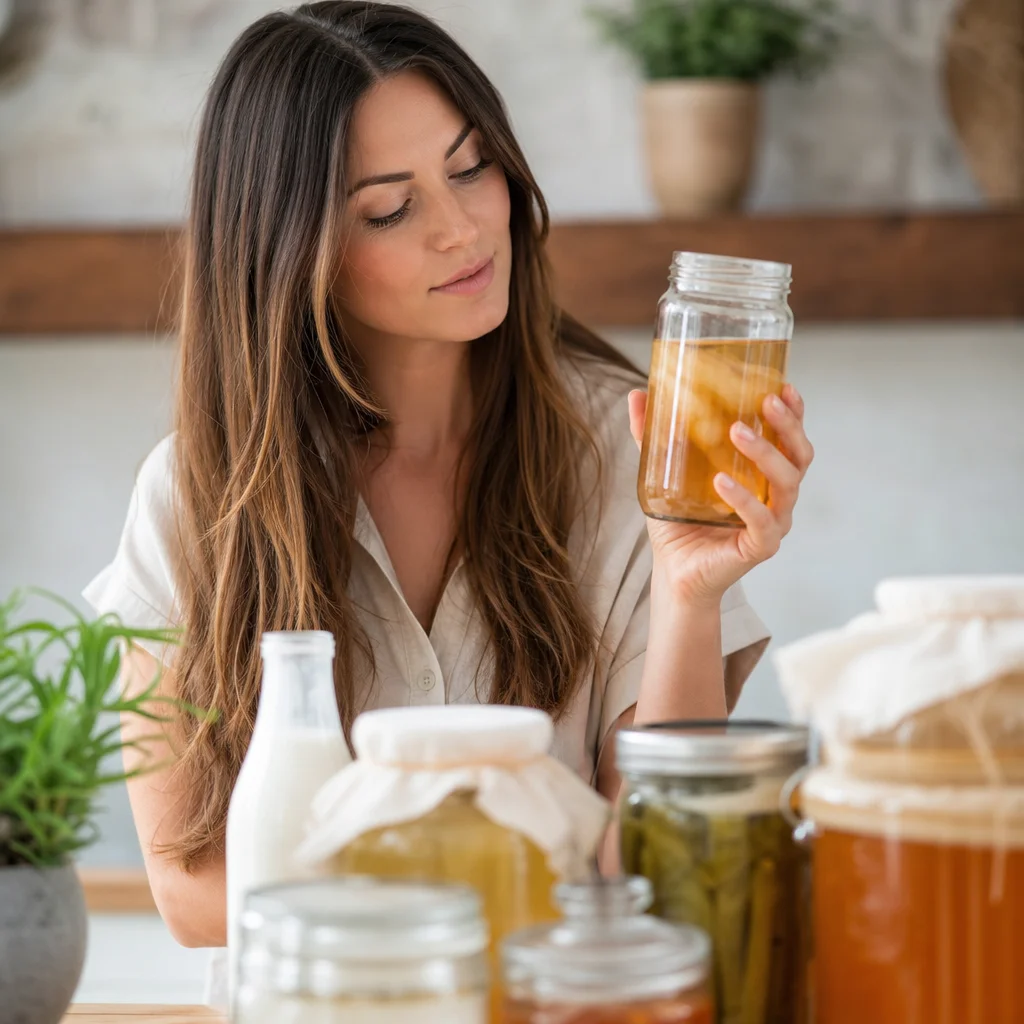
Key Takeaways
- Best-by dates are quality hints, not safety dates. The label can’t tell you if a drink is safe.
- Five drinks deserve extra caution: raw milk, coconut water, unpasteurized juices, bottled iced coffee, and protein shakes.
- Real warning signs include bulging containers, off smells, unexpected fizz, and curdling.
- “Raw” and “natural” are not safety claims. Pasteurization keeps drinks safe.
- When in doubt, throw it out — especially if you’re pregnant or have a weakened immune system.
You check the date on the carton. It’s still good, so you pour a glass and drink. But here’s the thing: that date is not the final word. Some risky beverages can make you sick even before their best-by date. The real warning signs come down to how a drink was made, stored, and handled.
Every drink has a story. Some get a heat treatment that kills germs. Others skip it entirely. Once you open a bottle, bacteria can slip in from the air, your mouth, or a shared cup. Then they multiply — especially in the “danger zone” between 40°F and 140°F.
Let’s explore the risky beverages food-safety experts watch most closely. We’ll look at the science, the warning signs, and the simple habits that keep you sipping safely.
Quick Answer: What Makes a Drink Risky?
Risky beverages are drinks that can cause food poisoning even when they’re within their date. It comes down to processing, storage, and handling. The five to watch: raw milk, coconut water, unpasteurized juices, bottled iced coffee, and protein shakes after opening.
Why These Risky Beverages Need Extra Caution
Here’s a fact that surprises most people: the dates on food labels are not safety dates. Infant formula is the one exception. The USDA explains that “best by” and “use by” simply describe peak quality.
So why treat dates like deadlines? Mostly habit. It’s completely normal to trust them. But the USDA estimates we waste 30% of the food supply. Date-label confusion plays a role.
When food-safety experts talk about risky beverages, they mean drinks where the process matters more than the date. Raw milk skipped the step that kills germs. Unpasteurized juice never got heat-treated. And any opened drink can pick up bacteria from the air or your mouth.
Temperature matters, too. Bacteria multiply fast between 40°F and 140°F. That’s the “danger zone.” So follow the two-hour rule: toss any perishable drink left out for over two hours. If it’s 90°F or hotter, cut that to one hour. Yes, a warm car counts.
The 2-Hour Rule
Toss any perishable drink left out for more than two hours. If the temperature is 90°F or higher, make it one hour. This applies to milk, protein shakes, coconut water, and any opened beverage.
Meet the 5 Risky Beverages to Watch
The five drinks below deserve extra care. Here are the risky beverages worth knowing about — plus the warning signs that matter more than any date.
1. Raw Milk
Raw milk tops the list. The CDC says it can carry Salmonella, E. coli, Listeria, Campylobacter, and more. The FDA reports 202 outbreaks linked to raw milk between 1998 and 2018. Those caused 2,645 illnesses and 228 hospitalizations.
The true numbers are likely higher. Most illness from food never gets traced to an outbreak. So this count is a floor, not a ceiling.
A 2024 meta-analysis of 173 studies found Listeria in 3.44% of raw milk samples. Pasteurized milk tested at 0.60%. So raw milk carried Listeria nearly six times more often.
Now, you might be thinking: isn’t raw milk more natural? The American Academy of Pediatrics reviewed those claims. Their conclusion: the potential benefits are not backed by evidence. And they don’t outweigh the risks. Pasteurized milk offers the same benefits without the germs.
Even the bird flu headlines are a reminder. A 2026 risk assessment found that pasteurization sharply cuts H5N1 risk in milk. Raw milk carries a measurable risk instead.
The bottom line? Skip raw milk, no matter the date. Choose milk labeled “pasteurized.”
2. Coconut Water
Coconut water seems harmless. But its high water content and low acidity make it a friendly home for bacteria.
A 2020 study found that untreated coconut water spoiled within about two weeks — even in the fridge. The signs were clear: gas, cloudiness, and off-odors.
So watch for those cues. Unexpected fizz, a sour smell, or cloudy water are red flags. Refrigerate coconut water right after opening. The date on the label won’t save you.
3. Unpasteurized Juices
Fresh-squeezed juice sounds healthy. But when produce is pressed raw, bacteria from the fruit can end up in your glass. The FDA warns that untreated juice and cider have caused foodborne-illness outbreaks. The bacteria can include E. coli and Salmonella.
That’s why packaged unpasteurized juice must carry a warning label. It reads: “This product has not been pasteurized and therefore may contain harmful bacteria.”
Here’s the catch: juice sold by the glass doesn’t need a label. That includes orchards, farmers’ markets, roadside stands, and juice bars. If you’re not sure the juice is pasteurized, ask.
Refrigeration slows bacteria. It does not make contaminated juice safe. Love cold-pressed juice? Choose HPP-treated or pasteurized options instead.
4. Bottled Iced Coffee
Shelf-stable iced coffee is safe at room temperature while the seal holds. The trouble starts when the container gets damaged. A broken seal can let in Clostridium botulinum — the bacteria behind a rare but serious illness called botulism.
Here’s the tricky part. The CDC says you cannot see, smell, or taste botulinum toxin. So check the container, not the date. Bulges, dents, and leaks are red flags. When in doubt, toss it.
This isn’t just theory. In July 2026, a cold brew recall covered more than 3,000 gallons of product. Improper storage created a botulism risk. Pasteurization killed the germs, but improper storage let new ones in.
Once you open bottled iced coffee, refrigerate it promptly. And if the seal is broken before you buy it, put it back on the shelf.
5. Protein Shakes
Dry protein powder can sit in your pantry for months. But the moment you mix it with water or milk, food-safety experts advise treating it as perishable. The water, nutrients, and low acidity create conditions bacteria like. Experts say the same goes for ready-to-drink shakes once opened.
Published outbreak data on ready-to-drink shakes are limited, so this is expert consensus rather than documented risk. Listeria can grow even at refrigerator temperatures, per a 2025 disease primer on listeriosis. That’s a key reason opened dairy- and protein-based drinks deserve extra caution. So don’t let a “healthy” shake become a science experiment.
Experts recommend the conservative approach: refrigerate promptly and drink home-mixed shakes within about a day. Follow the label for ready-to-drink products. Watch for curdling, off smells, or a bulging container. Any of those? Toss it.
Spoilage Cues That Matter More Than the Date
For most risky beverages, your senses beat the date every time. Here’s a quick-reference table to keep handy.
| Drink | How to Store It | Signs It’s Gone Bad | Toss It If |
|---|---|---|---|
| Raw milk | Don’t drink it, regardless of date | Can look and smell fine yet carry germs | Any raw milk, anytime |
| Pasteurized milk | Fridge at 40°F or below | Sour smell, curdling, off texture | Left out over 2 hours |
| Coconut water | Fridge right after opening | Unexpected fizz, cloudiness, sour smell | Any of these signs |
| Unpasteurized juice | Fridge; check for warning label | Fermented smell, fizz, swollen container | You’re not sure it’s treated |
| Bottled iced coffee | Sealed = shelf-stable; fridge after opening | Bulging, dented, leaking container | Damaged container |
| Protein shakes | Fridge after mixing or opening | Curdling, off odor, bulging container | Home-mixed kept over a day |
Notice the pattern? Smell, look, fizz, and the container. The date is the least reliable signal of all.
Who Should Be Extra Careful
If you’re pregnant or have a weakened immune system, treat these risky beverages as a hard no. The CDC lists the high-risk groups: children under 5, adults over 65, and pregnant women. People with weakened immune systems are also at risk. That includes transplant patients and those with HIV, cancer, or diabetes.
For these groups, food poisoning is not just unpleasant. However, it can lead to severe illness — including kidney failure in rare cases. The American Academy of Pediatrics warns that Listeria can cause life-threatening infections and fetal miscarriage.
The rule is simple. No raw milk. No unpasteurized juice. Extra caution with any opened drink.
Decode the Label: Pasteurized, HPP, Raw, UHT
The beverage aisle can feel like a foreign language. Let’s be honest. Here’s your cheat sheet:
- Pasteurized: heated to kill harmful germs. The safest choice for milk and juice.
- HPP (high-pressure processing): treated with intense pressure instead of heat. Safer than raw, but still needs refrigeration.
- Raw or unpasteurized: no treatment at all. Highest risk. Look for the warning label.
- UHT (ultra-high temperature): heated very briefly at high heat. Shelf-stable until opened.
Here’s the wellness angle. “Natural” and “raw” are marketing words, not safety claims. Pasteurization is not an evil processing step. It’s the tool that made milk and juice safe for everyone. The FDA confirms that pasteurization does not reduce milk’s nutritional value. So you’re not losing anything by choosing pasteurized — you’re just skipping the germs. Prefer to brew your own drinks at home? Our guide to making cinnamon tea is a simple, safe place to start.
Your Beverage Safety Questions, Answered
Is milk safe to drink after the date on the carton?
Yes, with conditions. If it’s pasteurized, kept refrigerated, and shows no signs of spoilage, it’s likely fine. The USDA says dates are about quality, not safety. But raw milk is the exception. Never drink it, regardless of the date.
What does the warning label on juice mean?
It means the juice was not pasteurized and may contain harmful bacteria. The warning is especially serious for children, older adults, pregnant women, and anyone with a weakened immune system.
What are the symptoms of food poisoning from a drink?
The FDA says symptoms usually appear within 1 to 3 days. Watch for vomiting, diarrhea, stomach pain, and flu-like symptoms. If symptoms are severe or you’re in a high-risk group, call your clinician.
How can I tell if coconut water has gone bad?
Look for unexpected fizz, cloudiness, or a sour smell. Refrigerate after opening. Don’t trust the date.
Should I worry about a dented or damaged bottle of iced coffee?
Yes. A damaged container can allow botulinum toxin to form. You can’t see, smell, or taste it. If the container is bulging, dented, or leaking, discard it.
Healthy Habits for Every Sip
Risky beverages don’t have to be off-limits. You just need a few good habits.
- Keep your fridge at 40°F or below.
- Follow the two-hour rule. In hot weather, make it one hour.
- Check containers before you sip. Bulges, dents, and leaks are red flags.
- Refrigerate opened drinks promptly.
- When in doubt, throw it out.
Your healthy lifestyle shouldn’t come with a side of food poisoning. A little label-reading and fridge discipline goes a long way. Want a safe homemade drink? Our cinnamon water recipe is a refreshing choice — and for cozy evenings, our guide to cinnamon and warm water before bed shows a comforting, low-risk ritual.
The Bottom Line
Here’s your takeaway. Dates are quality hints, not safety guarantees. Some risky beverages carry danger from the start. Raw milk and unpasteurized juice never become safe because of a label. Others become risky after opening or when containers fail.
The good news? Safe sipping is simple. Check the container. Trust your nose. Keep things cold. Follow the two-hour rule. And when you’re unsure, let it go. Your health is worth more than a drink.
Here’s to healthy habits you can actually keep — starting with your next sip.
Trusted Sources
This guide is based on current guidance from the USDA, the CDC, the FDA, and peer-reviewed research in PubMed. All statistics and safety recommendations are drawn directly from these sources.