
Your Guide to Coffee Liver Health: Science-Backed Tips
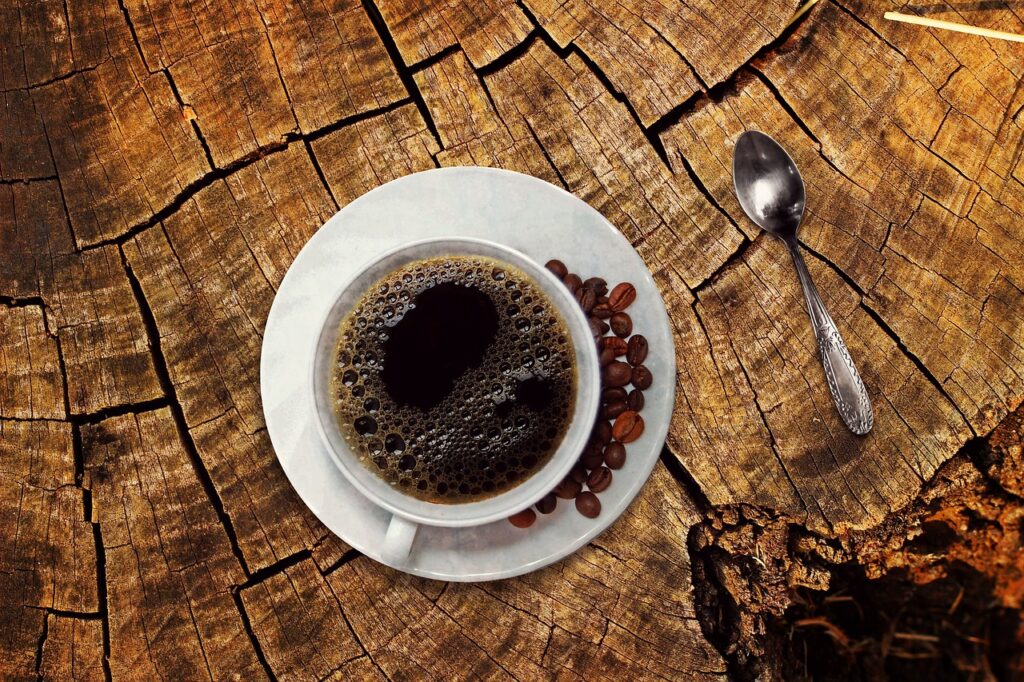
Does your daily coffee ritual do more than just wake you up? It’s a question I hear all the time, and the answer might surprise you. The conversation around coffee liver health has been heating up in 2026, thanks to one of the largest investigations ever conducted on the topic. Let’s explore what the science actually says — so you can feel confident about your morning cup.
Key Takeaways
- Coffee is consistently linked to better liver health. Drinking 1–4 cups daily is associated with lower risks of cirrhosis, liver cancer, fatty liver, and liver-related death.
- Both caffeinated and decaf work. The benefits come from coffee’s polyphenols and antioxidants, not just the caffeine.
- The sweet spot is 2–4 cups a day. For women specifically, 2 cups may be the optimal amount for prevention.
- Unsweetened black coffee is best. Adding sugar or flavored syrups may slightly reduce the protective effects.
- Coffee supports, but doesn’t replace, a healthy lifestyle. Diet, exercise, and limiting alcohol are still the foundation of liver health.
Quick Answer: Is coffee good for your liver?
Yes, the evidence is remarkably consistent. Drinking 1 to 4 cups of unsweetened black coffee per day is associated with a lower risk of liver scarring (cirrhosis), fatty liver disease, liver cancer, and death from liver disease. Benefits start at just 1-2 cups and appear strongest at 3-4 cups per day. Decaffeinated coffee shows similar benefits, which means it’s the whole bean — not just the caffeine — that supports coffee for liver health.
What the New Study on Coffee Liver Health Found
The link between coffee liver health gained major traction in 2026 with a landmark investigation from Cedars-Sinai Health Sciences University. Published in Clinical Gastroenterology and Hepatology, the study followed 354,957 UK Biobank participants for a median of 13 years. Here’s what the researchers tracked: new cases of cirrhosis, hepatocellular carcinoma (the most common type of liver cancer), and liver-related deaths.
The results were striking. Compared to non-coffee drinkers:
- 1–2 cups per day: 20% lower risk of cirrhosis, 24% lower risk of liver cancer, and 31% lower risk of liver-related death.
- 3–4 cups per day: 35% lower risk of cirrhosis and liver cancer, and 41% lower risk of liver-related death.
- 5+ cups per day: 32% lower risk of cirrhosis, 47% lower risk of liver cancer, and 42% lower risk of liver-related death.
To understand coffee liver health at a deeper level, the researchers also examined liver MRI scans from nearly 29,000 participants and analyzed blood proteins from over 44,000. Coffee drinkers had less fat in their livers, less iron buildup, less scarring (fibrosis), and lower levels of inflammatory proteins. “We found consistent associations across clinical outcomes, MRI-based liver imaging, and proteomic biomarkers,” said lead author Hyunseok Kim, MD, a transplant hepatologist at Cedars-Sinai.
Decaf vs. Caffeinated: What’s Good for Your Liver?
Many readers ask me directly whether decaf counts. The answer is a clear yes. The 2026 study found that both caffeinated and decaffeinated coffee were linked to better liver outcomes. This is a crucial point: the protective effects likely come from coffee’s rich blend of polyphenols and antioxidants — like chlorogenic acid, caffeic acid, and ferulic acid — not just from caffeine.
These compounds help reduce oxidative stress and inflammation, which are major drivers of liver damage. So if you’re sensitive to caffeine or simply prefer the taste of decaf, you can still support your liver health.
What about additives? The study found that people who added sugar or artificial sweeteners still saw benefits, but their markers of liver inflammation were modestly higher. For the best results, stick to unsweetened black coffee. A splash of milk is perfectly fine, but you’ll want to avoid sugary syrups and whipped cream.
How Much Coffee is Best for Your Liver?
This is the million-dollar question. Based on the current evidence, the sweet spot for most people is 2 to 4 cups per day. Benefits clearly start at just 1–2 cups, but they appear strongest in the 3–4 cup range.
Interestingly, a 2026 study published in Public Health Nutrition using NHANES data found that for women specifically, two cups per day was the optimal threshold for reducing the risk of fatty liver disease. This is a helpful, gender-specific data point that most articles miss.
It’s also important to know that more isn’t necessarily better. In the 2026 study, drinking 5 or more cups did not provide additional protection against cirrhosis compared to 3–4 cups. And for some people, high caffeine intake can lead to anxiety, insomnia, heart palpitations, or digestive discomfort. Listen to your body.
What the Science Doesn’t Prove Yet
Let’s be honest. While the evidence for coffee liver health is strong, most of it is observational. This means it shows a strong link, but it doesn’t definitively prove that coffee directly causes better liver health. People who drink coffee may also have other healthy habits that are hard to separate.
A 2024 analysis of UK Biobank data published in Nutrients used a rigorous statistical method called inverse probability of treatment weighting. It found that while coffee was linked to lower all-cause mortality, the specific association with liver-related deaths disappeared after this adjustment. Similarly, a 2026 meta-analysis of Mendelian randomization studies published in Gut and Liver found no statistically significant causal link between coffee and liver cancer risk.
What does this mean for you? It doesn’t mean coffee isn’t helpful. It simply means we should see it as one part of a healthy lifestyle puzzle, not a magic bullet. Coffee is a wonderful, evidence-supported daily habit — but it works best when paired with a healthy diet, regular exercise, and limited alcohol intake.
Practical Takeaway: How to Brew for Your Liver
Here’s how to get the most out of your daily coffee habit:
- Keep it simple. Unsweetened black coffee is the gold standard. A splash of milk is fine, but skip the sugary syrups.
- Choose filtered coffee. Unfiltered methods like French press or Turkish coffee contain cafestol and kahweol, which can raise LDL cholesterol in some people. Drip coffee filters capture these compounds.
- Mind your timing. Drinking coffee too late in the day can disrupt sleep, and quality sleep is essential for liver repair. Aim to finish your coffee by early afternoon.
- Know your tolerance. If you have anxiety, high blood pressure, heart rhythm concerns, or are pregnant, check with your healthcare provider about how much is right for you.
- Don’t forget the basics. Coffee supports liver health, but it doesn’t replace a healthy diet, regular exercise, or limiting alcohol.
Frequently Asked Questions
Does coffee clean your liver?
No, your liver does that on its own. Coffee supports your liver’s natural processes by reducing oxidative stress and inflammation.
Will coffee help if I already have fatty liver?
Yes, research suggests it’s particularly helpful. A 2021 systematic review and meta-analysis published in Nutrients found that coffee consumption was associated with 35% lower odds of significant liver fibrosis in people with NAFLD.
What if I don’t drink coffee?
Don’t start just for this. Green tea is another excellent source of polyphenols and is also linked to lower liver cancer risk. A Mediterranean diet rich in colorful fruits and vegetables, along with regular exercise, is your best bet for long-term liver health.
The Bottom Line
Your morning coffee is more than just a comforting ritual. The evidence linking coffee liver health is robust, consistent, and supported by cutting-edge imaging and proteomics. Whether you drink one cup or four, enjoy it unsweetened, and see it as one part of a holistic approach to wellness.
The conversation around coffee liver health continues to evolve. For now, the takeaway is clear: if you like coffee and it agrees with you, drink up without guilt. Your liver may just thank you for it.