
6 Subtle Signs of Protein Deficiency and How to Fix It
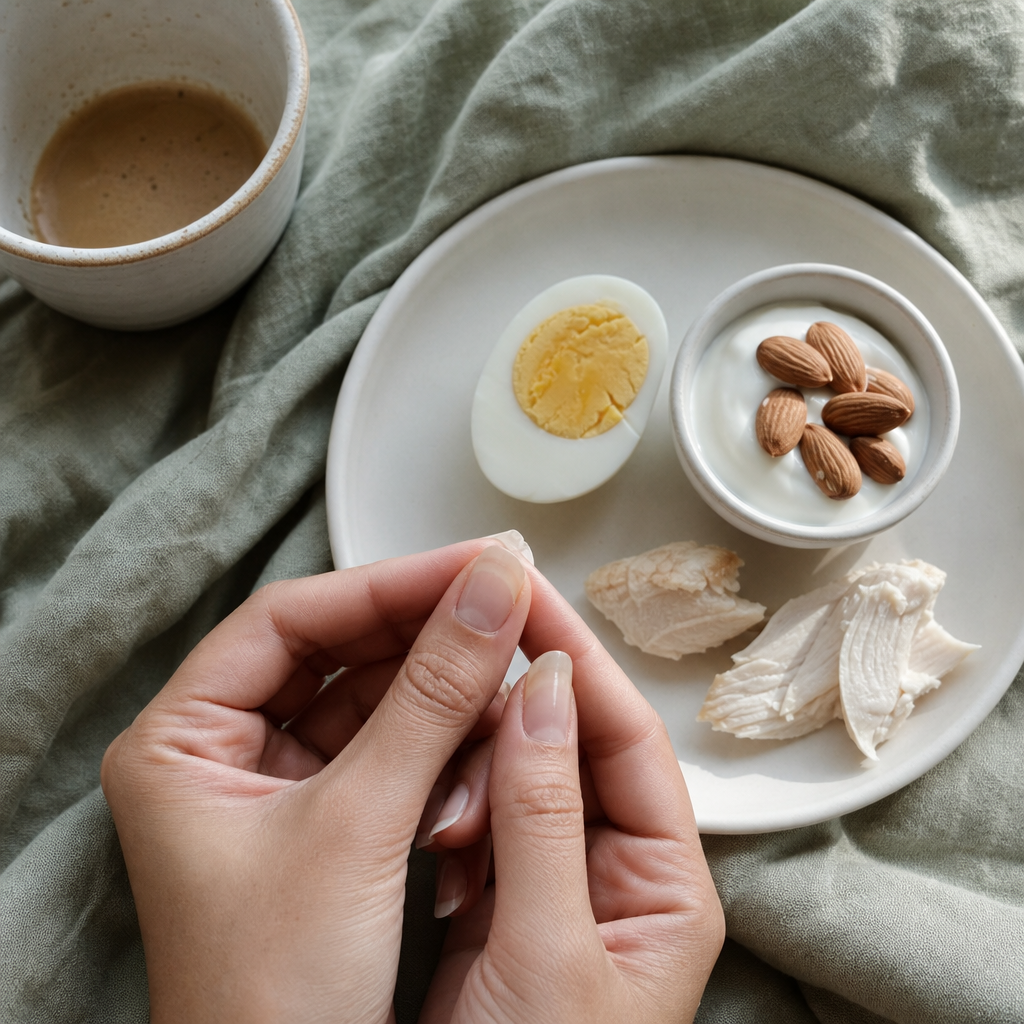
You’re eating well, getting enough sleep, and staying active — so why do you feel foggy by 2 p.m., crave sugar after lunch, or notice your nails chipping more than usual? It might not be stress or age. It could be something far simpler: not enough protein. Many of us think we’re eating plenty, but the truth is, subtle signs of protein deficiency can show up long before you feel truly weak or sick. Here’s what to look for and how to fix it with simple, whole-food swaps.
Key Takeaways
- Protein is essential for your muscles, immune system, skin, hair, nails, and even your mood and focus.
- Subtle signs like brain fog, sugar cravings, brittle nails, and slow wound healing can be early clues you’re not getting enough.
- Your target is about 0.8 to 1.2 grams of protein per kilogram of body weight each day — more if you’re active.
- Simple swaps at breakfast, lunch, and snacks can make a big difference without overhauling your diet.
Let’s be honest. Most of us don’t think about protein until we’re trying to build muscle or lose weight. But protein does so much more. It’s the building block for your cells, your immune system, and even the brain chemicals that keep your mood steady. When you’re not getting enough, your body starts to send signals. Here are six subtle signs that might mean you’re low on protein.
1. You’re Always Hungry (Especially for Carbs and Sugar)
Picture this: You eat a big bowl of oatmeal for breakfast or a salad for lunch. An hour later, you’re raiding the snack drawer. Sound familiar? That’s your body’s way of saying it didn’t get enough protein.
Protein is the most filling macronutrient. It triggers hormones that tell your brain you’re full. Without it, even a large meal can leave you unsatisfied. This is called the protein leverage hypothesis — your body will keep eating until it gets the protein it needs, even if that means overeating carbs and fats. If you notice intense sugar or carb cravings after meals, a protein deficiency could be the culprit.
2. Your Hair Is Thinning and Your Nails Are Brittle
Your hair, skin, and nails are made largely of proteins like keratin and collagen. When your body is short on protein, it prioritizes essential organs over your hair and nails. That’s why these are often the earliest visible signs of protein deficiency.
You might notice your hair is shedding more than usual, your nails are chipping or peeling, or your skin looks dull and dry. This type of hair loss has a name: telogen effluvium. It’s a temporary condition where stress — including nutritional stress from low protein — pushes hair follicles into a resting phase. The good news? It’s reversible once you fix your intake. For more on nourishing your skin from within, check out our guide to healthy foods for your skin.
3. You Feel Foggy, Moody, or Can’t Focus
Your brain runs on amino acids — the building blocks of protein. They’re needed to make neurotransmitters like dopamine and serotonin, which regulate your mood, focus, and motivation. When protein is low, your brain can’t make enough of these chemicals.
The result? Brain fog, trouble concentrating, and even mood swings. If you feel mentally sluggish in the afternoon or find yourself getting irritable for no clear reason, check your protein intake. A protein-rich lunch could make a real difference.
4. You’re Getting Sick More Often
Your immune system relies on protein to build antibodies — the proteins that fight off viruses and bacteria. Without enough protein, your body can’t produce these defenses as effectively. You might find yourself catching every cold that goes around or taking longer to shake off an infection.
This is one of the more well-documented effects. The British Nutrition Foundation notes that protein supports immune function by helping to build antibodies. If you’re getting sick more than usual, it’s worth considering whether a protein deficiency could be a factor, alongside sleep and stress.
5. Cuts and Scrapes Take Forever to Heal
Protein is essential for tissue repair. Your body needs amino acids to rebuild skin, form new blood vessels, and create the collagen that holds wounds together. When you’re low on protein, this process slows down.
If you notice that a small cut or scrape is taking longer than usual to heal, or that your muscles feel sore for days after a workout, low protein could be the reason. This is especially common in people who exercise regularly but don’t adjust their protein intake to match their activity level.
6. You’re Losing Muscle (Even If You’re Not Trying To)
Your muscles are your body’s largest protein reserve. When dietary protein is scarce, your body starts breaking down muscle tissue to get the amino acids it needs for more critical functions. This can happen even if you’re eating enough calories overall.
A systematic review in The American Journal of Clinical Nutrition found that protein supplementation alone didn’t significantly improve muscle mass — but when combined with resistance exercise, it led to meaningful gains in lean mass and strength. The takeaway? Protein and movement work together. If you’re losing muscle or not seeing results from your workouts, check your protein intake.
How Much Protein Do You Actually Need?
Here’s where things get practical. The standard recommendation is 0.8 grams of protein per kilogram of body weight per day. That’s the minimum to prevent protein deficiency. But many experts, including those cited by Harvard Health and Time magazine, recommend 1.2 to 2.0 grams per kilogram for optimal health in active adults.
Your Quick Protein Target
Step 1: Take your weight in pounds and divide by 2.2 to get your weight in kilograms.
Step 2: Multiply that number by 0.8 (minimum) or 1.2 (optimal for active women).
Example: A 150-pound woman weighs 68 kg. Her minimum is 54 grams per day. Her optimal target is 82 grams per day.
For a complete breakdown of how to calculate and meet your needs, check out our daily protein intake guide.
Simple Whole-Food Swaps to Boost Your Protein
You don’t need protein powders or expensive bars. Here’s how to add protein to your day with real food:
Breakfast (aim for 20g+): Swap your oatmeal for Greek yogurt with nuts and seeds. Or add an egg or two to your morning routine. A two-egg scramble with a side of cottage cheese gives you about 25 grams. Need more ideas? Try our healthy breakfast ideas for busy women for protein-packed inspiration.
Lunch (aim for 25g+): Add chickpeas, lentils, or grilled chicken to your salad. A quinoa bowl with black beans, avocado, and a hard-boiled egg is an easy 30-gram lunch.
Snacks (aim for 10g+): Think cheese sticks, edamame, a handful of almonds, or apple slices with peanut butter. These small additions add up fast.
Dinner (aim for 30g+): A 4-ounce serving of salmon, chicken, or tofu provides about 25-30 grams. Pair it with a side of lentils or quinoa for an extra boost.
Who Is Most at Risk for Protein Deficiency?
While clinical protein deficiency is rare in the U.S., marginal insufficiency is more common than you might think. Research published in Nutrients found that 60.9% of women aged 18-49 had inadequate protein intake. That’s a striking number.
You might be at higher risk if you:
- Skip breakfast or eat a carb-heavy breakfast (toast, cereal, oatmeal without protein)
- Follow a plant-forward or vegetarian diet without actively planning protein sources
- Eat lunch on the go (salads, sandwiches, or soups that are mostly vegetables and grains)
- Are over 65, when protein needs increase and appetite may decrease
- Exercise regularly without adjusting your protein intake to match
FAQ: Your Protein Questions, Answered
Can I get enough protein on a plant-based diet?
Yes, absolutely. Focus on beans, lentils, chickpeas, tofu, tempeh, edamame, quinoa, nuts, and seeds. Aim for a variety throughout the day to get all essential amino acids.
Are protein powders and bars okay?
Whole foods are best, but supplements can help fill gaps. Look for options with minimal ingredients and no added sugars.
Can you eat too much protein?
For healthy people, up to 2 grams per kilogram of body weight is generally safe. Higher intakes may increase kidney stone risk. If you have kidney disease, talk to your doctor.
What if I think I have a protein deficiency?
See a primary care provider or a registered dietitian. They can evaluate your diet, run blood tests if needed, and help you create a plan.
The Bottom Line
Protein isn’t just for athletes or bodybuilders. It’s essential for your energy, mood, immunity, skin, hair, and overall health. The subtle signs of protein deficiency — brain fog, sugar cravings, brittle nails, slow healing, and constant hunger — are easy to dismiss as stress or aging. But they’re often your body’s way of asking for more of this vital nutrient.
The fix doesn’t require a complete diet overhaul. Start with one meal. Add a hard-boiled egg to your lunch. Swap your afternoon granola bar for Greek yogurt. Small changes add up. Your body will thank you.