

A New Lancet Study Confirms Exercise Slashes Dementia Risk — Here’s How Much You Need
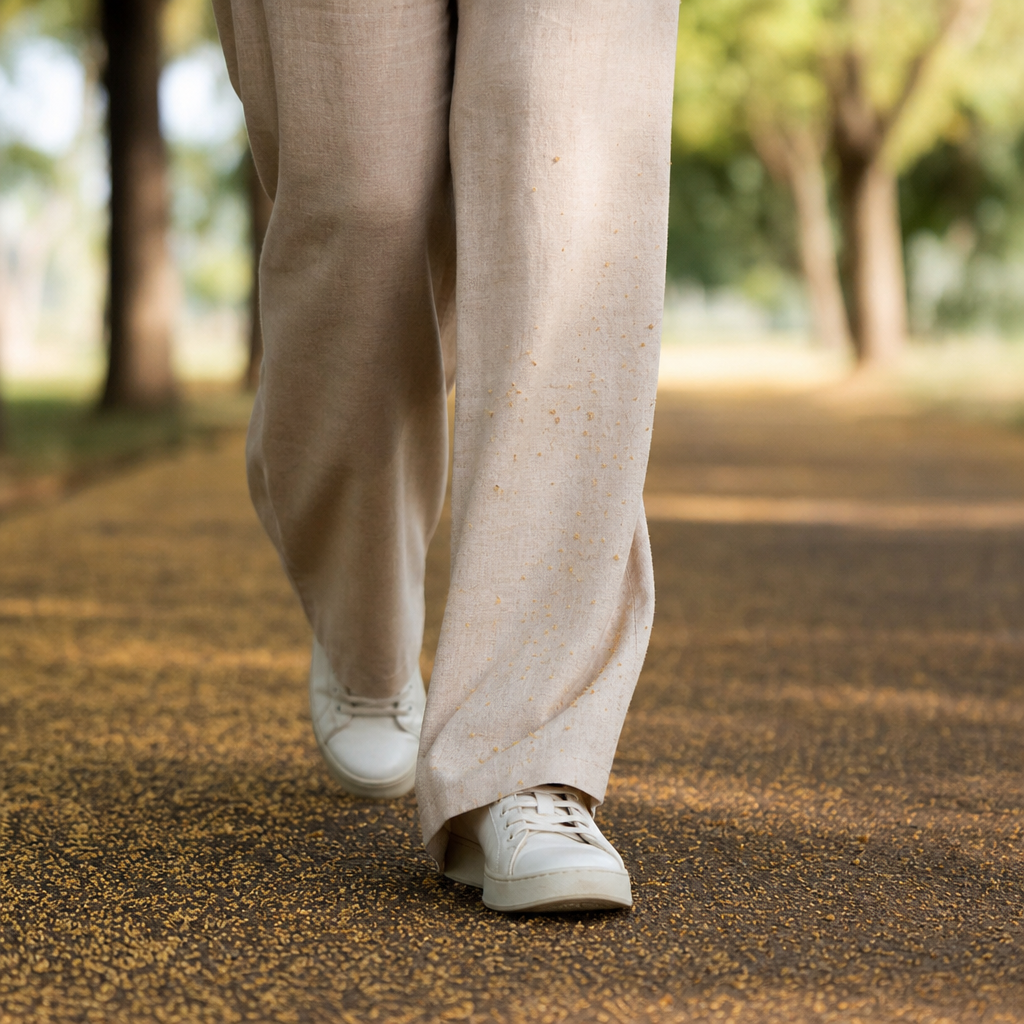
What if a simple daily habit could cut your risk of dementia by nearly 30%? That’s the question a major new study set out to answer — and the results are hard to ignore. A landmark investigation in The Lancet Public Health tracked over 107,000 adults for decades. It found that people who stayed active had a much lower risk of dementia. Here’s what the science says about exercise dementia prevention and how much movement your brain actually needs.
Key Takeaways
- 28% lower dementia risk: People who were most active had a 28% lower risk than the least active group, per a 2026 Lancet Public Health study.
- Walking alone helps: Regular walking was linked to a 24% lower dementia risk. You do not need intense workouts to protect your brain.
- Consistency over decades matters: The study tracked activity patterns for 30+ years. Sustained movement gives the best protection.
- It’s never too late: Starting exercise in midlife or later still offers real brain health benefits.
- Multiple mechanisms: Exercise protects your brain through BDNF (a growth factor for brain cells), less inflammation, and better blood flow.
You have likely heard that “exercise is good for your brain” many times. But most past studies looked at a single snapshot of activity. This new research is different. It tracked the same people for over three decades. It measured their physical activity again and again. This gives us a much clearer picture of what works for exercise dementia prevention.
What the Latest Research on Exercise Dementia Prevention Actually Found
The 2026 Lancet Public Health study is one of the most careful studies on exercise dementia prevention to date. Researchers from Harvard and Brigham and Women’s Hospital looked at data from the Nurses’ Health Study and the Health Professionals Follow-Up Study. These are two of the longest-running health studies in the world.
Here is what they found. People in the highest activity group had a 28% lower risk of dementia than those in the lowest group. That is a hazard ratio of 0.72. The results held even after adjusting for diet, smoking, and other health factors.
The study also broke things down by type of activity. Walking alone was linked to a 24% lower dementia risk. Vigorous aerobic exercise was tied to an 11% lower risk. Both matter, but walking’s strong showing is good news for those who find hard workouts hard to do.
The Bigger Picture: What the Full Body of Evidence Says
This single study does not stand alone. A 2026 systematic review of 49 studies with nearly 3 million people found that regular physical activity cuts dementia risk by 25% (pooled RR 0.75). That matches the Lancet study’s results closely. Both support the role of exercise dementia prevention for long-term brain health.
The 2024 Lancet Commission on dementia prevention lists physical inactivity as one of 14 modifiable risk factors. The Commission says that fixing all 14 factors could stop or delay up to 45% of dementia cases. Physical inactivity alone accounts for about 4-6% of dementia risk.
The World Health Organization and the National Institute on Aging both recommend physical activity for brain health. Diet also plays a key role — research shows that leafy greens support brain health and may help lower dementia risk too. The link between exercise dementia prevention is now strong enough that global health experts include it in their official guidelines.
The Dose-Response Relationship: More Movement, More Protection
One key finding from the Lancet study is the dose-response link. The more activity people kept up over decades, the lower their dementia risk. This was not an all-or-nothing effect. Every increase in activity meant more risk reduction. The takeaway? Any boost in your activity is a step forward. You do not have to run a marathon to benefit from exercise dementia prevention.
How Exercise Protects Your Brain: The Biology Behind the Benefit
You might wonder — how does moving your body actually protect your brain? The answer involves several systems that work together. Research has found multiple ways that exercise dementia prevention works at a biological level.
BDNF — the brain’s fertilizer. Exercise boosts a protein called brain-derived neurotrophic factor (BDNF). Think of it as plant food for your brain cells. It helps grow new neurons and strengthens links between existing ones. It also supports the hippocampus, a part of the brain key for memory that often shrinks with age. A large body of research confirms that exercise boosts neurotrophic signaling, which is key to brain plasticity.
Less inflammation. Long-term inflammation is linked to Alzheimer’s disease. Exercise lowers levels of pro-inflammatory compounds in the body. This creates a healthier setting for your brain cells. The scientific consensus supports that exercise helps protect brain tissue by reducing inflammation.
Better blood vessel health. Your brain needs healthy blood vessels to get oxygen and nutrients. Exercise makes these vessels work better. It also lowers blood pressure and supports the blood-brain barrier, which keeps harmful things out of your brain.
Better metabolic health. When your body stops responding well to insulin, it affects your brain too. Exercise helps your cells use insulin properly. This supports brain energy use and may reduce the buildup of amyloid plaques, a hallmark of Alzheimer’s.
What Type of Exercise Works Best for Brain Health?
Here is the good news. You do not need a complex workout plan. Research points to several types of exercise that all help with exercise dementia prevention.
Aerobic exercise — walking, jogging, swimming, cycling — has the most evidence. The Lancet study found that both walking and vigorous aerobic exercise lowered dementia risk on their own. Comfortable, well-fitted walking shoes can make a big difference in staying consistent. Try to get at least 150 minutes of moderate aerobic activity each week, which follows standard health guidelines.
Strength training is also becoming a strong brain protector — we have covered the life-extending power of squats and how simple exercises can transform healthy aging. A 2025 study in GeroScience found that older adults with mild cognitive impairment who did resistance training twice a week for six months showed better verbal memory and kept their brain white matter intact. The training group scored better on memory tests than the control group, which got worse over time.
Mind-body practices like yoga and tai chi offer more benefits. They pair physical movement with mental focus and stress relief, which may give unique brain health gains.
Your Brain Health Exercise Plan: A Sample Week
Monday: 30-minute brisk walk (moderate pace)
Tuesday: 20-minute strength training (bodyweight squats, push-ups, resistance bands)
Wednesday: 30-minute brisk walk or light jog
Thursday: 20-minute strength training
Friday: 30-minute walk or bike ride
Saturday: 30-45 minute fun activity (dance, hike, swim, yoga)
Sunday: Rest or gentle stretching
This plan gives you 150 minutes of aerobic activity each week plus two strength sessions. Change it based on your fitness level and what you like to do.
The Sedentary Factor: Why Sitting Less Matters Too
Exercise is not the whole story. What you do the rest of the day matters too. The PLoS ONE review found that sitting for 8 or more hours a day was tied to a 27% higher dementia risk. That is true no matter how much you exercise. Even with a solid exercise dementia prevention routine, sitting too much can still raise your risk.
Think of it this way. Even if you exercise for 30 minutes daily, you could still be at risk if you sit all day. The fix is not to panic. It is to add more movement to your day. Stand during phone calls. Take a short walk after meals. Set a timer to get up and stretch each hour. Every bit counts.
When to Start: It’s Never Too Early or Too Late
A common question is whether there is a “right time” to start exercising for brain health. The answer is good news: it helps at any age. That makes exercise dementia prevention accessible to almost everyone.
A 2025 study in JAMA Network Open found that physical activity in both midlife (ages 45-64) and late-life (ages 65-88) was linked to lower dementia risk. The benefits were similar no matter when people started. So if you are in your 40s, 50s, or 60s and have not been active, starting now still offers real protection.
The Lancet study adds one more point. Consistency over decades gives the best results. The ideal is to build activity habits early and keep them up. But the second-best option — starting later and sticking with it — is still excellent for exercise dementia prevention.
Frequently Asked Questions About Exercise and Dementia Prevention
How much exercise do I need to reduce dementia risk?
The evidence points to at least 150 minutes of moderate aerobic activity per week plus two strength sessions. But any increase from where you are now helps. The Lancet study found that regular walking was linked to a 24% lower dementia risk. So even a daily walk goes a long way for exercise dementia prevention.
Is walking enough, or do I need intense workouts?
Walking works very well. The Lancet study found it was linked to a 24% lower dementia risk. That is close to the benefit from all types of activity combined (28%). The best exercise is the one you will do often. If walking works for you, it is a powerful tool for brain health.
Can exercise reverse existing cognitive decline?
The strongest evidence is for prevention, not reversal. But a 2025 study found that older adults with mild cognitive impairment who did strength training twice a week showed better verbal memory and kept their brain white matter intact. Exercise may help slow decline and boost function in people with early changes.
What if I have physical limits that make exercise hard?
Seated exercises, chair yoga, water aerobics, and gentle stretching all count as activity. The key is to move your body in a safe way for you. Talk to your doctor before starting a new routine, especially if you have health concerns.
Safety Considerations: Exercise Smart for Your Brain
Exercise is safe for most people. But it is smart to approach it wisely. If you are new to exercise or have health issues, check with your doctor first. Start slowly and build up over time. Listen to your body — pain means stop, not push through.
For strength training, proper form matters more than heavy weights. Think about working with a trainer at first to learn the right technique. Stay hydrated, warm up before exercise, and cool down after. If you feel chest pain, dizziness, or shortness of breath, stop and get medical help.
The Bottom Line
The evidence is clear and getting stronger. Regular physical activity is one of the best tools you have to protect your brain as you age. The new Lancet Public Health study, plus decades of research on millions of people, shows that staying active over time can lower dementia risk by 25-28%. That is the power of exercise dementia prevention.
Here is what I want you to take away. You do not need a gym or costly gear. You do not need to run marathons. Walking — something almost anyone can do — is linked to a 24% lower dementia risk. The key is to keep at it. Find movement you enjoy, do it often, and stick with it over the years.
Start where you are. If you are not active at all, a 10-minute walk is a win. If you already move, add a few more minutes or try something new. Every step counts. Your brain will thank you for years to come.