

Sorghum Brain Health: What the Research Says
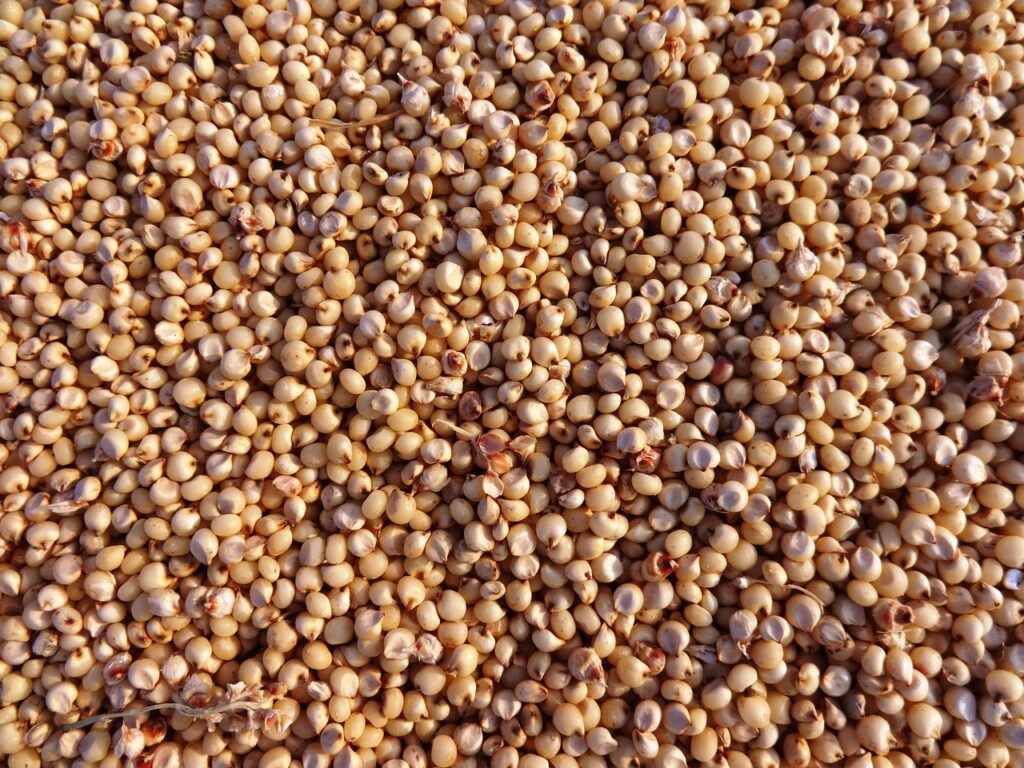
Have you ever wondered if the grain sitting in your pantry could actually help protect your brain? That’s the question researchers are asking about sorghum — an ancient, gluten-free grain that’s been a staple in Africa for thousands of years but is still relatively new to American kitchens. And the early answers are pretty exciting. Emerging research suggests that sorghum brain health benefits come from a unique combination of compounds that work together to protect your brain cells in ways other grains simply can’t match.
Key Takeaways
- Brain-protective potential: Lab studies show sorghum extracts can reduce amyloid-beta clumping by 67-88% and protect brain cells from damage.
- Unique compounds: Sorghum contains 3-deoxyanthocyanidins — powerful polyphenols found in no other common food.
- Nutrition powerhouse: It packs about 10 grams of protein per serving (double that of quinoa), 7g of fiber, and essential B vitamins.
- Easy to use: You can cook it like rice, pop it like popcorn, or bake with sorghum flour.
- Choose dark varieties: Black and red sorghum have the highest polyphenol content for maximum brain benefits.
Let’s be honest — when you hear “ancient grain,” you probably think of quinoa or farro. But sorghum deserves a spot on that list. It’s the fifth most-produced cereal grain in the world, and it’s naturally gluten-free. Now, a growing body of research suggests it may also be one of the best grains you can eat for your brain — a principle we also explore in our guide to the MIND diet for cognitive health. Here’s what the science actually says — and how to start eating more of it today.
What the Research Says About Sorghum Brain Health
The most exciting research on sorghum brain health comes from a series of studies by researchers at Edith Cowan University in Australia. In a 2024 study published in Foods, scientists tested extracts from six different sorghum varieties on human brain cells in a lab. The results were striking: the extracts reduced amyloid-beta aggregation — the protein clumps linked to Alzheimer’s disease — by 57 to 78 percent.
Then in 2026, two more studies took things further. A study in Nutrients found that sorghum polyphenol extracts reduced amyloid-beta clumping by 67 to 76 percent, increased brain cell survival by more than 70 percent, and boosted mitochondrial activity — that’s your cells’ energy factories — by over 80 percent. Another study in Free Radical Biology & Medicine focused on sorghum’s unique compounds called 3-deoxyanthocyanidins and found they reduced protein clumping by up to 88 percent.
Important Caveat
All of this research has been done on cells in a lab — not in humans. That means we can’t yet say “eating sorghum prevents Alzheimer’s.” What we can say is that the early evidence is promising and consistent. Sorghum contains compounds that, in lab settings, protect brain cells through multiple pathways. Human studies are the next step.
What Makes Sorghum Different From Other Grains
Here’s the thing — many whole grains contain polyphenols (those are the antioxidant compounds that protect your cells). But sorghum has something special. It’s the only common food that contains 3-deoxyanthocyanidins — a class of polyphenols that are more stable than the anthocyanins found in berries and other colorful foods. Researchers believe this stability means they may survive cooking and digestion better than other polyphenols, though this has not been directly tested for sorghum specifically.
A 2021 review in Frontiers in Aging Neuroscience highlighted that sorghum contains almost all classes of phenolic compounds — a more diverse profile than other cereal grains. This matters because different polyphenols target different pathways in the brain. Some reduce inflammation. Others fight oxidative stress. Still others may help prevent protein clumping. Sorghum does all of these at once.
Think of it this way: most brain-healthy foods offer one or two benefits. Sorghum offers a whole toolkit.
Sorghum Nutrition: How It Compares to Other Grains
Before we talk about brain health, let’s talk about what sorghum brings to the table nutritionally. According to the Cleveland Clinic, a serving of whole-grain sorghum provides about 10 grams of protein — that’s double what you get from quinoa. It also delivers 7 grams of fiber, 165 milligrams of magnesium, and significant amounts of B vitamins including B6, which supports brain function and mood regulation.
Sorghum vs. Other Grains (per 100g cooked)
| Grain | Protein | Fiber | Unique Brain Compounds |
|---|---|---|---|
| Sorghum | 11g | 7g | 3-deoxyanthocyanidins |
| Quinoa | 4g | 3g | Quercetin, kaempferol |
| Oats | 5g | 4g | Avenanthramides |
| Brown Rice | 3g | 2g | Ferulic acid |
Source: USDA nutrition data via Cleveland Clinic. Values are approximate and vary by variety and preparation method.
How Sorghum Protects Your Brain: The Mechanisms
What I find fascinating about the research is that sorghum doesn’t just work through one pathway. It targets multiple Alzheimer’s-related processes at the same time. Here’s what the studies have found:
It reduces protein clumping. The hallmark of Alzheimer’s disease is the buildup of amyloid-beta proteins that clump together and damage brain cells. Sorghum polyphenols — especially the 3-deoxyanthocyanidins — directly interfere with this process, reducing clumping by up to 88 percent in lab studies.
It protects mitochondria. Your mitochondria are the energy powerhouses inside your cells — a connection we explore further in our guide to the mitochondrial health diet. When mitochondria stop working properly, brain cells suffer. The 2026 Nutrients study found sorghum extracts boosted mitochondrial activity by more than 80 percent.
It fights oxidative stress. Think of oxidative stress as rust inside your cells. It’s a natural byproduct of metabolism, but too much of it damages brain cells over time. The 2024 study found that sorghum extracts reduced oxidative stress in brain cells by lowering reactive oxygen species.
It calms inflammation. Chronic inflammation is linked to nearly every brain condition, including Alzheimer’s. The 2026 Nutrients study found that sorghum extracts modulated inflammatory signaling pathways (MAPK/NF-κB) in brain cells, helping to calm the inflammatory response — much like the connection between fiber and inflammation that we cover in our guide to how fiber and inflammation are connected.
How to Choose and Cook Sorghum for Maximum Brain Benefits
Not all sorghum is created equal. Research consistently shows that darker varieties — black, red, and brown sorghum — have significantly more polyphenols than white sorghum. A 2024 systematic review in the Journal of Food Science confirmed that colored sorghum varieties have higher phenolic content and greater health benefits.
When shopping, look for whole-grain sorghum (not pearled) to get the full benefit of the bran, where most of the polyphenols are concentrated. You can find it in the bulk section of natural food stores, online, or in the gluten-free aisle of many grocery stores.
4 Easy Ways to Eat Sorghum
1. Cook it like rice. Use a 3:1 water-to-sorghum ratio. Bring to a boil, then simmer for 45-60 minutes until tender. It has a chewy texture similar to farro. Use in grain bowls, salads, or as a side dish.
2. Pop it like popcorn. Heat a dry skillet over medium-high heat, add a thin layer of sorghum grains, cover, and shake until they pop. They’re smaller than popcorn but just as crunchy. Great as a snack.
3. Bake with sorghum flour. Sorghum flour works well in gluten-free baking. Use it in muffins, pancakes, or banana bread. It has a mild, slightly sweet flavor.
4. Make a breakfast porridge. Cook sorghum in milk or plant-based milk with cinnamon and a pinch of salt. Top with berries and nuts for a brain-healthy breakfast.
Additional Health Benefits of Sorghum
Beyond brain health, sorghum offers a range of other benefits that make it worth adding to your regular rotation. The Cleveland Clinic notes that its high fiber content supports digestive health and helps maintain stable blood sugar. The protein content — remember, it’s double that of quinoa — makes it a great choice for plant-based meals. And the B vitamins, especially B6, support energy metabolism and mood regulation.
A systematic review of 42 studies found that sorghum consumption was associated with reduced inflammation markers, improved antioxidant status, and potential benefits for cardiovascular health. The resistant starch in sorghum also feeds beneficial gut bacteria, which is increasingly linked to brain health through the gut-brain connection — something we also explore alongside other nutrients in our DHA brain health guide.
Frequently Asked Questions About Sorghum
Is sorghum safe for people with celiac disease?
Yes, sorghum is naturally gluten-free and safe for people with celiac disease or gluten sensitivity. Just make sure you buy certified gluten-free sorghum to avoid cross-contamination during processing.
Does cooking destroy the polyphenols?
Some loss occurs during cooking, but sorghum’s 3-deoxyanthocyanidins are chemically more stable than the anthocyanins found in berries. Researchers believe this stability means they may better withstand cooking and digestion — though this has not been directly tested for sorghum specifically. Significant polyphenol content remains after cooking, especially when you use whole-grain (not pearled) sorghum.
How much sorghum should I eat for brain health?
There’s no established dose for brain health yet. But a good starting point is 1/2 to 1 cup of cooked sorghum, 2 to 4 times per week, as part of an overall brain-healthy diet rich in vegetables, fruits, healthy fats, and other whole grains.
Can I eat sorghum every day?
Yes, sorghum is safe to eat daily as part of a balanced diet. Its high fiber content supports digestive health, and its slow-digesting starches help maintain stable blood sugar. Just make sure to vary your grains for a wide range of nutrients.
The Bottom Line
Sorghum is more than just another ancient grain. It’s a nutrient-dense, gluten-free powerhouse with a unique polyphenol profile that — based on early but consistent research — may offer real brain-protective benefits. While we wait for human studies to confirm the lab findings, there’s every reason to start incorporating this versatile grain into your meals today.
Here’s what I’d suggest: pick up a bag of whole-grain sorghum — black or red if you can find it — and try it in a grain bowl this week. Cook it like rice, toss it with roasted vegetables and a simple lemon dressing, and see how you like it. Your brain (and your taste buds) will thank you.