

How to Buy Healthy Fish Sticks: Dietitian Tips
You’re standing in the freezer aisle, staring at a wall of fish sticks. The boxes all scream “crispy,” “golden,” and “kid-approved.” But which one is actually good for you? The truth is, healthy fish sticks are absolutely real. You just need to know what to look for. Here’s what dietitians say about choosing the healthiest option.
Quick Answer: Are Healthy Fish Sticks a Thing?
Yes — if you flip the box over. Look for whole fish fillets (not minced), at least 10–15 grams of protein per serving, and no more than 400 mg of sodium. With these three checks, you can turn a convenience food into a nutritious weeknight win.
What Makes a Fish Stick a Healthy Fish Stick?
A healthy fish stick starts with the fish itself. The best options are made from whole fillets — pieces of real fish, not ground-up scraps pressed into shape. Whole fillets mean more protein and fewer fillers like starches and binders. They also give you a flaky texture, not a mushy one.
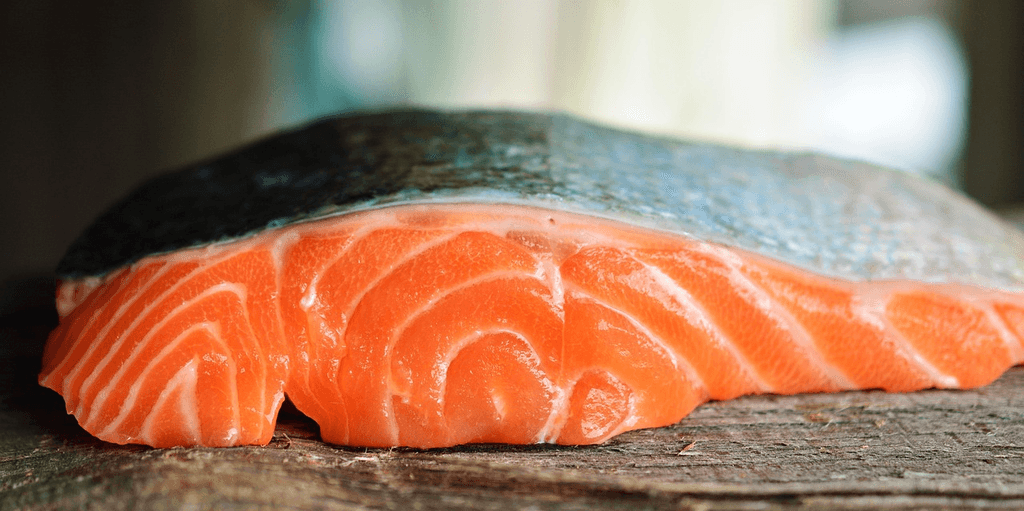
The type of fish matters too. Cod, pollock, and salmon are common choices. Salmon is rich in omega-3 fatty acids, which have anti-inflammatory benefits. If you’re watching your budget, pollock is usually cheaper and still gives you solid nutrition.
Now, you might be thinking: “But what about the breading?” That’s part of the equation, and we’ll get to it. First, let’s start with the fish itself — because that’s where the real nutrition lives.
Check the Fish Type: Whole Fillet vs. Minced
Flip the box over and look at the ingredients. The first ingredient should be a type of fish — like “cod fillet” or “salmon.” If you see “minced fish” or “fish paste,” that’s a sign of more processing. Whole fillets are less processed and usually have a better texture.
Why does this matter? Minced fish can contain more binders and fillers to hold the shape. That means less protein per bite and more additives. You want a fish stick that’s mostly fish — not one that’s heavy on breading and starch.
Here’s a simple rule: if the ingredient list has wheat flour or modified starch before the fish, put it back. The fish should come first, period.
Quick Tip
Look for wild-caught when you can. Dietitians note it’s a good source of protein, vitamin D, and omega-3s. But frozen fish sticks are still a good source of protein, even if they’re farmed.
Protein Counts: A Key to Healthy Fish Sticks
Protein is one of the easiest ways to judge a healthy fish stick. A serving size is usually about 4–5 pieces (around 100 grams). You want at least 10 grams of protein, and ideally closer to 15 or even 20 — here’s how much protein you need daily to put that in context.
Why does protein matter? It tells you how much actual fish is in the stick. More protein generally means less breading and fewer fillers. Compare a few brands side by side — the difference can be huge. Some budget brands may have significantly less protein per serving — comparing labels side by side reveals big differences.
On the flip side, a higher protein count also helps keep you full. That’s a win for busy weeknights when you need a meal that sticks with you.
Sodium: Keep It Under 400 mg
Breaded and seasoned foods tend to be high in sodium. Fish sticks are no exception. But you don’t have to settle for a sodium bomb. Look for products with no more than 400 mg per serving. If you can find one with 300 mg or less, even better.
Too much sodium can sneak up on you, especially if you’re pairing fish sticks with a salty side like fries. Checking the label helps you keep your overall intake in check.
Breading Matters for Healthy Fish Sticks
The coating on a fish stick affects more than just crunch. It changes the nutrition, the texture, and even how much oil the stick absorbs. Panko breadcrumbs tend to stay crisp when baked, while fine breadcrumbs can get soggy. Heavy batters like beer batter soak up more oil during processing, adding extra calories.
What should you look for? A breading that lists whole grains or corn flour as the first ingredient is a solid choice. If you need to avoid gluten, look for rice flour or cornstarch-based coatings. Avoid options where wheat flour is the main ingredient — that often means more breading than fish.
To choose healthy fish sticks, pay attention to the breading-to-fish ratio. A good rule: the fish should appear before any flour or starch on the ingredient list.
Sourcing Your Healthy Fish Sticks
If you care about where your food comes from, look for certifications like MSC (Marine Stewardship Council) for wild-caught fish or ASC (Aquaculture Stewardship Council) for farmed fish. These labels mean the fish was sourced with ocean health in mind.
Wild-caught salmon from the U.S. or Canada is a great choice. For white fish like cod or pollock, the MSC certification is widely available. It’s not always in the budget, but when you can, it’s worth the extra dollar or two.
Your Checklist for Healthy Fish Sticks
Screenshot this for your next grocery run:
- First ingredient: whole fish fillet (cod, pollock, or salmon)
- Protein: at least 10 grams per serving
- Sodium: 400 mg or less per serving
- Breading: whole grain or corn flour preferred; fish should appear before flour on the list
- Sourcing: wild-caught or MSC/ASC certified if possible
For more smart grocery shopping inspiration, this 7-day summer meal plan with grocery list pairs perfectly with your new fish stick know-how.
Frequently Asked Questions
Are frozen fish sticks healthy?
Yes, if you choose wisely. Sticks made from whole fillets with decent protein and low sodium are a convenient source of protein and omega-3s.
What’s the healthiest fish stick brand?
We don’t endorse specific brands, but we can tell you what to look for. Compare labels and pick the one that meets the criteria above. Many store brands now offer whole-fillet options with lower sodium.
Can I eat fish sticks on a weight loss diet?
Absolutely. They can be part of a balanced meal. Just watch the portion size and pair with veggies. Baking instead of frying keeps calories lower.
Are gluten-free fish sticks a good choice?
Yes, if they’re made with whole fish and meet the protein-sodium standards. Look for breading from rice flour, corn flour, or other gluten-free grains.
The Bottom Line: Healthy Fish Sticks Are Real
With a 30-second label check, you can find healthy fish sticks that deliver protein, omega-3s, and convenience — without the extra sodium and fillers. Keep our checklist handy, and you’ll never second-guess your freezer aisle choices again.
The next time someone says fish sticks aren’t healthy, you can smile and hand them the box. Now that’s a dinner win.