

7 Best Foods for Sun Exposure Recovery
Key Takeaways
- Rehydrate wisely: Water-rich foods like watermelon and cucumber replace fluids, while coconut water adds electrolytes.
- Feed your skin: Vitamin C from bell peppers and beta-carotene from cantaloupe help your skin repair after UV exposure.
- Don’t skip protein: Greek yogurt provides protein most hydrating foods lack, helping your body recover.
- Pair for better absorption: Fat-soluble nutrients like lycopene need a little healthy fat (like feta or hummus) to work.
- Match food to your day: Tart cherry juice helps sore muscles after activity; for rest days, focus on hydration and skin support.
You just spent a glorious day at the beach, on a hike, or by the pool. Now you’re home, feeling drained and thirsty. You know you need to rehydrate. But what you eat and drink after sun exposure matters just as much. Smart sun exposure recovery is about more than water. It means giving your body the right nutrients to refill fluids, repair skin, and restore energy. Here’s what science says works best.
Quick Answer: What helps with sun exposure recovery?
The best sun exposure recovery combines hydrating foods (watermelon, cucumber), electrolyte-rich drinks (coconut water), skin-repairing nutrients (vitamin C from bell peppers, beta-carotene from cantaloupe), and protein (Greek yogurt). Pair fat-soluble nutrients like lycopene with healthy fat. For active days, tart cherry juice may ease sore muscles.
Why Sun Exposure Recovery Matters
When you spend hours in the heat, your body loses fluids through sweat. You also lose key electrolytes like sodium, potassium, and magnesium. The CDC notes that even mild dehydration can cause fatigue, headaches, and dizziness. But that’s not all. UV rays from the sun create free radicals that damage skin cells and break down collagen, the protein that keeps skin firm. Good sun exposure recovery tackles both issues at once: it rehydrates and gives skin the nutrients it needs to repair. Staying on top of hydration and skin health is a key part of long-term wellness — we cover these principles in depth in our complete guide to optimal wellbeing after 60.
That’s where food comes in. The right post-sun meal does triple duty. It rehydrates, replaces lost electrolytes, and delivers nutrients that help fix UV damage. Here’s what to eat.
The 7 Best Foods for Sun Exposure Recovery
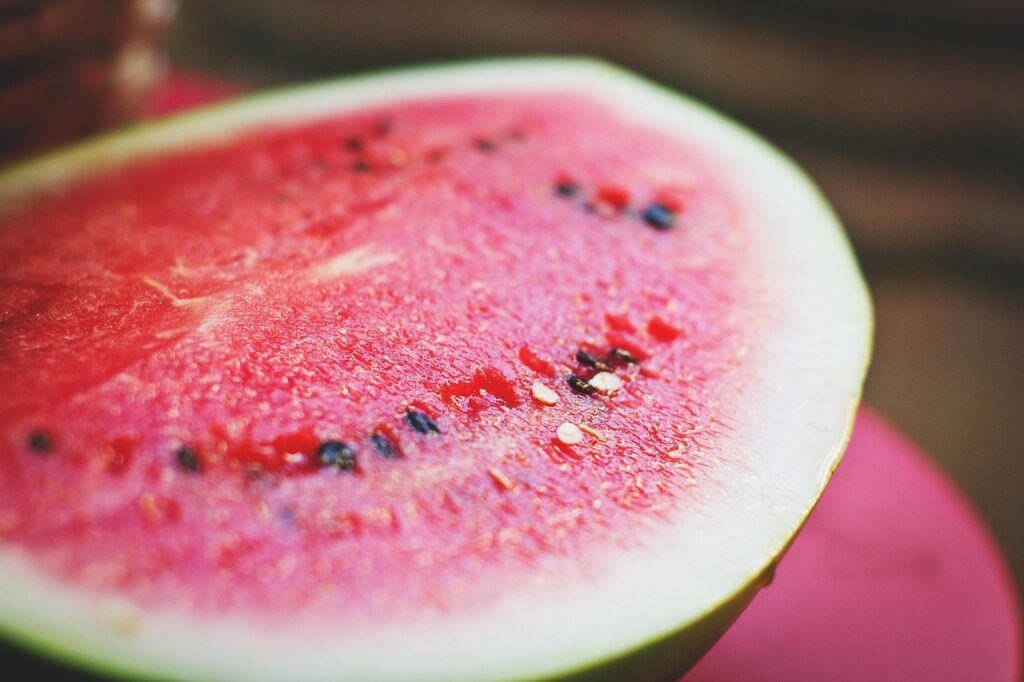
1. Watermelon
Watermelon is 92% water, so it’s one of the most hydrating foods. Its red color comes from lycopene, a strong antioxidant that builds up in the skin. Lycopene may help protect against UV damage. But there’s a catch: lycopene needs fat for your body to absorb it. Eat watermelon with a little feta cheese. The cheese adds fat and also provides sodium, which helps your body hold on to fluids after sweating.
2. Coconut Water
After a sweaty day, coconut water is a natural way to replace electrolytes. It’s full of potassium and magnesium, and it has much less sugar than most sports drinks. Keep a cold bottle ready for when you get home. Or mix it into a smoothie with berries and Greek yogurt for a more complete recovery snack.
3. Cantaloupe
Cantaloupe’s orange color comes from beta-carotene, which your body turns into vitamin A. Research shows that beta-carotene acts as an antioxidant that helps neutralize free radicals caused by UV exposure, while the vitamin A your body makes from it supports skin cell regeneration. Cantaloupe is also about 90% water. Try wrapping slices in prosciutto. The salt helps you keep the fluids you drink.
4. Cucumber
If fruit sounds too sweet after a long day, cucumber is a great choice. It’s 95% water, so it’s very hydrating. Its mild flavor is easy to eat when you don’t have much appetite. Add sliced cucumber to salads, blend it into cold soup, or drop slices into water with lime. It’s a simple way to drink more fluids.
5. Greek Yogurt
Most hydrating foods are low in protein. Greek yogurt fills that gap. One cup gives you plenty of protein to help your body repair after an active day. It also has potassium, which you lose through sweat. Top it with sliced strawberries and a touch of honey. Or blend it with coconut water and frozen fruit for a recovery smoothie.
6. Tart Cherry Juice
If your day in the sun included a hike, volleyball, or a long swim, tart cherry juice may help your muscles recover. Research indicates that the compounds in Montmorency tart cherries may help lower inflammation and support recovery after exercise, especially endurance activity. Have a glass chilled after an active day outdoors, or add it to your smoothie.
7. Bell Peppers
Bell peppers are about 90% water, but their real power is vitamin C. One medium red bell pepper gives you more than a whole day’s worth. The NIH explains that vitamin C is needed to make collagen, and it also works as an antioxidant. UV rays cause free radicals and break down collagen. Vitamin C fights both. For a quick snack, slice peppers and dip them in hummus. The healthy fat helps your body absorb nutrients from other foods you eat alongside.
How to Build Your Post-Sun Recovery Plate
You don’t need to eat all seven foods. The smartest approach is to combine a few into one meal. This covers fluids, electrolytes, skin help, and protein all at once. A targeted sun exposure recovery plate might look like this:
- A hydrating base: 1 cup watermelon or cucumber slices
- An electrolyte drink: 1 cup coconut water
- A skin-supporting fruit: 1/2 cup cantaloupe
- Protein and healthy fat: 3/4 cup Greek yogurt with a drizzle of honey
- A crunchy veggie: Sliced bell peppers with 2 tablespoons hummus
This plate gives you about 400 calories and 20 grams of protein. It also provides lots of vitamin C, beta-carotene, lycopene, and electrolytes. If you were very active, add a glass of tart cherry juice.
Tips for Better Hydration
Simple Habits That Help
– Drink before you feel thirsty. Thirst lags behind your real needs.
– Keep a water bottle with you all day.
– Check your urine color. Pale yellow means you’re hydrated. Darker means drink more.
– Avoid alcohol. It makes you lose more fluid.
– Rehydrate slowly. Sip over time instead of gulping.
The Bottom Line
Sun exposure recovery doesn’t need to be hard or expensive. The best approach is also the simplest: eat a variety of hydrating, nutrient-rich foods. Watermelon, coconut water, cantaloupe, cucumber, Greek yogurt, tart cherry juice, and bell peppers each offer unique benefits. Put them together into a recovery plate. Drink water steadily. Listen to your body. These foods won’t undo UV damage or replace sunscreen. But they will help you feel better faster after a day in the sun. That’s a healthy choice you can make every time you come indoors.