

High Protein Muffins That Actually Taste Good
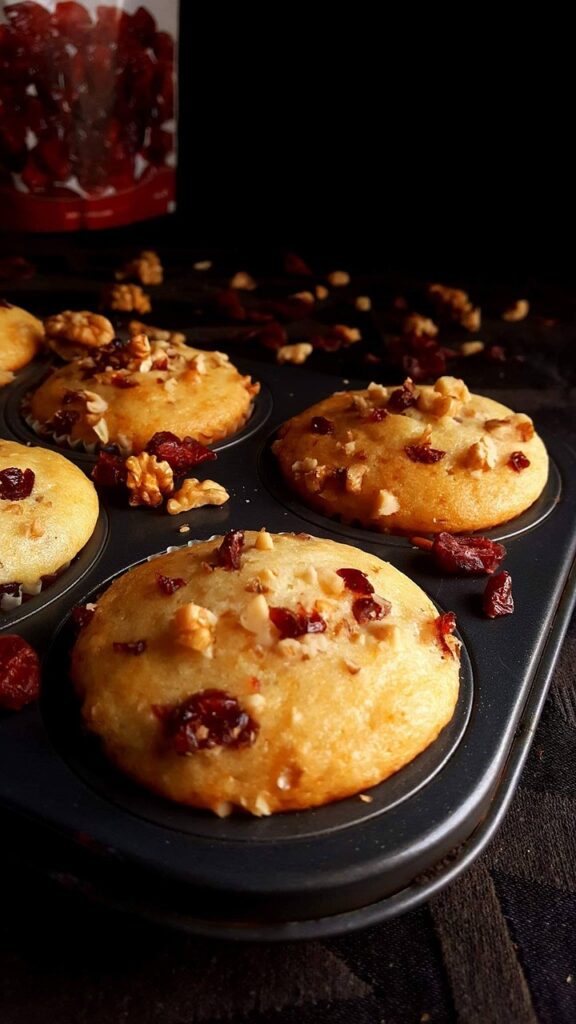
Picture this: It’s peak peach season, and you’re craving something sweet, satisfying, and actually good for you. Enter high protein muffins — a balanced breakfast, post-workout snack, or afternoon treat that keeps you full without the sugar crash. But here’s the thing: not all protein muffins are created equal. Some are dry, dense, or rely heavily on protein powder. Today, we’re sharing a seasonal peaches and cream recipe that uses whole food protein boosters — Greek yogurt, almond flour, and whole-wheat flour — to deliver tender, delicious muffins with about 5 grams of protein each. Plus, we’ll cover everything you need to know to bake high protein muffins that actually taste good, all year round.
Quick Answer: What Are High Protein Muffins?
High protein muffins are baked goods that contain significantly more protein than standard muffins — typically 10–20 grams per serving, compared to about 3–4 grams in a typical muffin. They’re made with protein-rich ingredients like Greek yogurt, cottage cheese, eggs, nut flours, or protein powder. When made with whole foods, they’re a nutritious option for breakfast, snacks, or meal prep.
Why Protein Matters for Women
You might be wondering: how much protein do I really need each day? The Recommended Dietary Allowance (RDA) is 46 grams per day for adult women — and that goes up to 71 grams during pregnancy and breastfeeding. But if you’re active, over 60, or trying to build or maintain muscle, many experts suggest aiming for 1.0–1.6 grams per kilogram of body weight (about 70–120 grams daily).
Here’s where homemade high protein muffins come in. One muffin can provide anywhere from 10 to 20 grams of protein — that’s a big chunk of your daily needs in a single serving. Pair one with a piece of fruit or a handful of nuts, and you’ve got a balanced meal that supports muscle health, keeps you full, and promotes stable energy levels.
Protein Needs at a Glance
• Sedentary adult woman: 46 g/day
• Active woman: 60–80 g/day
• Pregnant/breastfeeding: 71 g/day
• Post-menopause or over 60: 1.0–1.2 g/kg body weight
What Makes a Great High Protein Muffin?
I’ve tested quite a few high protein muffins over the years — some winners, some total flops. The secret to a muffin that’s moist, tender, and high in protein without being dry or rubbery comes down to three things: the right protein sources, the right flour blend, and enough moisture.
Let’s be honest: if you use only protein powder and little else, you’ll end up with a texture closer to a hockey puck. That’s why whole food proteins like Greek yogurt, cottage cheese, eggs, and nut butters are so effective — they add moisture, flavor, and a host of other nutrients alongside their protein content.
The Power Ingredients: Whole Food Protein Boosters
You don’t need to rely on protein powder to make high protein muffins. In fact, whole food ingredients often do a better job. Here’s a quick comparison of common protein boosters — each one gives you protein plus other benefits like fiber, calcium, or healthy fats.
Whole Food Protein Sources for Muffins
• Greek yogurt (1/2 cup): ~10g protein, plus calcium and probiotics
• Cottage cheese (1/2 cup): ~12g protein, low fat, creamy texture
• Eggs (2 large): ~12g protein, plus vitamin B12 and choline
• Almond flour (1/4 cup): ~6g protein, plus healthy fats and fiber
• Peanut butter (2 tbsp): ~7g protein, adds richness
• Chia seeds (2 tbsp): ~4g protein, plus fiber and omega-3s
• Protein powder (1 scoop): ~20–25g protein (use sparingly; can dry out batter)
For our peaches and cream recipe, we’re using Greek yogurt, almond flour, and whole-wheat flour together. The yogurt adds moisture and tang, while almond flour provides healthy fats and a tender crumb. Whole-wheat flour brings fiber and a nutty flavor. No protein powder needed — though you could add a scoop if you want an extra boost (just add a tablespoon or two of milk to balance the moisture).
The Perfect Summer Recipe: High-Protein Peaches & Cream Muffins
This is the recipe that started it all — high protein muffins that taste like dessert but work for breakfast. Juicy summer peaches, a lightly sweetened cream cheese filling, and a tender oat-based crumble on top. Each muffin delivers about 5 grams of protein (boost it by adding a scoop of protein powder if you like) and feels like a real treat.
Ingredients:
- 1 cup whole-wheat flour
- 1/2 cup almond flour
- 1/2 cup rolled oats
- 1 tsp baking powder
- 1/2 tsp baking soda
- 1/2 tsp cinnamon
- 1/4 tsp salt
- 2 large eggs
- 1/2 cup plain Greek yogurt (not nonfat)
- 1/4 cup honey or maple syrup
- 1/4 cup melted coconut oil or butter
- 1 tsp vanilla extract
- 1 cup diced fresh peaches (from about 2 peaches)
- 4 oz cream cheese, softened
- 2 tbsp powdered sugar (optional)
- 2 tbsp rolled oats + 1 tbsp chopped pecans for topping
Instructions:
- Preheat oven to 375°F and line a 12-cup muffin tin with paper liners.
- In a medium bowl, whisk together flours, oats, baking powder, baking soda, cinnamon, and salt.
- In a large bowl, whisk eggs, yogurt, honey, melted oil, and vanilla until smooth.
- Fold dry ingredients into wet until just combined. Toss peaches with 1 tbsp flour to prevent sinking, then fold in gently.
- In a small bowl, mix cream cheese with powdered sugar until smooth.
- Fill each muffin cup half full with batter. Add a dollop of cream cheese mixture (about 1 tsp), then top with remaining batter to cover.
- Sprinkle rolled oats and pecans on top.
- Bake 18–22 minutes until golden and a toothpick comes out clean. Cool 5 minutes in pan, then transfer to a rack.
How to Make Your Own High Protein Muffin Template
Once you get the hang of it, you can create your own high protein muffins with whatever fruit or add-ins you have on hand. Here’s a simple formula that works every time:
Build-Your-Own High Protein Muffin
• Dry base: 1 cup whole-wheat or oat flour + 1/2 cup almond flour (or sub with more whole-wheat)
• Protein boost: 1/2 cup Greek yogurt or cottage cheese + 2 eggs
• Sweetener: 1/4 cup honey, maple syrup, or mashed banana
• Fat: 1/4 cup coconut oil, butter, or nut butter
• Mix-ins: 1 cup fruit, nuts, or chocolate chips
• Liquid if needed: 1–2 tbsp milk if batter seems stiff
This template yields about 12 muffins with roughly 5–7g protein each, depending on your choices. For a higher protein count (10–15g per muffin), add 1 scoop of your favorite protein powder to the dry ingredients, and add an extra tablespoon or two of milk to prevent dryness.
Seasonal Fruit Swaps for High Protein Muffins
The beauty of this recipe is that it works with almost any fruit. Here are some of my favorite swaps:
- Blueberries: Fold in 1 cup fresh or frozen (no need to thaw). Add a little lemon zest.
- Raspberries: Use 1 cup fresh; toss gently to avoid crushing.
- Nectarines: Same as peaches — dice and toss with flour.
- Apples (fall): Dice 1 small apple and add 1/2 tsp cinnamon and 1/4 tsp nutmeg.
- Pumpkin (fall/winter): Replace yogurt with 1/2 cup pumpkin purée + 1 extra egg for moisture.
- Banana: Replace some sweetener with 1/2 mashed banana; reduce liquid slightly.
Troubleshooting Tips for Perfect High Protein Muffins
Even experienced bakers run into problems with high protein muffins. Here are the most common issues and how to fix them:
Common Problems & Solutions
• Dry or dense muffins: Too much protein powder or not enough moisture. Add an extra egg or 1/4 cup applesauce.
• Muffins stick to paper: Use parchment paper liners or spray foil liners with oil. Let cool completely before peeling.
• Fruit sinks to bottom: Toss fruit in a tablespoon of flour before folding in. Use larger pieces that won’t sink as easily.
• Muffins don’t rise much: Overmixed batter develops too much gluten. Mix only until combined — lumps are okay.
• Too sweet or not sweet enough: Adjust honey/maple syrup by 1-2 tablespoons. Ripe fruit adds natural sweetness.
Frequently Asked Questions About High Protein Muffins
Can I eat a high protein muffin every day?
Absolutely — as long as it’s part of a balanced diet. One muffin with fruit and a protein source like Greek yogurt can make a satisfying breakfast. Just be mindful of the added sugars if you use sweeteners. Homemade versions let you control the ingredients.
Are store-bought high protein muffins healthy?
It varies. Some are made with whole grains and minimal added sugar, but many contain protein isolates, excess sugar, and artificial ingredients. Check the label for at least 10g protein, under 10g added sugar, and whole food ingredients. Homemade is almost always a better bet.
How should I store high protein muffins?
Store in an airtight container at room temperature for up to 2 days, in the fridge for up to 5 days, or in the freezer for up to 3 months — perfect for your weekly meal prep routine. To reheat, microwave for 15-20 seconds or pop in a toaster oven.
The Bottom Line on High Protein Muffins
High protein muffins are a versatile, delicious way to add more protein to your day — especially when you use whole food ingredients like Greek yogurt, eggs, and nut flours. Our Peaches and Cream recipe is a perfect summer launchpad, but feel free to experiment with other fruits and your favorite protein boosters.
Remember: one muffin alone won’t transform your health, but a consistent habit of balanced, protein-rich snacks can make a real difference in energy, satiety, and strength. And with these tips and recipes, you’re ready to bake high protein muffins that everyone will love — no gummy texture, no weird aftertaste, just pure, delicious goodness.