

How to Make Cinnamon Tea: 5 Easy Methods (Hot & Iced)
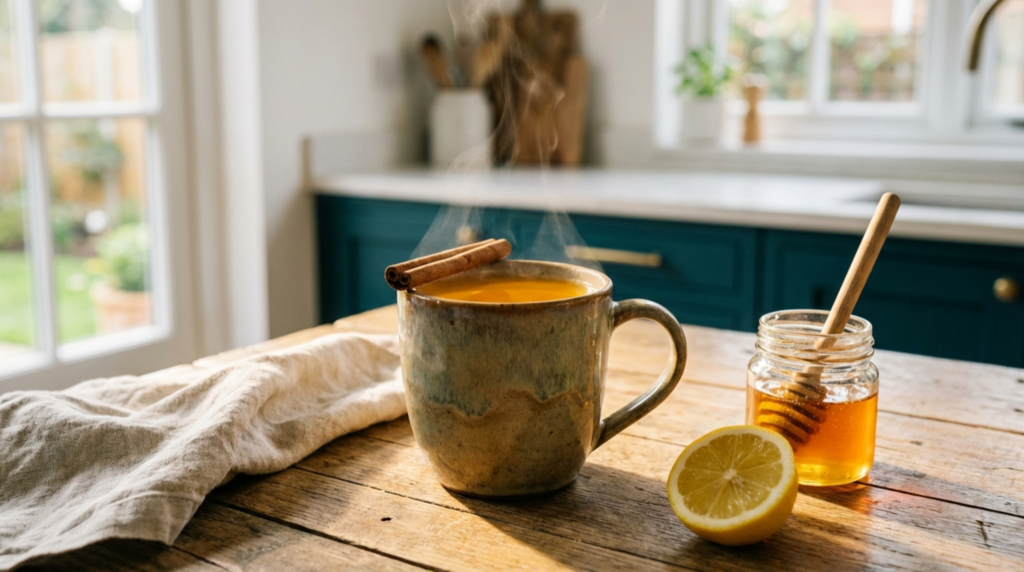
You probably already have everything you need sitting in your spice drawer right now. Learning how to make cinnamon tea takes less than 15 minutes, and once you taste a proper cup—warm, naturally sweet, deeply aromatic—you’ll wonder why you ever reached for sugary drinks instead. Whether you’re sipping it hot on a cold morning, pouring it over ice in summer, or letting it steep overnight for maximum potency, this simple cinnamon tea recipe belongs in every woman’s healthy living toolkit.
Quick Answer: The Easiest Way to Make Cinnamon Tea
Add 1–2 cinnamon sticks (or 1 tsp ground cinnamon) to 2 cups of water. Bring to a gentle boil, then simmer for 10–15 minutes. Strain into a mug and enjoy plain or with a drizzle of honey. That’s the classic method—but keep reading for 4 more variations including iced, overnight, and microwave methods that suit any schedule.
Why Cinnamon Tea Deserves a Spot in Your Daily Routine
Before we get into the recipes, let’s talk about why this drink is worth making every single day. Cinnamon tea is caffeine-free, naturally calorie-light, and loaded with polyphenols—the same antioxidant compounds that make green tea so celebrated.
Research published in PMC confirms that cinnamon tea has high antioxidant capacity, with strong polyphenol content that may help buffer blood sugar spikes after meals. A 2024 meta-analysis of 24 randomized controlled trials found that cinnamon supplementation significantly reduced fasting blood sugar and insulin resistance compared to placebo groups.
For women managing hormonal shifts, metabolic health, or just trying to build healthier daily habits, those benefits add up fast. We’ve covered the full picture in our deeper dive on why cinnamon before bed can transform your health—but the short version is this: making cinnamon tea a daily habit is one of the easiest wellness upgrades you can make.
Ceylon vs. Cassia: Which Cinnamon Should You Use for Tea?
This question matters more than most people realize. There are two main types of cinnamon: Ceylon (true cinnamon, lighter and more delicate) and Cassia (the bold, spicy variety found in most grocery stores). Both make delicious tea—but Ceylon is the smarter choice for daily drinking.
Cassia contains significantly higher levels of coumarin, a compound that can stress the liver in large amounts. Ceylon cinnamon contains much lower coumarin levels, making it safer for regular consumption. If you’re drinking cinnamon tea every day—which we fully encourage—opt for Ceylon. You can learn more about these differences in our full breakdown: Ceylon cinnamon vs. Cassia—which is right for you?
What You Need to Make Cinnamon Tea (Simple Ingredients)
The beauty of this drink is how little you need. Here’s the core shopping list before we get into the five methods:
- Cinnamon sticks — 1 to 2 per cup; Ceylon is preferred for daily use
- Ground cinnamon — use ½ to 1 teaspoon per cup as an alternative
- Water — filtered is best for clean flavor
- Optional sweetener — raw honey, maple syrup, monk fruit, or stevia
- Optional add-ins — fresh ginger, lemon slice, star anise, or a black tea bag
That’s really it. Now, let’s get into all five methods so you can choose the one that fits your morning (or evening) best.
How to Make Cinnamon Tea: 5 Easy Methods
Each method below produces a slightly different result in terms of flavor intensity and convenience. Try them all and see which one becomes your go-to.
Method 1: Classic Stovetop Cinnamon Stick Tea (Hot)
This is the gold standard—the method that produces the richest, most deeply flavored cup. It takes about 20 minutes but most of that is hands-off simmer time.
What you need: 2 cinnamon sticks, 2 cups water, optional honey
Add the cinnamon sticks and water to a small saucepan over medium heat. Bring to a boil, then reduce heat and simmer gently for 10 to 15 minutes. The longer you simmer, the stronger and deeper the flavor becomes. Remove from heat, strain through a fine mesh sieve into your mug, and sweeten to taste. Your kitchen will smell incredible.
Pro tip: Don’t reuse cinnamon sticks—they lose most of their flavor after one brewing and can harbor bacteria while damp.
Method 2: Quick Mug Steep Method (Hot, Under 5 Minutes)
Busy morning? This shortcut method gives you a solid cup with minimal effort. It’s not quite as rich as the stovetop version, but it’s genuinely fast.
What you need: 2 cinnamon sticks, 1 cup boiling water
Place the cinnamon sticks directly in your mug. Boil water in a kettle, let it sit for one minute (this prevents scalding that can mute the flavor), then pour over the sticks. Cover the mug with a small plate to trap the steam and steep for 10 minutes. Remove the sticks, sweeten if desired, and drink. It’s that simple.
Method 3: Ground Cinnamon Tea (Hot, No Sticks Needed)
Already have ground cinnamon in your pantry? Perfect. This method works well and requires zero special equipment, though the texture will be slightly more rustic.
What you need: ½ to 1 teaspoon ground cinnamon, 1 cup boiling water
Boil your water, pour it into a mug, and vigorously whisk in the ground cinnamon until mostly dissolved. Some powder will settle at the bottom—that’s normal. Let it sit for 3 to 5 minutes before drinking, and stop sipping before you reach the last bit in the mug. You can also use a fine mesh strainer or a cinnamon-filled tea infuser for a cleaner cup. Sweeten with raw honey for maximum benefit—we love the combination covered in our cinnamon and honey weight loss combinations guide.
Method 4: Iced Cinnamon Tea (Cold Brew Style)
Don’t underestimate how refreshing this is on a warm day. Cinnamon iced tea is naturally sweet-tasting, beautifully amber-colored, and makes a far healthier alternative to sugary drinks.
What you need: 4 cinnamon sticks, 4 cups water, ice, optional lemon and honey
Make a double-strength batch using the stovetop method above (4 sticks, 4 cups water, simmer 15 minutes). Let it cool completely to room temperature, then refrigerate until chilled. When ready to serve, pour over a tall glass of ice. Add a squeeze of fresh lemon and a drizzle of honey if you like. Stored in a sealed jar, this keeps in the fridge for up to 5 days—making it perfect for batch prepping at the start of the week.
Method 5: Overnight Cold Steep Cinnamon Tea
This is Clara’s favorite method for maximum polyphenol extraction with minimum effort. You set it up before bed and wake up to a concentrated, smooth cinnamon infusion ready to enjoy cold or gently warmed.
What you need: 2 cinnamon sticks (or 1 tsp ground cinnamon in an infuser), 2 cups cold filtered water, a mason jar with a lid
Place the cinnamon sticks in a clean mason jar. Fill with cold water, seal the lid, and refrigerate overnight (8 to 12 hours). In the morning, remove the sticks and your tea is ready. The cold steep process produces a mellow, smooth flavor without any bitterness. Drink it cold over ice or warm it gently on the stove for a minute or two. The overnight method pairs beautifully with everything we cover in our article on cinnamon and warm water before bed.
Quick Comparison: Which Method Is Right for You?
For the richest flavor, use stovetop with cinnamon sticks. For fastest results, use the mug steep. For no-fuss convenience, use ground cinnamon. For summer sipping, go with iced. For effortless mornings, try the overnight cold steep and wake up to it ready and waiting.
How to Make Cinnamon Tea Taste Even Better: Flavor Variations
The basic recipe is wonderful on its own. However, once you’ve mastered it, these add-ins take your cup to the next level—and many of them add their own health benefits too.
Cinnamon Ginger Tea: Add 3 to 4 thin slices of fresh ginger to the pot while simmering. The combination is warming, anti-inflammatory, and especially soothing during cold season or when digestion feels sluggish. We’ve explored the science behind this pairing in depth: 9 science-backed reasons to drink ginger cinnamon lemon tea daily.
Cinnamon Lemon Tea: Squeeze half a lemon into your finished cup. The brightness of the lemon beautifully balances the warmth of cinnamon, and the vitamin C adds immune support. This version works particularly well iced.
Cinnamon Black Tea: Once you’ve finished simmering the cinnamon, add one black tea bag to the pot and steep for 2 to 3 minutes before removing. You get a lightly caffeinated, spiced tea that makes a wonderful morning coffee alternative.
Cinnamon Turmeric Tea: Add ¼ teaspoon of ground turmeric and a tiny pinch of black pepper to your cinnamon brew. The black pepper activates turmeric’s curcumin for better absorption. This is one of the most anti-inflammatory drinks you can make at home. It pairs perfectly with the bloat-beating approach in our anti-bloating tea guide.
Cinnamon Honey Tea: Stir in a teaspoon of raw honey after removing from heat (never add honey to boiling water—it destroys beneficial enzymes). Raw honey adds prebiotic fiber alongside natural sweetness. Furthermore, the cinnamon-honey combination has specific metabolic benefits worth exploring further.
The Best Sweeteners for Cinnamon Tea
Cinnamon tea has a naturally sweet edge, so you may not need to sweeten it at all. However, if you prefer it sweeter, raw honey is the top choice—it complements the flavor and provides its own antimicrobial and antioxidant properties. Monk fruit sweetener is an excellent zero-calorie option; monk fruit offers impressive health benefits and doesn’t spike blood sugar. Maple syrup adds a rich, earthy depth. Avoid refined white sugar—it undermines the very metabolic benefits you’re brewing for.
The Science-Backed Health Benefits of Cinnamon Tea for Women
This isn’t just a cozy drink—there’s real science behind why so many women make it a daily ritual.
First, blood sugar regulation. Research on cinnamon tea specifically showed it significantly lowered postprandial (after-meal) blood glucose peaks compared to a control group. For women dealing with insulin resistance, PCOS, or perimenopausal metabolic shifts, this is meaningful daily support. Drinking cinnamon tea with or after meals makes particular sense from a timing perspective.
Second, antioxidant protection. A comprehensive 2025 umbrella review confirmed that cinnamon enhances antioxidant status, attenuates free radical generation, and lowers markers of oxidative stress—all of which contribute to cardiovascular protection and healthy aging. Moreover, cinnamon demonstrates anti-inflammatory, antimicrobial, and cholesterol-lowering properties in both laboratory and human studies.
Third, digestive comfort. The warm liquid itself soothes the gut, while cinnamaldehyde—cinnamon’s primary active compound—has been shown to reduce bloating, gas, and digestive discomfort. If you’re working through our 7-day anti-bloat meal plan, cinnamon tea is a natural complement.
Finally, weight management support. Cinnamon tea is essentially calorie-free, naturally sweet-tasting, and may help curb sugar cravings between meals. Additionally, research suggests cinnamon improves insulin sensitivity, which directly supports a healthy metabolism. Our dedicated article on whether cinnamon helps with weight loss covers the evidence in detail.
How Many Cups of Cinnamon Tea Can You Drink Per Day?
One to three cups daily is a reasonable amount for most healthy women. If you’re using Cassia cinnamon, stick to one cup to keep coumarin intake within safe limits. With Ceylon cinnamon, two to three cups per day is generally well-tolerated. Always check with your healthcare provider if you’re pregnant, on blood-thinning medications, or managing a specific health condition.
Best Time to Drink Cinnamon Tea for Maximum Benefit
Timing your cinnamon tea strategically can amplify its benefits. Here’s what the evidence suggests and when different methods work best.
In the morning on an empty stomach: The overnight cold steep is perfect here—it’s ready before you’ve even made breakfast. Cinnamon water on an empty stomach may enhance its blood sugar stabilizing effects throughout the day. We cover this thoroughly in our piece on cinnamon water on an empty stomach for women.
With or after meals: The blood sugar research is most directly applicable here. Sipping cinnamon tea during or after a carbohydrate-containing meal supports more gradual glucose absorption. The quick mug-steep method works well in this context because of its speed.
Before bed: The hot stovetop method is lovely in the evening. Cinnamon tea is caffeine-free and naturally calming, making it an excellent swap for nighttime snacks or sugary drinks. Our detailed guide to cinnamon before bed benefits explains exactly why this ritual is worth building.
As an afternoon pick-me-up: Try the iced version on warm days or the cinnamon black tea variation for a gentle caffeine lift without the anxiety that stronger coffee can trigger.
How to Store Your Cinnamon Tea
Cinnamon tea stores beautifully, which makes it ideal for batch brewing. Prepare a large pot at the beginning of the week, strain out all the cinnamon, and store the liquid in a sealed glass jar in the refrigerator for up to 5 days. Reheat portions as needed or serve cold over ice. The flavor actually deepens slightly after 24 hours in the fridge, making day-two tea arguably better than day-one.
Common Mistakes When Making Cinnamon Tea (And How to Fix Them)
Even with a simple recipe, a few missteps can turn a lovely cup into something flat or unpleasant. Here’s what to watch for.
Boiling on high heat for too long: Aggressive boiling can make cinnamon tea taste harsh and slightly bitter. A gentle simmer is all you need—the flavor extracts more smoothly at lower temperatures.
Using too much ground cinnamon: More isn’t better here. Half a teaspoon per cup is the sweet spot for ground cinnamon. Going beyond a teaspoon makes the tea gritty and overpowering.
Skipping the strain: If you use cinnamon sticks, always strain. Tiny bark fragments that sneak into the cup aren’t pleasant to drink and can give a woody, dry texture.
Adding honey to boiling water: This destroys honey’s beneficial enzymes and alters its flavor. Always let the tea cool slightly to below 140°F (about 60°C) before stirring in honey.
Using old, flavorless cinnamon: Ground cinnamon loses potency quickly. If yours has been sitting in the back of a cabinet for two years, it won’t deliver much flavor or benefit. Fresh is everything with spices.
Frequently Asked Questions About Cinnamon Tea
Can I make cinnamon tea without cinnamon sticks?
Absolutely. Ground cinnamon works perfectly for a quick cup—just use ½ to 1 teaspoon per cup, whisk vigorously into hot water, and strain or let the powder settle. Cinnamon sticks produce a cleaner, smoother tea, but ground cinnamon is a totally valid shortcut when you need it.
Is cinnamon tea the same as cinnamon water?
They’re very similar but not quite identical. Cinnamon water typically refers to a cold or room-temperature infusion made by steeping cinnamon sticks in water overnight. Cinnamon tea usually involves heat—either simmering or steeping in hot water. Both deliver cinnamon’s beneficial compounds. See our complete cinnamon water recipe guide for all the cold-infusion methods.
Does cinnamon tea help with weight loss?
It can support a healthy weight indirectly. Cinnamon tea is calorie-free, helps curb sweet cravings, and may improve insulin sensitivity—all helpful for weight management. However, it’s a complement to a healthy lifestyle, not a standalone solution. Pairing it with evidence-based strategies from our weight loss guide for women over 40 gives you the full picture.
What does cinnamon tea taste like?
Warm, naturally sweet, slightly spicy, and deeply aromatic—think cinnamon rolls without the sugar. It brews into a beautiful amber color. The flavor is more complex than plain herbal teas but gentler than chai. Ceylon cinnamon tea is milder and almost floral; Cassia is bolder and more peppery. Most people find it immediately comforting.
Is cinnamon tea safe during pregnancy?
A small daily amount is generally considered safe, but large quantities of cinnamon are not recommended during pregnancy due to its uterine-stimulating properties. Always consult your OB or midwife before making cinnamon tea a regular habit while pregnant. This is especially important with Cassia cinnamon, which has higher coumarin content.
The Bottom Line: Your New Favorite Healthy Habit Starts Here
Learning how to make cinnamon tea is genuinely one of the easiest wellness upgrades you can make. It costs almost nothing, takes minutes to prepare, and delivers real, science-backed benefits—from blood sugar support to antioxidant protection to digestive comfort.
Start with the classic stovetop method to fall in love with the flavor. Then experiment with the overnight cold steep for effortless mornings, the iced version for summer, and the ginger-lemon variation when your body needs extra support. Each cup is a small act of nourishment that fits seamlessly into a healthy, sustainable lifestyle.
Choose Ceylon cinnamon when you can, pair it with raw honey or monk fruit, and make it a ritual rather than a random recipe. Your future self will thank you—one warm, amber cup at a time.