
Women’s Weight Loss Secrets: The Unspoken Truth
The weight loss industry makes $72 billion yearly. Want to know their biggest secret? They need you to fail. Moreover, that’s not a conspiracy theory—it’s their business model. Every time you regain weight, you become a repeat customer.
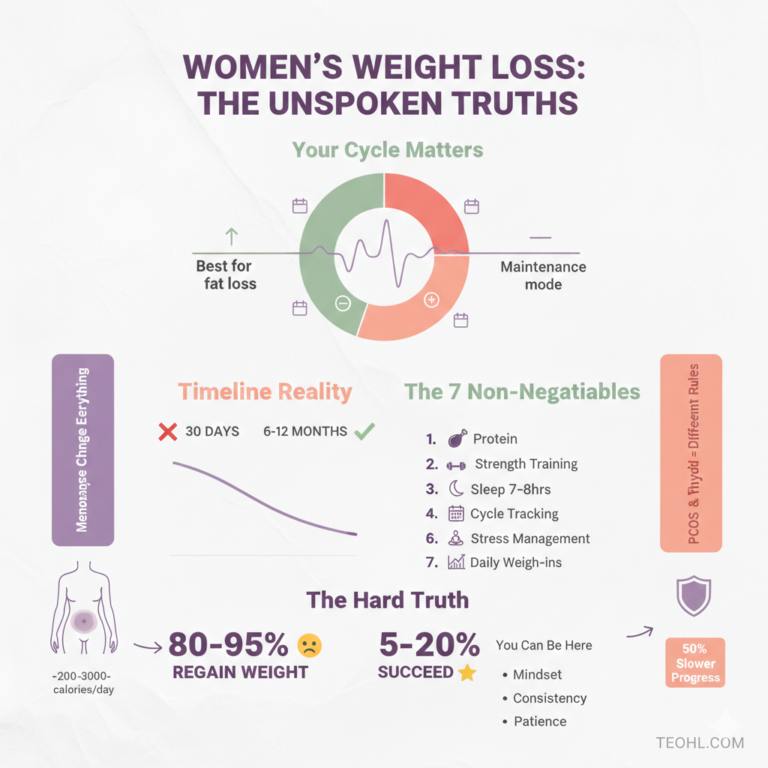
Here’s what nobody tells you about weight loss for women: it’s rigged against you from the start. Diet companies sell false hope wrapped in pretty packaging. Additionally, they know most diets fail within two years. In fact, 95% of people regain the weight they lost, often gaining even more.
This article reveals the unspoken truths about women’s weight loss that the industry hides. You’ll discover why your body fights back when you diet. Moreover, you’ll learn the biological facts about female fat loss that most “experts” ignore. Also, you’ll get honest strategies that work without empty promises or quick fixes.
By the end, you’ll understand why weight loss feels so hard—because it is. However, knowing the truth arms you with real power to succeed. Therefore, let’s expose what they don’t want you to know.
🔑 Quick Answer: The Unspoken Truth About Women’s Weight Loss
- Your body fights back: Metabolism slows, hunger hormones surge, and your body defends its set point. Moreover, this is biology, not willpower failure
- Women face unique biology: Hormonal cycles, menopause, and different fat storage patterns make female weight loss distinct. Additionally, you need women-specific strategies
- Industry lies work: Detoxes, cleanses, and 30-day transformations exploit hope. However, they’re designed to fail so you keep buying
- Protein is the secret: High protein (1g per pound) reduces hunger, burns more calories, and preserves muscle. Therefore, it’s the most powerful tool you have
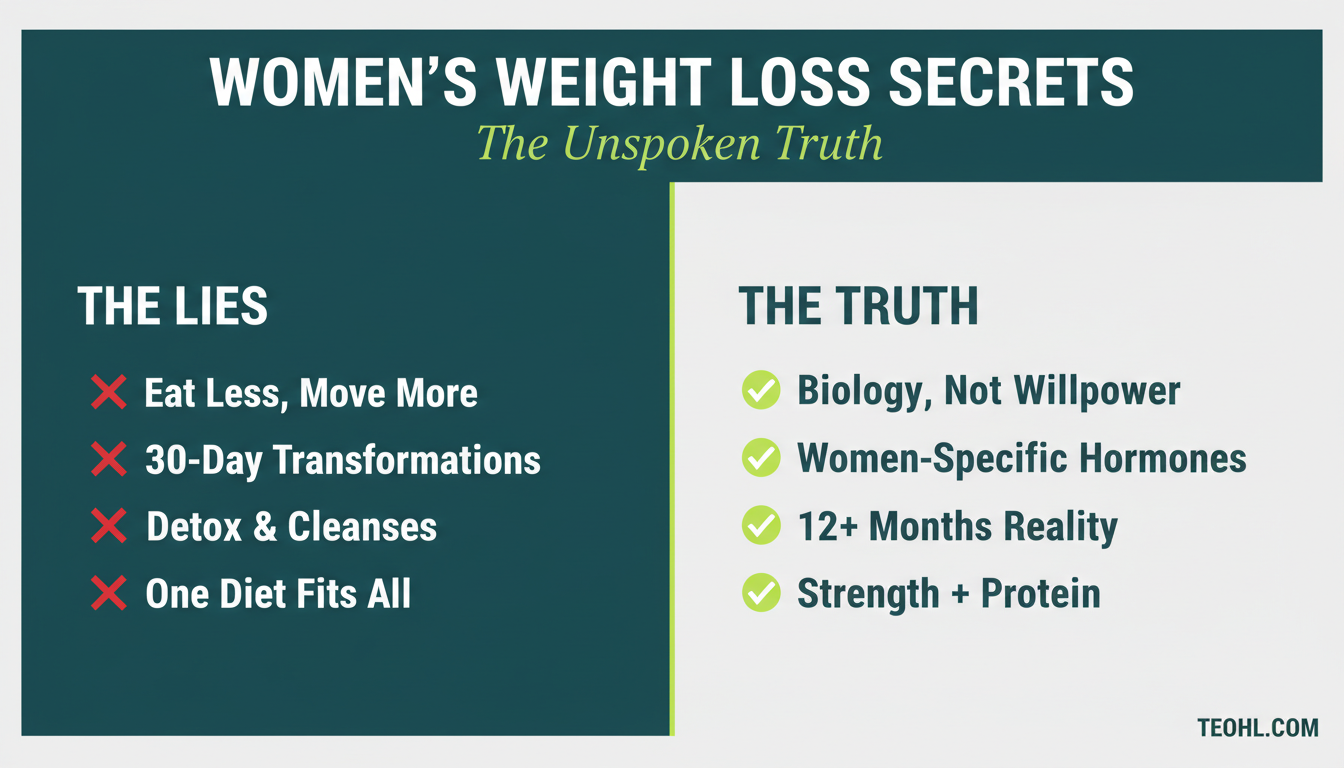
- Timeline is longer: Real fat loss takes 6-12+ months, not 30 days. Nevertheless, slow progress is the only lasting progress
The Lies You’ve Been Told About Weight Loss
Diet companies profit from your repeated failures. “Eat less, move more” sounds simple. However, this advice ignores basic biology. Moreover, it’s why 95% of diets fail long-term.
Your Body Defends Its Weight
When you cut calories, your body doesn’t just burn fat quietly. Instead, it fights back hard. Metabolism slows by up to 40% during extreme dieting. Additionally, hunger hormones surge to levels three times higher than before you started.
Research from the National Institutes of Health shows your body defends against weight loss through powerful biological mechanisms. This isn’t weakness. Moreover, it’s survival programming from thousands of years of evolution.
Set point theory explains why maintaining weight loss feels so hard. Your body has a weight range it considers “normal” and defends fiercely. Therefore, when you drop below this set point, hunger increases while metabolism drops. This biological tug-of-war makes keeping weight off nearly impossible without understanding what’s happening.
The Yo-Yo Diet Trap
Repeated dieting damages your metabolism permanently. Each time you lose and regain weight, muscle mass decreases while fat increases. Moreover, this makes the next diet attempt even harder.
Studies show that Harvard Health explains how repeated dieting cycles harm metabolism through adaptive thermogenesis. Your body learns to function on fewer calories. Additionally, it becomes more efficient at storing fat when you eat normally again.
This metabolic damage explains why you gain weight eating the same foods that once kept you slim. It’s not a personal failing. Instead, it’s biological adaptation to perceived starvation.
Marketing Tricks That Exploit Hope
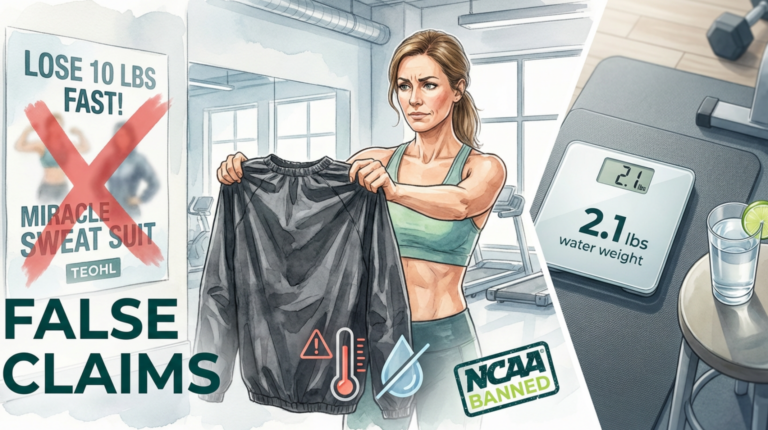
Popular trends like the pink salt trick and cinnamon supplements promise quick results with zero effort. However, these gimmicks work through placebo effect and water loss, not fat burning.
Detox teas and cleanses claim to “flush toxins” and “reset metabolism.” In reality, your liver and kidneys handle detoxification perfectly. Moreover, these products often contain laxatives that cause water weight loss, not fat loss. The weight returns within days of stopping.
Before and after photos get photoshopped regularly. Lighting, angles, and posing create dramatic differences. Additionally, many testimonials are paid actors or cherry-picked success stories from thousands of failures. The industry shows you the 5% who succeed while hiding the 95% who don’t.
The Female Biology Truth Nobody Explains
Women’s bodies work differently than men’s when losing weight. These differences aren’t minor—they’re major biological factors that demand specific strategies. Moreover, ignoring female biology guarantees frustration and failure.
Why Women Store More Body Fat
Women naturally carry 6-11% more body fat than men due to reproductive biology. Research in evolutionary biology shows women store fat differently to support pregnancy and breastfeeding.
Estrogen directs fat storage to hips, thighs, and breasts rather than the abdomen. This pattern protects vital organs but makes certain areas resistant to fat loss. Moreover, this is why spot reduction doesn’t work—you can’t target where fat comes off.
Men lose weight faster because they carry more muscle mass naturally. Muscle burns 6 calories per pound daily at rest. Therefore, higher muscle mass means higher metabolism. Women must work harder to build and maintain muscle, making weight loss inherently slower.
Hormonal Cycles Affect Everything
Your menstrual cycle causes weight fluctuations of 3-5 pounds throughout the month. Studies show women gain water weight during the luteal phase (after ovulation). This isn’t fat gain. Moreover, it disappears naturally when your period starts.
Estrogen peaks during the follicular phase (days 1-14), boosting mood and energy. This is your best time for intense workouts and stricter eating. Additionally, insulin sensitivity improves, making carbs less likely to store as fat.
Progesterone rises during the luteal phase (days 15-28), increasing appetite and cravings. Fighting this with willpower alone rarely works. Instead, increase calories slightly during this week to maintain sanity. Therefore, monthly average matters more than daily perfection.
For women in their 40s, perimenopause brings unpredictable hormonal swings. Research demonstrates estrogen’s critical role in metabolism and body composition. As estrogen declines, fat redistributes from hips to abdomen, metabolism slows, and muscle loss accelerates.
Menopause Changes the Game Completely
Women over 50 face menopause-related metabolic shifts that make previous strategies obsolete. Estrogen drops to near zero. Moreover, this triggers several changes simultaneously: metabolism slows by 100-200 calories daily, muscle loss speeds up to 3% yearly, and fat storage favors the midsection.
Post-menopausal women over 60 have lived with these changes for years, requiring even more specific approaches. For comprehensive strategies beyond weight loss, see our optimal wellbeing after 60 guide.
Muscle Loss Accelerates After 30
The National Institute on Aging reports women lose 3-8% of muscle mass per decade after 30. This sarcopenia speeds up dramatically after menopause. Each pound of muscle lost removes 6 calories from your daily burn.
Losing 10 pounds of muscle over a decade drops your metabolism by 60 calories daily. That’s 21,900 calories yearly—equivalent to 6 pounds of potential fat gain. Simply maintaining your current weight requires eating less or moving more as you age.
Strength training isn’t optional for women—it’s vital. Building muscle is the only way to fight metabolic slowdown. Moreover, compound movements like squats build functional strength that protects independence as you age.
The Psychological Barriers Women Face
Weight loss isn’t just physical—it’s deeply mental and emotional. Women face unique psychological challenges that diet culture exploits ruthlessly. Moreover, ignoring these mental barriers guarantees failure regardless of your meal plan.
Emotional Eating and Stress
Research shows women engage in emotional eating more than men. Food becomes comfort, reward, and coping mechanism for stress, sadness, and anxiety.
Society trains women to suppress emotions and be agreeable. Food provides a socially acceptable outlet for feelings. Moreover, eating doesn’t require bothering anyone else with your problems. This pattern starts young and becomes deeply ingrained by adulthood.
Breaking emotional eating requires addressing underlying triggers, not just willpower. Stress management through exercise, meditation, or therapy helps. Additionally, building intuitive eating habits repairs your relationship with food fundamentally.
Diet Culture Trauma
Most women start dieting in their teens or earlier. Decades of restriction, failure, and weight cycling create psychological damage. Food gets labeled “good” or “bad.” Moreover, eating becomes a moral issue rather than neutral fuel.
This moralization triggers shame spirals. Eating a cookie becomes “being bad.” One slip leads to “I already ruined today, might as well binge.” Perfectionism makes any deviation feel like total failure. Therefore, sustainable eating requires removing moral judgment from food choices entirely.
Harvard Health reports mindful eating practices reduce overeating and improve satisfaction with meals. This approach builds awareness without judgment, allowing you to enjoy food while making choices aligned with your goals.
Body Image and Social Pressure
Studies link social media use to increased body dissatisfaction in women. Instagram and TikTok showcase filtered, edited, professionally lit bodies that don’t exist in real life.
Comparison steals joy and motivation. You measure your behind-the-scenes reality against everyone else’s highlight reel. Moreover, this constant comparison makes you feel inadequate no matter how much progress you make.
Family and friends often sabotage efforts unconsciously. Comments like “You’re getting too thin” or “Just have one bite” undermine your commitment. Additionally, diet discussions at social events create pressure to explain or defend your choices constantly.
The Mental Load of Meal Planning
Women typically handle meal planning, shopping, and cooking for entire families. Eating differently than everyone else adds exhausting mental work. Moreover, preparing two separate meals daily isn’t sustainable long-term.
This invisible burden makes weight loss harder for women than men. Your partner can “just diet” while you plan meals, prep ingredients, and resist cooking food you won’t eat. The mental load alone causes many women to quit.
What Actually Works for Women’s Weight Loss
After exposing the lies and biological truths, here’s what actually delivers results. These strategies work with your female biology rather than fighting against it. Moreover, they’re based on research, not marketing hype.
Protein Is Your Most Powerful Tool
High protein intake (1.0-1.2g per pound of target body weight) is the single most effective weight loss strategy. Harvard Medical School recommends higher protein for women, especially during weight loss.
Protein reduces hunger more than any other food. It increases satiety hormones while reducing ghrelin (the hunger hormone). Moreover, protein has the highest thermic effect—your body burns 25-30% of protein calories just digesting it. Therefore, 100 calories of protein only nets 70-75 calories after digestion.
Calculate your exact protein needs based on your target weight. For a woman targeting 140 pounds, that’s 140-168g protein daily. This might seem high but delivers powerful results.
💡 How to Hit 150g Protein Daily
Breakfast (30-35g): Greek yogurt with protein powder, or 3 eggs with turkey sausage
Lunch (35-40g): Grilled chicken breast (6 oz) with vegetables, or tuna salad on greens
Dinner (40-45g): Salmon (6 oz) with quinoa, or lean ground turkey in stir-fry
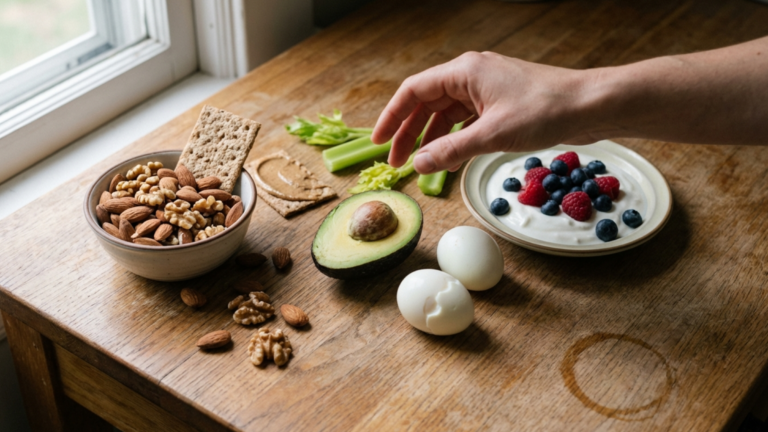
Snacks (25-30g total): Cottage cheese, protein shakes, or hard-boiled eggs
Consider protein powder if hitting targets through whole foods feels hard. Additionally, protein shakes provide convenient options for busy mornings or post-workout nutrition.
Strength Training Builds Your Metabolism
Mayo Clinic research shows strength training increases metabolism and preserves bone density in women. Lifting weights doesn’t make you bulky—women lack the testosterone for large muscle gains.
Building just 5 pounds of muscle increases your metabolism by 30 calories daily. That’s 10,950 calories yearly—equivalent to 3 pounds of fat burned without changing diet. Moreover, muscle gives you the “toned” look everyone wants. Fat loss without muscle building leaves you smaller but still soft.
Follow structured strength training programs designed for women. Train 3-4 times weekly using progressive overload—gradually increasing weight lifted over time. Additionally, beyond weight loss, exercise protects brain health as you age.
Modest Calorie Deficit, Not Starvation
Extreme calorie cuts trigger metabolic adaptation and muscle loss. Instead, aim for a modest 300-500 calorie deficit below maintenance. This allows steady fat loss of 0.5-1 pound weekly while preserving muscle and keeping metabolism healthy.
The CDC recommends gradual weight loss of 1-2 pounds weekly for lasting results. Slower progress feels frustrating but creates sustainable change. Moreover, rapid weight loss almost always returns with extra pounds.
Track your macros for weight loss to ensure adequate nutrition. Aim for 30-35% protein, 25-30% fat, and 35-45% carbs. These ratios support muscle preservation, hormone production, and sustained energy.
Practical Meal Planning That Works
Try our 7-day anti-bloat meal plan for structured guidance. This includes shopping lists and recipes that work for families. Moreover, meal prepping on Sundays saves time and reduces decision fatigue during busy weeks.
Cook family meals with weight-loss-friendly modifications for yourself. Make pasta for the kids but serve yours over zucchini noodles or cauliflower rice. Additionally, prep protein in bulk—grilled chicken, hard-boiled eggs, and cooked ground turkey last all week.
Budget-friendly options matter for many women. Eggs, canned tuna, frozen chicken, Greek yogurt, and dried beans provide cheap protein. Moreover, nutrient-dense snacks like pumpkin seeds offer affordable nutrition between meals.
Consider Medical Options When Appropriate
For women with significant weight to lose or medical conditions, peptide therapy and other medical interventions exist. These require doctor supervision but can help when traditional methods fail. However, they work best combined with diet and exercise, not as replacements.
The Mindset Shift That Makes It Stick
Sustainable weight loss requires changing how you think about food, your body, and progress. Diet mentality keeps you trapped in cycles of restriction and binge. Moreover, true success comes from building lifestyle habits, not following temporary rules.
Progress Over Perfection
Perfectionism kills more weight loss attempts than anything else. One “bad” meal becomes a “ruined day,” which becomes a “blown week.” This all-or-nothing thinking guarantees failure. Instead, aim for consistency over perfection.
Eating healthy 80-90% of the time delivers results while allowing treats and social events. Moreover, one meal doesn’t make you gain fat just like one workout doesn’t make you fit. What you do consistently over months matters infinitely more than what you do on any single day.
Non-Scale Victories Matter Most
The scale doesn’t tell the whole story. Muscle weighs more than fat by volume. Therefore, you can lose inches and dress sizes while the scale barely moves. Additionally, progress shows in energy levels, sleep quality, mood stability, and physical strength.
Track measurements (waist, hips, thighs), progress photos, and how clothes fit. Celebrate lifting heavier weights or walking farther without fatigue. Moreover, health improvements like better blood pressure or blood sugar matter far more than scale numbers.
Building Habits, Not Following Rules
Diets have endpoints—you follow rules until reaching a goal, then stop. Habits integrate into your life permanently. Instead of “I can’t eat carbs,” think “I choose protein-rich breakfasts because they keep me full.”
Build intuitive eating skills that honor hunger, respect fullness, and remove moral judgment from food. This takes time but creates lasting change. Moreover, it frees you from diet rules that make eating stressful and joyless.
Self-Compassion Over Self-Criticism
Beating yourself up for mistakes doesn’t motivate change—it triggers shame spirals. Self-compassion actually increases success rates by helping you learn from setbacks without emotional devastation.
Talk to yourself like you’d talk to a friend. “I overate today” becomes “I was stressed and used food to cope. What other tools can I develop?” This shifts from judgment to problem-solving. Additionally, it removes the shame that fuels binge eating.
The Realistic Timeline Nobody Mentions
Weight loss takes time—real time, not Instagram time. Setting proper expectations prevents discouragement when results don’t match unrealistic marketing promises. Moreover, understanding normal timelines helps you stay committed during plateaus.
What to Expect Month by Month
Months 1-2: You’ll lose 4-8 pounds, mostly water weight initially. You’re learning new habits and adjusting to changes. Moreover, energy levels may fluctuate as your body adapts. This phase feels exciting but challenging.
Months 3-6: Fat loss becomes steady at 0.5-1 pound weekly. You’ve lost 10-20 pounds total now. Additionally, clothes fit noticeably better and people start commenting. However, progress slows from initial excitement.
Months 6-9: You’ll hit your first major plateau. Despite perfect adherence, weight stalls for 2-4 weeks. This is normal—your body adjusts to new weight. Moreover, this is when most people quit. Don’t. The plateau will break if you stay consistent.
Months 9-12: Weight loss continues slowly. You’ve lost 20-40 pounds total by now. Body recomposition becomes obvious—you’re smaller than the scale suggests because muscle replaced fat. Additionally, these results feel sustainable rather than temporary.
Year 1+: Maintenance begins. This is harder than losing because novelty wears off. However, habits you built become your new normal. Moreover, focusing on health beyond the scale helps maintain motivation long-term.
Why Slower Is Actually Better
Rapid weight loss sounds appealing but fails long-term. Losing 2+ pounds weekly causes muscle loss, metabolic slowdown, and nutritional deficiencies. Moreover, your body panics and triggers stronger hunger signals and lower energy.
Slower loss (0.5-1 pound weekly) preserves muscle and metabolism. Your skin has time to adjust, reducing loose skin issues. Additionally, slow progress builds sustainable habits rather than temporary restrictions you can’t maintain.
Most importantly, research shows rapid losers regain weight faster than slow losers. The tortoise wins this race. Therefore, patience becomes your greatest asset in lasting change.
Frequently Asked Questions
Why is weight loss harder for women than men?
Women carry more body fat naturally (6-11% more) for reproductive purposes. Moreover, men have higher muscle mass, which burns more calories at rest. Additionally, hormonal fluctuations from menstrual cycles, pregnancy, and menopause affect women’s metabolism constantly. Men’s hormones remain relatively stable, making their weight loss more linear and predictable. Therefore, women require more patience and different strategies than men to see similar results.
How do hormones affect weight loss in women?
Estrogen influences where you store fat (hips and thighs vs. abdomen) and affects metabolism directly. During your menstrual cycle, estrogen peaks mid-cycle, improving insulin sensitivity and energy. Moreover, progesterone rises in the second half of your cycle, increasing appetite and water retention. Women over 40 experience declining estrogen through perimenopause. Additionally, post-menopausal women face near-zero estrogen, shifting fat storage to the midsection and slowing metabolism. Therefore, hormonal health directly impacts weight loss success.
What’s the best diet for women’s weight loss?
The best diet is one you can maintain forever. However, certain principles work better for women: high protein (1g per pound), moderate carbs (timed around workouts), and healthy fats (25-30% of calories). Moreover, the approach should account for your menstrual cycle, allowing more calories during the luteal phase. Additionally, tracking macros ensures adequate nutrition while maintaining a deficit. Therefore, flexibility and personalization matter more than following any specific named diet.
How long does it really take to lose weight as a woman?
Realistic fat loss takes 6-12+ months for significant results (20-40 pounds). Women should aim for 0.5-1 pound weekly to preserve muscle and metabolism. Moreover, this timeline allows sustainable habit building rather than temporary restriction. The first month shows rapid water loss (4-8 pounds). Additionally, months 3-6 deliver steady progress with one or two plateaus. Therefore, patience becomes essential—quick transformations promoted on social media aren’t realistic or healthy for most women.
Can I lose weight without giving up my favorite foods?
Yes, but with moderation and planning. No foods are forbidden—restriction triggers binge eating and obsession. Instead, fit treats into your daily calories using the 80/20 rule: eat nutritious foods 80% of the time, enjoy treats 20% of the time. Moreover, learning intuitive eating principles helps you enjoy all foods without guilt. Additionally, high protein intake increases satiety, making it easier to fit small portions of favorites into your plan. Therefore, sustainable weight loss includes foods you love, not eliminates them.
The Bottom Line: You Deserve the Truth
The weight loss industry profits from your confusion and repeated failures. They sell quick fixes knowing they don’t work long-term. Moreover, they exploit women’s insecurities while ignoring biological realities that make female fat loss uniquely challenging.
You’re not broken. The system is broken. Your body isn’t failing you—it’s doing exactly what evolution programmed it to do. Additionally, understanding these truths arms you with power that marketing lies can’t touch.
Real weight loss takes time, effort, and patience. It requires high protein, strength training, modest calorie deficit, and psychological work. Moreover, it demands self-compassion when perfection fails and persistence through inevitable plateaus.
The scale doesn’t define your worth. Your body’s size doesn’t determine your value. However, taking care of your health—on your terms, for your reasons—matters deeply. Therefore, focus on building strength, energy, and habits that serve the life you want.
You deserve honest information, realistic expectations, and strategies that work with your female biology. Moreover, you deserve to enjoy food, move your body joyfully, and make peace with yourself regardless of your weight. That’s the real secret they don’t want you to know—you’re already enough.
Continue Your Journey:
- Weight Loss for Women Over 40
- Weight Loss for Women Over 50: Complete Guide
- Weight Loss for Women Over 60
- Strength Training Programs for Women
- Best Protein Powder for Women
- Macros Calculator for Weight Loss
- Daily Protein Calculator
- 7-Day Anti-Bloat Meal Plan
- Intuitive Eating for Beginners
- Best Weight Loss Shakes for Women