
Before Joining ANY Women’s Weight Loss Program, Try These 5 Free Strategies for 30 Days
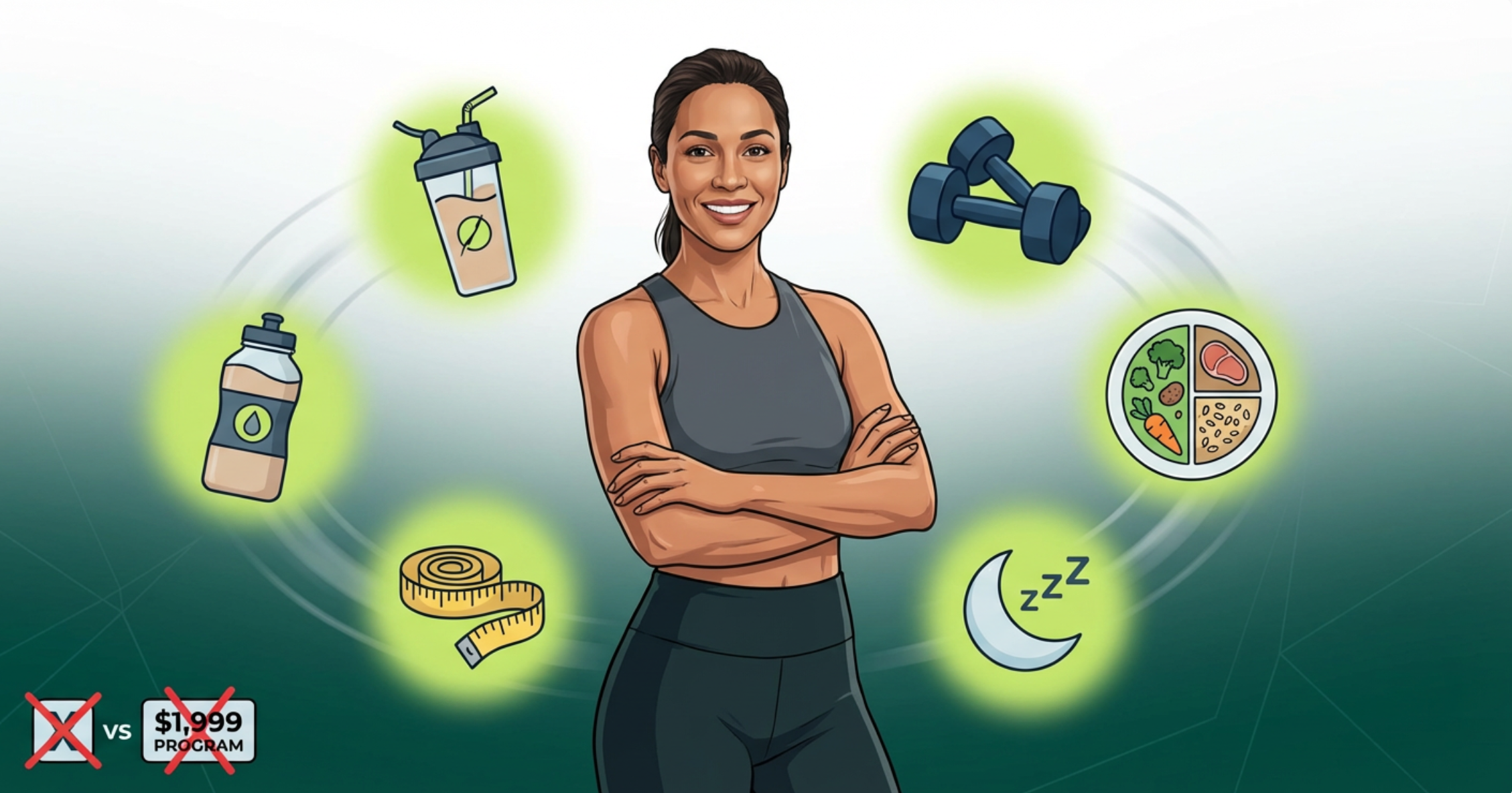
Before spending $120 to $2,000 on a women’s weight loss program, try these 5 free strategies for 30 days. Most women don’t actually need expensive programs or fancy meal plans to lose fat and feel better. In fact, the basics work incredibly well if you just commit to them first.
Here’s the truth: programs can help, but they’re not magic. Plus, they all teach the same fundamentals you can learn and apply yourself right now. So why not try the free approach first? If it works, you saved thousands. If it doesn’t, then you can consider a paid women’s weight loss program with a clearer idea of what you actually need.
This article gives you a complete 30-day protocol. No catch, no upsell. Just actionable steps that work for most women.
Quick Answer: Do You Need a Women’s Weight Loss Program?
Most women don’t. Try these 5 free strategies for 30 days first: (1) Eat 0.8-1g protein per pound goal weight, (2) Strength train 3x weekly, (3) Create a 300-400 calorie deficit, (4) Track measurements not just the scale, (5) Sleep 7-9 hours and manage stress. If this works, you don’t need a program. If you’re still stuck after 30 days, then consider one.
Do You Actually Need a Women’s Weight Loss Program?
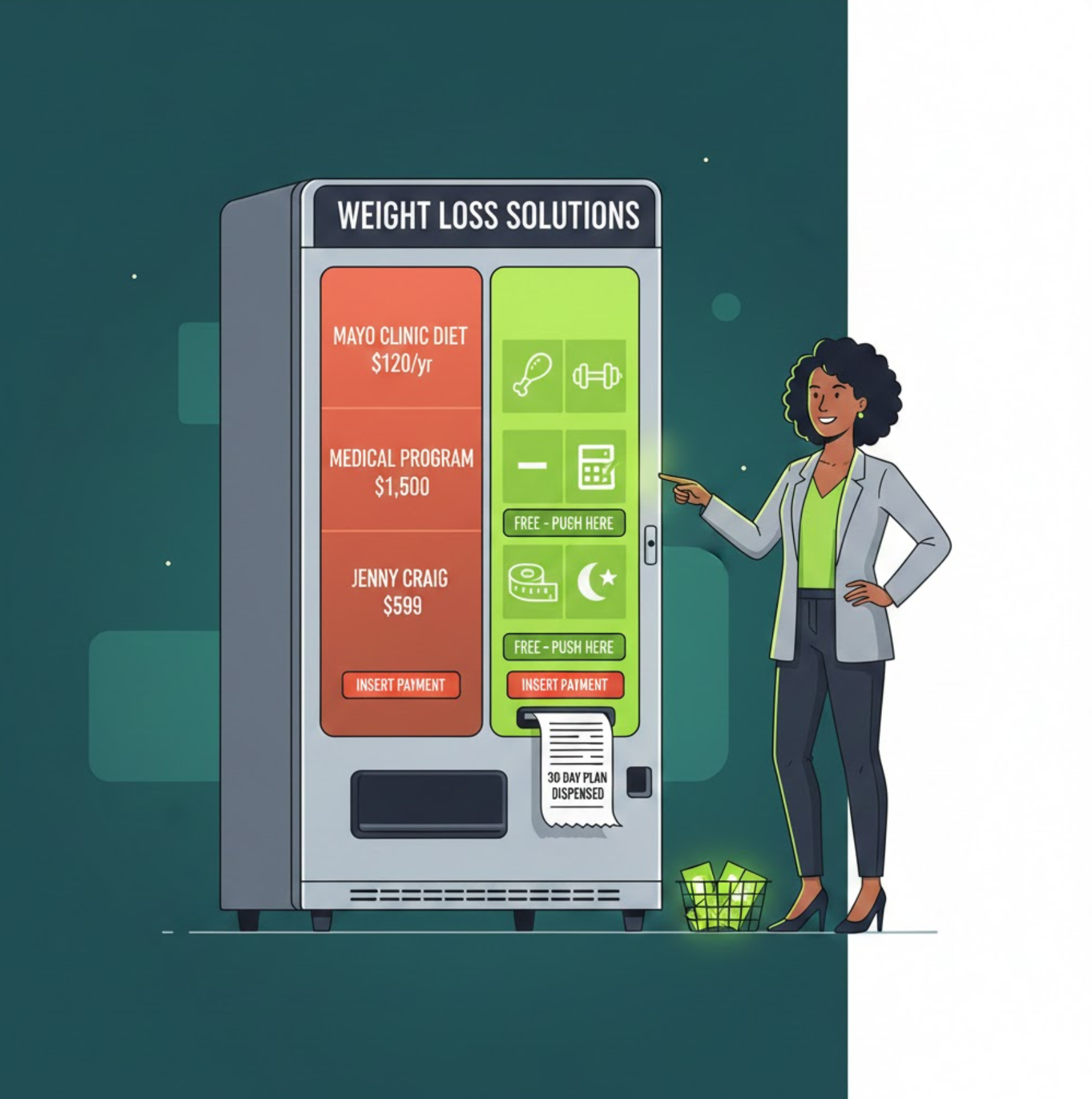
Let’s be honest. Most weight loss programs for women sell you the same core principles: eat enough protein, lift weights, create a calorie deficit, and be consistent. The Mayo Clinic Diet? It costs $120 per year and teaches meal planning. Medical programs? They charge $500 to $2,000 for weekly check-ins and protein packets.
But here’s what they rarely tell you: you can learn these principles yourself. For free. Right now. Plus, even if you eventually join a program, you’ll need to understand these basics anyway. So why not start here?
Think of it this way: if you try these 5 strategies for 30 days and lose 4 to 8 pounds of fat, you just saved yourself hundreds or thousands of dollars. And if you don’t see results? Then you have real data to bring to a professional who can help identify what’s blocking you.
Either way, you win. So let’s dive into the strategies.
The 5 Free Strategies to Try Before Any Weight Loss Program
Strategy #1: Eat Protein First (0.8-1g per Pound Goal Weight)
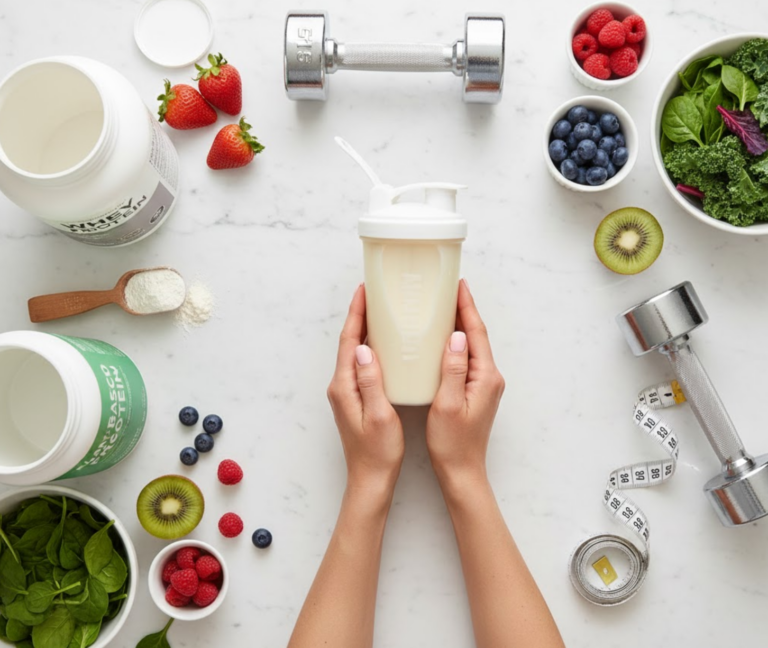
Protein is your secret weapon. Also, it’s the one thing most women don’t eat enough of. Research shows women average only 0.62g per kilogram body weight when they need much more for fat loss.
Here’s your target: 0.8 to 1 gram of protein per pound of your goal weight. For example, if your goal is 150 pounds, aim for 120 to 150 grams daily. This might sound high, but studies confirm 1.2 to 1.6g per kilogram works best for weight management in women.
Why does this work? First, protein has the highest calorie burn during digestion. In fact, protein burns 20 to 30% of its calories just being processed, compared to 5 to 10% for carbs and 0 to 3% for fats. Second, protein keeps you full for hours, cutting cravings by about 60%. Third, it preserves your muscle while you lose fat.
Start simple. Track your current protein for 3 days using a free app like MyFitnessPal. Then, add one high-protein food per meal. Greek yogurt at breakfast (20g), chicken breast at lunch (30g), salmon at dinner (25g). Hit your target for 7 days and notice how much less hungry you feel between meals.
Cost: About $50 per month (eggs, Greek yogurt, chicken, canned tuna).
Strategy #2: Strength Train 3 Times Weekly (30-45 Minutes)
Cardio burns calories during your workout. But strength training? It changes your body permanently. Each pound of muscle you build burns about 6 calories per day at rest, 24/7. Plus, resistance training prevents the metabolism drop that happens with weight loss.
Here’s your prescription: 3 workouts per week, 30 to 45 minutes each, full body. No, you won’t get bulky. Yes, this works even if you’ve never lifted weights before. In fact, a 6-year study in postmenopausal women found strength training preserved lean mass and prevented fat regain long-term.
Start with bodyweight exercises: squats, push-ups (wall or knee versions are fine), lunges, planks, rows using a resistance band. Do 3 sets of 8 to 12 reps per exercise. Rest 60 seconds between sets. As you get stronger, add dumbbells or join a gym.
Most importantly, track your strength gains. Write down how many push-ups you can do today. In 4 weeks, do the test again. Seeing progress in strength keeps you motivated even when the scale doesn’t move daily.
Cost: $0 for home workouts, or $30 per month for a basic gym membership.
Strategy #3: Create a Modest Calorie Deficit (300-400 Below Maintenance)
You need to eat less than you burn. But the amount matters hugely. Too little, and your metabolism crashes. Too much deficit, and you lose muscle along with fat. The sweet spot? 300 to 400 calories below what you need to maintain your current weight.
First, find your maintenance calories. Track everything you eat for 3 normal days (not restricting). Average those daily totals. That’s your maintenance. Now, subtract 300 to 400. That’s your target for fat loss.
For most women, maintenance ranges from 1,600 to 2,400 calories depending on age, height, and activity. So your deficit puts you around 1,200 to 2,000 calories daily. Never go below 1,200 for women, as this can tank your metabolism and hormone production.
This modest deficit lets you lose about 0.5 to 1 pound per week. Slower than crash diets promise? Sure. But this is fat loss you actually keep off. Plus, you can sustain this approach for months without feeling miserable or bingeing on weekends.
Use free apps like Cronometer or MyFitnessPal to track. Yes, tracking takes 10 minutes daily at first. But after a week, you’ll know portion sizes by sight and can track mentally.
Cost: $0 (free tracking apps work perfectly).
Strategy #4: Track Measurements, Not Just the Scale
The scale lies. Or rather, it tells one small part of the story. When you’re eating enough protein and lifting weights, you’re building muscle while losing fat. Muscle weighs more than fat by volume. So you might lose 2 inches off your waist but the scale shows zero change.
Here’s what to track every Monday morning: body weight, waist measurement at belly button, hip measurement at widest point, and front/side photos. Also, write down your strength numbers from the gym. Did your squat weight go up? That’s progress.
After 2 weeks, compare everything. You might see: scale down 1 pound, waist down 1.5 inches, hips down 1 inch, squat weight up 10 pounds. That’s incredible progress! But if you only looked at the scale showing 1 pound, you’d feel discouraged.
Real example: A client once “only” lost 3 pounds in 4 weeks. But she lost 3 inches off her waist and went down 2 pants sizes. The scale didn’t show the muscle she gained replacing fat. Without measurements, she would have quit thinking it wasn’t working.
Cost: $0 (just need a tape measure and your phone camera).
Strategy #5: Sleep 7-9 Hours and Manage Stress
Poor sleep ruins everything. When you sleep less than 7 hours, your body produces more cortisol (stress hormone) and less leptin (fullness hormone). The result? You crave sugar, overeat by about 300 calories daily, and store more belly fat even at the same calorie intake.
Your target: 7 to 9 hours of quality sleep, consistent bedtime. Pick a bedtime that gets you 8 hours before your alarm. For most women, 10pm to 6am works well. No screens for 1 hour before bed. Keep your room dark and cool (65 to 68 degrees).
For women over 40, sleep becomes even more critical. Perimenopause and menopause disrupt sleep patterns, which then makes weight loss much harder. If you’re waking up hot at night, talk to your doctor about whether this is hormone-related.
Stress management matters too. Just 10 minutes daily of walking, meditation, stretching, or deep breathing lowers cortisol. High cortisol tells your body to store fat around your midsection, so managing stress isn’t optional for fat loss.
Cost: $0 (sleep and stress management are free).
Your 30-Day Implementation Timeline
Don’t try all 5 strategies on Day 1. Instead, build habits gradually. Here’s your week-by-week plan:
Week 1-2: Protein + Tracking Foundation
Days 1-3: Track current food intake without changing anything. Calculate your protein needs and maintenance calories.
Days 4-7: Hit your protein target daily. Notice how hunger decreases.
Days 8-14: Continue protein focus. Take baseline measurements and photos.
Week 3-4: Add Strength Training
Day 15: First strength workout (bodyweight exercises, 30 minutes).
Days 16-21: Hit 3 workouts this week. Keep protein high.
Days 22-28: Notice strength improvements. Energy should increase. Track workout numbers.
Day 29-30: Add Calorie Deficit + Evaluate
Day 29: Start eating at 300-400 calorie deficit.
and Day 30: Remeasure everything. Compare to baseline. Assess: feeling better? Clothes looser? Stronger?
If you see progress, keep going! You don’t need a women’s weight loss program. If you’re stuck, now you have 30 days of data to analyze or bring to a professional.
When You Might Actually Need a Weight Loss Program
Programs aren’t bad. They’re just not necessary for most women. But some situations genuinely benefit from professional help. Here’s the honest breakdown:
You might benefit from a women’s weight loss program if:
- You did this 30-day protocol perfectly and saw zero results
- You have medical complications like diabetes or need to lose 100+ pounds
- You can’t stay consistent alone despite multiple attempts
- Your insurance covers medical weight loss (why not use it?)
- You want structured meal plans because planning stresses you out
Skip the program if:
- You haven’t tried these basics for a full 30 days yet
- You’re already losing fat with the DIY approach
- You can’t afford $120 to $2,000 right now
- You’re looking for an “easy solution” (spoiler: doesn’t exist)
Let’s talk cost. The 30-day basics approach costs about $50 to $80 (protein foods plus optional gym). The Mayo Clinic Diet costs $120 per year. Medical weight loss programs range from $500 to $2,000+. If the basics work, you just saved a fortune. If they don’t, then you’ll know exactly what help you need.
Either way, you learned the fundamentals you’ll use forever. No weight loss program can do the work for you, so you might as well learn it yourself first.
Frequently Asked Questions
Q: What if I don’t see results after 30 days?
First, check your tracking accuracy. Most women underestimate food intake by 20 to 30%. If you truly did everything perfectly, then consider a program or see a doctor to rule out thyroid issues, PCOS, or other metabolic conditions.
Q: Do I have to do ALL 5 strategies?
For best results, yes. But if you only do 3 (protein, strength training, calorie deficit), you’ll still see progress. Sleep and tracking amplify results but aren’t absolutely required to start losing fat.
Q: Can I still join a program after trying this?
Absolutely! In fact, research shows people who understand these basics do better in structured programs because they know what to focus on. You’ll be an informed participant, not just following blindly.
The Bottom Line: Try Basics First
Most women don’t need to spend hundreds or thousands on a women’s weight loss program. The fundamentals work if you commit to them. Try these 5 strategies for 30 days: protein first, strength training, modest calorie deficit, tracking measurements, and quality sleep.
If it works, you saved yourself a fortune and learned skills for life. If it doesn’t, then you’ll know exactly what professional help you need. Either way, you win.
Start tomorrow morning. Track your baseline. Get to work. You’ve got this.
Related Articles You’ll Love:
- Complete Weight Loss Guide for Women Over 40
- Best Protein Powder for Women’s Weight Loss
- Strength Training Programs for Women
- How Much Protein Do Women Actually Need?
- Calculate Your Macros for Fat Loss
- Best Protein Shakes for Women
- Jumpstart Your Weight Loss Journey
- Weight Loss for Women 50+
- Weight Loss for Women 60+
- The Unspoken Truth About Women’s Weight Loss