
Summer Vegetable Bowls: Your Easy Bowl-Building Blueprint
Key Takeaways
- Summer is peak season for affordable, flavorful vegetables — the perfect time to build easy, plant-based meals.
- Every great bowl needs a formula: base + plant protein + seasonal veggies + dressing. Master it and you can create endless combinations.
- Many summer vegetable bowls require little to no cooking — ideal for hot days when you want to keep the kitchen cool.
- Plant-based protein sources like beans, chickpeas, quinoa, and lentils make these bowls satisfying and nutrient-dense.
- Meal prep is simple: cook grains and roast veggies ahead, then assemble bowls in minutes all week long.
Picture this: It’s July, your kitchen feels like a sauna, and the last thing you want to do is stand over a hot stove. But your farmers market haul is overflowing with tomatoes, peppers, zucchini, and corn. What do you do? You build a summer vegetable bowl. These one-dish meals are the perfect solution for hot-weather cooking. They let peak-season produce shine, require minimal heat, and come together in minutes. Here’s the thing — once you learn the simple formula behind them, you can create endless combinations without ever needing a recipe.
Quick Answer: What Makes a Great Summer Vegetable Bowl?
A great summer vegetable bowl combines four elements: a hearty base (grains or greens), a plant-based protein (beans, chickpeas, lentils, or tofu), peak-season vegetables (raw, roasted, or grilled), and a flavorful dressing or sauce. The beauty is in the flexibility — swap ingredients based on what’s fresh at your market. Most bowls take 10 to 30 minutes to prepare and can be served warm, at room temperature, or chilled.
The Summer Vegetable Bowl Formula: Your Blueprint for Endless Meals
Let’s be honest — you don’t need 14 separate recipes to enjoy summer vegetable bowls all season long. What you really need is a simple framework. Think of it as a choose-your-own-adventure for healthy eating. Every bowl follows the same four-part structure. Once you know it, you’re free to improvise with whatever looks best at the market.
Your Bowl-Building Blueprint
Step 1: Choose your base. Cooked grains like quinoa, farro, brown rice, or barley work well. For a lighter option, use leafy greens like arugula, spinach, or shredded cabbage.
Step 2: Add plant-based protein. Canned or cooked beans (black, white, chickpeas), lentils, edamame, or tofu. Aim for about 1/2 to 3/4 cup per serving.
Step 3: Load up on seasonal vegetables. This is where summer shines. Think raw cherry tomatoes, sliced bell peppers, cucumbers, corn kernels, or roasted eggplant, zucchini, and sweet potatoes.
Step 4: Finish with a dressing or sauce. A simple vinaigrette, tahini sauce, yogurt-based dressing, or even salsa can tie everything together.
Why Summer Is the Best Time for Plant-Based Eating
Here’s what’s actually happening: summer produce is at its peak, which means it’s more flavorful, more nutritious, and often cheaper than any other time of year. According to the Dietary Guidelines for Americans, a healthy eating pattern includes a variety of vegetables from all subgroups — and summer makes that goal almost effortless.
When you build meals around seasonal vegetables, you naturally eat more fiber, vitamins, and antioxidants. A 2021 study in Nutrients found that people who followed plant-based eating patterns had higher intakes of fiber, vitamin C, and magnesium compared to those who didn’t. And here’s the best part — you don’t need to overhaul your entire diet. Just swapping in a few summer vegetable bowls each week can make a real difference. The same approach works for our 12 Summer Salad Recipes Packed with Protein & Fiber, which follow a similar formula using peak summer produce.
No-Cook Summer Vegetable Bowls for Hot Days
On those sweltering days when turning on the oven feels like a crime, no-cook bowls are your best friend. The key is using ingredients that need zero heat — think canned beans, pre-cooked grains from the fridge, and raw vegetables that are at their peak right now.
One of my favorites is a simple white bean and avocado bowl. It comes together in about 10 minutes. You mash half an avocado, stir in a can of drained white beans, add a squeeze of lemon, salt, and pepper, then pile it over greens with cherry tomatoes and cucumber. It’s creamy, satisfying, and requires exactly zero cooking.
Another great option is a taco-inspired bowl. Layer shredded cabbage or lettuce with black beans, diced bell peppers, corn, avocado, and a quick lime vinaigrette. Top with pickled onions or a sprinkle of cheese if you like. It’s crunchy, fresh, and takes less than 15 minutes. For another refreshing no-cook option, try our Healthy Watermelon Recipes for a Refreshing Summer.
Roasted Summer Vegetable Bowls for Meal Prep
Now, you might be thinking — roasting requires the oven, and that’s hot. But here’s the trick: roast once, eat all week. Set your oven to 400°F on a cooler morning or evening, toss chopped eggplant, zucchini, bell peppers, and sweet potatoes with olive oil and salt, and roast for 25 to 30 minutes. Store them in the fridge, and you have ready-to-go vegetables for bowls all week.
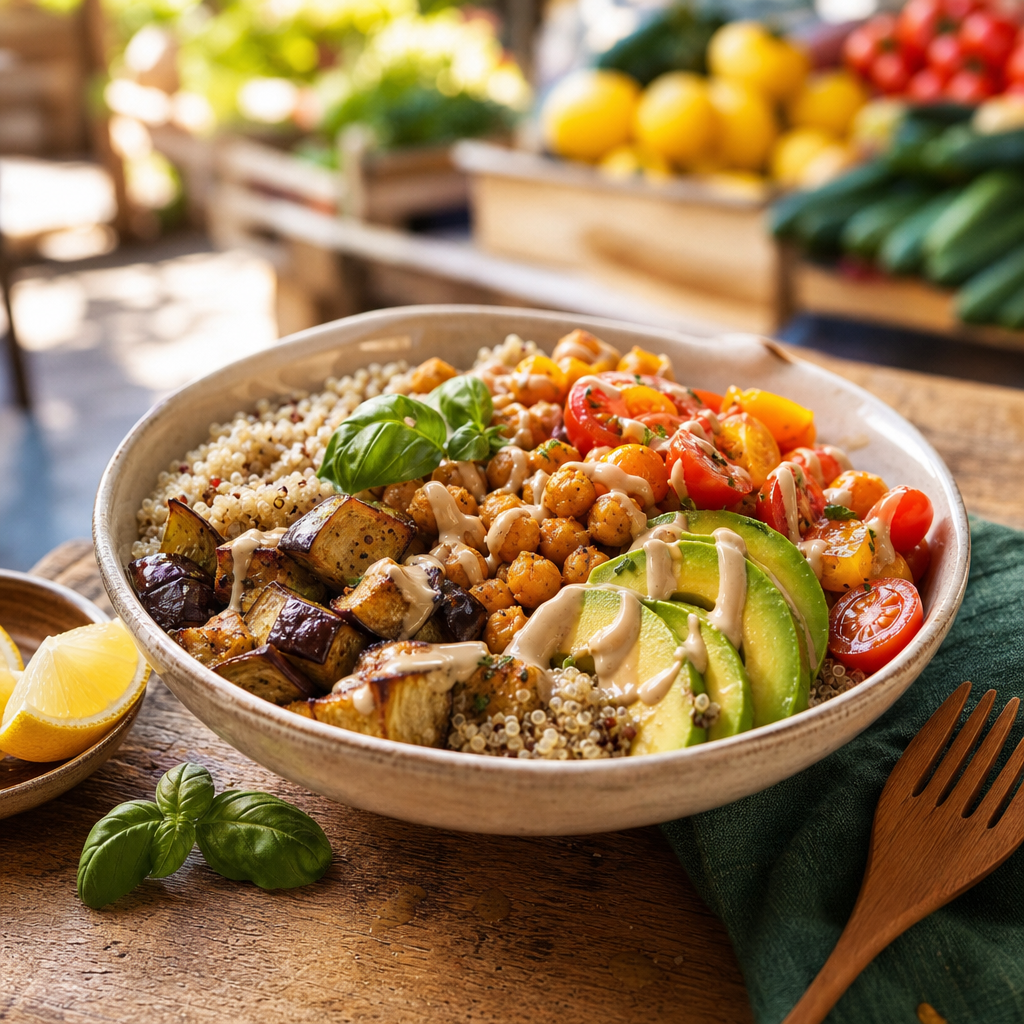
A roasted vegetable and chickpea bowl is a classic for good reason. Layer roasted eggplant or sweet potatoes over a bed of arugula or quinoa, add chickpeas (roasted or straight from the can), and drizzle with tahini sauce or a simple lemon vinaigrette. The combination of smoky, creamy, and fresh flavors is hard to beat.
For a heartier option, try a roasted potato tzatziki bowl. Crispy roasted potatoes form the base, topped with cucumbers, cherry tomatoes, red onion, chickpeas, and a tangy yogurt-based tzatziki. It’s a complete meal that feels indulgent but is packed with fiber and plant-based protein.
Global Flavors for Your Summer Vegetable Bowls
One of the best things about summer vegetable bowls is how easily they adapt to different cuisines. You can travel the world from your kitchen without turning on the stove.
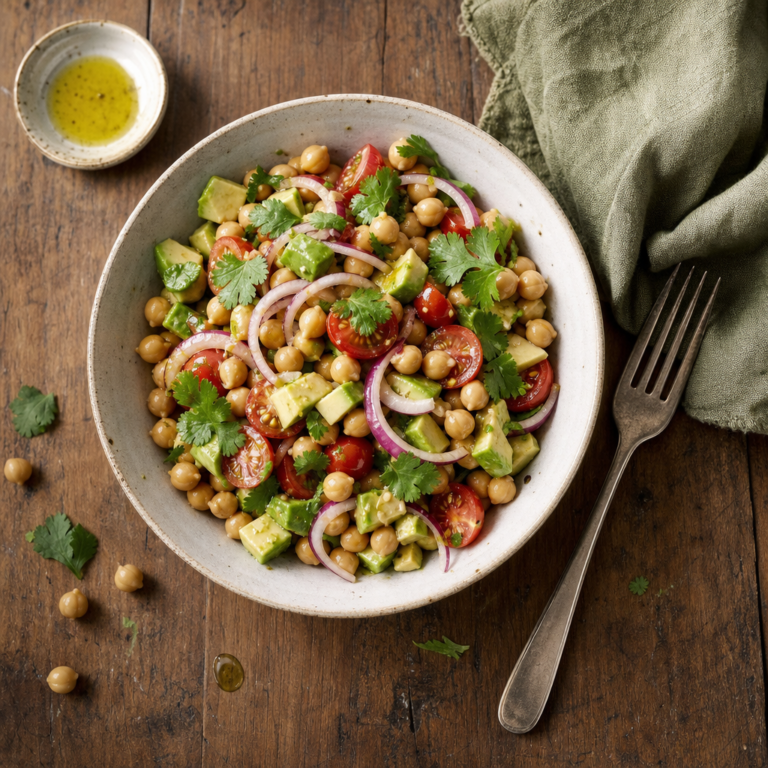
For a Mediterranean-inspired bowl, use a base of farro or quinoa, top with chickpeas, cherry tomatoes, cucumber, red onion, and feta cheese, and drizzle with a lemon-oregano vinaigrette. Add a dollop of hummus for extra creaminess.
For an Asian-inspired bowl, try brown rice topped with edamame, shredded carrots, cucumber, and roasted broccoli. A simple dressing of soy sauce, rice vinegar, sesame oil, and ginger ties it all together. Top with sesame seeds and sliced green onions.
For a Mexican-inspired bowl, use cilantro-lime rice or lettuce as the base, add black beans, corn, diced bell peppers, avocado, and salsa. A dollop of Greek yogurt or a lime crema adds a cool, creamy finish.
How to Build a Balanced Summer Vegetable Bowl Every Time
Let’s talk about balance. A truly satisfying bowl needs more than just vegetables. You want a mix of macronutrients — carbohydrates for energy, protein for fullness, and healthy fats for flavor and nutrient absorption.
Here’s a simple checklist for a balanced bowl:
- Base (carbs): 1/2 to 1 cup cooked quinoa, farro, brown rice, or sweet potato
- Protein: 1/2 to 3/4 cup beans, chickpeas, lentils, edamame, or tofu
- Vegetables: 1 to 2 cups mixed seasonal veggies (raw, roasted, or grilled) — many of which are on our list of 5 High-Fiber Foods to Stock Up On This Summer
- Healthy fats: 1/4 avocado, 1 to 2 tablespoons nuts or seeds, or a drizzle of olive oil
- Dressing: 2 to 3 tablespoons of your choice — vinaigrette, tahini, yogurt-based, or salsa
The beauty of this approach is that it works for any combination. As long as you hit these categories, your bowl will be satisfying and nutritious.
Frequently Asked Questions About Summer Vegetable Bowls
Can I make summer vegetable bowls ahead of time?
Absolutely. Cook grains and roast vegetables up to 4 days ahead. Store components separately in the fridge. Assemble bowls just before eating to keep everything fresh. Dressings can be made up to a week ahead.
What are the best summer vegetables for bowls?
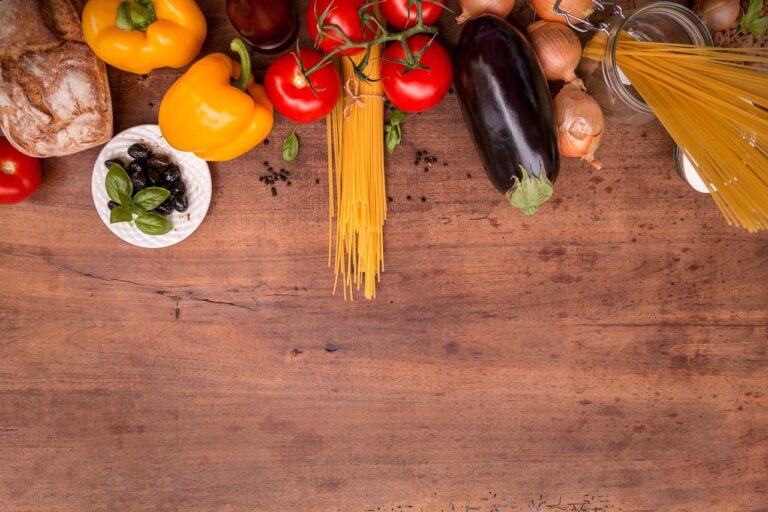
Tomatoes, bell peppers, cucumbers, zucchini, eggplant, corn, green beans, and fresh herbs like basil and cilantro are all excellent choices. Use them raw, roasted, or grilled depending on your preference.
How do I add more protein to a summer vegetable bowl?
Canned beans and chickpeas are the easiest option — just rinse and add. Cooked lentils, edamame, tofu, or a hard-boiled egg also work well. Quinoa is a grain that’s also a complete protein, making it an excellent base choice. For more ideas, check out A Week of Easy High-Protein Dinners for Summer.
Are summer vegetable bowls good for weight management?
Yes. These bowls are naturally high in fiber and water content from vegetables, which helps you feel full with fewer calories. The plant-based protein and healthy fats also support satiety. Focus on whole food ingredients and watch portion sizes of higher-calorie additions like nuts, seeds, and dressings.
The Bottom Line
Summer vegetable bowls are one of the easiest, most delicious ways to eat well when it’s hot outside. The formula is simple: pick a base, add plant-based protein, load up on seasonal vegetables, and finish with a flavorful dressing. Once you have that blueprint, you can create endless combinations using whatever looks best at the market.
The best part? You don’t need to follow strict recipes. Summer is about abundance and flexibility. Let the produce guide you, and you’ll naturally eat more vegetables, more fiber, and more color — all while spending minimal time in a hot kitchen.
So next time you’re staring at a pile of farmers market finds, remember the bowl formula. Build it your way. And enjoy every bite of summer on a plate.