
Shrimp Pineapple Skewers: A Healthy Summer Dinner
Key Takeaways
- Shrimp provides lean protein plus astaxanthin — a powerful antioxidant that supports heart health
- Pineapple adds vitamin C, manganese, and bromelain (a natural digestive enzyme)
- This meal cooks in under 10 minutes — faster than most proteins on the grill
- Shrimp is on the FDA’s “Best Choices” list for low-mercury seafood
- The honey-lime glaze option gives you a refined-sugar-free alternative
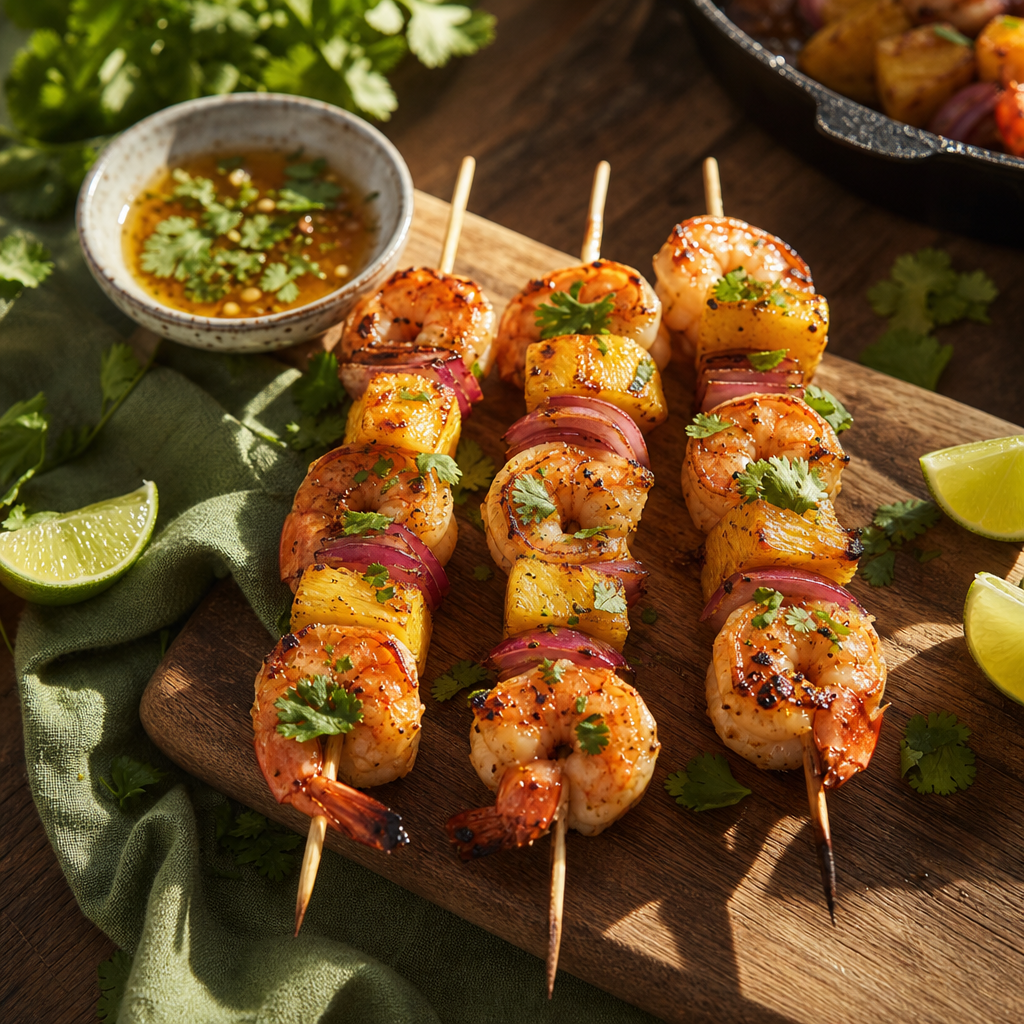
You want a summer dinner that feels special but comes together in the time it takes to preheat the grill. That’s exactly what these shrimp pineapple skewers deliver — juicy shrimp and sweet charred pineapple with a savory-sweet glaze. The best part? This isn’t just fast food. It’s a legitimately healthy meal that supports your nutrition goals without feeling like a compromise.
Here’s the thing — most grilled shrimp recipes online tell you how to cook but skip the why. Why shrimp is one of the smartest proteins you can put on the grill. Why pairing it with pineapple is a nutritional win. And how to source shrimp that’s good for you and the planet.
Let’s get into it. These shrimp pineapple skewers will become your go-to warm-weather dinner — whether you’re feeding the family or hosting friends.
Quick Answer: Are Shrimp Pineapple Skewers a Healthy Dinner Choice?
Yes. A serving of shrimp pineapple skewers provides about 150-250 calories, 17-34 grams of protein, and a range of bioactive nutrients you won’t find in most grilled dinners. Shrimp delivers lean protein plus astaxanthin (a powerful antioxidant), while pineapple contributes vitamin C, manganese, and the digestive enzyme bromelain. For a complete meal, pair with coconut rice and grilled vegetables.
Why Shrimp Pineapple Skewers Work for Your Health
Let’s be honest — a lot of “healthy” grilling recipes ask you to eat dry chicken breast while everyone else gets the good stuff. This is not that. These shrimp pineapple skewers actually taste better than the less-healthy alternatives, and the science backs up why they’re good for you.
Shrimp is more than just a lean protein. A 2024 review in Marine Drugs found that shrimp’s bioactive compounds including astaxanthin provide anti-inflammatory benefits that support cardiovascular health. That pinkish-red color? That’s astaxanthin — a carotenoid antioxidant that protects your cells from damage. These anti-inflammatory properties align with the principles of an anti-inflammatory diet, which research continues to link to better long-term health.
On the flip side, pineapple brings its own set of benefits. According to a 2026 review in Frontiers in Nutrition, pineapple’s bromelain enzyme offers anti-inflammatory and digestive benefits. Bromelain is a proteolytic enzyme — it breaks down protein, which means it helps your body digest the shrimp you’re eating alongside it. Pretty smart pairing, right?
Recent research also links seafood to long-term health. A large 2026 NHANES study published in The American Journal of Gastroenterology found that seafood consumption is associated with protective health benefits including liver health. Choosing shrimp over red meat at your next barbecue is a smart move.
What About Shrimp and Cholesterol?
You’ve probably heard that shrimp is high in dietary cholesterol. That’s true — one serving has about 143 mg. But here’s what changed: the 2015-2020 Dietary Guidelines removed the previous 300 mg per day limit on dietary cholesterol. Current evidence shows that for most people, dietary cholesterol has minimal impact on blood cholesterol levels. Shrimp’s anti-inflammatory bioactive compounds and shrimp is classified as a Best Choice low-mercury seafood by the FDA. If you have specific cholesterol concerns, talk with your healthcare provider — but for most of us, shrimp is absolutely a heart-healthy choice.
Ingredients You’ll Need
You don’t need a long shopping list. Here’s what this recipe calls for, along with why each ingredient earns its spot.
- 1 lb large raw shrimp (21-25 count, peeled and deveined, tails on for grilling)
- 2 cups fresh pineapple chunks (about 1-inch pieces — skip canned, it’s too soft)
- 1 red onion, cut into 1-inch pieces
- 3 tbsp low-sodium soy sauce (or tamari for gluten-free)
- 2 tbsp honey (or use the honey-lime alternative below)
- 1 tbsp toasted sesame oil
- 2 cloves garlic, minced
- 1 tsp fresh ginger, grated
- ½ tsp red pepper flakes (optional, for heat)
- Wooden skewers, soaked in water for 30 minutes
How to Make Perfect Shrimp Pineapple Skewers
This is where timing matters most. Shrimp cooks fast — like really fast. That’s both the appeal and the challenge. Here’s the step-by-step that works every time.
Step 1: Make the glaze. Whisk together soy sauce, honey, sesame oil, garlic, ginger, and red pepper flakes in a small bowl. Set aside about 2 tablespoons for brushing during grilling. Use the rest for a quick marinade.
Step 2: Marinate — but not too long. Toss the shrimp in the marinade for 15 minutes max. Here’s why: acidic ingredients like soy sauce and citrus start to “cook” the shrimp if left too long. A 2025 testing-focused recipe found that 30 minutes gave a bouncy texture and 1 hour turned shrimp ceviche-like. Stick to 15 minutes.
Step 3: Thread the skewers. Alternate shrimp, pineapple, and red onion on each skewer. Thread each shrimp twice — once near the tail and once near the top — forming a slight curve. This prevents them from spinning when you flip them.
Step 4: Grill. Preheat your grill to medium-high (about 400°F). Oil the grates well. Place skewers on the grill and cook for 2-3 minutes per side. Brush with reserved glaze during the last minute of cooking. Shrimp is done when it turns opaque and curls into a loose C-shape.
No grill? No problem. Cook in a cast-iron grill pan over medium-high heat, or bake at 400°F for 8-10 minutes. An air fryer at 400°F works too — just 5-6 minutes, flipping halfway.
The C-Shape Rule
Perfectly cooked shrimp forms a loose C-curve. If it curls into a tight O, it’s overcooked — still edible but tougher and less juicy. Watch for that transition from translucent to opaque white-pink. Once it’s opaque, pull it off the heat immediately. This usually happens at 2-3 minutes per side on a hot grill.
The Honey-Lime Alternative (No Refined Sugar)
Many recipes call for brown sugar or sweet chili sauce in the glaze, but this version keeps things simpler and cleaner.
Whisk together: 3 tbsp honey (or maple syrup), 2 tbsp fresh lime juice, 1 tbsp low-sodium soy sauce, 1 tsp sesame oil, and 1 minced garlic clove. That’s it. The honey provides natural sweetness while the lime cuts through with brightness. It pairs beautifully with the charred pineapple.
This swap removes refined sugar without sacrificing any of the sweet-savory balance. For an even lower-sugar option, use a sugar-free sweetener like monk fruit — but honestly, the honey version keeps it natural and delicious.
Sourcing Sustainable Shrimp
Here’s something most recipe sites skip — where should you buy your shrimp? The choices you make at the seafood counter matter for both health and the environment.
Wild-caught vs. farmed: Both options can be healthy and environmentally responsible when sourced with care. The key is knowing what to look for on the label. Look for these certifications on the package:
- MSC (Marine Stewardship Council) — the gold standard for wild-caught sustainable seafood
- ASC (Aquaculture Stewardship Council) — indicates responsible farming practices
- BAP (Best Aquaculture Practices) — four-star rating system for farmed seafood
If you can’t find certified shrimp, ask your fishmonger where it comes from. US wild-caught shrimp (from the Gulf of Mexico or Atlantic) is generally a reliable choice. And remember — shrimp is classified as a Best Choice low-mercury seafood by the FDA, so you can enjoy it 2-3 times per week without concern.
What to Serve on the Side
A complete meal needs more than just skewers. Here are three sides that round out the plate nutritionally and keep things interesting.
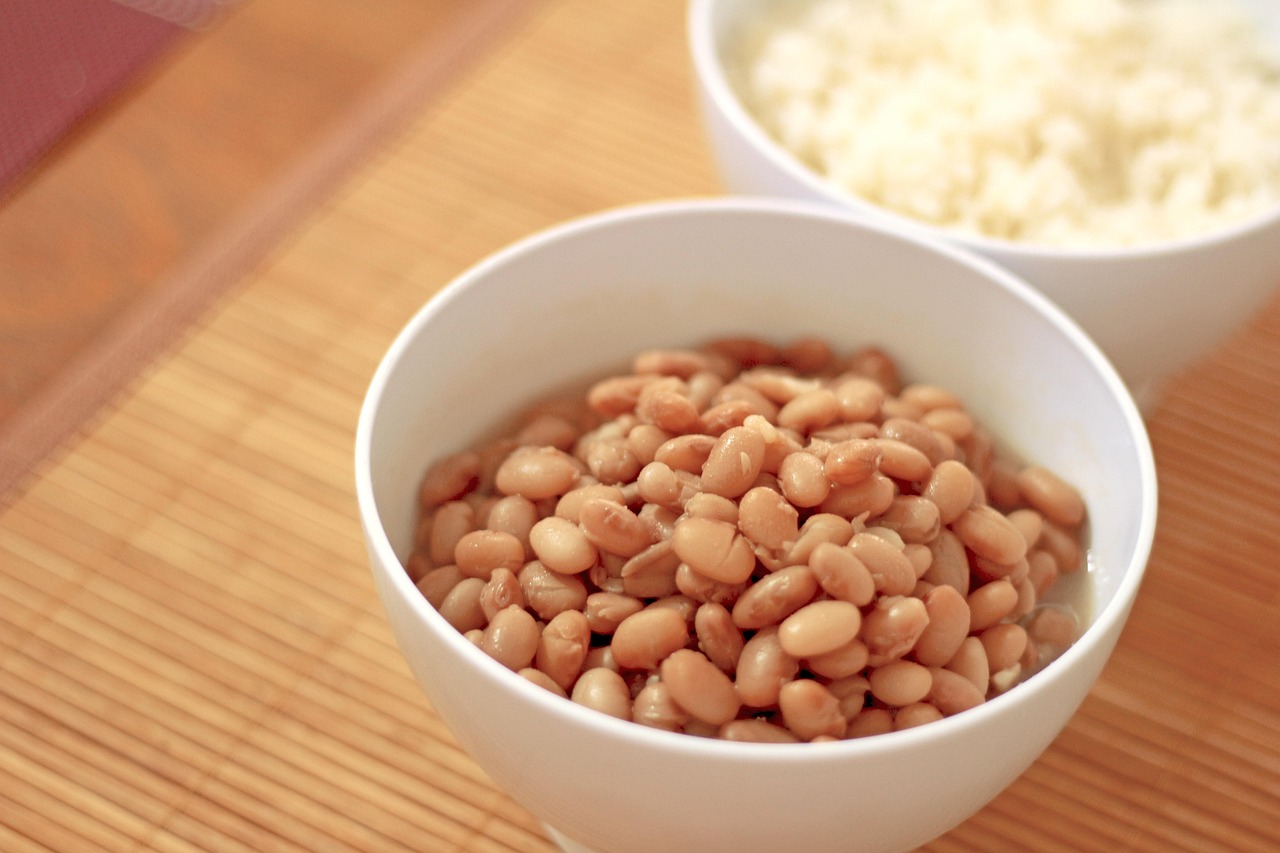
Coconut rice — The natural sweetness complements the pineapple and balances the soy glaze. Cook jasmine rice with coconut milk instead of half the water, and add a pinch of salt. The healthy fats from coconut may help your body absorb fat-soluble nutrients like astaxanthin from shrimp.
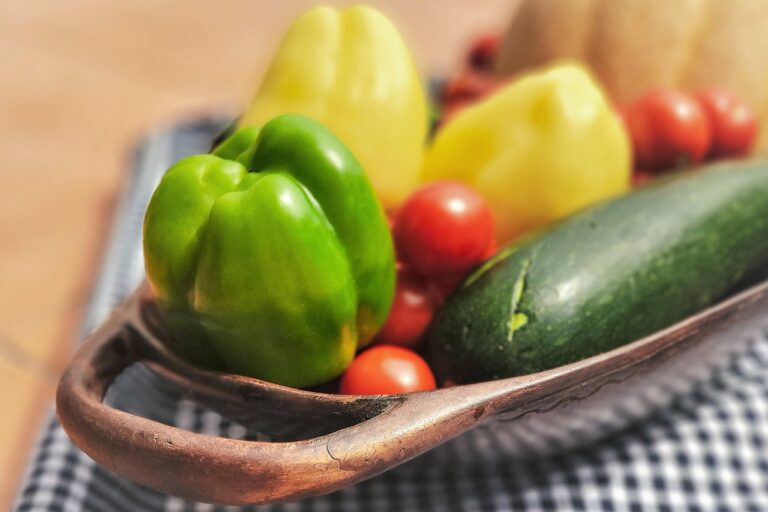
Grilled vegetable skewers — Zucchini, bell peppers, and cherry tomatoes brushed with olive oil and grilled alongside the shrimp. They pick up the same smoky char and make for a beautiful platter.
Simple avocado-cucumber salad — Dice avocado and cucumber, toss with lime juice, salt, and a sprinkle of cilantro. The cool, creamy texture contrasts with the warm, charred skewers.
Meal Prep and Make-Ahead Tips
One of the best things about these shrimp pineapple skewers is how well they fit into a meal prep routine. Here’s how to set yourself up for success.
Up to 2 days ahead: Peel and devein the shrimp if needed. Cut the pineapple and onion into chunks. Store separately in airtight containers in the fridge. Soak wooden skewers and let them dry — they’re ready to go when you are.
The night before: Thread all the skewers and arrange them in a single layer in a covered container. Make the glaze and store it in a jar. In the morning, if you want extra flavor, pour half the glaze over the skewers and let them marinate in the fridge — but remember, no more than 4-6 hours total.
Day of: 30 minutes before cooking, take the skewers out so they come closer to room temperature. Preheat the grill while you set out the reserved glaze and sides. Cook time is under 8 minutes. Dinner is done.
Storage and Reheating
Cooked skewers keep in the fridge for up to 3 days. For best results, reheat in an air fryer at 330°F for 3-4 minutes — this brings back the exterior texture without overcooking the shrimp. A skillet over medium heat works too. Skip the microwave unless you’re in a real hurry; it tends to make shrimp rubbery.
The Bottom Line
These shrimp pineapple skewers solve a real problem — the “what’s for dinner” dilemma that hits when you want something fast, healthy, and satisfying. They deliver high-quality protein, unique antioxidants you won’t get from chicken or beef, and a sweet-savory flavor that makes eating well feel effortless. Choose sustainable shrimp, use the honey-lime glaze if you’re avoiding refined sugar, and pile your plate with colorful sides. That’s the kind of summer eating that actually supports your health — no compromises required.
Related Articles You Might Enjoy
- Mediterranean Diet and Cognitive Decline: What Women Need to Know — Learn how anti-inflammatory eating patterns, including seafood, support long-term health
- Healthy Oat Apple Bread — Moist, Naturally Sweet, and So Easy to Make — Another wholesome recipe for your healthy eating rotation