
Proposed Food Warning Labels: What Shoppers Need to Know
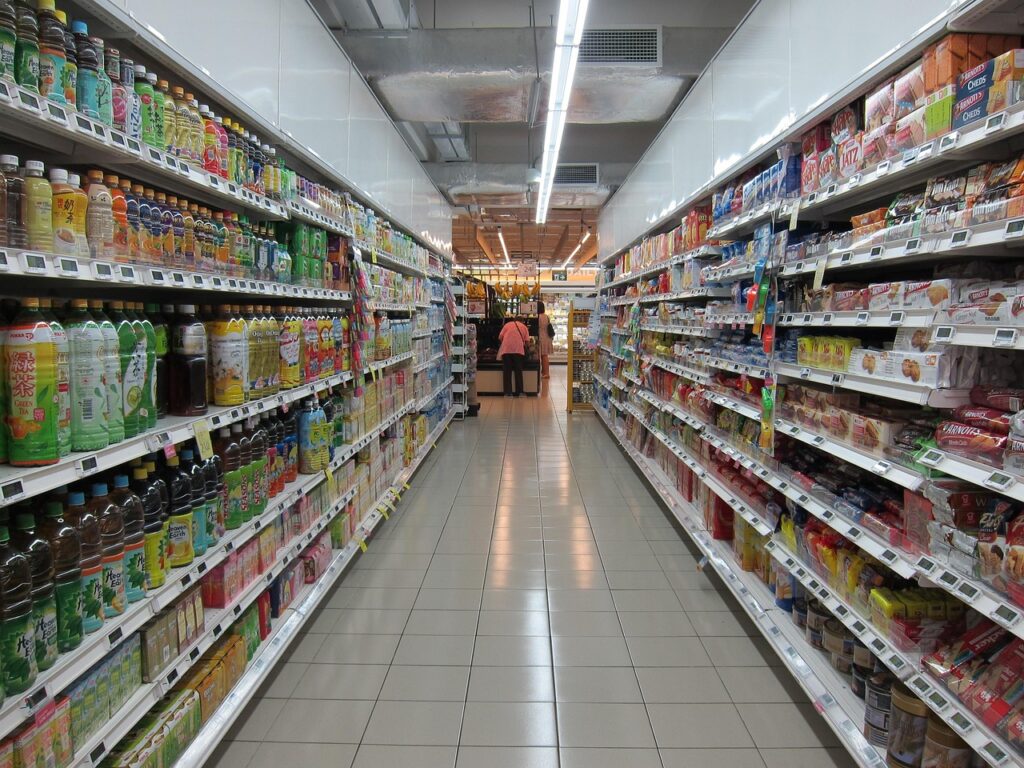
Imagine walking through the grocery store and seeing a black octagon warning label on the front of a box of sugary cereal, or a rectangular warning on a soda can that reads “FDA Warning: Drinking beverages with added sugar can contribute to obesity, type 2 diabetes, and tooth decay.” That scenario could become a reality in the US sooner than you think. A bipartisan bill just cleared its first major hurdle in the Senate, and it could fundamentally change what you see on food packages and what your kids see in advertisements. Here’s what the proposed food warning labels would look like, which products would be affected, and what this means for your next trip to the grocery store.
Key Takeaways
- A bipartisan Senate bill (S. 5026) would require the FDA to put warning labels on ultra-processed foods, sugary drinks, and foods high in sugar, salt, or saturated fat.
- The labels would look like black octagon “High in” warnings (similar to Chile’s) and rectangular warning statements with exclamation point icons.
- The bill also bans junk food ads targeted at children under 13 and restores the FTC’s power to regulate kids’ food marketing.
- Evidence from Chile shows similar labels led to a 36.8% reduction in sugar purchases from labeled products — and the effects got stronger over time.
- The bill passed the Senate HELP Committee on a 12-10 bipartisan vote on July 22, 2026, and now heads to the full Senate.
The Bill at a Glance: What S. 5026 Actually Does
The Childhood Diabetes Reduction Act of 2026 (S. 5026), introduced by Sen. Bernie Sanders (I-Vt.), is a comprehensive bill that tackles ultra-processed foods from multiple angles. It’s not just about labels — it’s a package deal.
Here’s what the bill does in plain English:
- Requires warning labels on four categories of products: sugar-sweetened beverages, products with high-intensity sweeteners, ultra-processed foods, and foods “high in” nutrients of concern (added sugar, saturated fat, and sodium).
- Bans junk food ads directed at children under 13 — including cartoons, celebrities, social media influencers, and free toy promotions.
- Funds NIH research ($60 million per year) on how ultra-processed foods affect health, including their addictive qualities.
- Creates a CDC public education campaign ($10 million per year) to help people understand the new labels.
- Restores the FTC’s authority to regulate children’s advertising — reversing a 1980 restriction that has limited the agency’s power for decades.
The bill cleared the Senate HELP Committee on a 12-10 bipartisan vote on July 22, 2026, according to the committee’s official announcement. That’s a big deal — it means some Republicans joined Democrats to move it forward.
What the Proposed Food Warning Labels Would Look Like
This is where things get specific — and where most news coverage has left consumers guessing. According to the full text of the bill on GovInfo, the proposed food warning labels come in two main designs:
1. The Black Octagon “High In” Label
This is the design inspired by Chile’s pioneering warning label system. It’s a black octagon (think stop sign shape) with white text that says “High in” followed by the specific nutrient — for example, “High in Sugar” or “High in Saturated Fat.” These would appear on foods that exceed FDA-set thresholds for added sugar, saturated fat, or sodium.
2. The Rectangular Warning Statement
For sugar-sweetened beverages and ultra-processed foods, the bill requires a rectangular border with an exclamation point icon. The beverage warning would read: “FDA Warning: Drinking beverages with added sugar can contribute to obesity, type 2 diabetes, and tooth decay. Not recommended for children.” A similar statement would appear on ultra-processed foods.
Both types of labels must occupy at least 5% of the front of the package — that’s roughly the size of a credit card on a standard cereal box. The bill gives the FDA one year after enactment to finalize the exact design rules.
Which Products Would Get Which Labels?
Here’s a quick breakdown of what you might see in your grocery cart:
- Sugary sodas, sports drinks, sweetened teas → Rectangular warning about added sugar and health risks
- Packaged cookies, cakes, chips, frozen meals → Black octagon “High in” label for sugar, saturated fat, or sodium
- Ultra-processed foods (think chicken nuggets, flavored yogurts, packaged breads with additives) → Rectangular UPF warning
- Diet sodas and products with artificial sweeteners → Warning about high-intensity sweeteners
- Plain vegetables, fresh meat, unprocessed foods → No warning labels
What the Evidence Shows: How Warning Labels Worked in Other Countries
You might be wondering: do these labels actually change what people buy? The answer, based on strong international evidence, is yes — and the effects are substantial.
Chile implemented black octagon warning labels in 2016, and researchers have been tracking the results ever since. A 2024 study in PLOS Medicine followed 2,844 Chilean households over three years and found that after the full policy was in place, purchases of “high-in” products dropped by:
- 36.8% less sugar from labeled foods and beverages
- 23% fewer calories from high-in products
- 21.9% less sodium from labeled items
- 15.7% less saturated fat
Here’s what’s really interesting: the effects got stronger over time. The reductions in Phase 2 (after the policy was fully implemented) were larger than in Phase 1. That suggests people didn’t just notice the labels once and forget — they kept using them.
The evidence also shows that warning labels work equitably across different income levels. The same 2024 study found similar reductions in purchases among all socioeconomic groups — meaning the policy doesn’t just help wealthier shoppers who can afford healthier options.
A 2020 JAMA viewpoint reviewing the global evidence concluded that the US should implement similar nutrient warnings, noting that modeling studies project a 3.1 percentage point reduction in obesity prevalence from sugary drink warnings alone. The JAMA authors also highlighted an important secondary benefit: warning labels incentivize food companies to reformulate products to avoid having labels in the first place. After Chile’s law, there was a 7 percentage point reduction in products exceeding nutrient thresholds.
The Political Context: How MAHA Changed the Conversation
You might be surprised to see a Bernie Sanders bill getting bipartisan support. Here’s the thing: concerns about ultra-processed foods have been scrambling the usual political alliances in Washington.
The Make America Healthy Again (MAHA) movement, associated with Robert F. Kennedy Jr., has brought attention to ultra-processed foods from a different political direction. While Sanders and MAHA supporters don’t agree on much else, they share a common concern about what’s in our food. This unusual alignment helped push the bill through committee with votes from Republicans like Sen. Bill Cassidy (R-La.) and Sen. Roger Marshall (R-Kan.).
But it’s not all smooth sailing. The National Association of Manufacturers has opposed the bill, arguing it could increase costs and confuse consumers. Sen. Susan Collins (R-Maine) raised similar concerns during the committee vote. And Sen. Rand Paul (R-Ky.) offered an amendment — which was approved — to remove soda and candy from SNAP eligibility, a separate but related policy change that 23 states have already been approved to implement.
What’s Next: Timeline for the Proposed Food Warning Labels
If you’re wondering when you might actually see these labels on products, here’s the likely timeline:
- Now: The bill has passed the Senate HELP Committee. Next stop is a full Senate vote.
- If it passes the Senate: It would need to pass the House of Representatives and be signed into law.
- After enactment: The bill requires labels to appear on products within one year. The FDA would need to finalize the design rules during that year, and food companies would need to update their packaging by the deadline.
So realistically, we’re looking at about 1-2 years before you’d see warning labels on grocery shelves — if the bill becomes law. But the fact that it’s already cleared a committee with bipartisan support is a significant step forward.
Frequently Asked Questions
Will warning labels make groceries more expensive?
Not necessarily. The labeling requirement itself is a packaging change, not a food cost change. Chile, Mexico, and other countries with warning labels have not seen significant price increases from labeling alone. The bigger economic impact could actually be positive: if companies reformulate products to avoid labels, you might end up with healthier options at similar prices.
How is this different from the Nutrition Facts panel?
The Nutrition Facts panel on the back or side of packages is detailed but requires effort to read and interpret. Front-of-package warning labels are designed to be instantly visible and easy to understand — a quick “High in Sugar” octagon tells you in half a second what you need to know.
What about the FDA’s 2025 front-of-pack proposal?
The FDA — which recently took action on food dyes and additives — proposed a voluntary front-of-pack nutrition label in 2025, but experts like UNC’s Lindsey Smith Taillie have called the bill’s mandatory approach “substantially better” because it requires labels rather than leaving it up to food companies to opt in.
What You Can Do Right Now
While the bill works its way through Congress, here are three practical things you can do today:
1. Start looking at ingredient lists, not just the front of the box. The proposed labels would make this easier, but you can already identify ultra-processed foods by checking for ingredients you wouldn’t find in a home kitchen — including common food additives, hydrogenated oils, high-fructose corn syrup, and artificial preservatives or colorings that are hallmarks of ultra-processed foods under the NOVA system.
2. Pay attention to the NOVA classification. This system groups foods from Group 1 (unprocessed or minimally processed) to Group 4 (ultra-processed). The more ingredients and additives a product has, the more likely it falls into Group 4.
3. Make simple swaps. Instead of sugary breakfast cereal, try plain bran cereal with fresh fruit. Instead of soda, try sparkling water with a splash of fruit juice. These small changes add up over time.
The Bottom Line
The proposed food warning labels represent a significant shift in how the US approaches nutrition policy. If the Childhood Diabetes Reduction Act becomes law, you’ll start seeing black octagon warnings and rectangular warning statements on the front of many packaged foods — similar to what shoppers in Chile, Mexico, and other countries have been using for years.
The evidence from those countries is clear: warning labels work. They help people make healthier choices, they encourage food companies to reformulate products, and they work across all income levels. The bill still has a long way to go — full Senate vote, House passage, and FDA rulemaking — but the bipartisan momentum is real.
In the meantime, you don’t have to wait for a label to tell you what’s healthy. Your best bet is still the same as it’s always been: focus on whole foods, cook at home when you can, and read ingredient lists. The warning labels would just make that job a whole lot easier.