
Peptides for Weight Loss Women: The Complete Science-Backed Guide (2026)
Are you tired of endless dieting that doesn’t work? Frustrated with stubborn fat that won’t budge no matter how clean you eat or how hard you exercise? Moreover, have you noticed that traditional weight loss methods seem to stop working as you get older?
Indeed, you’re not alone. In fact, millions of women are discovering that peptide therapy offers a revolutionary approach to weight loss—one that works with your body’s natural systems rather than against them. Mainly, peptides are showing remarkable results for women over 40 struggling with hormonal changes, stubborn belly fat, and metabolic slowdown.
Throughout this complete guide, you’ll discover exactly which peptides work best for women’s weight loss, how they function differently than traditional diet pills, and whether they’re the right solution for your unique situation. Additionally, you’ll learn about safety thoughts, real success stories, and practical steps to get started.
🔑 Key Takeaways
- Peptides are NOT diet pills: They’re naturally occurring compounds that signal your body to optimize fat burning, muscle preservation, and metabolic health
- Women need different approaches: Hormonal fluctuations, menopause, and metabolic differences require women-specific peptide protocols
- Results take time: Most women see significant changes within 3-6 months, not overnight miracles
- Medical supervision is essential: Peptides require proper dosing, monitoring, and should only be used under healthcare guidance
- Multiple types available: From Likewise, GLP-1 peptides like Semaglutide to growth hormone peptides like CJC-1295, each serves different purposes
Quick Answer: What Are the Best Peptides for Weight Loss in Women?
For most women seeking fat loss, the most effective peptides are:
1. Semaglutide (Wegovy/Ozempic): The most studied and FDA-approved for weight loss. Works by reducing appetite and slowing digestion. Especially effective for women with insulin resistance or type 2 diabetes.
2. Tirzepatide (Mounjaro/Zepbound): Newer dual-action peptide showing even better results than Semaglutide. FDA-approved and excellent for women with metabolic syndrome.
3. CJC-1295 + Ipamorelin: Growth hormone peptide mix ideal for women over 40. Helps preserve muscle while burning fat, improves sleep, and supports skin health.
4. Tesamorelin: Mainly targets visceral (belly) fat. Excellent for menopause women struggling with abdominal weight gain.
However, the “best” peptide depends entirely on your age, hormonal status, medical history, and specific goals. So, working with a qualified healthcare provider is essential for safe and effective results.
Research published in the New England Journal of Medicine shows that Semaglutide produces average weight loss of 15-17% of body weight over 68 weeks in women. Furthermore, studies show women tolerate peptide therapy well with manageable side effects.
Source: New England Journal of Medicine – Semaglutide Weight Loss Trial
Understanding Peptides: Why Women Need Different Approaches
What Exactly Are Peptides?
Peptides are short chains of amino acids—basically small proteins—that act as messengers in your body. Mainly, they tell your cells what to do, influencing everything from metabolism and hunger to muscle growth and fat storage.
In essence, think of peptides as text messages to your body. Instead of forcing changes (like stimulant-based diet pills), peptides gently signal your body to optimize its natural processes. Moreover, because they’re made from amino acids (the building blocks of protein), they’re generally well-tolerated and work with your physiology.
💡 Pro Tip: Peptides vs. Steroids
Unlike anabolic steroids, peptides don’t cause masculinizing effects in women. Notably, they work by encouraging your body’s own hormone production rather than replacing hormones entirely. Therefore, they’re considered much safer for women’s long-term use.
Why Generic Weight Loss Advice Fails Women
Generally, most weight loss research has been conducted primarily on men. Nevertheless, women’s bodies function greatly differently due to several crucial factors:
Hormonal Fluctuations: Women experience monthly hormonal cycles that affect metabolism, hunger, water retention, and fat storage. So, what works during your follicular phase may not work during your luteal phase.
Menopause & Perimenopause: Declining estrogen levels cause metabolic slowdown, increased belly fat, and muscle loss. In fact, studies show women gain an average of 5-8 pounds during menopause transition, even without changing their diet.
Source: NIH – Menopause and Weight Gain
Higher Body Fat Percentage: Women naturally carry more body fat than men (essential for fertility health). Therefore, women need different approaches to mobilize stored fat effectively.
Slower Metabolic Rate: Women typically have 5-10% slower metabolic rates than men of similar size. Additionally, women lose muscle mass faster with age, further slowing metabolism.
PCOS & Thyroid Issues: Women are greatly more prone to conditions like PCOS and hypothyroidism that greatly impact weight loss. Notably, these conditions require specialized peptide protocols.
How Peptides Work Differently in Women’s Bodies
Peptides offer unique advantages for women’s weight loss because they can be selected to work with female physiology rather than against it. Mainly:
Appetite Regulation Without Jitters: Unlike stimulant-based diet pills that can worsen anxiety and sleep issues (common in perimenopause women), peptides like Semaglutide work through natural appetite hormones. Moreover, they don’t raise cortisol or cause the “crash” associated with stimulants.
Muscle Preservation During Fat Loss: Similarly, growth hormone peptides help women maintain precious muscle mass during calorie restriction. Importantly, this keeps metabolism elevated and prevents the “skinny fat” outcome many women experience with traditional dieting.
Hormonal Balance Support: Certain peptides can help regulate insulin sensitivity and support healthier hormone levels. Therefore, they’re especially valuable for women with PCOS or insulin resistance.
Targeted Fat Loss: Some peptides like Tesamorelin mainly target visceral (belly) fat—the dangerous fat surrounding organs that increases greatly during menopause. So, they address the exact areas women struggle with most.
Types of Peptides for Women’s Weight Loss
GLP-1 Receptor Agonist Peptides: The Most Studied Options
Semaglutide (Wegovy, Ozempic)
Semaglutide is currently the most researched and widely prescribed peptide for weight loss in women. Originally developed for type 2 diabetes management, it received FDA approval for chronic weight management in 2021.
How It Works: Semaglutide mimics GLP-1 (glucagon-like peptide-1), a hormone your gut naturally produces after eating. Mainly, it reduces appetite, slows stomach emptying, and helps regulate blood sugar levels. Furthermore, it signals your brain’s satiety centers that you’re full.
Benefits for Women:
- Average 15-17% body weight loss over 16 months
- Especially effective for women with insulin resistance or prediabetes
- Once-weekly injection (convenient)
- Reduces cravings and emotional eating
- Improves markers of metabolic health (blood sugar, cholesterol, blood pressure)
- Well-tolerated in clinical trials with women
Expected Timeline: Most women notice reduced appetite within 1-2 weeks. Visible weight loss typically begins by week 4-8. Maximum effects occur around 6-12 months.
Common Side Effects: Nausea (usually temporary), constipation, fatigue, and reduced appetite. Notably, side effects typically improve after the first month as your body adjusts.
Best For: Women with BMI over 27 with weight-related health conditions, or BMI over 30. Especially effective for women over 40 with metabolic slowdown. Moreover, excellent option for women with emotional eating or food cravings.
Source: FDA – Wegovy Approval for Weight Management
Tirzepatide (Mounjaro, Zepbound)
Tirzepatide represents the newest generation of weight loss peptides. Approved by the FDA in 2023 for chronic weight management, it’s showing even more impressive results than Semaglutide.
How It Works: Tirzepatide has a dual mechanism—it activates both GLP-1 and GIP (glucose-dependent insulinotropic polypeptide) receptors. Basically, it works through two pathways simultaneously to reduce appetite, improve insulin sensitivity, and enhance fat burning.
Benefits for Women:
- Average 20-22% body weight loss (superior to Semaglutide)
- Once-weekly injection
- Especially effective for women with significant metabolic dysfunction
- Improves insulin sensitivity more greatly than Semaglutide
- May have fewer gastrointestinal side effects
- Excellent for women with PCOS or prediabetes
Expected Timeline: Similar to Semaglutide, with appetite reduction within 1-2 weeks and visible weight loss by week 4-8. However, total weight loss tends to be greater by month 12.
Best For: Women with higher BMI (over 30) or significant metabolic issues. Especially valuable for women who haven’t achieved desired results with Semaglutide. Additionally, excellent option for women with PCOS requiring insulin sensitivity improvement.
Source: PubMed – Tirzepatide Clinical Trials
⚠️ Important Safety Note on GLP-1 Peptides
These medicines are NOT suitable for everyone. Women who are pregnant, breastfeeding, or trying to conceive should not use Likewise, GLP-1 peptides. Furthermore, women with a history of medullary thyroid cancer or multiple endocrine neoplasia syndrome type 2 should avoid these medicines. Always consult with a healthcare provider before starting any peptide therapy.
Growth Hormone Peptides: For Women Over 40
CJC-1295 + Ipamorelin Mix
This peptide mix is especially popular among women over 40 because it addresses multiple age-related concerns simultaneously. Mainly, it stimulates your body’s natural growth hormone production without replacing it entirely.
How It Works: CJC-1295 extends the half-life of growth hormone-releasing hormone (GHRH), while Ipamorelin triggers pulsatile growth hormone release. Together, they encourage your pituitary gland to produce more of your own natural growth hormone. So, you get the fat-loss and anti-aging benefits without external hormone replacement.
Benefits for Women Over 40:
- Preserves muscle mass during fat loss (critical for maintaining metabolism)
- Improves sleep quality and deep sleep cycles
- Enhances skin elasticity and reduces fine lines
- Supports bone density (important for menopause women)
- Increases energy and recovery from exercise
- Promotes fat loss while maintaining muscle (body recomposition)
- May improve hair thickness and nail strength
Expected Timeline: Improved sleep quality often occurs within 2-3 weeks. Body composition changes become noticeable around 8-12 weeks. Maximum benefits typically seen after 6 months of consistent use.
Giving: Typically injected 5-6 days per week before bed (to align with natural growth hormone release during sleep). Therefore, it requires more frequent giving than weekly Likewise, GLP-1 peptides.
Best For: Women over 40 experiencing metabolic slowdown, poor sleep, loss of muscle tone, and signs of aging. Especially valuable for women in perimenopause or menopause. Moreover, excellent option for women who want to maintain muscle while losing fat.
Source: PubMed – Growth Hormone Secretagogues and Body Composition
Tesamorelin: The Belly Fat Fighter
Tesamorelin is FDA-approved for reducing excess abdominal fat in HIV patients, but it’s increasingly used off-label by women struggling with stubborn belly fat—especially during and after menopause.
How It Works: Tesamorelin is a growth hormone-releasing hormone (GHRH) analog that mainly targets visceral adipose tissue (the deep belly fat surrounding organs). Notably, it reduces this dangerous fat without greatly affecting subcutaneous fat elsewhere.
Benefits for Menopause Women:
- Mainly reduces visceral (belly) fat by 15-20%
- Improves waist circumference measurements
- Reduces heart health disease risk associated with belly fat
- Improves insulin sensitivity
- May improve lipid profiles (cholesterol, triglycerides)
- Doesn’t cause significant muscle loss
Expected Timeline: Measurable reductions in belly fat typically occur around 3-6 months of daily use.
Best For: Women over 45 with significant abdominal fat buildup, especially those in menopause. Excellent option for women who’ve tried diet and exercise but can’t reduce belly fat. Additionally, valuable for women with metabolic syndrome or prediabetes.
Source: PubMed – Tesamorelin for Visceral Fat Reduction
Fat-Burning Peptides: Targeted Approaches
AOD-9604: The Stubborn Fat Solution
AOD-9604 is a modified fragment of human growth hormone that mainly targets fat metabolism without affecting blood sugar or causing growth effects. So, it offers fat-burning benefits with minimal side effects.
How It Works: AOD-9604 mimics the way natural growth hormone regulates fat metabolism. Mainly, it stimulates lipolysis (fat breakdown) and inhibits lipogenesis (new fat formation). Moreover, it does this without impacting insulin or blood sugar levels.
Benefits for Women:
- Targets stubborn fat areas (hips, thighs, abdomen)
- No impact on blood sugar (safe for diabetic women)
- Doesn’t cause jitters or stimulant effects
- May support cartilage and bone health
- Well-tolerated with minimal side effects
- Can be combined with other peptides
Best For: Women seeking targeted fat loss in stubborn areas. Especially valuable for women with normal BMI but localized fat deposits. Additionally, good option for women sensitive to stimulants who’ve struggled with traditional fat burners.
Source: PubMed – AOD-9604 Mechanism and Effects
Age-Specific Peptide Protocols for Women
Naturally, your optimal peptide protocol depends greatly on your age and hormonal status. So, here’s a breakdown by life stage:
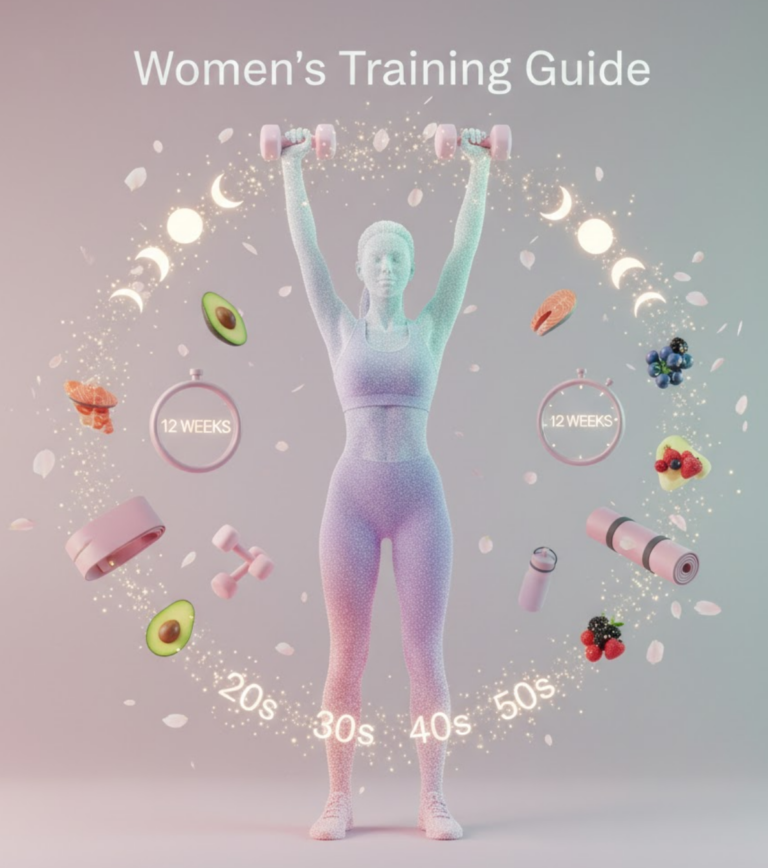
Women in Their 20s-30s
Primary Concerns: Maintaining healthy metabolism, building lean muscle, managing stress-related weight gain
Best Peptides:
- Semaglutide or Tirzepatide: If BMI warrants medicine for weight loss
- BPC-157: For recovery and gut health support
- CJC-1295/Ipamorelin: For body recomposition and athletic performance
Key Focus: Build healthy habits now, use peptides strategically for specific goals rather than as long-term upkeep. Moreover, prioritize sleep, stress management, and strength training alongside any peptide therapy.
Women in Their 40s (Perimenopause)
Primary Concerns: Metabolic slowdown, stubborn belly fat, hormonal fluctuations, declining muscle mass, sleep disturbances
Best Peptides:
- Semaglutide or Tirzepatide: For appetite control and metabolic support
- CJC-1295/Ipamorelin: To preserve muscle, improve sleep, support skin health
- Tesamorelin: If belly fat is primary concern
Key Focus: Preserve muscle mass while losing fat. Additionally, address sleep quality and support hormonal transitions. Consider combining peptides with strength training 4-5x weekly. Learn more about weight loss strategies for women over 40.
Women in Their 50s+ (Menopause & Beyond)
Primary Concerns: Significant belly fat buildup, muscle loss, bone density, metabolic syndrome, insulin resistance
Best Peptides:
- Tesamorelin: For visceral fat reduction (top priority)
- CJC-1295/Ipamorelin: For muscle preservation, bone support, anti-aging
- Semaglutide or Tirzepatide: If significant weight loss needed
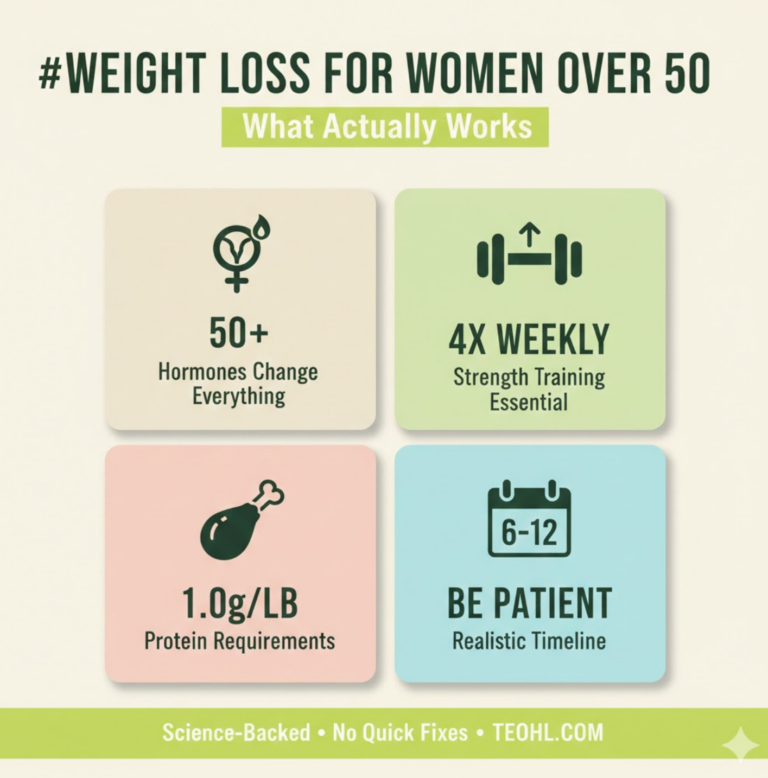
Key Focus: Prioritize muscle and bone preservation alongside fat loss. So, adequate protein intake becomes critical—aim for 1.0-1.2g per pound of target body weight. Check our guide on daily protein needs. Additionally, resistance training is non-negotiable for maintaining independence and metabolic health. Explore optimal wellbeing strategies after 60.
Hormonal Health: Peptides for Specific Conditions
Peptides for PCOS (Polycystic Ovary Syndrome)
Notably, PCOS affects about 10% of women and is characterized by insulin resistance, weight gain (especially around the midsection), and difficulty losing weight through traditional methods.
Best Peptide Approach:
- Semaglutide or Tirzepatide: Excellent first choice due to insulin-sensitizing effects. Studies show GLP-1 agonists improve insulin resistance, reduce androgen levels, and support weight loss in PCOS women.
- Tesamorelin: Can help reduce the visceral fat common in PCOS
- Lifestyle Integration: Combine with low-glycemic diet, regular exercise, and stress management
Source: PubMed – GLP-1 Agonists and PCOS
💡 PCOS Success Tip
Women with PCOS often see dramatic improvements when combining peptide therapy with metabolic support supplements. Consider discussing with your provider whether adding inositol, berberine, or alpha-lipoic acid might enhance your results. Additionally, cinnamon has been shown to improve insulin sensitivity in PCOS women.
Peptides During Menopause & Perimenopause
Clearly, the hormonal changes during perimenopause and menopause make weight loss especially challenging. Declining estrogen leads to increased belly fat, muscle loss, and metabolic slowdown.
Optimal Peptide Protocol:
- Tesamorelin: First choice for reducing menopause belly fat mainly
- CJC-1295/Ipamorelin: To combat muscle loss, support bone density, improve sleep (often disrupted during menopause), and enhance skin quality
- Semaglutide/Tirzepatide: If significant overall weight loss is needed
Additional Thoughts: Many menopause women benefit from combining peptide therapy with bioidentical hormone replacement therapy (BHRT). So, discuss with your healthcare provider whether this mix approach might be appropriate for you.
Peptides for Thyroid Conditions
Similarly, hypothyroidism (underactive thyroid) affects metabolism and makes weight loss extremely difficult. Importantly, while peptides can support weight loss, they don’t replace thyroid medicine.
Safe Peptide Options:
- Semaglutide or Tirzepatide: Generally safe with hypothyroidism when thyroid levels are well-controlled
- CJC-1295/Ipamorelin: May support metabolism and energy levels
- Critical: Your thyroid medicine timing must be maintained (typically taken on empty stomach in morning, peptides later in day)
⚠️ Thyroid Medicine Users: Important
If you have hypothyroidism, ensure your thyroid levels are optimized BEFORE starting peptide therapy. Uncontrolled hypothyroidism will greatly limit peptide how well it works. Furthermore, your endocrinologist should monitor your thyroid levels throughout peptide therapy as weight loss may affect medicine needs.
How to Get Started with Peptide Therapy
Finding a Qualified Provider
Generally speaking, peptide therapy requires medical supervision. Mainly, you’ll need a healthcare provider who can prescribe, monitor, and adjust your treatment.
Look for providers with:
Medical degree (MD, DO, NP, or PA) with prescribing authoritySpecific experience with peptide therapy for weight lossUnderstanding of women’s hormonal healthComplete approach (not just “here’s a prescription”)Monitoring protocols (regular follow-ups and lab work)Transparent pricing and realistic expectations
Where to Find Providers:
- Functional medicine practitioners: Often most experienced with peptide therapy
- Age management/anti-aging clinics: Typically offer complete peptide protocols
- Weight loss clinics: Increasingly offering Semaglutide and Tirzepatide
- Telemedicine services: Many reputable online platforms now provide peptide prescriptions with medical oversight
- Endocrinologists: Traditional route, especially for Likewise, GLP-1 peptides if you have diabetes or prediabetes
What to Expect at Your First Meeting
Typically, a thorough initial meeting should include:
Medical History Review: Your provider will ask about current medicines, medical conditions, weight loss history, hormonal status, and goals. Importantly, be completely honest about past eating disorders, mental health concerns, or substance use.
Physical Checkup: Basic vitals, BMI calculation, waist circumference, and sometimes body composition analysis.
Laboratory Testing: Generally, most providers order complete labs before starting peptides:
- Complete metabolic panel
- Lipid panel (cholesterol, triglycerides)
- Hemoglobin A1C (blood sugar control)
- Thyroid panel (TSH, Free T3, Free T4)
- Sometimes: hormone panel (estrogen, progesterone, testosterone), vitamin D, insulin levels
Goal Setting: Realistic timeline and target weight loss. Furthermore, discussion of lifestyle modifications needed to support peptide therapy.
Peptide Selection: Based on your specific situation, the provider will recommend which peptide(s) are most appropriate.
Giving: How to Use Peptides Safely
Generally, most weight loss peptides are administered via subcutaneous injection (small needle just under the skin). Initially, this may seem intimidating, but most women quickly become comfortable with the process.
💡 Injection Tips for Women
- Best injection sites: Abdomen (2 inches away from belly button), upper thigh, back of upper arm. Rotate sites to prevent irritation.
- Use ice: Applying ice to injection site for 30 seconds before injecting can minimize discomfort
- Inject slowly: Push plunger slowly over 5-10 seconds rather than quickly
- Room temperature: Let refrigerated peptides sit at room temperature for 5-10 minutes before injecting
- Proper disposal: Use sharps container for all needles (never throw in regular trash)
Injection Frequency by Peptide Type:
- Semaglutide: Once weekly (typically same day each week)
- Tirzepatide: Once weekly
- CJC-1295/Ipamorelin: 5-6 days per week, typically before bed
- Tesamorelin: Daily, typically before bed
- AOD-9604: Daily, usually in morning on empty stomach
Monitoring Your Progress
Ultimately, successful peptide therapy requires tracking multiple metrics beyond just scale weight. Mainly, monitor:
- Body measurements: Waist, hips, thighs, arms (take weekly)
- Progress photos: Front, side, and back views in consistent lighting (every 2-4 weeks)
- How clothes fit: Often the best indicator of body composition changes
- Energy levels and sleep quality: Journal these daily
- Appetite and cravings: Should improve greatly with Likewise, GLP-1 peptides
- Side effects: Track any issues to discuss with provider
- Weight: Weekly weigh-ins (same day, same time, fasted)
Follow-up Schedule: Generally, most providers recommend check-ins every 4-8 weeks initially, then every 3 months once stable. Lab work typically repeated every 3-6 months to monitor metabolic health.
Safety, Side Effects, and Precautions
Common Side Effects by Peptide Type
| Peptide | Common Side Effects | Management Strategies |
|---|---|---|
| Semaglutide | Nausea, constipation, fatigue, reduced appetite | Start with lowest dose, increase slowly. Eat smaller meals. Increase fiber and water. Usually improves after 4-6 weeks. |
| Tirzepatide | Similar to Semaglutide but often milder GI effects | Same strategies as Semaglutide. Ginger tea can help nausea. |
| CJC-1295/Ipamorelin | Mild water retention, temporary tiredness after injection, increased hunger initially | Reduce sodium intake. Inject before bed. Effects typically resolve within 2-3 weeks. |
| Tesamorelin | Injection site reactions, joint pain (rare), peripheral edema | Rotate injection sites. Stay well-hydrated. Report persistent joint pain to provider. |
| AOD-9604 | Generally very well tolerated. Rare: headache, mild nausea | Take with food if nausea occurs. Ensure adequate hydration. |
⚠️ When to Stop Immediately and Contact Your Provider
- Severe or persistent abdominal pain (could indicate pancreatitis)
- Changes in vision
- Signs of thyroid issues (lump in neck, difficulty swallowing, persistent hoarseness)
- Severe allergic reaction (difficulty breathing, severe rash, swelling)
- Symptoms of gallbladder problems (upper right abdominal pain, fever, yellowing of skin/eyes)
- Thoughts of self-harm or severe depression
- Severe dehydration (inability to keep fluids down for 24+ hours)
Who Should NOT Use Weight Loss Peptides
Generally speaking, peptide therapy is not appropriate for everyone. Mainly, avoid peptides if you:
- Are pregnant, breastfeeding, or trying to conceive
- Have personal or family history of medullary thyroid cancer or MEN2
- Have active eating disorder (anorexia, bulimia)
- Have history of pancreatitis
- Have severe gastroparesis
- Are under 18 years old (except under specialized medical care)
- Have BMI under 27 without weight-related health conditions
Use with Caution if you have:
- History of depression or suicidal thoughts (requires close monitoring)
- Diabetic retinopathy (GLP-1s may worsen initially)
- Severe kidney disease
- History of gallbladder disease
Long-Term Safety Thoughts
Currently, the long-term safety profile of peptides continues to be studied. However, current evidence suggests:
GLP-1 Peptides (Semaglutide, Tirzepatide): Have been studied for over a decade in diabetic populations with good long-term safety profile. Notably, heart health benefits have been documented. However, most users will need to continue therapy long-term or implement strong lifestyle habits to maintain weight loss.
Source: PubMed – Long-term Safety of GLP-1 Agonists
Growth Hormone Peptides: Generally well-tolerated when used in physiologic doses. However, long-term continuous use may suppress natural production. Therefore, many protocols include periodic breaks or cycling strategies.
Pregnancy Planning: Generally, most providers recommend stopping peptides 2-3 months before attempting pregnancy. Furthermore, effective contraception is essential while using peptides due to unknown effects on fetal development.
Real Women’s Success Stories
Jennifer, Age 43: Lost 35 Pounds with Semaglutide
Starting Weight: 192 lbs | Current Weight: 157 lbs | Duration: 9 months
“I’d tried everything—keto, intermittent fasting, Weight Watchers. Nothing worked long-term because I was always so hungry. Semaglutide completely changed my relationship with food. For the first time in my life, I could walk past the break room donuts without even thinking about them. The first month was rough with nausea, but once that passed, it was smooth sailing. I’m finally at a weight I can maintain because the medicine helps me eat like a naturally thin person—I just stop when I’m full.”
Key Factors in Her Success: Combined Semaglutide with strength training 4x weekly and tracking macros to ensure adequate protein. Worked with dietitian to optimize nutrition.
Maria, Age 51: Reduced Belly Fat 6 Inches with Tesamorelin
Starting Waist: 38 inches | Current Waist: 32 inches | Duration: 7 months
“Menopause hit me like a truck. I gained 20 pounds in a year, all around my middle, despite eating the same way I always had. My doctor suggested Tesamorelin mainly for the belly fat, and I’m so glad she did. The change was gradual but consistent. Every month my pants fit a little better. What surprised me most was the improvement in my energy and sleep. I feel like myself again.”
Key Factors in Her Success: Combined Tesamorelin with daily walks and reduced refined carbs. Used protein powder to meet increased protein needs during menopause.
Sarah, Age 38: Transformed Body Composition with CJC-1295/Ipamorelin
Starting Stats: 165 lbs, 32% body fat | Current Stats: 155 lbs, 24% body fat | Duration: 6 months
“I wasn’t trying to lose a ton of weight—I wanted to look more toned and lean. The CJC/Ipamorelin mix was perfect because I actually lost fat while gaining muscle. My arms and legs finally have definition. The better sleep was an unexpected bonus—I’d struggled with insomnia for years. I inject 6 nights a week, and it’s just part of my routine now.”
Key Factors in Her Success: Consistent strength training, adequate protein intake (140g daily), and patient approach. Tracked progress with body composition scans rather than just scale weight.
Amanda, Age 35: PCOS Weight Loss with Tirzepatide
Starting Weight: 210 lbs | Current Weight: 168 lbs | Duration: 11 months
“PCOS made weight loss feel impossible. I’d lose 10 pounds, then gain back 15. My insulin resistance was off the charts. Tirzepatide changed everything. Not only did I lose weight consistently, but my periods regulated for the first time in years, my acne improved, and my A1C dropped from prediabetic to normal. I still have 20 pounds to go, but I finally feel like it’s achievable.”
Key Factors in Her Success: Combined Tirzepatide with low-glycemic diet, metformin (prescribed for PCOS), and regular walking. Implemented anti-bloating strategies to manage PCOS-related swelling.
Nutrition and Lifestyle Integration
Undoubtedly, peptides are powerful tools, but they work best when combined with solid nutrition and lifestyle habits. Mainly:
Optimal Nutrition While Using Peptides
Prioritize Protein: Absolutely, this is non-negotiable, especially for women over 40. Aim for 0.8-1.0g of protein per pound of target body weight. So, if your goal weight is 140 lbs, target 112-140g protein daily. Adequate protein preserves muscle mass during weight loss and keeps metabolism elevated.
Check our complete guide: How Much Protein Do I Need Daily?
Don’t Go Too Low Calorie: While peptides reduce appetite, eating too little backfires by slowing metabolism and causing muscle loss. Most women should aim for 1,400-1,800 calories daily during active weight loss. Learn more about optimal macros for women’s weight loss.
Focus on Nutrient Density: Notably, with reduced appetite, every bite counts. Prioritize vegetables, lean proteins, whole grains, healthy fats, and fruits. So, minimize empty calories from processed foods.
Meal Timing with GLP-1 Peptides: Notably, many women find smaller, more frequent meals work better than large meals when using Semaglutide or Tirzepatide. Additionally, eating protein first at each meal helps ensure adequate intake.
Hydration: Moreover, this is critical for managing side effects and supporting fat metabolism. Aim for 80-100 oz water daily. Moreover, adequate hydration helps prevent constipation (common GLP-1 side effect).
Exercise Advices
Strength Training is Essential: Ideally, aim for 3-5 sessions weekly focusing on compound movements (squats, deadlifts, rows, presses). Importantly, resistance training preserves muscle mass during fat loss and maintains metabolic rate. Learn about squats for longevity and healthy aging.
Heart health Exercise: Additionally, include 2-3 sessions of moderate cardio (walking, cycling, swimming) for heart health. However, don’t overdo cardio at the expense of strength training.
Recovery: Adequate rest between workouts becomes more important, especially if using growth hormone peptides. So, prioritize sleep and consider active recovery days (gentle yoga, walking).
Sleep Improving
Furthermore, sleep quality directly impacts weight loss success and is especially important when using growth hormone peptides (which work during deep sleep).
Sleep Improving Strategies:
Maintain consistent sleep schedule (same bedtime/wake time daily)Create dark, cool sleeping environment (65-68°F ideal)Avoid screens 1-2 hours before bedConsider magnesium glycinate supplement (supports sleep and muscle recovery)If using CJC-1295/Ipamorelin, inject 30-60 minutes before bedLimit caffeine after 2pmManage stress through meditation or journaling
Cost and Accessibility
What to Expect: Peptide Therapy Costs
Generally speaking, peptide therapy represents a significant financial investment. Mainly, here are typical monthly costs:
| Peptide | Monthly Cost Range | Insurance Coverage |
|---|---|---|
| Semaglutide (Wegovy) | $1,300-$1,500 (without insurance) $25-$200 (with coverage) | Increasingly covered by insurance for obesity. Check with your specific plan. |
| Tirzepatide (Zepbound) | $1,000-$1,200 (without insurance) $25-$200 (with coverage) | Newer, so coverage varies. More insurers adding coverage in 2026. |
| Compounded Semaglutide | $250-$400 | Not covered by insurance. Available through specialized pharmacies. |
| CJC-1295/Ipamorelin | $300-$500 | Rarely covered by insurance (considered anti-aging/wellness). |
| Tesamorelin | $1,500-$2,000 | May be covered with HIV diagnosis. Rarely covered for general weight loss. |
| AOD-9604 | $200-$350 | Not covered by insurance. |
Insurance Coverage Strategies
For Semaglutide/Tirzepatide: Insurance is more likely to cover if you have:
- BMI ≥ 30, or BMI ≥ 27 with weight-related health condition (diabetes, high blood pressure, high cholesterol, sleep apnea)
- Records of previous weight loss attempts
- Medical necessity letter from your provider
Prior Approval: Most insurers require prior approval. So, expect 2-4 weeks for approval process. Your provider’s office typically handles this.
Maker Savings Programs: Both Wegovy and Zepbound offer savings cards that can greatly reduce out-of-pocket costs if you have commercial insurance.
Budget-Friendly Options
Alternatively, if brand-name peptides are cost-prohibitive:
- Compounded versions: FDA-approved compounding pharmacies offer Semaglutide at 70-80% lower cost
- Telemedicine platforms: Often provide more affordable access than traditional clinics
- Start with lifestyle: Implement nutrition and exercise changes first, add peptides later if needed
- Mix approach: Use peptides short-term (6-12 months) to jump-start weight loss, then maintain through lifestyle
Frequently Asked Questions
How quickly will I see results with peptide therapy?
Most women notice appetite reduction within 1-2 weeks with Likewise, GLP-1 peptides. Visible weight loss typically begins by week 4-8. However, maximum results occur around 6-12 months. Similarly, growth hormone peptides work more gradually, with body changes becoming noticeable around 8-12 weeks. So, patience is essential—peptides aren’t quick fixes.
Will I gain the weight back when I stop peptides?
Ultimately, this depends entirely on your lifestyle habits. Studies show that most people regain some weight after stopping Likewise, GLP-1 peptides if they don’t maintain healthy eating and exercise habits. Nevertheless, women who use peptides as a tool to build sustainable habits (portion control, regular exercise, stress management) maintain results better. Notably, some women choose to stay on low upkeep doses long-term.
Can I use peptides if I’m trying to get pregnant?
Definitely not. Peptides are not safe during pregnancy or while trying to conceive. Furthermore, you should stop peptides at least 2-3 months before attempting pregnancy. Additionally, use reliable contraception while using peptides. Once you’re ready to conceive, focus on optimizing nutrition and healthy weight through intuitive eating principles instead.
Are peptides safe long-term?
Furthermore, current evidence suggests Likewise, GLP-1 peptides are safe for long-term use based on studies in diabetic populations (some used for 10+ years). Similarly, growth hormone peptides appear safe in physiologic doses, though long-term studies are more limited. However, all peptides should be used under medical supervision with regular monitoring. Importantly, your provider should order periodic blood work to ensure continued safety.
Can I combine different peptides?
Indeed, many women use peptide “stacks” for synergistic effects. For example, combining Semaglutide with CJC-1295/Ipamorelin addresses both appetite control and muscle preservation. However, mixs should only be done under medical supervision. Moreover, your provider will determine safe mixs based on your specific health profile.
Will peptides help with loose skin after weight loss?
Similarly, growth hormone peptides like CJC-1295/Ipamorelin may improve skin elasticity by increasing collagen production. However, they won’t eliminate loose skin from massive weight loss. So, women losing 50+ pounds may need to consider surgical options for excess skin. Nevertheless, peptides that preserve muscle during weight loss help minimize loose skin by maintaining underlying structure.
Do I still need to diet and exercise on peptides?
Yes. Peptides are not magic pills that allow unlimited eating. Although they greatly reduce appetite and support fat loss, you still need to maintain reasonable nutrition and activity levels. In fact, combining peptides with high-protein meal replacements and regular exercise produces greatly better results than peptides alone. Think of peptides as powerful tools that make healthy lifestyle changes easier to sustain.
Can peptides help with emotional eating?
Likewise, GLP-1 peptides can greatly reduce food cravings and the reward response to eating. So, many women find emotional eating becomes much easier to manage. However, peptides don’t address the psychological roots of emotional eating. Therefore, many women benefit from combining peptide therapy with counseling or cognitive behavioral therapy for best long-term results.
What if I’m allergic to the peptide?
Fortunately, true allergies to peptides are rare but possible. Signs include severe rash, difficulty breathing, or swelling. If you experience these symptoms, stop the peptide immediately and contact your provider. However, most side effects (nausea, fatigue) are not allergies but rather expected effects that typically improve with time and dosage adjustment.
Can men use the same peptides?
Certainly, peptides work for both men and women. Nevertheless, women have unique thoughts around hormonal health, menstruation, menopause, and PCOS that require specialized protocols. Additionally, women typically need different dosing than men due to body size and metabolic differences. That’s why working with a provider experienced in women’s health is valuable.
Final Thoughts: Is Peptide Therapy Right for You?
Generally speaking, peptide therapy represents one of the most exciting advances in women’s weight loss in recent years. In contrast to regular diet pills that work against your body with stimulants and harsh chemicals, peptides work with your natural systems to optimize fat burning, preserve muscle, and support metabolic health.
Particularly for women over 40 struggling with hormonal changes, metabolic slowdown, and stubborn fat that won’t budge despite diet and exercise, peptides offer hope backed by solid scientific evidence. Moreover, the variety of available peptides means treatment can be tailored to your specific needs—whether that’s appetite control with Semaglutide, belly fat reduction with Tesamorelin, or body recomposition with CJC-1295/Ipamorelin.
However, peptides aren’t magic bullets. They work best when combined with solid nutrition (especially adequate protein), regular strength training, stress management, and quality sleep. Furthermore, they require medical supervision, ongoing monitoring, and financial investment.
Is Peptide Therapy Right for You? Consider This:
- You’re a good candidate if: You’re over 30, have tried traditional weight loss methods without lasting success, have 20+ pounds to lose, and are committed to long-term lifestyle changes
- Proceed with caution if: You have history of eating disorders, severe mental health issues, or unrealistic expectations about results
- Look elsewhere if: You’re pregnant/breastfeeding, want a quick fix without lifestyle changes, or aren’t willing to commit to medical supervision
Ultimately, the most important step is finding a qualified provider who understands women’s unique hormonal needs and can create a complete, supervised protocol. So, don’t attempt to source peptides without medical oversight—the risks far outweigh any cost savings.
Moreover, if you’re ready to explore whether peptide therapy might help you finally achieve your weight loss goals, start by scheduling meetings with experienced providers. Additionally, continue educating yourself about nutrition, hormone health, and sustainable lifestyle changes that will support your journey.
Remember: The best weight loss approach is the one you can maintain long-term. For many women, especially those over 40, peptides provide the support needed to break through plateaus and build the healthy habits that lead to lasting transformation.
Your journey to a healthier, more confident you starts with informed decisions and professional guidance. You’ve got this! 💪
Related Articles on TEOHL:
- Weight Loss for Women Over 40: The Complete Guide
- Macros for Weight Loss Women: Complete Science-Backed Guide
- Protein Powder for Women’s Weight Loss
- Weight Loss Shakes for Women
- How Much Protein Do I Need Daily?
- Anti-Bloat Meal Plan: 7-Day Reset
- Does Cinnamon Help You Lose Weight?
- Intuitive Eating for Beginners Guide