

PCOS Weight Loss: Why the Last 20 Pounds Won’t Budge
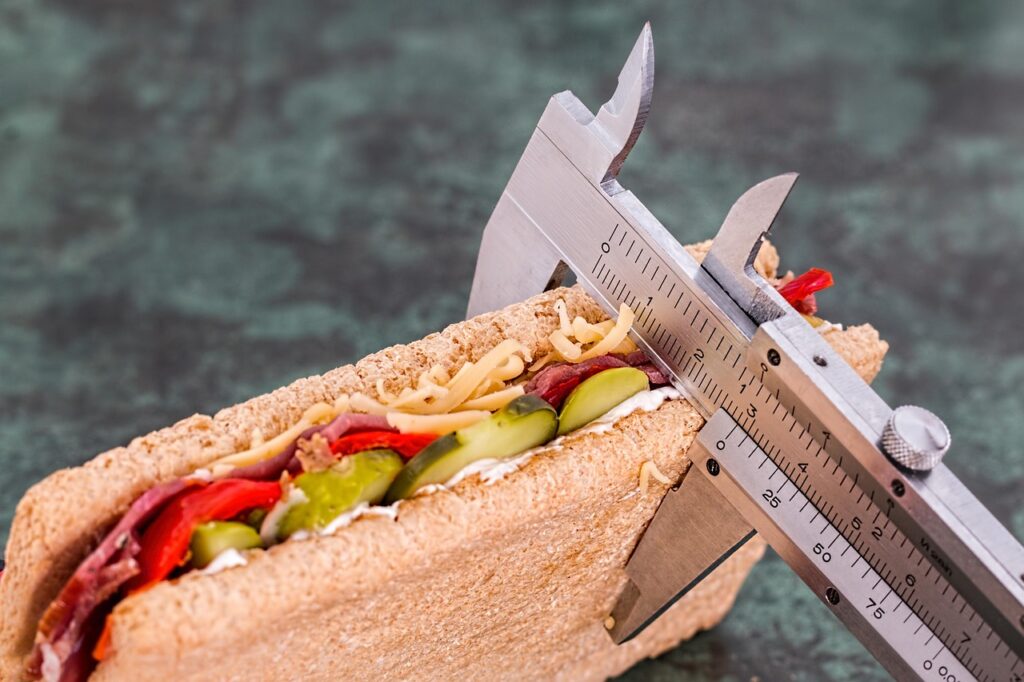
You’re doing everything right. Eating clean. Working out four times a week. Taking the supplements. And that scale just won’t budge. If you have PCOS, this isn’t a failure of willpower — it’s a biological reality. The ‘last 20 pounds’ are stubborn for a reason, and standard weight loss advice often makes things worse. Here’s what’s actually happening in your body and what to do about it.
Key Takeaways
- PCOS weight loss is different because insulin resistance, cortisol dysregulation, and inflammation work together to make fat loss harder
- Standard ‘eat less, move more’ advice often backfires by raising cortisol and worsening insulin resistance
- Timed carbohydrate intake and protein-first meals can help break through plateaus
- Strength training is more effective than cardio alone for PCOS metabolic health
- Stress management isn’t optional — it’s a metabolic lever that directly affects your ability to lose weight
Let’s be honest. When you have PCOS, the standard advice to ‘eat less and move more’ doesn’t just feel dismissive — it’s biologically wrong for your body. A clinical review in Clinical Endocrinology confirms that women with PCOS can lose weight, but the strategies that work for someone without PCOS often fail here because they ignore the underlying hormonal and metabolic drivers. That’s why PCOS weight loss requires a completely different approach.
Why PCOS Weight Loss Is Different
Here’s the thing. Your body isn’t broken. It’s just operating under a different set of rules. Three biological factors make PCOS weight loss uniquely challenging, especially as you get closer to your goal weight.
Insulin resistance. This is the big one. When you have PCOS, your cells don’t respond to insulin the way they should. Your pancreas pumps out more insulin to compensate, and high insulin levels tell your body to store fat — especially around your belly. A 2025 systematic review in Nutrients found that low-glycemic diets that lower insulin are consistently effective for PCOS weight loss. But here’s the catch: as you lose weight, your body’s metabolic rate naturally drops. With PCOS, that drop can be more dramatic because your insulin levels are already working against you — as covered in our guide on PCOS high testosterone.
Cortisol dysregulation. Your body’s stress response system is intimately connected to your metabolism. When cortisol is chronically elevated — which is common with PCOS — it signals your body to hold onto belly fat and resist weight loss. The Cleveland Clinic’s guide to PCOS belly explains that stress hormones directly contribute to the visceral fat accumulation that makes the last pounds so stubborn.
Inflammatory signaling. PCOS is a state of chronic low-grade inflammation. Inflammatory markers like CRP and TNF-alpha are often elevated, and this inflammation interferes with insulin signaling and fat metabolism. The same 2025 systematic review found that anti-inflammatory diets (rich in omega-3s, antioxidants, and fiber) can reduce these markers and improve metabolic outcomes.
The Good News
Research confirms that women with PCOS can lose weight — and even modest loss of 5% improves insulin resistance, hormone levels, and menstrual regularity. The key is using PCOS-specific strategies, not generic diet advice. A review of weight loss strategies for PCOS found that different approaches work for different symptoms, so personalization matters.
Timed Carbohydrate Intake: A Game Changer for PCOS Weight Loss
One of the most effective strategies for PCOS weight loss that most articles miss is when you eat, not just what you eat. The concept is simple: eat protein and vegetables first at each meal, then save carbohydrates for last. This approach, sometimes called ‘protein-first’ or ‘carb back-loading,’ helps blunt the insulin spike that follows a meal.
Here’s how it works. When you eat protein and fiber first, they slow down how quickly glucose enters your bloodstream. Your body releases less insulin in response. For someone with PCOS, this is huge — lower insulin means less fat storage signaling. The Cleveland Clinic’s PCOS diet guide specifically recommends aiming for 30 grams of protein in the morning and eating protein before carbohydrates at every meal.
A practical example: instead of having oatmeal with berries for breakfast (carbs first), try eggs with spinach and a side of berries. The protein and fiber come first, and the natural sugars in the berries are absorbed more slowly. Same foods, different order — different metabolic response.
Strength Training Over Cardio for PCOS
If you’re spending hours on the treadmill and the scale isn’t moving, I want you to consider something. For PCOS, strength training may be more effective than cardio. Here’s why.
Muscle tissue is metabolically active — it burns more calories at rest than fat tissue does. Building muscle improves your insulin sensitivity, which is the root issue in PCOS. A review of weight loss strategies for PCOS found that HIIT (high-intensity interval training) specifically improves insulin resistance. But the real winner is combining strength training with moderate cardio.
The Cleveland Clinic recommends 150 minutes of cardio plus 2-3 strength training sessions per week. But here’s the nuance: if you’re already stressed and your cortisol is high, intense cardio can actually raise cortisol further. Listen to your body. On high-stress days, a brisk walk or gentle yoga might serve your metabolism better than a HIIT class.
Your Weekly Exercise Blueprint for PCOS
2-3 strength sessions (30-45 min each): Focus on compound movements like squats, deadlifts, rows, and presses. These build the most muscle and improve insulin sensitivity the most.
2-3 cardio sessions (20-40 min each): Mix moderate cardio (brisk walking, cycling) with one HIIT session per week if your stress levels allow.
Daily movement: A 10-15 minute walk after meals helps with blood sugar regulation.
Stress Management as a Metabolic Lever
This is the strategy most PCOS weight loss articles completely miss. Stress management isn’t a nice-to-have — it’s a metabolic lever that directly affects your ability to lose weight.
When cortisol is high, your body thinks it’s in survival mode. It holds onto fat stores (especially belly fat) and becomes more resistant to insulin. The Cleveland Clinic’s guide to PCOS belly explicitly names cortisol as a contributor to PCOS weight gain. And here’s the frustrating part: aggressive dieting and over-exercising — the very things we’re told to do for weight loss — can raise cortisol even more.
What actually works? Gentle movement like walking or yoga. Adequate sleep (7-9 hours). Regular meal timing so your blood sugar stays stable. And practices that genuinely calm your nervous system — whether that’s meditation, deep breathing, or simply sitting in silence for five minutes. These aren’t optional extras. They’re as important as what you eat and how you exercise.
Anti-Inflammatory Eating Patterns for PCOS
Inflammation is the third piece of the puzzle. PCOS is associated with elevated inflammatory markers, and these markers interfere with insulin signaling and fat metabolism. The good news is that diet can directly reduce inflammation.
A 2025 systematic review in Nutrients found that anti-inflammatory diets — rich in omega-3 fatty acids, antioxidants, and fiber — reduce TNF-alpha, IL-6, and CRP levels in women with PCOS. The Mediterranean diet and DASH diet are both excellent anti-inflammatory patterns that have strong evidence for PCOS management.
What does this look like in practice? Fatty fish (salmon, sardines, mackerel) two to three times per week. Plenty of colorful vegetables. Olive oil as your primary fat source. Nuts, seeds, and legumes. And limiting processed foods, refined carbohydrates, and added sugars — which are directly pro-inflammatory.
Sample Day of PCOS-Friendly Eating
Breakfast (protein-first): 2 eggs scrambled with spinach and bell peppers, plus 1/2 avocado. Aim for 30g protein.
Lunch: Large salad with grilled chicken, chickpeas, cucumber, tomatoes, olives, and olive oil vinaigrette. Protein first, then vegetables, then any carbs.
Snack: Apple with almond butter or Greek yogurt with berries.
Dinner: Grilled salmon with roasted broccoli and a small sweet potato. Eat the salmon and broccoli first, then the sweet potato.
Evening: Herbal tea. No screens 30 minutes before bed.
When to Consider Medical Support
Lifestyle changes are powerful, but they’re not always enough. If you’ve been consistent with diet, exercise, stress management, and sleep for three to six months and the scale still isn’t moving, it may be time to talk to your healthcare provider about additional support.
Metformin is a well-studied medication that improves insulin sensitivity and can support weight loss in PCOS. GLP-1 receptor agonists (like semaglutide and tirzepatide) are emerging as effective options, though a clinical review in Clinical Endocrinology notes that PCOS-specific evidence is still growing. These are not ‘cheating’ — they’re medical tools that address the biological reality of PCOS.
The same review found that very low energy diets (VLED) can achieve more than 15% weight loss in 12 weeks under medical supervision. And for some women, bariatric surgery may be appropriate. The key is working with a healthcare provider who understands PCOS and can help you choose the right approach for your body.
Frequently Asked Questions
Q: Is intermittent fasting safe for PCOS?
A: A 2026 study in Nature Medicine found that time-restricted eating (a 6-hour eating window) produced about 4.5% weight loss in women with PCOS, comparable to daily calorie restriction. If you notice increased stress or sleep disruption with fasting, listen to your body — cortisol management is especially important with PCOS. Start with a gentler 14:10 window (14 hours fasting, 10 hours eating) and see how your body responds.
Q: Why is the last 20 pounds so much harder?
A: As you lose weight, your metabolic rate naturally drops. With PCOS, this drop can be more dramatic because of insulin resistance. This metabolic adaptation is biological, not a failure of willpower.
Q: Can omega-3 supplements help with PCOS weight loss?
A: A 2025 systematic review in Nutrients found that anti-inflammatory diets rich in omega-3 fatty acids reduce inflammatory markers in women with PCOS. Getting omega-3s from food (fatty fish, walnuts, flaxseeds) is the best approach, but supplements may also support metabolic health. Always talk to your healthcare provider before starting any new supplement.
Q: How do I know if my plateau is insulin-driven, cortisol-driven, or inflammation-driven?
A: If you crave carbs and feel shaky between meals, insulin resistance is likely the main driver. If you feel wired but tired, have trouble sleeping, and carry stress in your shoulders, cortisol may be the issue. If you have joint pain, skin issues, or digestive problems, inflammation could be playing a bigger role. Most women with PCOS have a combination of all three.
The Bottom Line
The last 20 pounds with PCOS are stubborn for real biological reasons. Insulin resistance, cortisol dysregulation, and inflammatory signaling work together to make standard weight loss advice ineffective. But here’s what I want you to take away: your body isn’t broken. It’s just operating under a different set of rules, and once you understand those rules, you can work with them instead of against them.
Start with one change. Maybe it’s eating protein first at breakfast. Maybe it’s swapping one cardio session for strength training. Maybe it’s adding five minutes of deep breathing before bed. Small, consistent changes add up. And if you’ve been trying for a while without results, please know that it’s not your fault. PCOS weight loss requires PCOS-specific strategies — and now you have them.