

PCOS in Young Women: Symptoms, Diagnosis & Self-Care
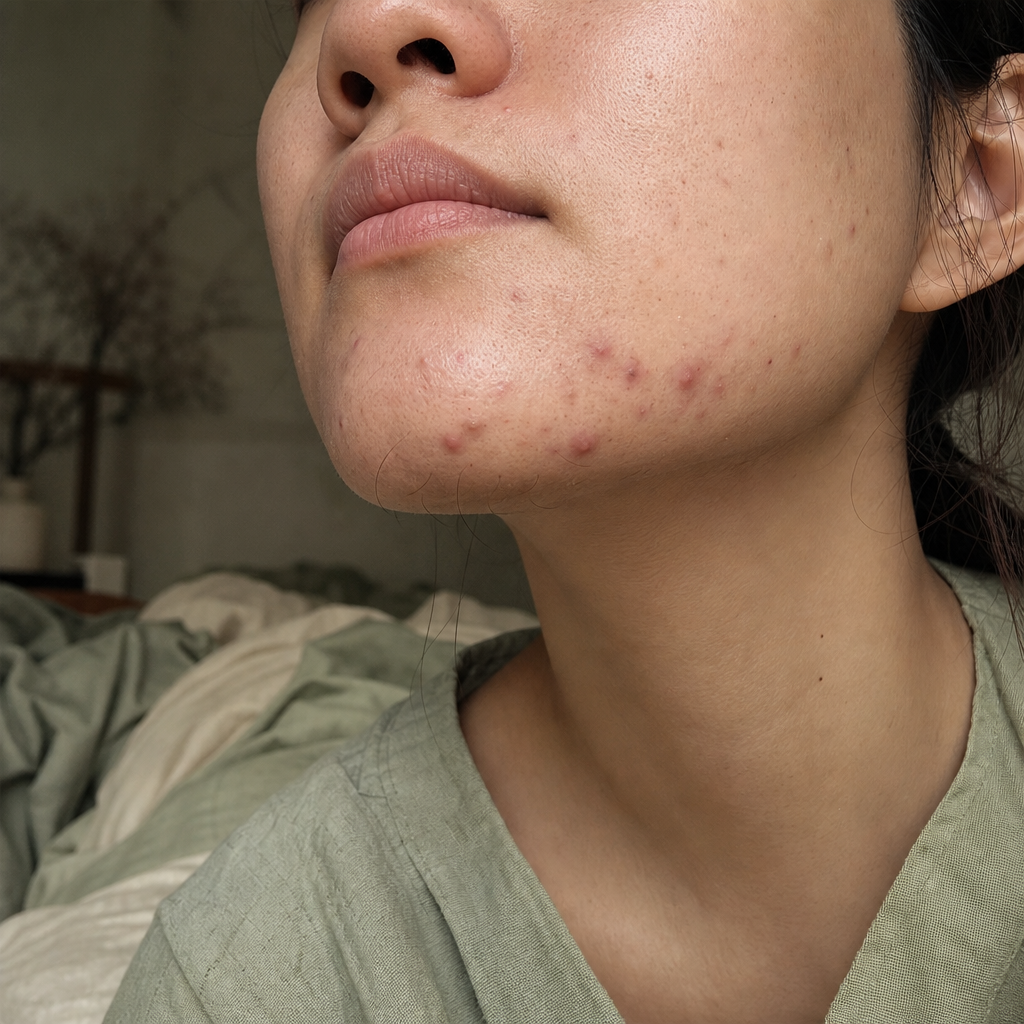
You’re 19. Your chin is breaking out in painful cysts. You’re seeing hair where you never did before. Your periods are unpredictable. And you’re wondering: am I too young for PCOS? It’s a fair question. Most of what you hear about PCOS — or its newer name, PMOS — seems to be about women in their late 20s and 30s trying to get pregnant. But here’s the thing: PCOS in young women is not only possible — it’s surprisingly common. The condition often starts in adolescence, right around the time of your first period. Yet many young women go undiagnosed for years, partly because the symptoms can look like “normal” puberty and partly because they’re afraid they won’t be taken seriously. Let’s change that.
Key Takeaways
- PCOS in young women is real — it affects about 6-8% of adolescents and can start as early as your first period.
- Your fear of being dismissed is valid — research confirms many young women with PCOS feel their symptoms are not taken seriously by doctors.
- Teen diagnosis is different — you don’t need an ultrasound. The criteria for young women are different than for adults.
- Sustainable eating matters more than extreme diets — the evidence doesn’t support any one “PCOS diet” over another.
- You can advocate for yourself — and we’ll give you the exact words to use at the doctor’s office.
Yes, PCOS in Young Women Is Real — Here’s How Common It Is
Let’s start with the question you came here with: Can PCOS occur in younger women? The answer is a clear yes. The World Health Organization estimates that PCOS affects 10-13% of reproductive-aged women worldwide. And it doesn’t just appear suddenly in your late 20s. The condition typically begins during adolescence, often within a few years of your first period.
A 2026 systematic review published in Human Reproduction Update — the most comprehensive prevalence study ever conducted, with over 157,000 participants — found that when including adolescents, the global prevalence of PCOS is about 11.4%. A separate analysis in the Journal of Pediatric and Adolescent Gynecology reports that PMOS (the new name for PCOS) affects roughly 6.3% of adolescents worldwide.
So no, you are not too young. In fact, you’re right in the age range where PCOS often first shows up. The problem is that many young women — and even some doctors — don’t recognize it.
Why PCOS in Young Women Is So Often Missed
Here’s the challenge: many PCOS symptoms look a lot like normal teenage changes. Acne? Common in teens. Irregular periods? Totally normal for the first few years after your period starts. Hair growth or oiliness? Puberty hormones are a rollercoaster. So it’s easy — for you and for your doctor — to write off these symptoms as “just part of growing up.”
But there’s a difference between normal puberty changes and PCOS. A 2026 qualitative systematic review in the Journal of Advanced Nursing found that women with PCOS consistently report their symptoms were “normalized, dismissed, or not taken seriously” by healthcare providers. The review identified three major themes: responsive care from doctors was often lacking, women felt they had to manage PCOS on their own, and the condition negatively impacted their self-image.
Your fear of not being taken seriously? It’s not in your head. Research confirms this is a real, documented problem in PCOS care. But knowing that is the first step to changing it.
PCOS Symptom Checklist for Young Women
If you’re experiencing several of these, it’s worth talking to a doctor:
Period changes: Fewer than 8 periods a year, cycles longer than 35 days, or no period for 3+ months (after the first 2-3 years of having periods)
Skin and hair changes: Persistent acne (especially on your chin, jawline, and back), oily skin that won’t quit, hair growing on your face, chest, or belly, or thinning hair on your scalp
Other signs: Weight gain that’s hard to lose (especially around your belly), dark or thick patches of skin on your neck or armpits, skin tags, or feeling tired all the time
How PCOS in Young Women Is Diagnosed — It’s Different Than for Adults
This is one of the most important things to know. The way doctors diagnose PCOS in adolescents is different from how they diagnose it in adults. And many general health websites don’t make this distinction.
According to the 2023 International Evidence-Based PCOS Guideline — endorsed by 39 organizations across 71 countries — adolescent diagnosis requires both of these:
- Irregular menstrual cycles — defined based on how long it’s been since your first period (for example, fewer than 8 periods a year after the first 2-3 years)
- High androgen levels — either seen in blood tests (biochemical) or through symptoms like persistent acne and excess hair growth (clinical)
Here’s what’s not needed for teens: an ovarian ultrasound. The guideline is clear — ultrasound and AMH levels should not be used for PCOS diagnosis in adolescents. A 2025 update in Fertility and Sterility confirms this: polycystic ovary morphology on ultrasound is not a valid diagnostic criterion for teens.
If you only have one of these two features — say, irregular periods but no signs of high androgens — you may be considered “at risk” for PCOS. This doesn’t mean nothing is wrong. It means your doctor should monitor you over time and check in again.
What to Say at the Doctor’s Office — Self-Advocacy Scripts
Walking into a doctor’s appointment when you’re worried about being dismissed takes courage. Here’s how to prepare so you’re more likely to be heard.
Your Doctor Visit Script
Before the appointment: Write down your symptoms with dates. When did your last period start? How many periods did you have in the last year? When did the acne or hair changes begin? Bring this list with you.
What to say: “I’ve been having [X symptom] for [Y months], and I’m concerned it might be PCOS. I’d like to be checked for it.”
If they say you’re too young: “I’ve read that PCOS can start in adolescence and that about 6% of teens have it. Could we check my hormone levels and talk about my cycle history?”
If they suggest an ultrasound: “I’ve read that the 2023 International PCOS Guideline recommends against ultrasound for teens. Is that something we can discuss?”
If they dismiss your symptoms: “I understand these symptoms can be normal, but they’re affecting my quality of life. I’d like to rule out PCOS so I can feel confident about what’s going on.”
Key questions to ask: “What blood tests will you run?” “Do I need to be screened for insulin resistance?” “Should I also be screened for depression or anxiety, since those are common with PCOS?”
If your doctor still won’t listen, consider getting a second opinion. A pediatric endocrinologist or a gynecologist who specializes in adolescent care may be more familiar with PCOS in young women.
Managing PCOS in Young Women — Beyond Extreme Low-Carb Diets
You mentioned that eating low-carb has helped you feel better, but you don’t want to eat ground beef forever. I hear you. Here’s what the evidence actually says about diet and PCOS.
The 2023 International Guideline is clear: no specific diet composition is recommended over another for PCOS. The evidence simply doesn’t support one “PCOS diet” — whether that’s low-carb, keto, Mediterranean, or anything else. What matters most is that your eating pattern is healthy, balanced, and sustainable for you — a dietitian-approved healthy breakfast on the go can be a great place to start.
For a young adult, sustainable might mean:
- Eating regular meals with a good mix of protein, fiber, and healthy fats
- Choosing whole grains over refined ones when you can (think brown rice instead of white)
- Including vegetables at most meals — even if that means frozen veggies in a dorm microwave
- Not cutting out entire food groups unless you have a diagnosed intolerance
- Finding meals that work with your lifestyle, budget, and preferences
The U.S. Office on Women’s Health emphasizes that healthy lifestyle changes can improve PCOS symptoms even without weight loss. The goal is to support your body’s insulin sensitivity and hormone balance — not to follow a punishing diet.
Mental Health and PCOS in Young Women — It’s Part of the Picture
Here’s something most articles don’t mention: the 2023 International Guideline recommends screening for depression in all adolescents with PCOS. This isn’t optional — it’s a standard part of care.
And it makes sense. Living with PCOS symptoms — acne, hair changes, weight struggles, irregular periods — can take a real toll on your confidence and mental health. The WHO fact sheet notes that anxiety, depression, eating disorders, and negative body image are common in women with PCOS.
If you’re struggling emotionally, that’s not a separate issue from your PCOS. It’s part of it. And it deserves the same attention as your physical symptoms.
FAQ: PCOS in Young Women
Q: Can PCOS start at 14? 16?
Yes. PCOS can begin as early as your first period. The condition is often present from adolescence but may not be diagnosed until later.
Q: Do I need an ultrasound to be diagnosed?
No. For adolescents, ultrasound is not recommended for PCOS diagnosis. Blood tests and your symptom history are what matter.
Q: What if I have some symptoms but not all?
You may be considered “at risk” for PCOS. This means your doctor should monitor you and re-evaluate over time.
Q: Will birth control pills make it harder to diagnose PCOS later?
Birth control pills can mask PCOS symptoms, which is why some doctors prefer to evaluate you before starting them. Talk to your doctor about the right timing for you.
Q: Is PCOS the same as PMOS?
Yes. The name is changing from PCOS to PMOS (Polyendocrine Metabolic Ovarian Syndrome) to better reflect that it’s not just about ovarian cysts. The new name aims to reduce stigma and improve care.
The Bottom Line
You are not too young for PCOS. Your symptoms are real. And your fear of not being taken seriously is valid — but it doesn’t have to stop you from getting the care you deserve.
Here’s your action plan: Track your symptoms for a month. Write down your period dates, your skin changes, and anything else that feels off. Bring that list to a doctor — ideally a pediatric endocrinologist or an adolescent gynecologist. Use the scripts above to advocate for yourself. And remember: you don’t need to follow an extreme diet to manage PCOS. Sustainable, balanced eating that works for your life is what the evidence supports.
PCOS in young women is real, common, and manageable. You deserve to be heard.
Related Articles You Might Enjoy
- PCOS Belly: Why It Looks Different & What Works — Understanding the unique belly fat pattern caused by PCOS and how to address it.
- Healthy Breakfast on the Go: 20 Dietitian-Approved Ideas — Practical, balanced breakfast ideas for busy young women managing their health.