

mRNA Flu Vaccine: What the FDA Decision Means
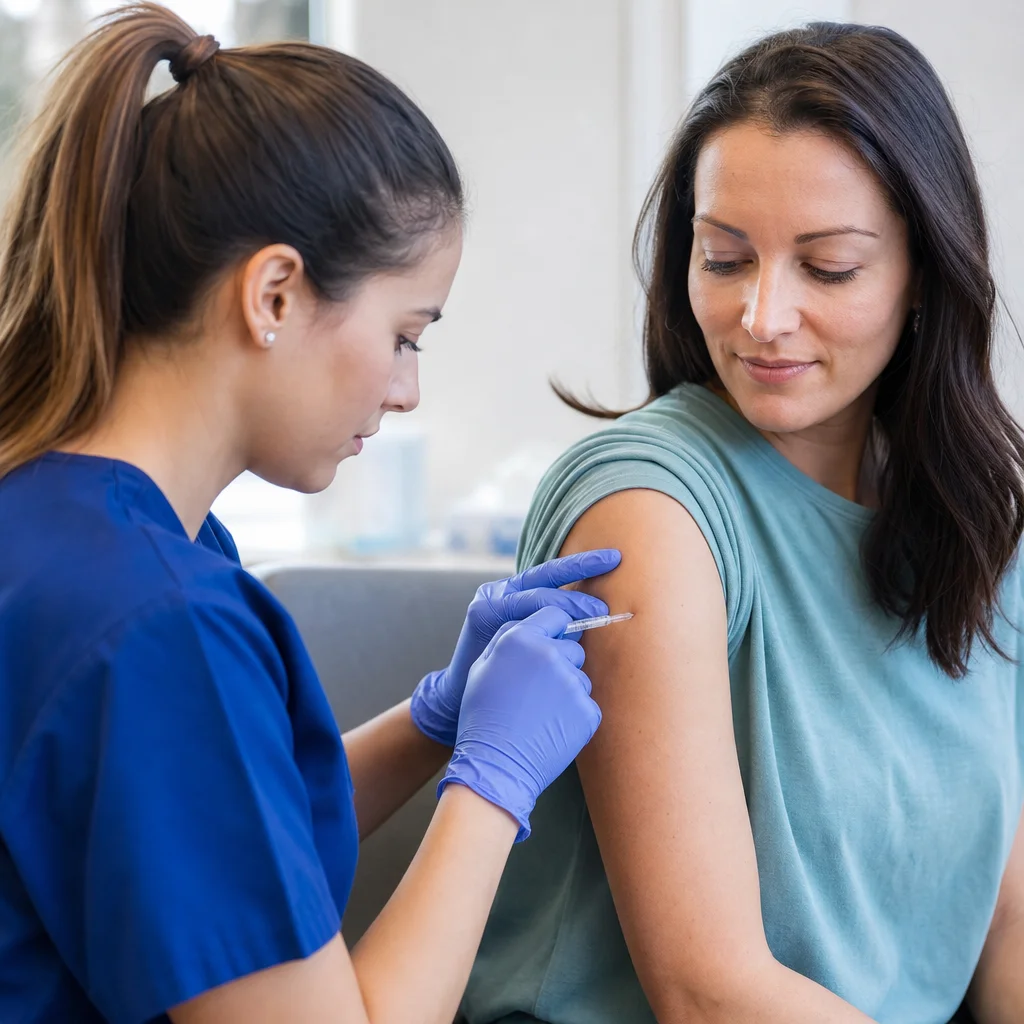
Key Takeaways
- The FDA is expected to rule on the first mRNA flu vaccine as soon as today, August 5, 2026.
- In a trial of more than 40,000 adults, the mRNA shot cut confirmed flu illness by about 26% compared with a standard flu vaccine.
- Side effects like soreness, fatigue, and headache were more common with the mRNA shot — but mostly mild and short-lived.
- No eggs. No live virus. No DNA changes.
- Approval alone won’t decide availability. Watch for official guidance, supply, and coverage this fall.
Could an mRNA flu vaccine change how you protect yourself this flu season? That’s the question on many minds right now. The FDA is expected to announce its decision soon. If approved, it would be the first flu shot using mRNA — the same technology behind the COVID-19 shots.
Here’s what you need to know about this new vaccine option. We’ll cover how it differs from the shots you’ve had before. We’ll also look at what the science shows and what to watch for this fall.
Quick Answer: What Is the mRNA Flu Vaccine?
It’s a flu shot that teaches your immune system to recognize the flu virus. No eggs. No live virus. No DNA changes. The mRNA delivers its instructions, then breaks down.
How Is the mRNA Flu Vaccine Different From Today’s Shots?
Right now, three technologies make flu vaccines in the U.S.: egg-based, cell-based, and recombinant. The CDC explains how flu vaccines are made today. Egg-based shots have been around for more than 70 years.
That method involves growing flu viruses in chicken eggs — a process that takes months and requires large numbers of chicken eggs. Cell-based and recombinant vaccines skip the eggs, but they still take time to update.
Here’s the simplest way to think about the mRNA flu vaccine: it’s a set of instructions. Instead of growing the virus, it tells your cells to build a harmless piece of the flu virus. Your immune system sees it and learns to fight the real thing.
Because the instructions come from a lab, no eggs are needed. That’s good news if you have an egg allergy.
Here’s the thing experts are most excited about: speed. Today, updating a flu vaccine for a new strain takes about six months. Moderna says mRNA could shrink that to two or three months. A better match could mean better protection.
What the mRNA Flu Vaccine Data Shows — and What It Doesn’t
The big question is whether the new shot actually works better. So let’s talk about the number making headlines: 26.6%.
That number comes from a May 2026 phase 3 trial in the New England Journal of Medicine. Researchers followed more than 40,000 adults ages 50 and older for about six months.
Here’s what they found: 2.0% of people who got the mRNA shot came down with lab-confirmed flu. In the standard-shot group, 2.8% did.
What Does “Relative Efficacy” Really Mean?
So the mRNA shot cut the risk of confirmed flu illness by 26.6% compared with a standard flu shot. In plain English? For every 1,000 people vaccinated, roughly eight fewer got the flu.
That’s the “relative” part of relative efficacy. It’s measured against an already-working vaccine, not against no vaccine at all. The benefit also depends on the season. Flu vaccines work better in well-matched years.
And it’s not just Moderna. A separate Pfizer trial published in the New England Journal of Medicine found similar results. It cut flu illness by 34.5% in roughly 18,000 adults.
A small human challenge trial added more evidence. There, everyone who got the mRNA shot avoided symptomatic flu. A standard vaccine reached 84.5%. The study was small, but the pattern held.
Why This FDA Decision Was Hard-Fought
You might be wondering why a vaccine approval is making headlines at all. The short answer? Politics.
Health Secretary Robert F. Kennedy Jr. has long questioned mRNA vaccines. Last year, his agency pulled about $500 million from 22 mRNA research programs. The pressure has been intense.
Here’s the thing. The mRNA flu vaccine has been caught in that crossfire.
Even the FDA review got tangled up in February. That’s when the agency briefly refused to consider Moderna’s application. It reversed course two weeks later.
The dispute was about which vaccine Moderna should compare its shot to. Some officials wanted the extra-strong vaccine used for seniors. FDA staff had already approved the study design, and the agency eventually accepted the application.
On June 18, the FDA’s independent vaccine panel reviewed all the evidence. The FDA’s advisory committee review of mFlusiva ended in a 9-0 vote. Every member agreed the benefits outweigh the risks.
Experts point to the track record: since 2020, people worldwide have received more than six billion mRNA vaccine doses. The safety record is strong. And claims that mRNA changes DNA? Disproved.
mRNA Flu Shot Side Effects: What to Expect
Now, let’s be honest about side effects. The mRNA shot caused more short-lived reactions than standard flu shots in trials.
Here are the numbers from the large Moderna study: two in three people had a sore arm. About four in ten felt tired. About four in ten had a headache, and roughly one in three had muscle aches.
In the standard-shot group, about three in ten had a sore arm. Most reactions were mild to moderate and went away within a few days.
Serious side effects were rare and similar in both groups. In the trial, 2.2% of people who got the mRNA shot had a serious event. In the standard group, it was 1.9%. Only a few were thought to be related to the vaccine.
Why more reactions? Experts say it’s often a sign your immune system is responding. Think of it as your body learning the lesson.
One more thing: the FDA plans to require a large follow-up study. It would track 400,000 adults 65 and older if the vaccine is approved. That’s how the system watches for rare problems in the real world.
What to Watch for This Flu Season
Will You Be Able to Get It This Fall?
Here’s where the practical part comes in. Flu season is serious. The 2025-26 season brought an estimated 32 million cases and 24,000 deaths in the U.S. Approval is step one. It’s not the whole story.
Even if the FDA approves the mRNA flu vaccine, you might not find it at your pharmacy this fall. Several things need to line up first.
First, official guidance. The CDC committee that decides how vaccines are used — ACIP — lost several members this year. No one knows yet how fall recommendations will take shape.
The CDC’s current flu vaccine recommendations still stand. Everyone 6 months and older should get a flu shot, ideally by the end of October.
Second, supply. Manufacturing and shipping take time. Pharmacies may get limited amounts at first.
Third, coverage. Insurance and Medicare will need to sort out payment. That can take time.
And if you’re under 50? The initial approval would cover adults 50 and older. Moderna is studying younger adults now and plans a teen study this fall. So younger women may need to wait a season.
So What Should You Do Now?
Here’s my advice: don’t wait. If you haven’t had your annual flu shot yet, now is the time to plan it. All currently approved flu vaccines are safe and recommended. The best flu shot is the one you can get today.
Your Flu Shot Questions, Answered
Is the mRNA flu vaccine better than the regular flu shot?
In the trials, yes. It cut confirmed flu illness by about 26% compared with a standard flu shot. How much it helps you depends on the season and how well the vaccine matches circulating strains.
Does the mRNA flu shot contain eggs?
No. Unlike egg-based flu vaccines, mRNA vaccines don’t use eggs at any stage. That makes it a good option if you have an egg allergy. And if you’ve had a severe allergic reaction to any vaccine before, talk to your clinician first.
Should I wait for the mRNA flu vaccine?
No. All approved flu vaccines are recommended. The CDC advises getting vaccinated by the end of October. Waiting leaves you unprotected during flu season.
The Bottom Line
So here’s where things stand. The FDA could approve the first mRNA flu shot as soon as today. The science is strong, the expert review was thorough, and the data is promising.
For now, you have everything you need to make a calm, informed choice. If you’re due for a flu shot this fall, don’t wait for the new option. All approved flu vaccines are recommended. Protection now beats waiting for perfect.
And if the mRNA shot does show up at your pharmacy this season? You’ll know exactly what you’re getting. That’s the kind of health decision that feels good — made with clear eyes and good information.
Related Reading
- FDA Recalls Cookware Contaminated with Lead: What to Know
- Ultra Processed Foods at the Grocery Store: Harvard’s Expert Reveals How to Shop Smarter in 2026