
Macros for Weight Loss Women: The Complete Science-Backed Guide
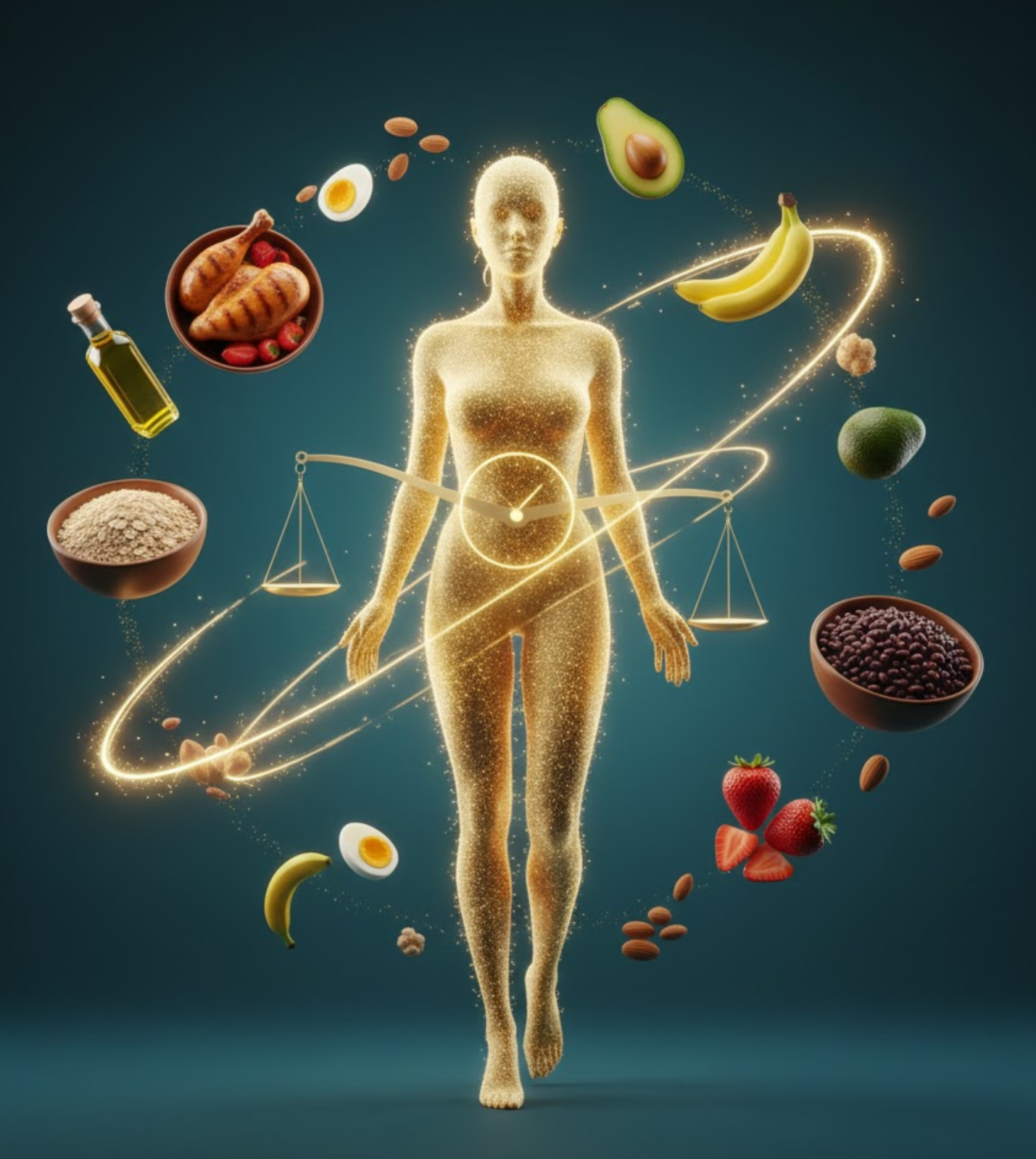
Discover the best macros for weight loss women with age-specific recommendations, menstrual cycle adjustments, 7-day meal plan, and proven strategies that actually work.
Are you tired of generic macro advice that was clearly designed for men? Frustrated by conflicting information about the “perfect” macronutrient ratio? Moreover, have you noticed that most macro guides completely ignore women’s unique hormonal needs?
You’re not alone. In fact, women’s bodies respond differently to macronutrient manipulation than men’s bodies. Specifically, your hormones, menstrual cycle, age, and metabolic rate all influence how you should distribute your protein, carbs, and fats for optimal fat loss.
Throughout this comprehensive guide, you’ll discover exactly how to calculate and adjust your macros based on your age, activity level, and hormonal status. Additionally, you’ll get a complete 7-day meal plan, troubleshooting strategies, and real success stories from women who’ve transformed their bodies using these science-backed approaches.
By the end, you’ll have everything you need to set up your personalized macro plan that actually works with your female physiology—not against it.
Quick Answer: What Are the Best Macros for Weight Loss Women?
For most women focusing on fat loss, an effective starting point is 40% protein, 30% carbs, and 30% fats. However, this ratio should be adjusted based on your age, activity level, and hormonal status.
Studies published in the American Journal of Clinical Nutrition show that higher protein intake (30-40% of calories) helps preserve muscle mass during weight loss in women. Furthermore, protein increases satiety and has a higher thermic effect than carbs or fats.
Source: https://pubmed.ncbi.nlm.nih.gov/22510267/
Your specific macro needs will vary based on several factors. Notably, women over 40 may benefit from slightly higher protein (35-40%) to combat age-related muscle loss. In addition, women with PCOS often see better results with lower carb ratios (25-30%), while very active women may need higher carbs (35-40%) to fuel their training.
The key is understanding that macros aren’t one-size-fits-all, especially for women. Therefore, let’s dive deeper into how to personalize your approach.
Understanding Macros: Why Women Need a Different Approach
What Are Macronutrients?
Macronutrients, or “macros,” are the three main nutrients your body needs in large amounts: protein, carbohydrates, and fats. Essentially, each plays distinct roles in supporting your health, energy, and body composition goals.
Unlike micronutrients (vitamins and minerals needed in small amounts), macros provide the calories that fuel your body. Specifically, protein and carbohydrates contain 4 calories per gram, while fat contains 9 calories per gram. Consequently, understanding how to manipulate these ratios can be a powerful tool for weight loss for women over 40 and beyond.
Why Generic Macro Advice Fails Women
Most macro calculators and nutrition guides were developed using research conducted primarily on men. However, women’s bodies function differently in several crucial ways that impact macronutrient needs.
Hormonal Differences That Impact Macros
First, women have naturally higher body fat percentages than men (essential for reproductive health). Consequently, body composition formulas designed for men often overestimate women’s calorie and macro needs. Second, women experience monthly hormonal fluctuations that affect metabolism, hunger, and energy levels. Therefore, these cyclical changes mean your macro needs may vary throughout the month.
Third, women typically have less muscle mass than men, which affects metabolic rate and protein requirements. In addition, women are more prone to certain conditions like PCOS and thyroid disorders that significantly impact how the body processes macronutrients, particularly carbohydrates.
Age-Related Metabolic Changes
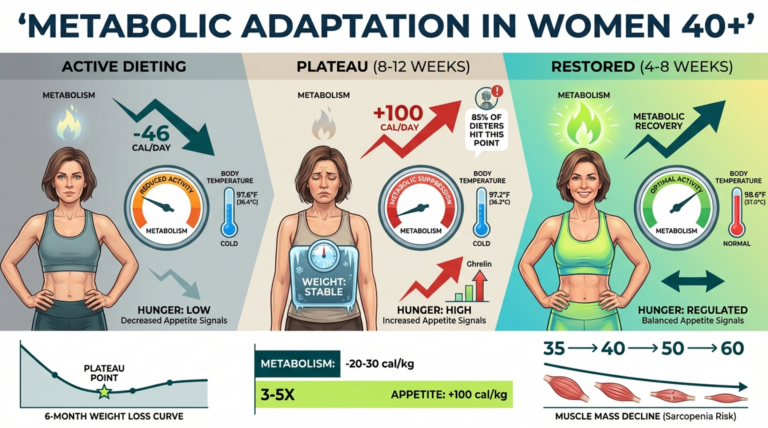
Finally, women going through perimenopause and menopause experience dramatic hormonal shifts that change metabolic rate, muscle mass, and fat distribution. As a result, a woman in her 50s has vastly different macro needs than a woman in her 20s, yet most guides ignore this critical distinction.
The Three Macros Explained for Women
Protein: Your Muscle-Preserving Powerhouse
Protein is arguably the most important macro for women focused on fat loss. Indeed, beyond building muscle, protein plays crucial roles in hormone production, immune function, and tissue repair. Notably, research shows that adequate protein intake is essential for maintaining muscle mass during weight loss, which keeps your metabolism elevated.
Moreover, protein has the highest thermic effect of food (TEF), meaning your body burns more calories digesting protein compared to carbs or fats. In fact, studies demonstrate that protein increases satiety hormones like GLP-1 and reduces ghrelin (your hunger hormone), helping you feel fuller on fewer calories. Therefore, understanding how much protein you need daily is crucial for success.
Source: https://pubmed.ncbi.nlm.nih.gov/18469287/
Carbohydrates: Your Energy Source and Hormone Regulator
Carbohydrates often get unfairly demonized in weight loss circles. Nevertheless, carbs serve essential functions for women’s health. Specifically, they provide glucose for brain function and glycogen for muscle energy during workouts. Furthermore, adequate carbohydrate intake supports healthy thyroid function and helps regulate reproductive hormones.
Interestingly, research published in the Journal of Clinical Endocrinology & Metabolism found that very low-carb diets can suppress thyroid function and increase cortisol levels in women. Additionally, insufficient carbs can disrupt menstrual cycles and decrease leptin (a hormone that regulates hunger and metabolism).
Source: https://pubmed.ncbi.nlm.nih.gov/17341711/
The key is choosing complex carbohydrates like whole grains, vegetables, fruits, and legumes rather than refined sugars and processed foods. Ultimately, these provide sustained energy, fiber, and essential nutrients.
Fats: Essential for Hormone Production
Dietary fat is absolutely critical for women’s hormonal health. Specifically, fats provide the building blocks for estrogen, progesterone, and testosterone production. Consequently, consuming too little fat can disrupt menstrual cycles, decrease bone density, and negatively impact mood and cognitive function.
Healthy fats also aid in the absorption of fat-soluble vitamins A, D, E, and K. Moreover, fats slow digestion, which helps stabilize blood sugar and extend satiety between meals. In fact, research shows that including adequate healthy fats in your diet supports metabolic health and can improve insulin sensitivity.
Source: https://pubmed.ncbi.nlm.nih.gov/29346526/
Focus on sources like avocados, nuts, seeds, olive oil, fatty fish, and eggs. However, limit trans fats and excessive saturated fats from fried foods and processed products.
How to Calculate Your Macros for Weight Loss
Step 1: Calculate Your Basal Metabolic Rate (BMR)
Your BMR represents the calories your body burns at complete rest just to keep you alive. Fortunately, for women, the most accurate formula is the Mifflin-St Jeor equation:
BMR = (10 × weight in kg) + (6.25 × height in cm) – (5 × age in years) – 161
Let’s work through an example:
- Woman: 35 years old, 165 cm tall (5’5″), weighs 75 kg (165 lbs)
- BMR = (10 × 75) + (6.25 × 165) – (5 × 35) – 161
- BMR = 750 + 1031.25 – 175 – 161
- BMR = 1,445 calories
This woman burns approximately 1,445 calories daily just existing. However, you need to account for daily activity to find your Total Daily Energy Expenditure (TDEE).
Step 2: Determine Your Activity Multiplier
Next, multiply your BMR by an activity factor based on your lifestyle:
Sedentary (little to no exercise): BMR × 1.2 Lightly active (exercise 1-3 days/week): BMR × 1.375 Moderately active (exercise 3-5 days/week): BMR × 1.55 Very active (exercise 6-7 days/week): BMR × 1.725 Extremely active (athlete/physical job + daily exercise): BMR × 1.9
Using our example woman who exercises 4 days weekly:
- TDEE = 1,445 × 1.55 = 2,240 calories
This is her maintenance level. Consequently, to lose fat, she needs to create a calorie deficit.
Step 3: Create Your Calorie Deficit
For sustainable fat loss, aim for a deficit of 15-25% below your TDEE. Importantly, larger deficits often backfire by slowing metabolism, increasing hunger, and causing muscle loss.
Moderate deficit (20%): 2,240 × 0.80 = 1,792 calories Aggressive deficit (25%): 2,240 × 0.75 = 1,680 calories
Our example woman would target 1,680-1,792 calories daily for fat loss. Furthermore, this approach typically results in 0.5-1 pound of fat loss weekly, which is ideal for preserving muscle.
Step 4: Set Your Macro Ratios
Now divide your calories into protein, carbs, and fats. Here are evidence-based starting ratios for women:
Standard Fat Loss Ratio:
- 40% Protein
- 30% Carbohydrates
- 30% Fats
High Protein Ratio (for women 40+):
- 45% Protein
- 30% Carbohydrates
- 25% Fats
Moderate Carb Ratio (for PCOS):
- 35% Protein
- 30% Carbohydrates
- 35% Fats
Let’s calculate macros for our example woman eating 1,750 calories using the standard ratio:
Protein (40%):
- Calories from protein: 1,750 × 0.40 = 700 calories
- Grams of protein: 700 ÷ 4 = 175g
Carbohydrates (30%):
- Calories from carbs: 1,750 × 0.30 = 525 calories
- Grams of carbs: 525 ÷ 4 = 131g
Fats (30%):
- Calories from fats: 1,750 × 0.30 = 525 calories
- Grams of fats: 525 ÷ 9 = 58g
Daily Target: 175g protein, 131g carbs, 58g fat = 1,750 calories
Quick Reference: Macro Calculations
To convert percentages to grams:
- Multiply your daily calories by the percentage (as a decimal)
- Then divide by calories per gram:
- Protein & Carbs: Divide by 4
- Fats: Divide by 9
Example: 2,000 calories at 40% protein
- 2,000 × 0.40 = 800 calories from protein
- 800 ÷ 4 = 200g protein daily
Age-Specific Macro Recommendations for Women
Women in Their 20s
Your metabolism is at its peak during your 20s. Consequently, you typically have greater carb tolerance and faster recovery from workouts. Interestingly, research shows younger women can maintain muscle mass with slightly lower protein intake compared to older women.
Recommended Ratios:
- Protein: 30-35%
- Carbohydrates: 35-40%
- Fats: 25-30%
Key Focus: Build lean muscle now to set yourself up for healthy metabolism later. Additionally, create healthy eating habits and avoid crash dieting, which can damage metabolism long-term.
Women in Their 30s
Metabolic rate begins declining around age 30, dropping about 2-3% per decade. Moreover, many women in their 30s are managing careers, families, and increasing stress levels. Therefore, protein needs increase slightly to keep muscle mass.
Recommended Ratios:
- Protein: 35-40%
- Carbohydrates: 30-35%
- Fats: 25-30%
Key Focus: Make stress management a priority alongside nutrition. Furthermore, resistance training becomes increasingly important to fight muscle loss. Similar strategies apply as outlined in our guide on squats for longevity and healthy aging.
Women in Their 40s
Perimenopause typically begins in the 40s, bringing hormone changes that affect metabolism, muscle mass, and fat distribution. Notably, research shows that muscle loss speeds up after 40, making protein intake absolutely critical.
Recommended Ratios:
- Protein: 35-40%
- Carbohydrates: 25-35%
- Fats: 25-30%
Key Focus: Higher protein intake (1.0-1.2g per pound of target body weight) helps keep muscle. Additionally, strength training 4-5 times weekly becomes essential. Interestingly, many women find they need to reduce carbs slightly as insulin sensitivity decreases.
Women in Their 50s and Beyond
Menopause brings dramatic hormone shifts that change body makeup and metabolism. In fact, studies show that postmenopausal women benefit from higher protein intake to fight age-related muscle loss and maintain metabolic rate.
Recommended Ratios:
- Protein: 40-45%
- Carbohydrates: 25-30%
- Fats: 25-30%
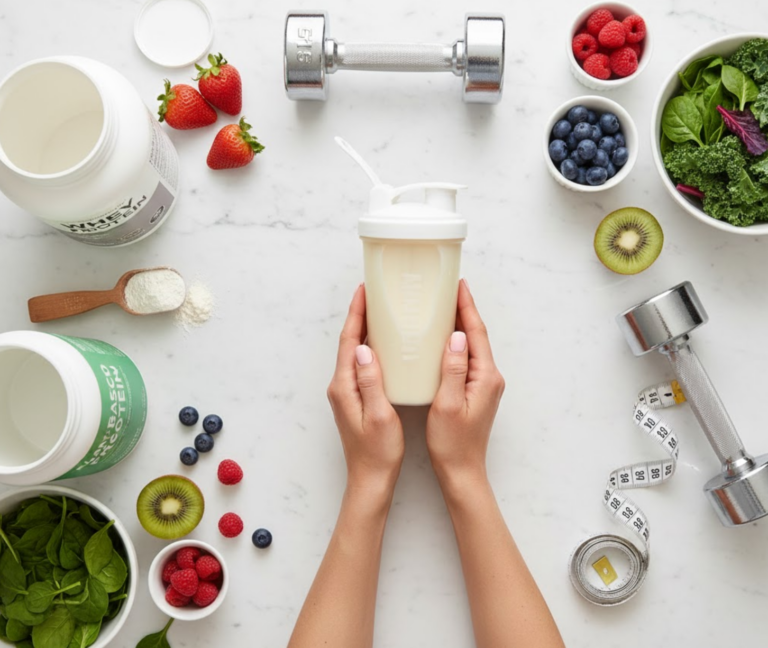
Key Focus: Protein becomes your most important macro. Notably, research suggests aiming for 1.2-1.4g per pound of target weight. Moreover, including protein powder for women’s weight loss can help meet these increased needs. Additionally, focus on nutrient-dense whole foods to meet vitamin and mineral needs. Learn more in our optimal wellbeing after 60 guide.
Source: https://pubmed.ncbi.nlm.nih.gov/25926512/
Women-Specific Macro Adjustments
Macros Throughout Your Menstrual Cycle
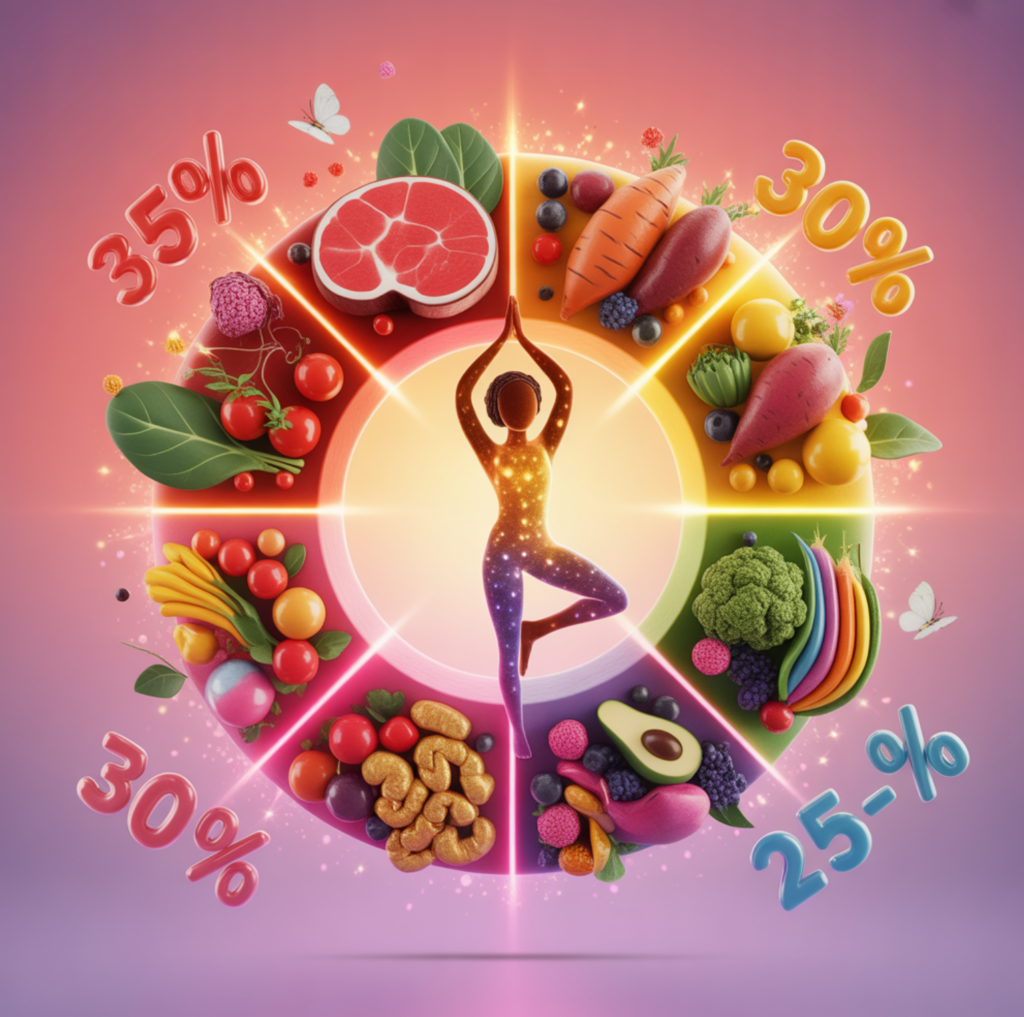
Your hormone changes throughout the month impact metabolism, hunger, and energy levels. Therefore, adjusting macros to match your cycle can improve results and make dieting feel easier.
Menstruation (Days 1-5)
Estrogen and progesterone are at their lowest. Consequently, many women feel increased hunger and fatigue. Additionally, iron needs increase due to blood loss.
Macro Strategy:
- Maintain baseline ratios
- Focus on iron-rich proteins (red meat, lentils, spinach)
- Include vitamin C to help iron absorption
- Don’t cut calories too much during this phase
Follicular Phase (Days 6-14)
Estrogen rises, bringing increased energy and insulin sensitivity. Notably, research shows this is the best time for harder workouts and slightly higher carb intake.
Macro Strategy:
- Slightly increase carbs to 35-40%
- Reduce fats to 25%
- Maintain protein at 35-40%
- Take advantage of high energy for intense training
Source: https://pubmed.ncbi.nlm.nih.gov/25240600/
Ovulation (Around Day 14)
Peak estrogen and rising testosterone create ideal conditions for strength and metabolism. In fact, this is when women often feel their best and strongest.
Macro Strategy:
- Maintain follicular phase ratios
- Fuel hard training with adequate carbs
- Push for personal records in the gym
Luteal Phase (Days 15-28)
Progesterone takes over, slowing metabolism slightly and increasing hunger. Furthermore, insulin sensitivity decreases, making carb management more important. Interestingly, many women have increased cravings, especially for sweets.
Macro Strategy:
- Reduce carbs to 25-30%
- Increase fats to 30-35% (more satiating)
- Maintain protein at 35-40%
- Focus on fiber-rich foods for satiety
- Consider our anti-bloat meal plan to reduce water retention
Macros for Menopause and Perimenopause
Perimenopause and menopause bring declining estrogen, which affects metabolism, muscle mass, fat storage, and insulin sensitivity. Importantly, research shows that women in menopause need much higher protein to maintain muscle and metabolic rate.
Optimal Menopause Macros:
- Protein: 40-45% (aim for 1.2-1.4g per lb target weight)
- Carbohydrates: 25-30%
- Fats: 25-30%
Studies published in the Journal of Nutrition show that higher protein helps women in menopause keep lean mass during weight loss. Moreover, cutting refined carbs helps manage the insulin resistance that often comes with menopause.
Source: https://pubmed.ncbi.nlm.nih.gov/27511607/
Additional Strategies:
- Time carbs around workouts for better use
- Include foods with plant estrogens (flaxseeds, soy)
- Make resistance training a priority
- Consider working with a doctor on hormone therapy if right for you
Macros for PCOS (Polycystic Ovary Syndrome)
PCOS affects about 10% of women and greatly impacts how the body handles carbs. Notably, women with PCOS often have insulin resistance, making lower-carb approaches more helpful.
PCOS-Friendly Macros:
- Protein: 35-40%
- Carbohydrates: 25-30%
- Fats: 35-40%
Research in the Journal of Clinical Endocrinology & Metabolism shows that women with PCOS see better results in insulin sensitivity and weight loss with moderate-carb approaches compared to high-carb diets.
Source: https://pubmed.ncbi.nlm.nih.gov/16670166/
PCOS Macro Tips:
- Choose low-glycemic carbs (non-starchy veggies, berries, legumes)
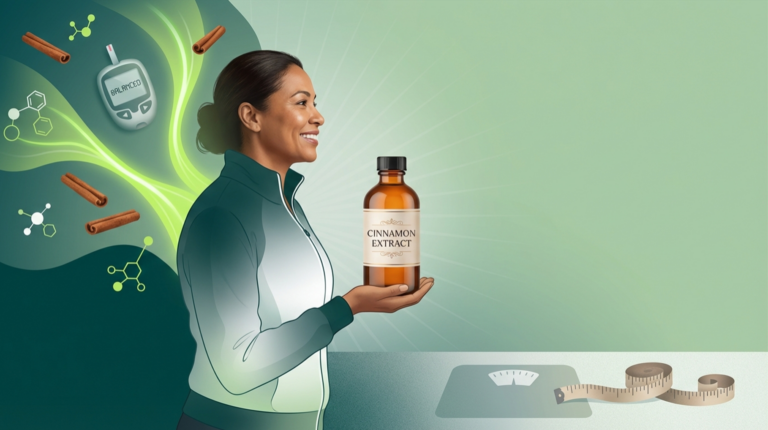
- Include cinnamon, which may improve insulin use – learn more about whether cinnamon helps you lose weight
- Spread carbs throughout the day rather than large amounts
- Pair carbs with protein and fat to slow blood sugar spikes
- Consider anti-bloating tea to manage swelling
Macros for Thyroid Conditions
Hypothyroidism (underactive thyroid) slows metabolism and affects how your body uses macros. Interestingly, research shows that very low-carb diets can further slow thyroid function, so moderate carb intake is important.
Thyroid-Supportive Macros:
- Protein: 35-40%
- Carbohydrates: 30-35% (don’t go too low!)
- Fats: 25-30%
Thyroid Considerations:
- Include selenium-rich foods (Brazil nuts, fish)
- Get enough iodine (seaweed, iodized salt, fish)
- Avoid too many raw cruciferous veggies (can interfere with thyroid)
- Work with your doctor to time thyroid medicine properly
Source: https://pubmed.ncbi.nlm.nih.gov/27550719/
Your 7-Day Macro-Balanced Meal Plan
This meal plan provides about 1,700 calories daily with a 40% protein, 30% carbs, 30% fat ratio. Importantly, adjust portions based on your calculated needs. Essentially, each day includes about 170g protein, 128g carbs, and 57g fat.
Day 1
Breakfast: Greek Yogurt Power Bowl
- 1 cup plain Greek yogurt (2%)
- ½ cup mixed berries
- 2 tbsp ground flaxseed
- 1 tbsp almond butter
- Sprinkle of cinnamon
Macros: 35g protein, 32g carbs, 16g fat (388 calories)
Lunch: Grilled Chicken Salad
- 6 oz grilled chicken breast
- 3 cups mixed greens
- ½ cup chickpeas
- Cherry tomatoes, cucumber, red onion
- 2 tbsp olive oil and balsamic dressing
Macros: 55g protein, 28g carbs, 18g fat (506 calories)
Dinner: Salmon with Roasted Vegetables
- 5 oz wild-caught salmon
- 1 cup roasted broccoli and cauliflower
- ½ cup quinoa
- 1 tbsp olive oil for roasting
- Lemon and herbs
Macros: 42g protein, 35g carbs, 20g fat (498 calories)
Snack: Protein Smoothie
- 1 scoop protein powder
- 1 cup unsweetened almond milk
- ½ banana
- 1 cup spinach
- Ice
Macros: 25g protein, 18g carbs, 2g fat (190 calories)
Daily Total: 157g protein, 113g carbs, 56g fat (1,582 calories)
Day 2
Breakfast: Veggie Egg Scramble
- 3 whole eggs + 2 egg whites
- 1 cup spinach and mushrooms
- ¼ avocado
- 1 slice whole grain toast
- Salsa
Macros: 32g protein, 28g carbs, 18g fat (396 calories)
Lunch: Turkey and Hummus Wrap
- 6 oz turkey breast
- Large whole grain wrap
- 3 tbsp hummus
- Lettuce, tomato, cucumber, bell peppers
- Side of baby carrots
Macros: 50g protein, 42g carbs, 14g fat (494 calories)
Dinner: Lean Beef Stir-Fry
- 5 oz lean beef strips
- 2 cups mixed vegetables (broccoli, bell peppers, snap peas)
- ¾ cup brown rice
- 1 tbsp sesame oil
- Low-sodium soy sauce and ginger
Macros: 45g protein, 45g carbs, 18g fat (526 calories)
Snack: Cottage Cheese Bowl
- 1 cup low-fat cottage cheese
- ½ cup pineapple chunks
- 10 almonds
Macros: 30g protein, 20g carbs, 8g fat (276 calories)
Daily Total: 157g protein, 135g carbs, 58g fat (1,692 calories)
Day 3
Breakfast: Protein Oatmeal
- ½ cup oats cooked with 1 scoop protein powder
- 1 apple, diced
- 1 tbsp almond butter
- Cinnamon
Macros: 38g protein, 48g carbs, 12g fat (456 calories)
Lunch: Tuna Salad with White Beans
- 1 can tuna in water (5 oz)
- ½ cup white beans
- Large mixed green salad
- Cherry tomatoes, cucumber, red onion
- 2 tbsp olive oil and vinegar
Macros: 45g protein, 30g carbs, 16g fat (456 calories)
Dinner: Grilled Chicken with Sweet Potato
- 6 oz grilled chicken thighs
- 1 medium baked sweet potato
- 1 cup roasted Brussels sprouts
- 1 tbsp olive oil
Macros: 50g protein, 42g carbs, 22g fat (562 calories)
Snack: Hard-Boiled Eggs and Veggies
- 2 hard-boiled eggs
- Bell pepper strips
- 2 tbsp guacamole
Macros: 14g protein, 8g carbs, 12g fat (192 calories)
Daily Total: 147g protein, 128g carbs, 62g fat (1,666 calories)
Day 4
Breakfast: Protein Pancakes
- 2 eggs + ½ cup egg whites + ½ mashed banana + 1 scoop protein powder (makes 3 pancakes)
- 2 tbsp sugar-free syrup
- ½ cup berries
Macros: 42g protein, 38g carbs, 10g fat (410 calories)
Lunch: Lentil and Vegetable Soup with Chicken
- 2 cups homemade lentil soup
- 4 oz grilled chicken breast added
- Side green salad with 1 tbsp olive oil
Macros: 48g protein, 45g carbs, 14g fat (506 calories)
Dinner: Shrimp and Cauliflower Rice
- 6 oz shrimp
- 2 cups cauliflower rice
- 1 cup asparagus
- ½ cup black beans
- 1 tbsp avocado oil
- Lime and cilantro
Macros: 48g protein, 32g carbs, 16g fat (464 calories)
Snack: Greek Yogurt with Nuts
- ¾ cup Greek yogurt
- 15 almonds
- Stevia and cinnamon
Macros: 22g protein, 12g carbs, 12g fat (248 calories)
Daily Total: 160g protein, 127g carbs, 52g fat (1,628 calories)
Day 5
Breakfast: Breakfast Burrito
- 2 eggs + 3 egg whites
- ½ cup black beans
- 2 tbsp salsa
- ¼ avocado
- Whole grain tortilla
- 2 tbsp Greek yogurt
Macros: 35g protein, 40g carbs, 15g fat (434 calories)
Lunch: Asian-Inspired Salmon Salad
- 5 oz baked salmon
- Mixed greens with edamame (½ cup)
- Shredded carrots and purple cabbage
- 2 tbsp sesame ginger dressing
- ½ cup brown rice
Macros: 45g protein, 38g carbs, 20g fat (524 calories)
Dinner: Turkey Meatballs with Zucchini Noodles
- 6 oz turkey meatballs (homemade)
- 3 cups zucchini noodles
- ¾ cup marinara sauce
- 2 tbsp parmesan cheese
- Side salad with 1 tbsp olive oil
Macros: 52g protein, 28g carbs, 18g fat (486 calories)
Snack: Protein Bar and Apple
- 1 protein bar (20g protein)
- 1 small apple
Macros: 22g protein, 28g carbs, 6g fat (250 calories)
Daily Total: 154g protein, 134g carbs, 59g fat (1,694 calories)
Day 6
Breakfast: Smoked Salmon and Eggs
- 2 eggs
- 3 oz smoked salmon
- ½ cup roasted sweet potato cubes
- Sliced tomato and cucumber
- Fresh dill
Macros: 32g protein, 24g carbs, 16g fat (368 calories)
Lunch: Chicken Caesar Salad (Lightened)
- 6 oz grilled chicken
- Large romaine salad
- 2 tbsp caesar dressing (made with Greek yogurt)
- 1 tbsp parmesan
- Whole grain croutons (small handful)
Macros: 52g protein, 25g carbs, 14g fat (446 calories)
Dinner: Pork Tenderloin with Roasted Vegetables
- 5 oz pork tenderloin
- 1 cup roasted carrots and parsnips
- 1 cup roasted green beans
- ¾ cup wild rice
- 1 tbsp olive oil
Macros: 45g protein, 48g carbs, 18g fat (538 calories)
Snack: Protein Shake
- 1 scoop protein powder
- 1 cup unsweetened cashew milk
- ½ cup frozen berries
- 1 tbsp chia seeds
Macros: 28g protein, 22g carbs, 8g fat (272 calories)
Daily Total: 157g protein, 119g carbs, 56g fat (1,624 calories)
Day 7
Breakfast: Cottage Cheese and Fruit Bowl
- 1 cup low-fat cottage cheese
- 1 cup mixed berries
- ¼ cup walnuts
- 1 tbsp ground flaxseed
- Stevia and cinnamon
Macros: 34g protein, 35g carbs, 18g fat (434 calories)
Lunch: Buddha Bowl
- 4 oz baked tofu or tempeh
- 1 cup quinoa
- Roasted chickpeas (¼ cup)
- Mixed vegetables (kale, beets, carrots)
- 2 tbsp tahini dressing
Macros: 30g protein, 55g carbs, 18g fat (506 calories)
Dinner: Herb-Crusted Cod with Vegetables
- 6 oz cod fillet
- 1 medium baked potato
- 2 cups roasted mixed vegetables
- 1 tbsp olive oil
- Lemon and dill
Macros: 45g protein, 50g carbs, 16g fat (524 calories)
Snack: Egg Muffins
- 2 egg muffins (made with eggs, vegetables, turkey bacon)
- Side of cherry tomatoes
Macros: 18g protein, 8g carbs, 10g fat (194 calories)
Daily Total: 127g protein, 148g carbs, 62g fat (1,658 calories)
Shopping List for the Week
Proteins:
- Eggs (2 dozen)
- Greek yogurt (plain, 2%)
- Cottage cheese (low-fat)
- Chicken breast (2.5 lbs)
- Chicken thighs (1 lb)
- Turkey breast (12 oz)
- Ground turkey (1 lb)
- Salmon fillets (10 oz)
- Cod fillet (6 oz)
- Shrimp (12 oz)
- Tuna (2 cans)
- Smoked salmon (3 oz)
- Lean beef (10 oz)
- Pork tenderloin (5 oz)
- Tofu or tempeh (8 oz)
- Protein powder (your preferred brand)
Vegetables:
- Spinach
- Mixed greens (large containers)
- Romaine lettuce
- Kale
- Broccoli (2 lbs)
- Cauliflower (2 heads)
- Brussels sprouts (1 lb)
- Asparagus (1 bunch)
- Zucchini (4 large for noodles)
- Bell peppers (assorted colors)
- Tomatoes and cherry tomatoes
- Cucumbers
- Carrots
- Snap peas
- Green beans (1 lb)
- Mushrooms
- Onions (red and yellow)
- Garlic
Fruits:
- Mixed berries (2 cups frozen or fresh)
- Bananas (3)
- Apples (3)
- Pineapple (1 small)
- Lemons and limes
Carbohydrates:
- Oats
- Quinoa
- Brown rice
- Wild rice
- Whole grain bread
- Whole grain tortillas
- Whole grain wraps
- Sweet potatoes (2 medium)
- Regular potatoes (2 medium)
- Black beans (2 cans)
- White beans (1 can)
- Lentils (dried or canned)
- Chickpeas (2 cans)
- Edamame (frozen)
Healthy Fats:
- Avocados (3-4)
- Olive oil
- Avocado oil
- Sesame oil
- Almond butter
- Tahini
- Walnuts
- Almonds
- Flaxseed (ground)
- Chia seeds
Other:
- Hummus
- Marinara sauce
- Low-sodium soy sauce
- Salsa
- Parmesan cheese
- Herbs and spices
- Balsamic vinegar
- Sugar-free syrup
Meal Prep Tips
Sunday Prep (2-3 hours):
- Cook all proteins for the week (grill chicken, bake salmon, hard-boil eggs)
- Wash and chop vegetables
- Cook grains in batches (quinoa, brown rice)
- Prepare egg muffins for quick breakfasts
- Make turkey meatballs for Day 5
- Portion proteins into containers
Daily Prep (10-15 minutes):
- Assemble meals using prepped ingredients
- Heat and season as needed
- Prepare fresh items (salads, smoothies)
Pro Tip: Cook double portions of dinner proteins to use for next day’s lunch. Consequently, this saves significant time and ensures you always have macro-friendly food ready.
Macro Tracking Methods: Find What Works for You
Method 1: Detailed App Tracking
Using a macro tracking app provides the most accurate data but requires consistent effort. Generally, popular options include MyFitnessPal, Cronometer, MacroFactor, and Lose It!
Pros:
- Precise tracking of all three macros
- Large food databases with barcode scanners
- Progress tracking and reporting
- Helps you learn portion sizes and food composition
- Identifies hidden sources of calories
Cons:
- Time-consuming (10-15 minutes daily)
- Can feel obsessive or stressful
- Requires food scale for accuracy
- May not work for those with history of disordered eating
Best For: Women who are detail-oriented, new to macros, or have specific body composition goals requiring precision.
How to Track Effectively
- Weigh all foods on a digital scale (in grams for accuracy)
- Log foods BEFORE eating (helps with portion control)
- Use the barcode scanner for packaged foods
- Create custom recipes for meals you eat regularly
- Pre-log your day each morning to ensure you’ll hit targets
- Track consistently for at least 2-4 weeks to learn food values
Method 2: Hand Portion Method (No Tracking)
This approach uses your hand as a measuring tool, making it simple and portable. Interestingly, research shows that hand portioning can be nearly as effective as weighing for most people.
Your Hand Portion Guide
Protein: Palm-sized portion (thickness and diameter of your palm)
- Aim for 1 palm at each meal
- Women typically need 4-6 palms daily
Carbohydrates: Cupped hand portion
- 1-2 cupped handfuls per meal depending on activity level
- Focus on whole grains, starchy vegetables, fruits
Fats: Thumb-sized portion
- 1 thumb per meal
- Remember fats are calorie-dense (9 cal/gram)
Vegetables: Fist-sized portion (or more!)
- At least 1-2 fists per meal
- Unlimited non-starchy vegetables encouraged
Pro Tip: This method works best when you eat whole, unprocessed foods. However, packaged foods and restaurant meals are harder to estimate accurately.
Method 3: Plate Method
Visual plate division provides a simple framework without measuring. Notably, research published in the Journal of the Academy of Nutrition and Dietetics shows this method can be effective for weight management.
Build Your Plate
- ½ plate: Non-starchy vegetables (leafy greens, broccoli, peppers, etc.)
- ¼ plate: Lean protein (chicken, fish, tofu, eggs)
- ¼ plate: Complex carbohydrates (quinoa, sweet potato, brown rice)
- Add: 1 serving of healthy fat (olive oil dressing, avocado, nuts)
Source: https://pubmed.ncbi.nlm.nih.gov/27137820/
Best For: Women who want macro benefits without tracking, those recovering from food obsession, or busy women who need simplicity.
Method 4: Hybrid Approach
Many women find success combining methods. For example, track precisely for 2-4 weeks to learn portion sizes and food composition, then switch to hand portions for long-term sustainability.
Hybrid Strategy
- Track Monday-Friday when routine is consistent
- Use hand portions on weekends for flexibility
- Track protein only (easiest macro to underconsume)
- Weigh portions at home, estimate when eating out
- Track for 1 week monthly to ensure you’re on track
Troubleshooting: Common Macro Problems and Solutions
Problem 1: “I’m Hitting My Macros But Not Losing Weight”
Possible Causes:
- Wrong tracking (not weighing foods, missing oils/condiments)
- Water holding from new exercise or hormone changes
- Not enough time (need 2-3 weeks minimum to see results)
- Slow metabolism from long-term dieting
- Medical issues (thyroid, PCOS, insulin resistance)
Solutions:
- Check your tracking carefully for one week
- Take measurements and photos (scale doesn’t show everything)
- Be patient if you’ve only been tracking 1-2 weeks
- Take a diet break (eat normal for 1-2 weeks) if you’ve been dieting 12+ weeks
- Get blood work to rule out medical issues
- Think about lowering your TDEE slightly
- Make sure you’re getting 7-8 hours of sleep nightly
- Control stress levels (high cortisol blocks fat loss)
Problem 2: “I’m Always Hungry”
Possible Causes:
- Not enough protein or fiber
- Calories too low (cutting too much)
- Poor meal timing
- Not drinking enough water
- Lack of sleep raising hunger hormones
- Luteal phase of cycle (normal!)
Solutions:
- Bump protein to upper range (40-45% of calories)
- Add more non-starchy veggies (volume with few calories)
- Increase fiber to 25-30g daily
- Cut less (15-20% instead of 25%)
- Eat larger meals rather than small frequent meals (helps many women feel full)
- Drink at least 80 oz of water daily
- Get enough sleep (7-8 hours)
- During luteal phase, slightly increase fats for fullness
- Try anti-bloating tea before meals to help with fullness
Problem 3: “I Can’t Hit My Protein Goal”
This is extremely common, especially for women targeting 130-170g daily. However, adequate protein is crucial for results, so solving this is essential.
Solutions:
- Start your day with a high-protein breakfast (30-40g)
- Add protein powder to oatmeal, smoothies, or Greek yogurt
- Include protein at every meal and snack
- Choose leaner protein sources (more protein per calorie)
- Pre-portion protein for the week during meal prep
- Eat protein first at each meal
- Use Greek yogurt instead of regular yogurt (double the protein)
- Add protein-rich snacks: hard-boiled eggs, cottage cheese, turkey roll-ups
- Try protein-rich weight loss shakes as meal replacements
- Consider collagen powder in coffee or tea (bonus: supports skin and joints)
High-Protein Food Reference
- Chicken breast: 31g per 4 oz
- Greek yogurt: 20g per cup
- Salmon: 25g per 4 oz
- Cottage cheese: 14g per ½ cup
- Eggs: 6g per egg
- Protein powder: 20-25g per scoop
- Lean beef: 26g per 4 oz
- Lentils: 18g per cup
Problem 4: “My Energy is Really Low”
Possible Causes:
- Carbohydrates too low for activity level
- Not eating enough calories overall
- Poor timing of carbs around workouts
- Insufficient sleep or recovery
- Overtraining
- Iron deficiency (common in menstruating women)
Solutions:
- Increase carbs by 5-10% (reduce fats accordingly)
- Eat carbs 1-2 hours before workouts
- Include post-workout carbs to replenish glycogen
- Recalculate – you may need a smaller deficit
- Take a deload week from training
- Get blood work (check iron, vitamin D, thyroid)
- Ensure adequate electrolytes (sodium, potassium, magnesium)
- Consider cycling carbs (higher on training days, lower on rest days)
Problem 5: “I’m Losing Muscle Along With Fat”
Possible Causes:
- Insufficient protein
- Deficit too aggressive (losing more than 1% body weight weekly)
- Not strength training or training volume too low
- Poor recovery
- Cardio excessive compared to strength training
Solutions:
- Increase protein to 40-45% of calories (minimum 1g per lb target weight)
- Reduce deficit to 15-20%
- Aim for 0.5-1 lb weight loss weekly maximum
- Strength train 4-5 times weekly with progressive overload
- Reduce cardio to 2-3 sessions weekly max
- Eat carbs around workouts to fuel training
- Get adequate sleep (muscle recovery happens during sleep)
- Consider taking a diet break every 8-12 weeks
Problem 6: “My Period Stopped or Became Irregular”
This is a serious warning sign that you’re undereating. Specifically, loss of menstrual cycle (amenorrhea) indicates your body perceives starvation and is shutting down non-essential functions.
Immediate Actions:
- STOP dieting immediately
- Increase calories to maintenance or above
- Reduce training volume (especially cardio)
- See a healthcare provider
- Get hormone panel blood work
- Increase healthy fats (critical for hormone production)
- Prioritize stress management and sleep
- Consider working with a dietitian specializing in female athletes
Prevention:
- Never drop calories below 1,200 daily
- Don’t maintain aggressive deficits (25%+) for extended periods
- Include adequate dietary fats (minimum 20-25% of calories)
- Take diet breaks every 8-12 weeks
- Listen to your body’s warning signs
Problem 7: “I Can’t Stay Consistent on Weekends”
Solutions:
- Use hand portions on weekends instead of tracking
- Pre-log Saturday and Sunday mornings to start strong
- Save 100-200 calories from weekdays for weekend flexibility
- Plan one meal out but track other meals normally
- Practice the 80/20 rule (80% compliant, 20% flexible)
- Meal prep weekend breakfasts and lunches to reduce decisions
- If you overeat one day, just resume normal eating the next day (don’t compensate)
- Focus on maintaining your protein target even if carbs/fats vary
Problem 8: “Eating Out / Social Situations Derail Me”
Restaurant Strategies
- Check menu online beforehand and pre-log your meal
- Order protein-based dishes (grilled chicken, fish, steak)
- Request vegetables instead of fries/bread
- Ask for dressing and sauces on the side
- Don’t drink your calories (stick to water, black coffee, or unsweetened tea)
- Share desserts if you want something sweet
- Remember: one meal doesn’t ruin progress, it’s patterns that matter
Social Event Tips
- Eat a protein-rich meal before the event so you’re not starving
- Bring a macro-friendly dish to share
- Position yourself away from the food table
- Hold a drink (water or sparkling water) so you’re not tempted to mindlessly snack
- Focus on conversation rather than food
- Give yourself permission to enjoy special occasions without guilt
- Get back on track the next meal (not the next day or Monday)
Real Success Stories: Women Who Transformed with Macros
Sarah, Age 29: Lost 22 Pounds in 4 Months
Starting Point: 165 lbs, sedentary office job, no exercise routine, eating approximately 2,000 calories daily with no attention to macros
Macro Approach:
- Calories: 1,600 daily
- Macros: 35% protein (140g), 35% carbs (140g), 30% fat (53g)
- Tracked using MyFitnessPal
- Started strength training 3x weekly
Results: Lost 22 lbs over 4 months, dropped from size 12 to size 8, gained visible muscle definition
Sarah’s Key Insights: “I was shocked by how little protein I was eating before tracking – maybe 50-60g daily. Consequently, once I hit 140g consistently, my hunger decreased dramatically and I finally saw my arms and legs tone up. Moreover, the biggest game-changer was meal prepping on Sundays. Specifically, I’d cook all my proteins for the week, and then I could just grab and go. Additionally, protein powder saved me – I have a shake every morning with breakfast.”
Biggest Challenge: Learning to eat more food while losing weight. “I thought I had to starve myself, but I was actually eating MORE volume than before, just better macro distribution.”
Jennifer, Age 43: Lost 18 Pounds During Perimenopause
Starting Point: 178 lbs, perimenopausal with irregular periods and hot flashes, struggling with belly fat and low energy, tried multiple diets without success
Macro Approach:
- Calories: 1,700 daily
- Macros: 40% protein (170g), 30% carbs (128g), 30% fat (57g)
- Adjusted carbs during luteal phase (reduced to 25%, increased fats to 35%)
- Strength training 4x weekly
Results: Lost 18 lbs over 5 months, reduced hot flashes, improved energy, gained muscle in arms and legs
Jennifer’s Key Insights: “Understanding how my hormones affected my hunger and energy was huge. Previously, I used to think something was wrong with me when I was ravenous before my period. Now I expect it and adjust my macros accordingly – more fats and protein, fewer carbs during that time. Additionally, at 43, I needed WAY more protein than I realized. Furthermore, I aim for 170g daily now, and it’s made all the difference in maintaining muscle while losing fat.”
Biggest Challenge: Accepting that weight loss would be slower than in her 20s. “I had to be patient. However, the results are so much better than past diets because I’m building muscle, not just shrinking.”
Maria, Age 35: Lost 28 Pounds with PCOS
Starting Point: 192 lbs, PCOS diagnosis, insulin resistant, irregular periods, had tried keto but couldn’t sustain it
Macro Approach:
- Calories: 1,650 daily
- Macros: 35% protein (145g), 30% carbs (124g), 35% fat (64g) – lower carb for PCOS
- Focused on low-glycemic carbs (vegetables, berries, legumes)
- Walked 10,000 steps daily + strength training 3x weekly
Results: Lost 28 lbs over 6 months, periods became regular, insulin sensitivity improved (confirmed by blood work), significantly reduced cravings
Maria’s Key Insights: “The moderate-carb approach worked so much better for me than keto. Specifically, I could actually stick with it long-term. Additionally, timing my carbs around workouts and choosing low-glycemic options made a huge difference in my energy and cravings. Moreover, I also added cinnamon to everything – cinnamon has been shown to help with insulin sensitivity which is perfect for PCOS.”
Biggest Challenge: Being patient with slower results due to PCOS. “My friend was losing 2 lbs weekly and I was losing 0.5-1 lb. However, I had to remember my body works differently. In fact, the fact that my periods regulated was actually more exciting than the scale number.”
Linda, Age 52: Lost 24 Pounds Post-Menopause
Starting Point: 168 lbs, postmenopausal (3 years), gained 20 lbs during menopause transition, struggling with muscle loss and stubborn belly fat
Macro Approach:
- Calories: 1,550 daily
- Macros: 45% protein (174g), 25% carbs (97g), 30% fat (52g) – very high protein for age
- Strength training 5x weekly (critical for postmenopausal women)
- Walked daily
Results: Lost 24 lbs over 8 months, dramatically improved muscle mass and strength, reduced belly fat significantly, improved bone density markers
Linda’s Key Insights: “At 52, I needed to completely change my approach. Notably, the high protein was non-negotiable – I aim for 170-180g daily. Specifically, I use protein powder twice daily because it’s hard to get that much from food alone. Furthermore, strength training became my priority over cardio, and I saw my body completely change shape. Ultimately, I’m stronger now than I was at 40.”
Biggest Challenge: Overcoming the fear of ‘getting bulky’ from weights. “I wasted years doing cardio thinking weights would make me big. However, the opposite happened – I got leaner and more defined than ever.”
Amy, Age 26: Gained 8 Pounds of Muscle While Losing 12 Pounds Fat
Starting Point: 142 lbs, “skinny fat” with little muscle definition, eating very low calories (1,200) and doing excessive cardio
Macro Approach:
- Calories: 1,900 daily (yes, INCREASED from 1,200!)
- Macros: 30% protein (143g), 40% carbs (190g), 30% fat (63g)
- Started progressive strength training 4x weekly
- Reduced cardio from 6 days to 2 days weekly
Results: Lost 12 lbs fat, gained 8 lbs muscle (confirmed by DEXA scan), completely changed body composition despite minimal scale change
Amy’s Key Insights: “The scale barely moved, which was frustrating at first. However, my measurements dropped, my clothes fit better, and I looked completely different. Specifically, learning to fuel my body properly instead of starving it was transformative. Moreover, I went from 1,200 calories to 1,900 and my body composition improved dramatically. Additionally, the higher carbs supported my training and I finally built the muscle I’d been chasing.”
Biggest Challenge: Trusting the process when the scale wasn’t moving. “I had to stop weighing myself and focus on progress photos and strength gains in the gym. Ultimately, that mental shift was everything.”
Lifestyle Integration: Making Macros Work for Real Life
Restaurant Eating Guide
Best Bets by Cuisine
Mexican:
- Order: Fajitas (extra chicken/steak, light on tortillas, skip the rice and beans or reduce portion)
- Protein: Excellent
- Skip: Chips, cheese dip, fried items
- Ask for: Extra vegetables, side salad
Italian:
- Order: Grilled chicken/fish with vegetables, side of marinara
- Protein: Good options available
- Skip: Bread basket, creamy pasta, excessive cheese
- Ask for: Protein doubled, extra vegetables instead of pasta
Asian:
- Order: Grilled protein with stir-fried vegetables, steamed rice (small portion)
- Protein: Excellent
- Skip: Fried appetizers, sweet sauces, fried rice
- Ask for: Sauce on side, light oil, extra vegetables
American/Steakhouse:
- Order: Grilled steak/chicken/fish, steamed vegetables, baked potato (plain)
- Protein: Excellent
- Skip: Fried sides, creamy sauces, bread
- Ask for: Preparation with minimal oil, dressings on side
Pro Tips:
- Always order protein as the main focus
- Ask how dishes are prepared (grilled > fried)
- Request sauces and dressings on the side
- Don’t be afraid to make substitutions
- Estimate generously when logging (restaurants use more oil than you think)
Weekend Flexibility Strategies
Maintaining strict macros 7 days weekly isn’t necessary for most women. Interestingly, research shows that consistency during the week with moderate flexibility on weekends can still produce excellent results.
The 80/20 Approach
- Track precisely Monday-Friday (80% of week)
- Use hand portions or plate method on weekends (20% flexibility)
- Maintain protein target even on flexible days
- Don’t “save” calories for weekend binges
Saturday Night Out Strategy
- Eat normally at breakfast and lunch (don’t “save up”)
- Choose protein-based dinner entrée
- Have one glass of wine or one dessert, not both
- Get back to normal eating Sunday morning
Brunch Strategy
- Order egg-based dishes (veggie omelet, frittata)
- Skip or share sweet options (pancakes, French toast)
- Choose side of fruit over hash browns
- Limit mimosas to 1-2 maximum
Travel Tips
Airplane:
- Pack protein: nuts, protein bars, beef jerky
- Request high-protein meal if long flight
- Stay hydrated
- Walk the aisle regularly
Hotel:
- Book room with mini-fridge if possible
- Shop for groceries upon arrival: Greek yogurt, hard-boiled eggs, fruit, nuts, deli meat
- Use hotel gym or resistance bands for workouts
- Research restaurants beforehand
Road Trip:
- Pack cooler with: boiled eggs, deli meat roll-ups, cheese sticks, cut vegetables, hummus, protein shakes
- Choose gas station protein options: nuts, jerky, cheese, hard-boiled eggs
- Stop at grocery stores instead of fast food
Alcohol and Macros
Alcohol contains 7 calories per gram (nearly as much as fat) and provides no nutritional value. Moreover, your body prioritizes metabolizing alcohol, which temporarily halts fat burning.
If You Choose to Drink:
- Account for alcohol calories in your daily total
- Reduce fats that day to compensate for alcohol calories
- Stick to lower-calorie options: light beer, dry wine, spirits with soda water
- Limit to 1-2 drinks maximum
- Alternate alcoholic drinks with water
- Eat protein before drinking to slow alcohol absorption
- Avoid sugary mixers
Calorie Counts:
- Light beer (12 oz): 100 calories
- Regular beer (12 oz): 150 calories
- Dry wine (5 oz): 120 calories
- Vodka/gin/rum (1.5 oz): 100 calories
- Margarita (8 oz): 300+ calories
Stress Management and Cortisol Control
Chronic stress elevates cortisol, which promotes fat storage (especially abdominal fat) and increases hunger. Therefore, managing stress is crucial for macro success.
Evidence-Based Stress Reducers:
- Daily meditation or deep breathing (even 5-10 minutes)
- Regular exercise (but avoid overtraining)
- Adequate sleep (7-8 hours)
- Time in nature
- Social connection
- Journaling
- Therapy or counseling if needed
- Saying no to non-essential commitments
- Taking breaks throughout workday – combat desk posture issues from sitting all day
When NOT to Track Macros
While macro tracking can be powerful, it’s not appropriate for everyone. Specifically, avoid macro tracking if:
You have a history of eating disorders or disordered eating. The precision and food focus can trigger unhealthy patterns. Instead, work with a therapist and dietitian on intuitive eating.
You find yourself becoming obsessive about food. If you’re anxious about eating anything not weighed/measured, or if food thoughts dominate your day, stop tracking immediately.
You’re experiencing amenorrhea (loss of menstrual period). This indicates undereating. Consequently, stop all dieting and work with a healthcare provider.
You’re pregnant or postpartum. This isn’t the time for weight loss. Instead, focus on adequate nutrition for you and baby.
You have active mental health issues. Address mental health first with professional support before attempting macro tracking.
You’re under extreme stress. Adding tracking can increase stress. Therefore, focus on stress management first.
You’re recovering from illness or surgery. Prioritize healing and recovery, not weight loss.
Signs It’s Time to Stop Tracking
- You decline social invitations because of food
- You experience panic if you can’t weigh food
- You punish yourself with exercise or restriction after eating “off plan”
- You’ve lost your period
- Family or friends express concern about your food behaviors
- You think about food constantly
- Your mood is tied to whether you hit your macros
Remember: Your mental and physical health are more important than any number on a scale or macro target.
Frequently Asked Questions
How long does it take to see results with macro tracking?
Most women notice changes within 2-3 weeks, though the timeline varies. Initially, you might see water weight changes (up or down). Furthermore, fat loss typically becomes visible around week 3-4. Moreover, measurements and progress photos often show changes before the scale does. Therefore, give any macro approach at least 4-6 weeks before making major adjustments.
Do I need to hit my macros exactly every day?
No. Specifically, aim to be within 5-10 grams of your targets. Additionally, looking at your weekly average is more important than any single day. Indeed, if you’re under on protein one day, you can make it up the next day. Ultimately, flexibility and consistency over time matter more than perfection.
Can I lose weight without tracking macros?
Absolutely. In fact, many women successfully lose weight using hand portions, the plate method, or simply focusing on whole foods and protein intake. Essentially, macro tracking is a tool, not a requirement. Therefore, choose the approach that feels sustainable for your lifestyle and mental health.
Should I adjust my macros on rest days vs training days?
Some women benefit from “carb cycling” – higher carbs on training days, lower on rest days. However, keeping macros consistent daily is simpler and works well for most people. Notably, if you’re very active or training intensely, cycling might help. Otherwise, stay consistent.
What if I go over my macros one day?
Don’t panic or compensate by under-eating the next day. Instead, simply resume your normal macros at your next meal. Importantly, one day over doesn’t derail progress. In fact, occasional higher-calorie days can support metabolism and hormone function. Therefore, just get back on track without guilt or punishment.
Do macros matter more than calories for weight loss?
Calories create the deficit needed for fat loss – this is non-negotiable. However, macros influence what you lose (fat vs muscle), how you feel (energy, hunger, mood), and how successfully you maintain results long-term. Ideally, manage both: appropriate calorie deficit with optimal macro distribution.
Can I eat “junk food” and still hit my macros?
Technically yes, though not recommended. Specifically, you could hit macro targets eating primarily processed foods, but you’d miss essential micronutrients (vitamins, minerals), fiber, and phytonutrients your body needs. Notably, the 80/20 approach works well: 80% nutrient-dense whole foods, 20% flexibility for treats. Check out our guide to healthy junk foods for better options.
How do I calculate macros for maintenance after reaching my goal?
Use the same BMR and activity multiplier formulas, but don’t create a deficit. Specifically, your maintenance calories equal your TDEE. Additionally, maintain your protein intake (crucial for preserving results), and increase carbs and/or fats to reach maintenance calories. Notably, most women find gradually reverse dieting (adding 100-200 calories weekly) works best to transition out of a deficit.
Why Women-Specific Macros Matter
Understanding and using macros designed for women’s bodies can change not just your body, but your entire relationship with food and fitness. Moreover, knowing that your needs change with your cycle, age, and life situation empowers you to make smart choices rather than following generic advice.
Macro Tracking Is a Tool, Not a Lifetime Rule
Remember that macro tracking is a tool, not a forever commitment. Specifically, use it to learn about food makeup, portion sizes, and your body’s needs. Additionally, don’t hesitate to change your approach if tracking becomes stressful or unhealthy. Notably, the hand portion or plate methods work great for many women who want the benefits without the detail.
Listen to Biofeedback and Adjust Accordingly
Start with the calculations and strategies outlined in this guide, but listen to your body. Indeed, if you’re always hungry, increase protein or slightly cut less. Similarly, if energy is low, add carbs around workouts. Furthermore, if your period becomes irregular, immediately increase calories and talk to a doctor.
Set Realistic Fat Loss Expectations
Most importantly, be patient with yourself. Essentially, healthy fat loss for women typically means 0.5–1 pound weekly. Notably, faster loss often results in muscle loss, slow metabolism, and weight gain later. Therefore, focus on building strength, keeping muscle, and creating habits you can maintain long-term.
Balance Macros for Hormones, Energy, and Strength
Your body is very smart and adaptive. Consequently, give it enough protein to keep muscle, sufficient carbs to fuel activity and support hormones, and enough healthy fats for hormone production and fullness. Additionally, trust the process, stay steady, and adjust as needed based on your results and how you feel.
Macros That Support Every Stage of Life
You now have all the tools, knowledge, and strategies you need to succeed with a macro approach designed for women. Specifically, whether you’re in your 20s building your base, your 40s going through perimenopause, or your 50s working on healthy aging, these principles will serve you well.
Take the Next Step in Your Nutrition Journey
Ready to take the next step? Explore more science-backed nutrition strategies on TEOHL to support your health and fitness goals. Your journey to a stronger, healthier you starts now.
Related Articles:
- Weight Loss for Women Over 40: The Complete Guide
- How Much Protein Do I Need Daily?
- Protein Powder for Women’s Weight Loss
- Weight Loss Shakes for Women