

15 Low Cholesterol Recipes for Summer Dinners
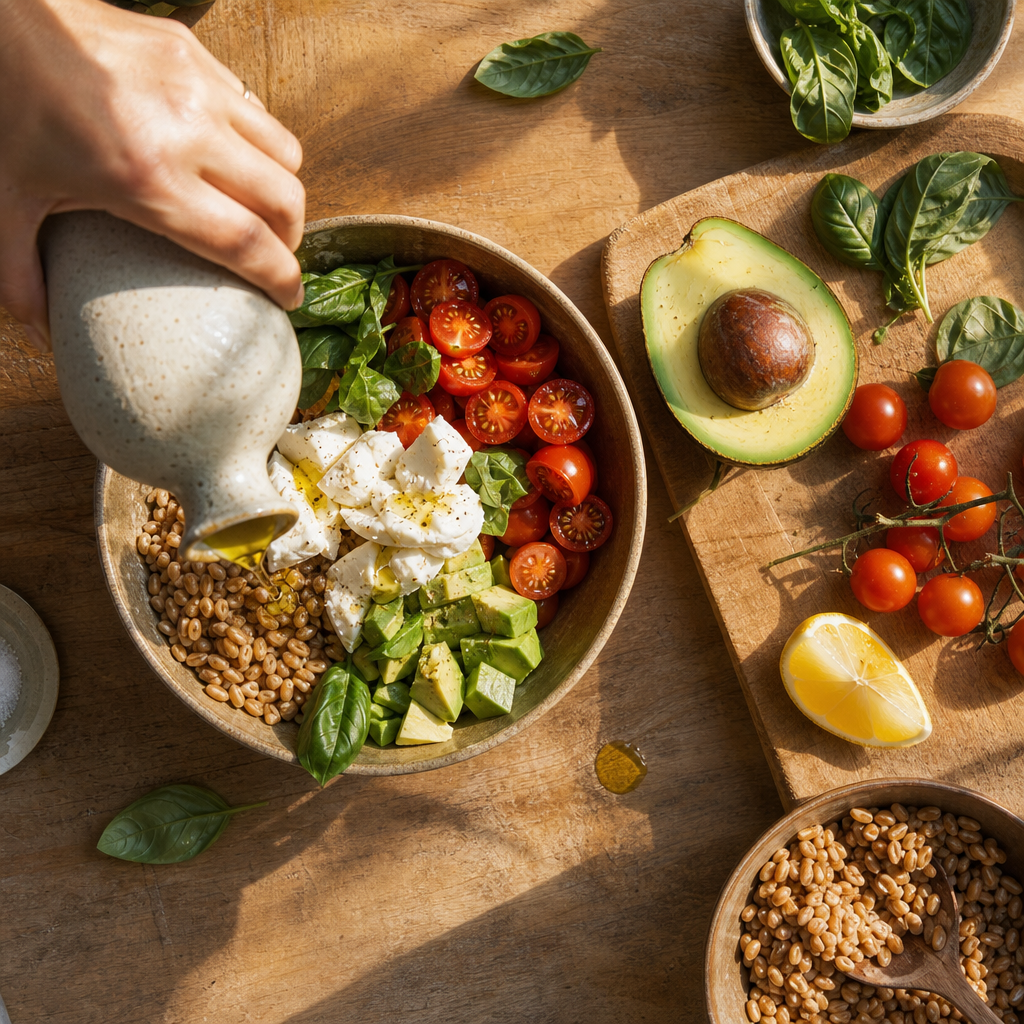
Picture this: It’s a hot summer evening, and you’re craving something delicious for dinner. Maybe a big bowl of pasta, a juicy burger off the grill, or a creamy salad. But if you’re watching your cholesterol, you might wonder if those summer favorites are off the table. Here’s the good news: they’re not. With a few smart swaps and a simple formula, you can enjoy the best of summer while actively supporting your heart health. This guide to low cholesterol recipes will show you exactly how.
Key Takeaways
- Science-backed formula: Every cholesterol-friendly summer dinner follows a simple pattern: veggies + fiber-rich carb + lean/plant protein + healthy fat.
- Know your numbers: Aim for 5-10 grams of soluble fiber daily and keep saturated fat under 20 grams per day (for women).
- Summer swaps work: Small changes to your favorite meals — like using whole-wheat pasta or swapping ground beef for lentils — make a real difference.
- No deprivation needed: These 15 recipes prove that heart-healthy eating is delicious, satisfying, and perfect for summer.
The Science Behind the Recipe: Why Fiber Matters
Let’s be honest: when you hear “low cholesterol recipes,” you might think of bland, boring food. But that’s not what this is about. The real secret to lowering cholesterol through food comes down to two main strategies: eating more soluble fiber and cutting back on saturated fat. Here’s what the science actually says.
Soluble fiber is a type of fiber that dissolves in water and forms a gel-like substance in your gut. This gel traps cholesterol and helps your body excrete it instead of absorbing it into your bloodstream. The evidence is remarkably strong. A large-scale meta-analysis of 181 studies found that soluble fiber significantly lowers LDL cholesterol — by about 8.28 mg/dL on average. Even better, each additional 5 grams of soluble fiber per day reduced LDL by another 5.57 mg/dL. That’s a meaningful change from simply adding more oats, beans, and apples to your plate.
On the flip side, cutting saturated fat is equally important. The NHS recommends women eat no more than 20 grams of saturated fat per day. When you replace those saturated fats (think butter, fatty meats, full-fat dairy) with unsaturated fats (olive oil, avocados, nuts), your LDL levels can drop by 8 to 10 percent. It’s not about eating less fat — it’s about eating better fat.
For more quick ideas on putting these science-backed principles into practice, check out our collection of cholesterol-lowering lunch recipes that make it easy to stay on track.
The Low Cholesterol Recipes Formula: Build Your Own Summer Dinner
Here’s the thing: you don’t need a special recipe book to eat for heart health. Once you know the formula, you can build your own low cholesterol recipes using whatever summer produce you have on hand. Think of it as a simple template:
The Cholesterol-Friendly Summer Dinner Formula
Base of vegetables (grilled zucchini, roasted tomatoes, fresh greens) + Fiber-rich carb (whole-wheat pasta, farro, quinoa, barley, sweet potato) + Lean or plant protein (chicken, fish, tofu, beans, lentils) + Healthy fat (olive oil, avocado, nuts, seeds) = A heart-healthy dinner that’s ready in under 30 minutes.
Now, you might be thinking: “That sounds great, but what does it actually look like on my plate?” Let me show you with 15 specific recipes that follow this exact formula. Each one is packed with summer produce and designed to support healthy cholesterol levels.
15 Low Cholesterol Recipes for Summer Dinners
Soluble Fiber Stars: Recipes with Oats, Barley, Beans, and Lentils
1. High-Fiber Roasted Tomato, Eggplant & Orzo Casserole. This vegetarian one-pan dinner is a fiber powerhouse. Roasting the vegetables at high heat gives them deep, caramelized flavor with almost no effort. Whole-wheat orzo cooks right in the baking dish, soaking up savory broth. The British Heart Foundation notes that 3 grams of beta-glucans daily can help lower cholesterol, and whole-wheat orzo is a great way to start. Finish with creamy feta and fresh basil for a dish that feels indulgent but supports your heart.
2. Tomato-Lentil Ratatouille Skillet. This one-skillet dish combines tender summer vegetables with hearty lentils in a rich tomato base. Precooked lentils keep it quick while adding plant-based protein and soluble fiber. Lentils are an excellent source of fiber, providing a substantial portion of your daily needs in just half a cup. Finished with fresh herbs, it’s a satisfying, vegetable-forward meal that works for busy weeknights.
3. Green Goddess Chickpea Bowl. Chickpeas and quinoa form the fiber-rich base of this vibrant bowl. Top it with an herby green goddess dressing made creamy with Greek-style yogurt and avocado. It’s a satisfying vegetarian dinner that delivers both soluble fiber and healthy fats in every bite.
4. High-Protein Black Bean Salad. Black beans take center stage here, paired with sweet potato, crisp veggies, and a citrusy dressing. This is the perfect no-cook dinner for those scorching summer evenings when you don’t want to turn on the stove. The beans provide fiber and plant protein, while the sweet potato adds beta-carotene and even more fiber.
5. Vegan Superfood Grain Bowls. This nutrient-packed bowl comes together in 15 minutes using convenience shortcuts like prewashed baby kale, microwaveable quinoa, and precooked beets. It’s proof that healthy eating doesn’t require hours in the kitchen. Pack these ahead for easy meal-prep dinners on busy nights.
Healthy Fat Heroes: Recipes with Avocado, Olive Oil, and Nuts
6. Stuffed Sweet Potato with Ground Turkey & Avocado. Tender roasted sweet potatoes are filled with savory ground turkey seasoned with cumin and oregano, then topped with creamy avocado and a dollop of yogurt. The sweet potato provides fiber, the turkey is a lean protein, and the avocado delivers heart-healthy monounsaturated fats. A systematic review of the accumulated evidence found that avocados can effectively lower LDL cholesterol, with a moderate level of evidence.
7. Stuffed Potato with Chicken. A simple baked potato becomes a satisfying meal with rotisserie chicken, salsa, creamy avocado, and tangy Greek-style yogurt. This delivers 31 grams of protein and keeps saturated fat low by using yogurt instead of sour cream and avocado instead of cheese.
8. Tuna & Veggie Grain Bowl. Nutty farro, roasted root vegetables, and canned tuna come together in this balanced bowl. Roasting beets, carrots, and parsnips brings out their natural sweetness, while a quick lemony yogurt sauce adds brightness. Farro is an excellent source of fiber, and tuna provides omega-3 fatty acids that support heart health.
9. Sheet-Pan Roasted Vegetables with Balsamic. Butternut squash, red onion, Brussels sprouts, and broccoli are tossed in a tangy balsamic-Dijon dressing with fresh herbs, then roasted until caramelized and tender. Serve this as a main dish over quinoa or farro for a fiber-rich, antioxidant-packed dinner that’s bursting with summer flavor.
10. Maple-Miso Chicken Thighs, Brussels Sprouts & Spaghetti Squash. Roasted spaghetti squash gets tossed with a maple-miso glaze, creating a noodle-like base topped with juicy chicken thighs and caramelized Brussels sprouts. This sheet-pan dinner is easy enough for a weeknight yet special enough for company.
Lean Protein & Summer Veggie Combinations
11. Pesto Pasta with Peas & Tomatoes. Pasta is cooked alongside frozen sweet peas, then tossed with juicy cherry tomatoes and basil pesto. Use whole-wheat pasta for extra fiber, and make your own pesto with olive oil and nuts for healthy fats. Serve it warm or chilled — it’s perfect for summer picnics and potlucks.
12. Tofu & Zucchini Piccata. This plant-forward take on piccata swaps traditional meat for protein-rich tofu while keeping the bright, lemony caper sauce. Whole-wheat spaghetti and plenty of zucchini add fiber, while garlic, parsley, and olive oil round out the flavors. It’s a 20-minute dinner that feels elegant but is secretly incredibly simple.
13. High-Protein Dill Chicken Orzo. Tender chicken cutlets, whole-wheat orzo, and wilted kale come together in a creamy, lemony herb sauce. Dill and scallions add fresh brightness, while a bold homemade spice blend brings the flavor. This one-pan dinner delivers protein and fiber with minimal cleanup.
14. One-Pot Pasta with Spinach & Tomatoes. Cooking the pasta right in the sauce saves time and cleanup while infusing the noodles with more flavor. This speedy recipe is endlessly adaptable — swap in whatever summer vegetables you have on hand. Use whole-wheat pasta and load up on fresh spinach and cherry tomatoes for a fiber boost.
15. Peppery Barbecue-Glazed Shrimp with Vegetables & Orzo. Shrimp are seasoned with a peppery spice blend and served with zucchini, peppers, and whole-grain orzo. Ready in just 30 minutes, this dish proves that quick summer dinners can be both delicious and heart-healthy. Shrimp are naturally low in saturated fat, making them an excellent choice for cholesterol-friendly eating.
Simple Swaps for Summer Favorites
Now, you might be thinking: “But what about my favorite summer meals? Do I have to give up burgers and pasta salad?” The answer is no — you just need a few smart swaps. Here’s how to transform popular but less healthy summer dinners into low cholesterol recipes you’ll love even more.
Summer Swap Guide
Instead of: A beef burger on a white bun with cheese
Try: A portobello mushroom burger with grilled peppers and balsamic glaze on a whole-wheat bun
Instead of: Creamy pasta salad with full-fat mayo
Try: Whole-wheat pasta salad with pesto, cherry tomatoes, and white beans
Instead of: Fried chicken with potato salad
Try: Grilled chicken with a farro and roasted vegetable salad
Instead of: Cheesy pizza with pepperoni
Try: Whole-wheat flatbread with roasted vegetables, olive oil, and a sprinkle of feta
The key is to focus on what you’re adding — more fiber, more vegetables, more healthy fats — rather than what you’re taking away. When you fill your plate with delicious summer produce and whole grains, there’s less room for the less healthy stuff. And honestly? These swaps taste just as good, if not better.
For more warm-weather inspiration, try these summer salad recipes packed with protein and fiber — perfect for no-cook evenings.
How Much Fiber Do You Really Need?
Let’s get specific about numbers, because vague advice like “eat more fiber” isn’t very helpful. Mayo Clinic recommends 5 to 10 grams of soluble fiber each day to help lower cholesterol. To put that in perspective:
- A bowl of oatmeal (40g oats) provides about 1.4 grams of beta-glucan, a type of soluble fiber
- Half a cup of cooked lentils is rich in soluble fiber, giving you a good start toward your daily goal
- Apples are a good source of soluble fiber, especially when you keep the skin on
- Barley is rich in beta-glucan, a type of soluble fiber that helps lower cholesterol
The good news? When you build your dinners using the formula above — veggies + fiber-rich carb + lean protein + healthy fat — you’ll naturally hit these targets without even trying. With lentils and vegetables, the Tomato-Lentil Ratatouille Skillet is packed with fiber — check the full recipe for specific nutritional information.
Why This Approach Works: Evidence from the Mediterranean Diet
You might notice that all of these recipes share something in common: they follow the principles of the Mediterranean diet. And there’s a reason for that. Research on the Mediterranean diet shows it can lower heart disease risk by nearly 40 percent. A meta-analysis of 57 trials with nearly 37,000 participants found that this eating pattern — rich in olive oil, vegetables, fish, whole grains, and legumes — significantly improves LDL cholesterol, total cholesterol, and triglycerides.
What I find interesting is that the Mediterranean diet isn’t about restriction. It’s about abundance — eating more of the foods that protect your heart and less of the ones that don’t. Every recipe in this collection follows that philosophy. You’re not giving up flavor or satisfaction. You’re simply choosing ingredients that work with your body instead of against it.
Frequently Asked Questions About Low Cholesterol Recipes
Can I still eat eggs and shrimp on a cholesterol-friendly diet?
Yes! This is one of the most common questions, and the answer has changed in recent years. Current research shows that dietary cholesterol (the cholesterol found in food) has much less impact on your blood cholesterol than saturated and trans fats do. Eggs and shrimp are naturally low in saturated fat, making them perfectly fine choices as part of a heart-healthy diet. The key is how you prepare them — poach or boil eggs instead of frying, and grill or bake shrimp instead of breading and deep-frying.
How quickly will dietary changes lower my cholesterol?
Many people start seeing improvements in their cholesterol numbers within a few months of making consistent dietary changes. However, results vary by individual — work with your healthcare provider to monitor your progress. Some people, especially those with genetic conditions like familial hypercholesterolemia, may need medication in addition to diet changes. Always talk to your doctor about the best approach for you.
Do I need to avoid all fats?
Absolutely not. The goal isn’t to eliminate fat — it’s to replace unhealthy fats with healthy ones. Unsaturated fats from olive oil, avocados, nuts, seeds, and fatty fish actually help lower LDL cholesterol and raise HDL (the “good”) cholesterol. The fats to limit are saturated fats (found in red meat, butter, full-fat dairy, and processed foods) and trans fats (found in some fried and packaged foods).
The Bottom Line
Here’s what I want you to take away from this: eating for heart health doesn’t mean eating boring food. Summer is the perfect time to embrace low cholesterol recipes because the season’s best produce — tomatoes, zucchini, peppers, eggplant, fresh herbs — is naturally aligned with what your heart needs. Use the simple formula (veggies + fiber-rich carb + lean protein + healthy fat), aim for 5-10 grams of soluble fiber daily, and keep saturated fat under 20 grams. The 15 recipes here are just a starting point. Once you know the formula, you can create your own cholesterol-friendly summer dinners using whatever looks best at the farmers’ market. Your heart — and your taste buds — will thank you.