

6 High-Protein Dinners Ready in 30 Minutes (One Pot)
You know that 5 PM feeling. You’re tired, the fridge is full of ingredients that don’t go together, and the last thing you want is a sink full of pots. Getting enough protein shouldn’t add to that stress. But here’s the thing — a solid high protein dinner can be the difference between a restful evening and a late-night snack spiral. We’ve combed through the research and the best recipes to bring you a curated guide to high protein dinners that are ready in 30 minutes, use just one pot, and actually taste great. A high protein dinner is one of the simplest ways to support your energy and keep you satisfied through the evening.
Key Takeaways
- Protein at dinner helps you feel full. A systematic review found that protein suppresses hunger hormones and increases fullness — especially at doses of 35 grams or more.
- Spread your protein across the day. Experts recommend eating protein every 3 to 4 hours for best results. A high-protein dinner is a great start, but don’t forget breakfast and lunch.
- One-pot meals make it easy. The best high-protein dinners come together in 30 minutes or less with minimal cleanup — think skillet meals, sheet pan dinners, and one-pot pastas.
- Quality matters. Choose lean proteins like chicken, fish, beans, tofu, and legumes. Limit processed and red meats high in saturated fat.
- 15 grams is a good start, 25-35 grams is better. Aim for at least 15 grams of protein per dinner serving, but 25-35 grams provides stronger satiety and muscle-supporting benefits.
Why Protein Matters at Dinner
Let’s be honest — we’ve all been there. You eat a carb-heavy dinner, feel full for an hour, and then find yourself staring into the pantry at 9 PM. That’s where protein comes in. A 2020 systematic review in Physiology & Behavior found that protein suppresses appetite and increases feelings of fullness by changing your hunger hormones. It lowers ghrelin (the “I’m hungry” hormone) and raises CCK and GLP-1 (the “I’m full” hormones).
The Mayo Clinic notes that high-protein diets help with short-term weight loss by making you feel fuller. But it’s not just about weight. Protein at dinner supports muscle repair and helps you feel full and satisfied through the evening, reducing the urge to snack.
Here’s what’s actually happening: when you eat protein, your body releases hormones that signal “we’re done eating.” A high-protein dinner doesn’t just fill you up — it changes your biology to help you stop eating when you’re full.
How Much Protein Do You Really Need?
The standard recommendation is 0.8 grams of protein per kilogram of body weight. For a 150-pound woman, that’s about 55 grams per day. But here’s the thing — many experts think that’s too low, especially for active women.
The International Society of Sports Nutrition recommends 1.4 to 2.2 grams per kilogram per day for women, with protein evenly distributed every 3 to 4 hours. That means if you’re aiming for 80 grams of protein per day, you’d want about 20-25 grams at each meal.
Research also shows that many older adults don’t get enough protein distributed across meals — and dinner tends to be where protein intake is highest, though many still fall short of recommendations. A high protein dinner can help close that gap, but try to spread your protein intake throughout the day for the best results. Planning a high protein dinner is a smart way to meet your daily needs.
Quick Protein Math
Your weight in pounds ÷ 2.2 = weight in kilograms.
For general health: weight in kg × 0.8 = minimum daily grams.
For active women: weight in kg × 1.4 to 2.2 = optimal daily grams.
Per dinner: aim for 25-35 grams for best satiety and muscle support.
Our Top 6 High Protein Dinners (30 Minutes, One Pot)
We’ve curated the best of the best from the recipe world. These six high protein dinner picks are our top choices because they’re fast, use one pot, and pack serious protein. Each one delivers at least 15 grams per serving — and many provide more. For even more quick high protein meals, check out our collection of 5-minute options.
1. Creamy Garlic Chicken & Zucchini Skillet
Protein: at least 15g | Time: 25 minutes
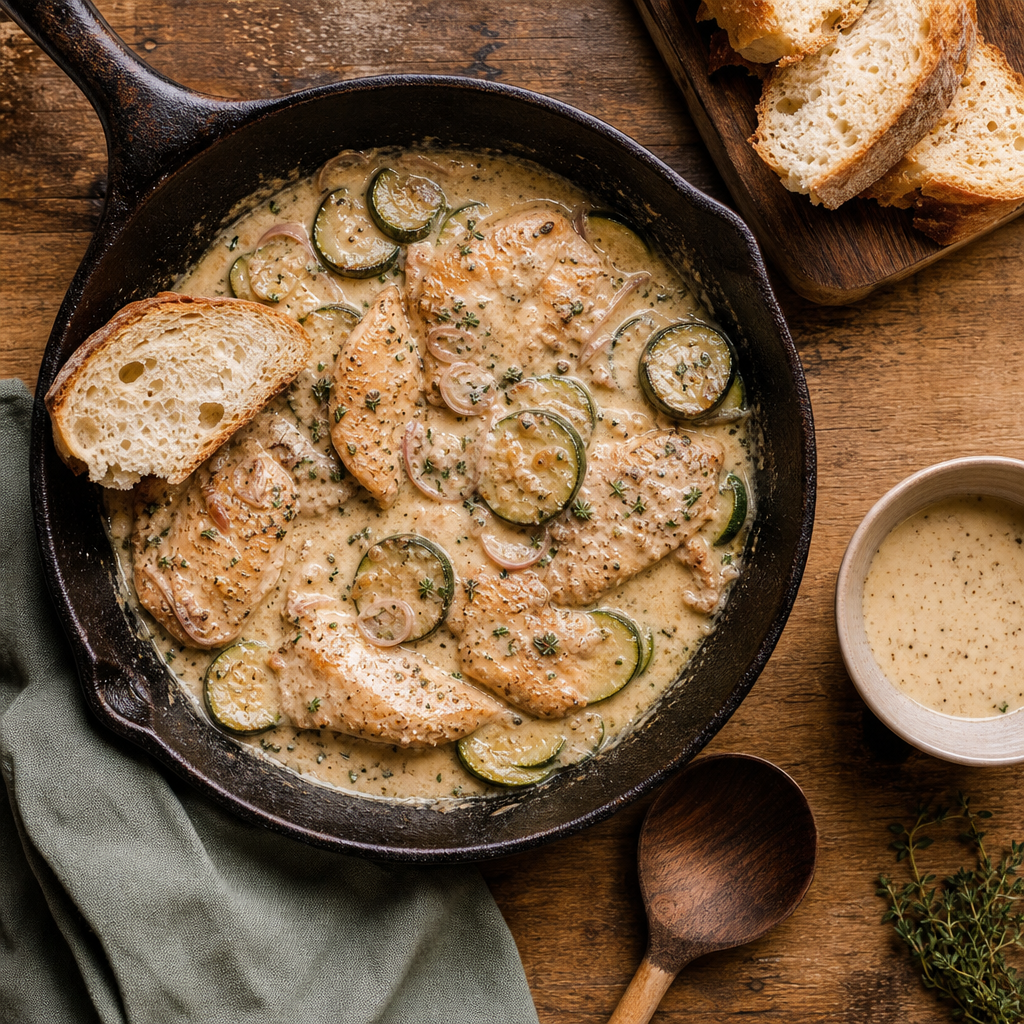
This one is a weeknight hero. Juicy chicken cutlets simmer in a creamy sauce with shallot, broth, and half-and-half, while zucchini adds freshness and fiber. Serve it with quinoa or crusty bread to soak up every bit of that sauce. The best part? It’s all done in one skillet.
2. Ground Turkey & Sweet Potato Skillet
Protein: at least 15g | Time: 25 minutes
Ground turkey, sweet potatoes, and mushrooms come together in one cast-iron skillet for a hearty, savory dinner that’s ready in 25 minutes flat. Sweet potatoes add fiber and vitamin A, while the turkey delivers lean protein. This is comfort food that works for you.
3. High-Protein Enchilada Skillet
Protein: at least 15g | Time: 30 minutes
This plant-based option uses crumbled tofu and black beans for a double dose of protein. Corn tortillas soften into the sauce, and a light sprinkle of cheese melts over the top, adding creamy richness to every bite. It’s proof that a high protein dinner doesn’t need meat.
4. Skillet Steak with Mushroom Sauce
Protein: at least 15g | Time: 25 minutes
When you want something special but don’t have time, this is your answer. The savory pan juices come together with mushrooms, broth, and grainy mustard to create a rich, flavorful sauce that coats every bite. Serve with broccolini and peas for a complete meal in one pan.
5. Chickpeas alla Vodka
Protein: at least 15g | Time: 25 minutes
This ultra-quick, fiber-packed dinner is a game-changer. Chickpeas swim in a creamy vodka sauce with garlic, onion, and baby kale. Serve with crispy whole-wheat bread for dipping. It’s vegetarian, satisfying, and ready before you can order takeout.
6. Honey-Mustard Pork Chops with Potatoes
Protein: at least 15g | Time: 30 minutes
Sweet and tangy honey-mustard sauce drapes over juicy pork chops and tender baby potatoes. Garlic and shallots build savory depth, while a touch of fresh tarragon adds an unexpected bright, herbal note to finish the dish. This one-pan meal feels fancy but takes just 30 minutes.
How to Build a High-Protein Dinner Plate
You don’t need a recipe to make a high protein dinner. Here’s a simple framework you can use with whatever you have on hand:
The High-Protein Dinner Formula
1. Pick a protein source (20-35g): Chicken breast, lean beef, fish, tofu, tempeh, beans, lentils, eggs, Greek yogurt, cottage cheese.
2. Add vegetables (2+ cups): Broccoli, spinach, zucchini, bell peppers, cauliflower, asparagus, kale.
3. Include a complex carb (optional but helpful): Quinoa, sweet potato, brown rice, whole-wheat pasta, lentils (which also count as protein).
4. Add healthy fat (1-2 tbsp): Olive oil, avocado, nuts, seeds, tahini.
The beauty of one-pot meals is that all of these cook together in a single pan. A skillet, sheet pan, or Dutch oven can handle the whole thing.
Smart Ingredient Swaps for Any Diet
One of the best things about high-protein dinners is how adaptable they are. Here are some easy swaps to fit your needs:
- Vegetarian: Swap chicken for tofu, tempeh, or extra beans. Chickpeas and lentils work great in skillet meals. For more plant-forward ideas, check out our roundup of high protein bean dinners ready in 30 minutes.
- Dairy-free: Use coconut milk or cashew cream instead of half-and-half. Nutritional yeast adds cheesy flavor without dairy.
- Gluten-free: Use quinoa, rice, or gluten-free pasta instead of regular pasta or orzo.
- Lower fat: Choose lean cuts of meat, remove skin from chicken, and use less oil. Greek yogurt can replace cream in sauces.
- Budget-friendly: Beans, lentils, eggs, and canned fish are affordable protein sources. Frozen vegetables work just as well as fresh.
Meal Prep Tips for High-Protein Dinners
The secret to actually making a high protein dinner on busy nights is a little prep. Here’s what works:
- Cook proteins in bulk. Grill or bake several chicken breasts, cook a batch of ground turkey, or hard-boil eggs on Sunday. They’ll last 3-4 days in the fridge.
- Chop vegetables ahead. Wash and chop broccoli, bell peppers, onions, and zucchini. Store in airtight containers.
- Make big batches of grains. Cook a large pot of quinoa, brown rice, or farro at the start of the week.
- Keep canned beans and lentils on hand. They’re shelf-stable, protein-rich, and ready in minutes.
- Use your freezer. Double a recipe and freeze half for a future busy night. Most one-pot meals freeze well.
For a complete plan to simplify your routine, our high protein meal prep guide for women has a full weekly plan and shopping list to get you started.
Frequently Asked Questions
Is 15 grams of protein enough at dinner?
It’s a good start, but research suggests 25-35 grams provides stronger satiety and muscle-supporting benefits. If you’re eating 15 grams, try adding an extra serving of beans, chicken, or tofu to bump it up.
Can I get too much protein?
For healthy people, high-protein diets are generally safe. However, the Mayo Clinic notes that very high intakes (especially from red and processed meats) may increase heart disease risk. If you have kidney disease, talk to your doctor before increasing protein.
What if I don’t eat meat?
You can absolutely get enough protein from plants. Beans, lentils, chickpeas, tofu, tempeh, edamame, and quinoa are all excellent sources. Combine different plant proteins (like beans and rice) to get all the amino acids your body needs.
How do I know if I’m getting enough protein?
A simple way to check: aim for a palm-sized portion of protein at each meal (about 20-30 grams for most women). If you feel satisfied for 3-4 hours after eating and don’t crave snacks, you’re likely on the right track.
The Bottom Line
A high protein dinner doesn’t have to be complicated. With one pot and 30 minutes, you can have a satisfying, nutrient-packed meal that supports your energy, satiety, and overall health. The key is choosing quality protein sources, pairing them with vegetables and healthy carbs, and making it a habit.
Start with one of our six curated recipes this week. See how you feel after a high protein dinner — more satisfied, less likely to snack, and ready for a good night’s rest. That’s the power of protein, made simple.