

High-Fiber Overnight Oats: The Formula for 6-13g Fiber
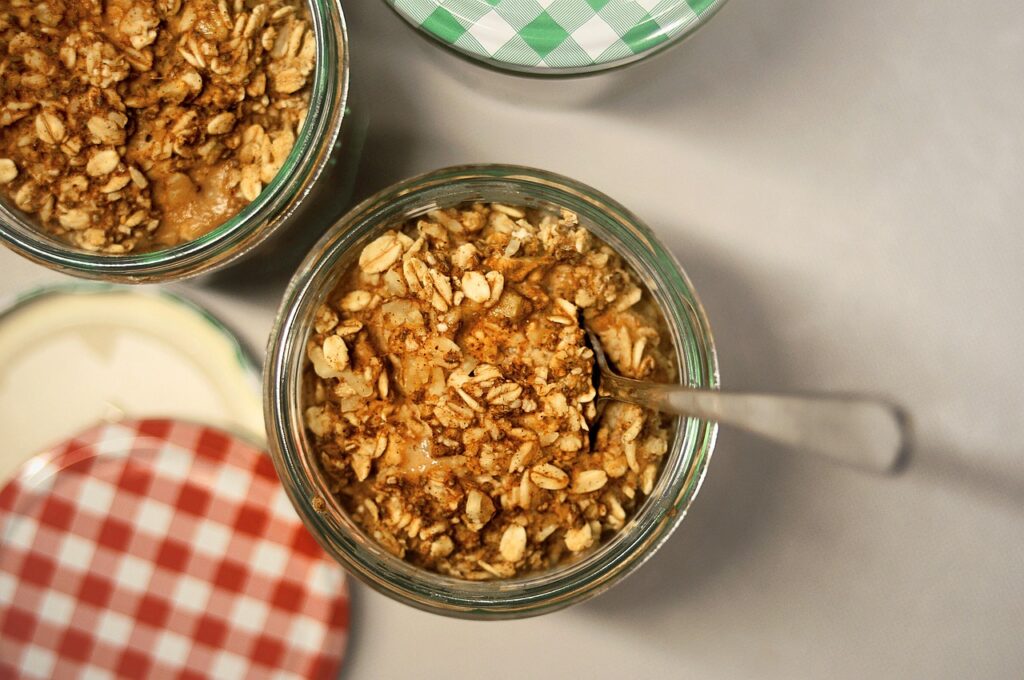
Want to know the single easiest way to close the fiber gap in your day? It starts with breakfast — and high-fiber overnight oats are the perfect vehicle. Most women get only about half of the recommended 25–30 grams of daily fiber. That matters because fiber supports digestion, heart health, and steady energy. Here’s how to build a jar that actually helps you hit your target.
Key Takeaways
- Most women eat only about half of the 25–30g daily fiber target.
- One high-fiber overnight oats jar can deliver 6–13g fiber — up to half your day’s needs.
- The formula: oats + liquid + fiber boosters (chia, flax, berries) + protein.
- Add fiber gradually and drink plenty of water to avoid bloating.
Quick Answer: Are High-Fiber Overnight Oats a Smart Breakfast?
Yes. Overnight oats are a whole-grain base that’s naturally rich in beta-glucan — the cholesterol-lowering fiber in oats. Add chia, flax, and fruit, and you can hit 6–13g of fiber before 9 a.m. That covers up to half of your daily target. Pair it with protein, and you’ll stay full for hours.
Why Fiber at Breakfast Matters So Much
Here’s the thing: fiber is one of the most underrated nutrients in the American diet. A landmark 2019 review in The Lancet — covering nearly 135 million person-years of data — found that eating 25 to 29 grams of fiber per day is linked to lower disease risk, including heart disease, type 2 diabetes, and colorectal cancer. Most of us don’t come close.
Breakfast is the perfect place to start closing the gap. Why? Because it’s the meal you can prep ahead, control, and repeat. A single high-fiber overnight oats jar can deliver 6 to 13 grams of fiber — that’s a quarter to nearly half of your daily target, before you even leave the house.
The American Heart Association notes that whole grains and fiber are part of a heart-healthy diet. Oats are the whole grain that makes this easy. They’re affordable, shelf-stable, and ready in minutes. You don’t need fancy ingredients or complicated tracking to make a real difference.
The High-Fiber Overnight Oats Formula: Build a Better Jar
Now, you might be thinking: “I’ve seen overnight oats recipes before. What’s different here?” The difference is that you’ll learn the formula — not just a recipe. Once you know it, you can build a high-fiber overnight oats jar with whatever you have on hand, and you’ll know exactly how many grams of fiber you’re getting.
Every great jar has four parts:
- The base (4g fiber): ½ cup old-fashioned rolled oats
- The liquid (0–2g fiber): ½–¾ cup milk or plant-based milk
- The boosters (4–8g fiber): chia seeds, ground flax, fresh or frozen berries
- The protein (0–2g fiber): Greek yogurt, nut butter, or hemp seeds
The magic is in step three. That’s where you turn a 4-gram breakfast into a 10+ gram one. Chia seeds alone deliver about 4 grams of fiber per tablespoon. Ground flax adds 2 grams. A half-cup of raspberries adds another 4. Stack them together, and the numbers add up fast.
The Fiber Math: How Much Is Actually in Your Jar?
Let’s get specific. These are the fiber counts for the ingredients you’ll use most. Note: these are based on standard values from USDA FoodData Central, so you can trust them.
Fiber Content Cheat Sheet
- Old-fashioned oats: 4g per ½ cup dry
- Chia seeds: 4g per tablespoon
- Ground flaxseed: 2g per tablespoon
- Raspberries: 4g per ½ cup
- Blackberries: 4g per ½ cup
- Blueberries: 2g per ½ cup
- Banana: 3g per medium fruit
- Apple: 4g per medium fruit
- Pear: 5g per medium fruit
- Peanut or almond butter: 2g per 2 tablespoons
Do you notice the pattern? The fiber superstars are all plant foods. And none of them require cooking. That’s what makes overnight oats so brilliant — the fiber is already there, waiting in your pantry and fridge.
4 TEOHL Recipes That Deliver 6–14 Grams of Fiber
Here’s where the formula comes to life. These high-fiber overnight oats recipes each deliver at least 6 grams of fiber. They’re designed for real mornings — quick to prep, easy to grab, and satisfying enough to carry you to lunch.
1. Raspberry-Chia Greek Yogurt Jar (~14g fiber, ~25g protein)
Ingredients: ½ cup rolled oats, ½ cup milk, ½ cup plain Greek yogurt, 1 tbsp chia seeds, 1 tbsp ground flaxseed, ½ cup raspberries, 1 tsp maple syrup (optional).
Method: Stir all ingredients except raspberries in a jar. Fold in raspberries gently. Refrigerate overnight. This one is a fiber heavyweight — raspberries and chia alone bring 8 grams; oats and flax add 6 more.
2. Apple-Cinnamon Flax Jar (~10g fiber, ~20g protein)
Ingredients: ½ cup rolled oats, ½ cup milk, ¼ cup Greek yogurt, 1 tbsp ground flaxseed, 1 small apple (diced), ½ tsp cinnamon, 1 tbsp peanut butter.
Method: Mix everything except the apple and peanut butter. Top with apple and peanut butter before serving. The cinnamon makes it taste like apple pie — without the sugar crash.
3. Savory Cheddar-Black Bean Jar (~12g fiber, ~22g protein)
Ingredients: ½ cup rolled oats, ½ cup water or broth, ½ cup black beans (rinsed), ¼ cup shredded cheddar, 2 tbsp scallions, pinch of cumin.
Method: Combine everything, refrigerate overnight, and serve cold or warmed. Black beans are the fiber powerhouse here — a half cup adds about 7–8 grams. It’s a lunch-for-breakfast twist that’s surprisingly creamy and delicious.
4. Dairy-Free Tropical Mango-Chia Jar (~10g fiber)
Ingredients: ½ cup rolled oats, ½ cup coconut milk (or any plant milk), 1 tbsp chia seeds, ½ cup mango (diced), 2 tbsp unsweetened shredded coconut, 1 tbsp hemp seeds for protein.
Method: Stir everything together and refrigerate. This one’s naturally sweet, completely dairy-free, and perfect for people who can’t do nuts or yogurt.
Fiber + Protein = Steady Energy All Morning
Let’s be honest: fiber alone won’t keep you full until noon. You need protein too. That’s why every high-fiber overnight oats jar in this guide includes yogurt, nut butter, beans, or hemp seeds.
Research supports this pairing. A 2026 systematic review in Nutrition Reviews found that oat fiber improves feelings of fullness. And a 2020 review in PLoS Medicine found that higher fiber intake improves blood sugar control and cholesterol — benefits seen most clearly in people with diabetes or prediabetes. Protein slows digestion even more. Together, they keep your energy steady and your stomach quiet.
Aim for at least 15–20 grams of protein per jar. That’s roughly ½ cup Greek yogurt plus 1 tablespoon of nut butter. If you use plant milk, add hemp seeds or a scoop of your favorite protein powder.
Overnight Oats vs. Hot Oatmeal: Which Is Better?
You might be wondering: “Can’t I just eat regular oatmeal?” Sure you can. Both are excellent. But there’s a subtle difference worth knowing.
Because overnight oats are uncooked, some research suggests they may retain more resistant starch — a type of fiber that feeds good gut bacteria and may support blood sugar balance. The evidence is modest, and the difference isn’t huge. What matters more is that you choose rolled or steel-cut oats over instant. Instant oats are more processed and often have added sugar. Feel free to enjoy your oats cold or warm — either way, you’re making a solid choice.
Meal Prep: A Week of Jars in 15 Minutes
Here’s what I find interesting: people make overnight oats sound complicated. It’s not. And meal prep is where high-fiber overnight oats really shine. Set aside 15 minutes on Sunday, and you’ll have breakfast ready for the whole week.
- Use 4–5 identical jars with lids.
- Add the dry ingredients first (oats, chia, flax, spices).
- Pour in the liquid and stir well.
- Add wet toppings (yogurt, fruit) in layers.
- Store in the fridge for up to 5 days. Stir before eating.
One tip: if you’re mixing in chia or flax, give the jar a second stir after 5 minutes. The seeds will settle at the bottom otherwise. This little step makes the texture much creamier.
How to Add More Fiber Without the Bloat
Picture this: you go from 10g of fiber a day to 35g overnight. Your gut is not going to be happy. Gas, bloating, and cramps are common when you increase fiber too quickly. That’s completely normal — but totally avoidable.
The NIH recommends adding fiber to your diet gradually to avoid digestive discomfort. Here’s a simple ramp-up plan:
- Week 1: Have a high-fiber overnight oats jar every other day.
- Week 2: Move to daily. Drink plenty of water.
- Week 3: Add more fruit, seeds, or veggies to bump up the grams.
Water matters as much as fiber. Fiber works by absorbing water. Without enough fluids, you’ll feel worse, not better. So drink plenty of water throughout the day, especially as you increase fiber.
Who Should Be Careful?
If you have irritable bowel syndrome (IBS), celiac disease, or a history of digestive issues, talk with your healthcare provider before making big changes. Also note: oats don’t naturally contain gluten. But cross-contamination can happen during growing, milling, or transport. On a strict gluten-free diet, look for a certified gluten-free label on the package. And if you have a nut allergy, swap nut butters for sunflower seed butter or hemp seeds.
Frequently Asked Questions
How long do overnight oats last?
Up to 5 days in the fridge when stored in an airtight container. You can also freeze individual jars for up to 3 months. Thaw overnight in the fridge.
Do I need to grind flax seeds?
Yes. Whole flax seeds pass through your body undigested. Ground flax (flax meal) lets your body actually use the nutrients. Buy it pre-ground or grind whole seeds in a coffee grinder.
Can I eat overnight oats warm?
Absolutely. If cold oats aren’t your thing, microwave the jar for 60–90 seconds. Add a splash of milk after heating to restore the creamy texture.
Are overnight oats better for blood sugar than instant oatmeal?
Rolled and steel-cut oats have a lower glycemic index than instant oats. Adding protein and fiber (chia, flax, yogurt) slows digestion further, which helps keep blood sugar steady.
The Bottom Line
Let’s circle back to where we started. Most women get only half the fiber they need each day. That’s a fixable problem — and breakfast is the easiest place to start. A single jar of high-fiber overnight oats can deliver a quarter to half of your daily fiber target before you’ve even finished your coffee.
Here’s your plan: start with the formula — oats, liquid, boosters, protein. Pick one recipe from this guide and try it this week. Give your gut a few days to adjust, drink plenty of water, and notice how you feel. Then build your own jars with confidence. No nutrition tracking required. Just a jar, a spoon, and 5 minutes the night before. That’s healthy living made simple.