

Healthy Snack Pairings for All-Day Energy
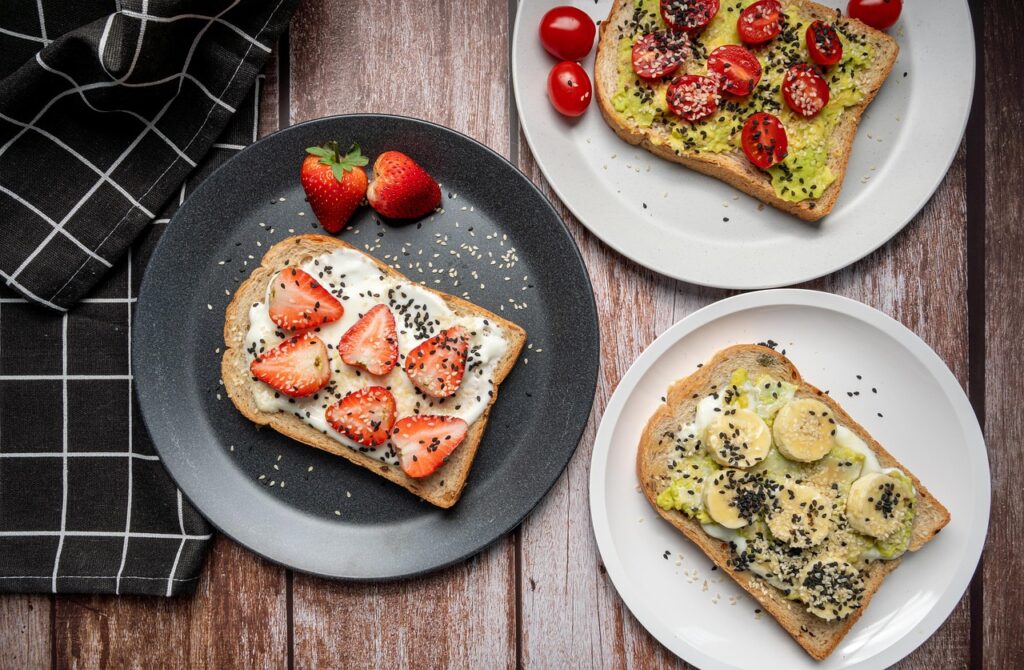
You know the feeling. It’s 3 p.m., your energy is tanking, and you’re staring into the pantry looking for a quick fix. A handful of pretzels or a granola bar might give you a five-minute boost, but an hour later you feel even more tired and hungry. There’s a better way. The secret isn’t just what you snack on — it’s how you pair your foods. Dietitians call it the “trifecta”: protein, fiber, and healthy fats eaten together. And research shows that healthy snack pairings built on this formula can keep your blood sugar steady and your energy levels high for hours.
Key Takeaways
- The Energy Trifecta: The best snacks combine protein, fiber, and healthy fats. This trio slows digestion and prevents blood sugar spikes and crashes.
- Science-Backed Pairings: Research shows that foods higher in protein, fat, and fiber produce a lower glycemic response, meaning steadier energy.
- 5 Dietitian Favorites: From dates with peanut butter to edamame with kiwi, these pairings put the trifecta into practice.
- Smart Snacking Habits: Portion your snacks, eat mindfully, and keep whole-food options on hand for busy days.
The Simple Formula for Snacks That Actually Fuel You
Here’s the thing. When you eat a snack made mostly of refined carbs — like chips, crackers, or cookies — your body breaks it down fast. Your blood sugar rises quickly, then drops just as fast. That drop is what leaves you feeling tired, foggy, and hungry again.
But when you add protein, fiber, and healthy fats to the mix, everything changes. Protein slows down how fast your stomach empties. Fiber blunts the glucose spike. And fat delays carbohydrate absorption. Together, they create a slow, steady release of energy instead of a spike and crash.
This isn’t just dietitian wisdom. Research published in the British Journal of Nutrition found that the glycemic index of foods is negatively correlated with their protein, fat, and fiber content. In other words, the more of these three nutrients a snack has, the lower its impact on your blood sugar. A 2021 randomized trial also showed that snacking on almonds — which provide all three — led to significantly lower blood glucose compared to eating a high-carb snack like sweet biscuits.
Quick Answer: What Makes a Snack Pairing “Healthy”?
A healthy snack pairing combines at least two food groups to deliver protein, fiber, and healthy fats together. Think apple with peanut butter, not an apple alone. The pairing is what stabilizes your energy. The formula is simple: pick one food from each column — Protein + Fiber + Healthy Fat — and you’ve got a snack that works.
5 Dietitian-Approved Healthy Snack Pairings for All-Day Energy
Now let’s put the science into practice. These five pairings come straight from registered dietitians. Each one delivers the trifecta of protein, fiber, and healthy fats — and each one targets a different energy need.
1. Dates + Peanut Butter
This is a favorite pre-workout snack for dietitian Lotta Andonian, MS, RDN. Dates are rich in natural sugars (glucose and fructose), making them a fast source of fuel. The peanut butter adds protein and healthy fat, which slow down the release of those sugars. The result? Quick energy that actually lasts through your workout.
Try it: Stuff 2-3 Medjool dates with a teaspoon of peanut butter each. Sprinkle with a pinch of sea salt. That’s it.
2. Dried Fruit + Nuts (Trail Mix)
Trail mix is a classic for a reason. Nuts and seeds deliver healthy fats, fiber, and protein. Dried fruit provides high-fiber carbohydrates for longer-lasting energy. Together, they stabilize blood sugar and keep you full between meals.
Try it: Make your own mix with almonds, walnuts, dried apricots, and a few dark chocolate chips. Portion into small bags for grab-and-go snacks.
3. Whole-Grain Toast + Avocado + Greek Yogurt
Toast isn’t just for breakfast. Dietitian Amanda Blechman, RD, recommends topping whole-grain toast with smashed avocado and a dollop of Greek yogurt. The yogurt adds protein. The avocado provides healthy fats and fiber. The whole-grain bread brings extra fiber. It’s the trifecta on a plate.
Try it: Toast one slice of whole-grain bread. Top with half a smashed avocado, a spoonful of Greek yogurt, and a pinch of flaky salt. Add red pepper flakes if you like heat.
4. Milk + Fruit
This pairing is almost too simple, but it works. A glass of dairy or fortified soy milk delivers 7-8 grams of protein per cup, plus vitamin B12 — a nutrient involved in energy production. Pair it with a piece of fruit for carbohydrates and fiber, and you have a balanced snack that supports steady blood sugar.
Try it: Next time you grab an apple or a pear, pour a glass of milk to go with it. For a warm option, heat the milk with a dash of cinnamon.
5. Dry-Roasted Edamame + Kiwi
Dietitian Lotta Andonian calls dry-roasted edamame a “unicorn” snack — high in protein, fiber, and iron, with moderate fat and low calories. Pair it with kiwi, and something special happens. Kiwi is packed with vitamin C (64 mg per fruit, or 71% of your daily value). Vitamin C helps your body absorb the plant-based (non-heme) iron from edamame more effectively. Research confirms that vitamin C enhances non-heme iron absorption, which supports oxygen transport in your blood and helps prevent fatigue.
Try it: Keep a bag of dry-roasted edamame in your desk or pantry. Grab a kiwi from the fridge. Peel and eat together for a snack that’s both satisfying and science-backed.
How to Build Your Own Healthy Snack Pairings
You don’t need to memorize a list. Once you understand the formula, you can create your own pairings. Here’s a simple framework:
The Snack Builder
Pick one from each column:
- Protein: Greek yogurt, cottage cheese, hard-boiled egg, edamame, nuts, seeds, turkey slices, milk, tofu
- Fiber: Apple, pear, berries, carrots, celery, whole-grain crackers, oats, dried fruit, bell peppers
- Healthy Fat: Avocado, nut butter, almonds, walnuts, chia seeds, olive oil, dark chocolate
Mix and match. Apple + almond butter. Carrots + hummus. Cottage cheese + berries. Hard-boiled egg + avocado. The possibilities are endless.
More Tips for Smart Snacking
Even the best snack pairings work better when you pair them with good habits. Here’s what the dietitians recommend:
Portion your snacks. It’s easy to overeat straight from the bag. Put your snack on a plate, a napkin, or even your hand. This small step helps you recognize when you’re actually full.
Eat mindfully. When you snack on the go, you barely taste your food. Try to sit down, take a few breaths, and actually enjoy what you’re eating. You’ll feel more satisfied with less.
Keep go-to snacks on hand. Set yourself up for success. Pre-portion trail mix into small bags. Wash and cut veggies on Sunday. Keep hard-boiled eggs in the fridge. When a healthy option is the easiest option, you’ll reach for it naturally.
Choose whole foods most of the time. Dietitians recommend aiming for whole-food snacks about 8 out of 10 times. That doesn’t mean you can never enjoy packaged snacks — but make whole foods your default. An 8-week study comparing whole-food snacks to refined snacks found that the whole-food group had better insulin responses and maintained healthier cholesterol levels.
Frequently Asked Questions About Healthy Snack Pairings
How many calories should a snack be?
There’s no single number that works for everyone. Most dietitians suggest aiming for 150 to 300 calories per snack, depending on your activity level and how long it will be until your next meal. A snack should bridge the gap between meals, not replace one.
What if I’m vegan or dairy-free?
The trifecta works for any diet. For vegan options, try edamame + fruit, almond butter + apple, hummus + veggies, or trail mix. For dairy-free, use fortified soy milk instead of cow’s milk, and choose nut-based yogurts. The formula stays the same — just swap the ingredients.
When is the best time to eat a snack?
The most common energy dip happens between 2 and 4 p.m. That’s a great time for a trifecta snack. You might also need a snack before a workout, after exercise, or if more than 4-5 hours will pass between meals. Listen to your body — if you feel your energy dropping, that’s your cue.
The Bottom Line
Snacking isn’t the enemy. In fact, a well-timed snack can be one of the best tools you have for maintaining steady energy throughout the day. The key is to move beyond the idea of snacking as a mindless habit and start thinking of it as a strategic choice.
Remember the formula: protein + fiber + healthy fats. That’s your Energy Trifecta. Whether you’re reaching for dates and peanut butter before a workout, trail mix for a midday boost, or edamame and kiwi for an iron-rich pick-me-up, the science is on your side. These healthy snack pairings don’t just taste good — they actually fuel your body the way it was designed to be fueled.
Start with one pairing this week. See how you feel. My guess? You’ll notice the difference.