

Gut Microbiome Cancer: What Science Actually Says
Key Takeaways
- Your gut microbiome cancer connection is real — the bacteria living in your gut can influence how well cancer treatments work, for better or worse.
- A high-fiber diet is your most powerful tool. Fiber feeds beneficial gut bacteria that produce short-chain fatty acids, which activate immune cells that fight tumors.
- Probiotics are not one-size-fits-all. Some strains show promise in preclinical studies, but over-the-counter probiotics may actually harm immunotherapy response in some patients.
- Never self-supplement during cancer treatment. Always talk to your oncology team before adding any probiotic or supplement to your routine.
Picture this: you’re doing everything “right” for your health — eating your vegetables, staying active, getting enough sleep. But there’s a hidden world inside your gut that scientists are only beginning to understand, and it may play a bigger role in your long-term health than any single habit. I’m talking about the gut microbiome cancer connection — and it’s one of the most exciting areas of health research right now.
Here’s the thing: the trillions of bacteria living in your digestive tract don’t just help you digest food. They talk to your immune system. They produce chemicals that can either dial inflammation up or down. And emerging research suggests they may influence everything from your cancer risk to how well cancer treatments work. But the science is more complex than any headline can capture.
Let’s explore what we actually know about the gut microbiome cancer connection — and what you can do about it today, without waiting for the research to catch up.
Quick Answer: Can Your Gut Microbiome Really Affect Cancer?
Yes — but not in the way most headlines suggest. The gut microbiome cancer connection works through several pathways: gut bacteria influence inflammation, produce compounds that can either protect or damage cells, and directly affect how your immune system recognizes and fights tumors. The evidence is strongest for the role of diet (especially fiber) in supporting a healthy microbiome that may help cancer treatments work better. The role of probiotic supplements is far less clear and may even be harmful in some contexts.
How Your Gut Talks to Your Immune System
You might be wondering: how do bacteria in my colon have anything to do with cancer anywhere else in my body? The answer is the gut-immune axis — a two-way talk system between your gut and your immune system that scientists are mapping in ever-greater detail.
When your gut microbiome is balanced and diverse, good bacteria produce compounds that support a healthy immune response. But when that balance tips — a state called dysbiosis — things can go wrong. Research explains that a disrupted gut microbiome can fuel cancer through long-term inflammation and by letting harmful bacteria grow that damage DNA and weaken immune defenses.
The key mechanism that’s most relevant to you? Short-chain fatty acids, or SCFAs. Here’s how it works: when you eat fiber-rich foods, your gut bacteria ferment that fiber and produce SCFAs like butyrate, acetate, and propionate. These SCFAs don’t just stay in your gut — they enter your blood and can activate CD8+ T cells, the immune cells trained to find and kill cancer cells. A 2025 review in Current Oncology Reports confirmed that high fiber intake is linked to a lower risk of disease getting worse or death during checkpoint immunotherapy, and that the Mediterranean diet helps the gut bacteria that support this process.
The Short Chain: Fiber → SCFAs → Immune Activation
Think of it as a chain reaction: fiber (from plants, whole grains, beans) → fermentation (by gut bacteria) → short-chain fatty acids (especially butyrate) → CD8+ T cell activation → better immune surveillance against cancer cells. Every step depends on the one before it. That’s why what you eat matters so much.
The Science Behind the Gut Microbiome Cancer Link
Let me tell you about a study that got a lot of people excited — and for good reason. In May 2026, researchers published findings in Cancer Biology & Medicine showing that a common probiotic strain, Bifidobacterium animalis, produces a natural sugar called mannose that appears to help the immune system fight melanoma in mice.
Here’s what they found: when mice with melanoma tumors were given B. animalis orally, their tumors grew more slowly. The bacteria weren’t attacking the tumors directly — they were rallying the immune system. They boosted CD8+ T cell activity. And when researchers removed those T cells from a separate group of mice, the benefits of B. animalis disappeared entirely.
Even more interesting: when B. animalis was paired with anti-PD-1 immunotherapy (a common treatment for melanoma), the combo worked better than either treatment alone. Many people on anti-PD-1 therapy eventually stop responding — finding ways to improve that response is a major focus of cancer research right now.
Now, here’s the part that matters: this is preclinical research. It was done in mice and in lab cell cultures, not in humans. It’s not yet clear if these findings will translate to people or apply to other cancer types. But it shows us where the science is heading — and it reinforces that the gut microbiome cancer connection is real enough that major research centers are investing heavily in it.
What the Evidence Actually Says About Probiotics and Cancer
If you’ve been following health news, you’ve probably seen conflicting headlines. “Probiotics fight cancer!” one week. “Probiotics may cause cancer!” the next. Let me clear up the confusion, because this is where nuance really matters.
The cautionary side: Researchers at MD Anderson Cancer Center — one of the world’s leading cancer centers — found that over-the-counter probiotics may actually harm immunotherapy response. In a small study, patients who took OTC probiotics had less diverse microbiomes and their immunotherapy didn’t work as well. Dr. Jennifer Wargo, a surgical oncologist at MD Anderson, put it plainly: “don’t try this at home.”
Then there’s the pancreatic cancer story. Research has found that Lactobacillus — a genus found in many probiotic supplements and fermented foods — may play a dual role in pancreatic cancer. A 2022 study in Immunity showed that Lactobacillus can suppress anti-tumor immunity in pancreatic cancer by activating a pathway that reduces CD8+ T cell activity. This doesn’t mean fermented foods are bad — it means that probiotic effects are highly context-dependent.
The promising side: Alongside the B. animalis mannose discovery, researchers are creating engineered probiotics designed to boost cancer treatment. A 2026 study in Cancer Immunology, Immunotherapy showed that an engineered Lactococcus lactis strain safely boosted PD-1 blockade in mouse models of colorectal cancer. These aren’t the probiotics you find on a drugstore shelf — they’re precisely designed therapies being tested in clinical trials.
The Bottom Line on Probiotics and Cancer
Probiotics are not universally “good” or “bad.” Their effects depend on the specific strain, the specific cancer type, and the individual’s gut makeup. What helps with melanoma immunotherapy may be neutral or harmful for pancreatic cancer. This is why experts urge caution — and why you should never start a probiotic supplement during active cancer treatment without your oncology team’s input.
Your Practical Action Plan: What to Do Today
Here’s some good news: while the probiotic research is still evolving, there’s plenty you can do right now to support a healthy gut microbiome. These steps are backed by solid evidence and carry no risk.
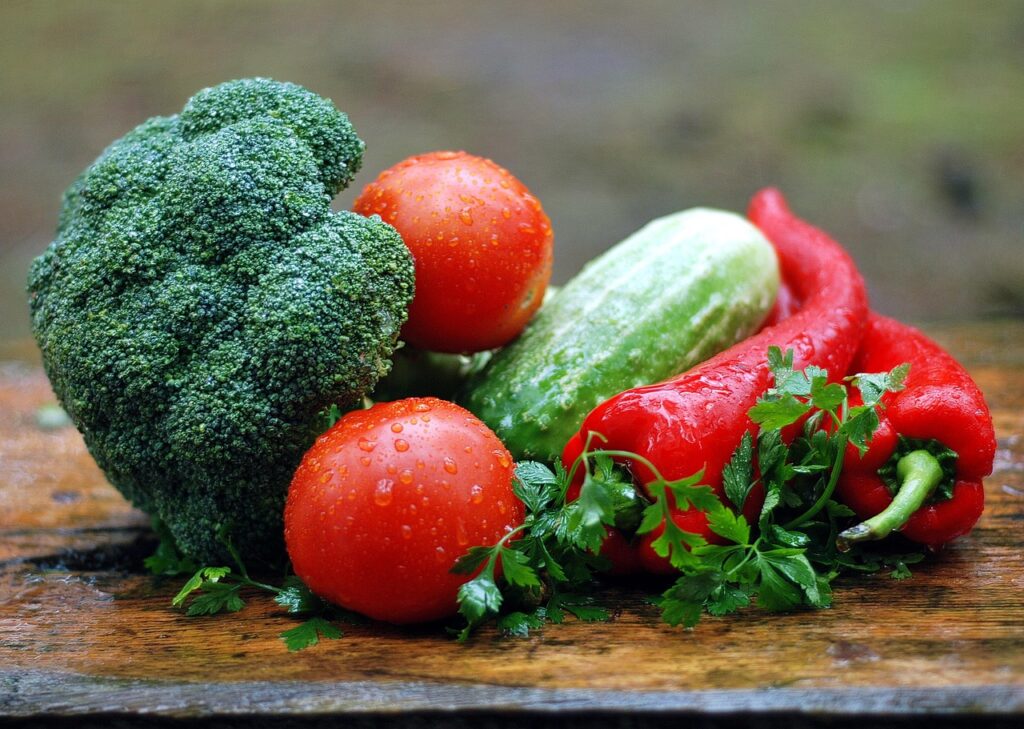
1. Eat more fiber — aim for 50 grams a day. That might sound like a lot, and it is. The average American gets about 15 grams — far below the 25-30g recommended by dietary guidelines. MD Anderson is currently running a clinical trial — the DIET study — testing whether 50 grams of fiber per day from whole foods can help immunotherapy work better in melanoma patients. You can start working toward that target now. Good sources: beans, lentils, oats, berries, apples, broccoli, artichokes, chia seeds, and whole grains.
2. Include fermented foods regularly. Yogurt with live active cultures, kefir, sauerkraut, kimchi, and kombucha all add good bacteria to your digestive system. Just remember: the effect is likely temporary unless you eat them often. A single serving won’t change your microbiome for good — think of it as ongoing care.
3. Eat a rainbow of plant foods. Different plants have different types of fiber and prebiotic compounds. Each type feeds different good bacteria. The more types you eat, the more diverse your microbiome becomes — and diversity is linked to better health outcomes.
4. Be smart about antibiotics. Antibiotics save lives, but they also wipe out good gut bacteria. Research shows that using antibiotics near the start of immunotherapy is linked to worse results. Only take antibiotics when you really need them — and after a course, rebuild your microbiome with fiber-rich foods and fermented foods.
What About the Estrobolome and Breast Cancer?
If you’re concerned about breast cancer specifically, there’s a fascinating piece of the microbiome puzzle you should know about: the estrobolome. This is the set of gut bacteria that break down estrogen. Some bacteria help your body get rid of estrogen, while others can lead to more estrogen in your blood — and estrogen fuels about 70% of breast cancers.
Researchers have found that the gut microbiome looks different in people with and without breast cancer. What they don’t yet know is whether those differences cause cancer or result from it — that’s the classic chicken-and-egg problem. But the biological pathway is clear enough that experts recommend supporting a healthy microbiome as part of an overall breast health plan. The same fiber-rich, plant-based eating pattern that supports general microbiome health also helps healthy estrogen metabolism.
Mediterranean Diet for Microbiome Health
The Mediterranean diet — rich in vegetables, fruits, whole grains, legumes, olive oil, and fish — is one of the best eating patterns for microbiome diversity. It’s high in the fiber that feeds good bacteria, full of polyphenols that fight inflammation, and low in the processed foods linked to dysbiosis. It’s also one of the most studied diets for cancer prevention overall.
Frequently Asked Questions About the Gut Microbiome and Cancer
Should I take probiotics if I have a family history of cancer?
If you’re healthy and not in active cancer treatment, eating probiotic-rich foods like yogurt and kimchi is generally safe. But there’s no proof that probiotic supplements lower cancer risk. The gut microbiome cancer evidence points more strongly to fiber-rich whole foods. Focus on those — that’s where the science is strongest.
How long does it take to change your microbiome through diet?
Studies suggest that diet changes can start to shift your gut microbiome within days to weeks. But lasting change needs consistency — your microbiome tends to go back to its starting point when you stop. Think of it like exercise: the benefits add up with continued effort.
Can probiotics from food give the same benefits as the studied strains?
Not necessarily. The B. animalis strain used in the melanoma study is a specific strain, and it’s hard to know how much reaches your gut from eating yogurt. Most probiotic bacteria from food don’t settle in your gut permanently — they pass through. That doesn’t mean fermented foods aren’t good for you, but you can’t assume the same effects as controlled lab studies.
I’m going through cancer treatment. Should I stop eating fermented foods?
This is a question for your oncology team. In general, whole foods like yogurt and sauerkraut are considered safe, but every treatment plan is different. Some chemo regimens require diet limits. And remember the MD Anderson finding: OTC probiotic supplements were linked to worse immunotherapy results. Always tell your care team everything you’re eating and taking.
The Bottom Line
The gut microbiome cancer connection is real, and it’s powerful. But it’s also more complex than any single headline can capture. The exciting research on B. animalis and mannose shows us where the science is heading — toward a future where specific probiotic therapies might be used alongside standard treatments. But we’re not there yet.
What you can do right now, with complete confidence, is eat a high-fiber, plant-rich diet that supports a diverse and healthy microbiome. Aim for 50 grams of fiber a day from whole foods. Include fermented foods for their general health perks. Avoid unnecessary antibiotics. And if you’re undergoing cancer treatment, talk to your oncology team before adding any supplements.
Your gut microbiome is one of the most changeable parts of your health. You don’t need to wait for the science to settle to start taking care of it.