

12 Diabetes Breakfast Recipes Ready in 15 Minutes
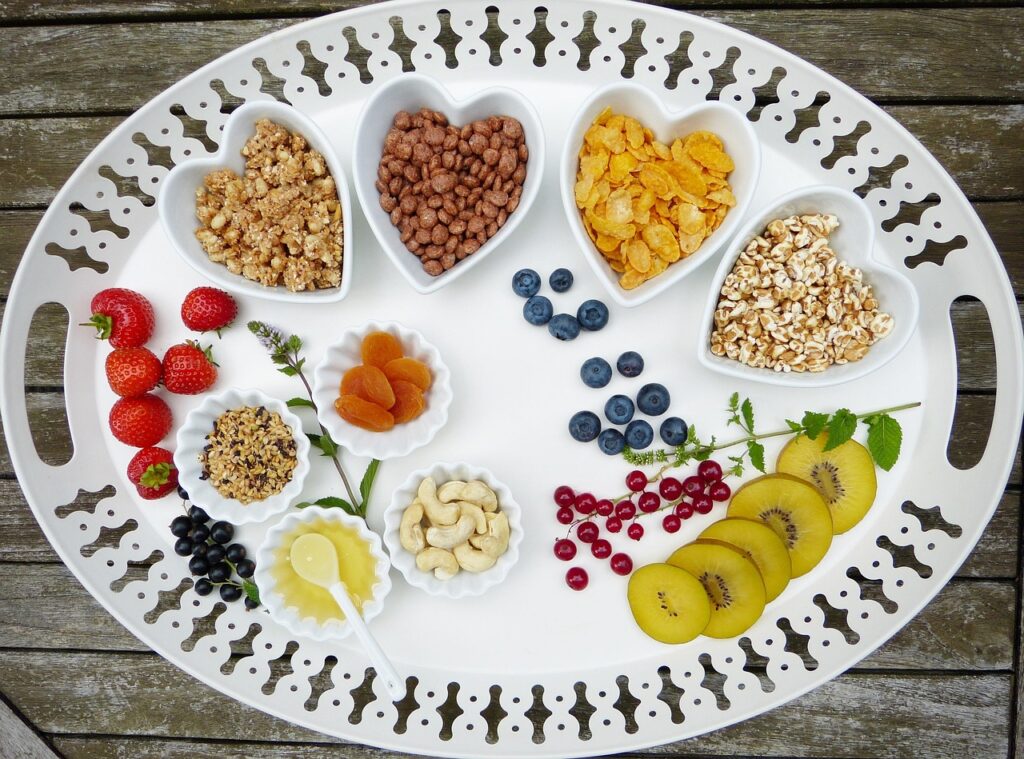
You know that feeling when you skip breakfast, and by mid-morning you’re ravenous? For anyone managing diabetes or prediabetes, that hunger isn’t just uncomfortable — it can actually spike your blood sugar later in the day. Research shows that skipping the morning meal disrupts your body’s natural rhythm and leads to higher glucose spikes after lunch. But here’s the good news: a balanced breakfast with protein, fiber, and healthy fat can keep your blood sugar steady all morning. That’s where these diabetes breakfast recipes come in. We’ve curated 12 delicious options that take 15 minutes or less, so you can start your day strong — even on your busiest mornings.
Key Takeaways
- Skipping breakfast disrupts blood sugar: Studies show it raises fasting glucose and causes larger spikes after later meals.
- Protein is your friend: A protein-rich breakfast helps stabilize glucose and reduce cravings. Two eggs give you about 12g of protein; a cup of Greek yogurt gives about 20g.
- Keep carbs moderate: Many diabetes-friendly breakfasts keep carbs around 30g or less, but your ideal target depends on your medications, activity level, and how your body responds — work with your healthcare team to find your range.
- Meal prep saves mornings: Freezer-friendly options like grain bowls and egg muffins make healthy breakfasts effortless.
- Timing matters: Eat breakfast at a consistent time each day and allow 2-3 hours between meals for best glucose control.
The Science of Breakfast and Blood Sugar
Let’s be honest — mornings are hectic. It’s tempting to grab coffee and run out the door. But here’s what the science actually says about skipping breakfast when you have diabetes.
A 2024 systematic review of 13 studies found that skipping breakfast disrupts your body’s natural circadian rhythm. This means your blood sugar regulation gets thrown off for the entire day. Another clinical study showed that people with type 2 diabetes who skipped breakfast had fasting glucose levels about 24 mg/dL higher. Their post-lunch glucose spikes were also significantly worse — 214 mg/dL compared to 175 mg/dL when they ate breakfast.
Why does this happen? When you skip breakfast, your body releases more glucagon — a hormone that tells your liver to release stored sugar. This leads to higher blood sugar later, even if you eat a healthy lunch. The American Diabetes Association recommends eating at regular times and giving your body 2-3 hours between meals for glucose to stabilize.
Now, you might be thinking: “But I’m just not hungry in the morning.” That’s completely normal. Your body may need time to adjust. Start with something small — a protein shake or a hard-boiled egg — and gradually build up to a full breakfast.
What Makes a Breakfast Diabetes-Friendly?
Here’s the thing: not all breakfasts are created equal when it comes to blood sugar. A sugary cereal or a plain bagel will send your glucose soaring. But a balanced breakfast with the right mix of nutrients can keep you steady until lunch.
The NIH’s NIDDK recommends the plate method: half your plate with non-starchy vegetables or fruit, a quarter with fiber-rich carbs, and a quarter with protein. For breakfast, this might look like scrambled eggs (protein) with spinach (veggies) and a slice of whole-grain toast (carbs).
Building Your Diabetes-Friendly Breakfast
Protein: Eggs, Greek yogurt, cottage cheese, tofu — a 2026 study in Diabetologia found that a protein-rich breakfast improves glucose control and reduces cravings. For reference, two eggs provide about 12g of protein, and a cup of Greek yogurt provides about 20g — aim for roughly 15-25g as a starting point, and work with your healthcare team to find what works for you.
Fiber: Berries, chia seeds, oats, vegetables — helps slow down how fast your body absorbs carbs.
Healthy Fat: Avocado, nuts, seeds, olive oil — adds satiety and supports steady energy.
Carbs: Whole grains, fruit, legumes — many diabetes-friendly recipes keep this moderate, but your ideal amount depends on your activity, medications, and how your body responds. Work with your healthcare team to find your target.
A recent 2026 study in Diabetologia found that a high-protein breakfast (especially with dairy) improved blood sugar control and reduced hunger and sweet cravings by 15-20%. Participants also saw their “time in range” — the amount of time their blood sugar stayed in a healthy zone — increase by 9%.
Grab-and-Go Diabetes Breakfast Recipes
Some mornings, you barely have time to breathe, let alone cook. These recipes come together in 5 minutes or less and travel well.
Chocolate-Strawberry Protein Shake
Blend creamy Greek yogurt with unsweetened soy milk, frozen strawberries, and a spoonful of cocoa powder for a rich, chocolatey shake that needs no sweetener. A few ice cubes make it frosty and refreshing. This shake is high in protein and fiber, with natural sweetness from the fruit.
Raspberry-Banana Yogurt Parfait
Layer plain Greek yogurt with fresh or frozen raspberries, a few banana slices, and a sprinkle of toasted pecans in a mason jar. The yogurt provides protein and probiotics, while the fruit and nuts add fiber and healthy fats. It’s a protein-rich, fiber-packed start that keeps you full.
High-Protein Orange-Mango Flaxseed Shake
Blend a peeled mandarin orange, frozen mango chunks, plain Greek yogurt, a tablespoon of ground flaxseed, and water or unsweetened almond milk. The yogurt gives it staying power, the fruit adds natural sweetness, and the flaxseed brings fiber and omega-3s. It’s a protein-rich, fiber-packed breakfast in a glass.
Watermelon-Peach Smoothie
Perfect for warm mornings. Blend fresh watermelon chunks with frozen peach slices and a scoop of unflavored protein powder or a dollop of Greek yogurt for extra protein. No added sugar needed — the fruit provides all the sweetness. It’s light, refreshing, and packed with fiber and protein.
Savory Diabetes Breakfast Recipes
If you’re not a sweet breakfast person, you’re in good company. Savory options are naturally lower in carbs and higher in protein and vegetables.
Egg, Tomato & Feta Breakfast Pita
Scramble one or two eggs with diced tomatoes and a sprinkle of za’atar — a Middle Eastern spice blend that adds flavor without extra sodium. Stuff the mixture into a warm whole-wheat pita and top with crumbled feta cheese. It’s a protein-rich, savory option that comes together in minutes.
Lentil & Goat Cheese Toast
Spread creamy goat cheese on a slice of toasted whole-grain bread. Top with warm cooked lentils (canned works great — just rinse first) and a sprinkle of chopped walnuts. The lentils add fiber and plant protein, while the walnuts bring healthy fats and crunch. It’s a fiber-packed, protein-rich breakfast that’s ready in 5 minutes.
BLT Breakfast Sandwich
Toast two slices of whole-wheat or sourdough bread. Layer with cooked turkey bacon, fresh lettuce, tomato slices, and a thin spread of avocado or light mayo. Turkey bacon gives you that savory, smoky flavor with less saturated fat than regular bacon. It’s a protein-rich, satisfying breakfast that feels like a treat.
Spinach & Egg Scramble with Raspberries
Sauté a handful of fresh spinach in a pan until wilted, then pour in two beaten eggs and scramble until just set. Serve alongside a handful of fresh raspberries and a slice of whole-grain toast. The combination of protein, fiber, and antioxidants makes this a powerhouse start to your day.
Savory Oatmeal with Tomato & Sausage
Cook rolled oats in low-sodium chicken or vegetable broth instead of water for a savory base. Top with crumbled cooked turkey sausage, halved cherry tomatoes, and a handful of fresh arugula or spinach. The oats provide fiber, while the sausage adds protein to keep you full. It’s a fiber-packed, protein-rich twist on a classic breakfast.
Make-Ahead Diabetes Breakfast Recipes
The secret to stress-free mornings? Prep ahead. These recipes are designed for batch cooking and freezing.
Breakfast Sausage Grain Bowl
Cook a big batch of quinoa and turkey breakfast sausage at the start of the week. Portion into freezer-safe containers with roasted bell peppers and onions. In the morning, just reheat and top with a sprinkle of cheese or a dollop of Greek yogurt. It’s a protein-rich, fiber-packed breakfast that’s ready in minutes. If you’re watching your carb intake, use a smaller portion of quinoa and add extra vegetables.
He Bao Dan (Pocket Eggs with Soy-Sesame Sauce)
This popular Chinese breakfast dish features eggs fried until the whites are crispy and the yolks are still runny. Whisk together soy sauce, a splash of rice vinegar, sesame oil, and black sesame seeds for the sauce. Drizzle over the eggs and serve with a small portion of steamed rice or cauliflower rice. It’s a protein-rich, savory option with bold flavors.
Feta, Egg & Olive Pita
Poach an egg until the yolk is jammy. Stuff a warm whole-wheat pita with the egg, crumbled feta, sliced Kalamata olives, chopped cucumber, and a dollop of plain Greek yogurt. The combination of protein from the egg and yogurt, plus healthy fats from the olives and feta, makes this incredibly satisfying and protein-rich.
Breakfast Salad with Egg & Salsa Verde Vinaigrette
Yes, salad for breakfast — and it’s surprisingly delicious. Toss 3 cups of mixed greens with cucumber, bell pepper, and a simple salsa verde vinaigrette (store-bought or homemade). Top with a poached or soft-boiled egg. The egg adds protein and healthy fat, while the vegetables deliver a massive dose of fiber and nutrients first thing. It’s a fiber-packed, protein-rich way to start your day.
Pantry Staples for Effortless Diabetes Breakfasts
Keep these items on hand, and you’ll never be stuck without a healthy breakfast option.
Your Diabetes Breakfast Pantry
Proteins: Eggs, Greek yogurt, cottage cheese, tofu, turkey sausage, canned lentils (rinsed)
Fiber-rich carbs: Rolled oats, quinoa, whole-grain bread, chia seeds, ground flaxseed
Healthy fats: Avocado, almonds, walnuts, pecans, sesame seeds, olive oil
Fruits & veggies: Frozen berries, spinach, tomatoes, bell peppers, avocado, lemons
Flavor boosters: Za’atar, everything bagel seasoning, salsa verde, soy sauce, sesame oil
Frequently Asked Questions
How much protein should I eat at breakfast?
Recent research, including a 2026 study in Diabetologia, suggests that a protein-rich breakfast helps stabilize blood sugar and reduces cravings throughout the day. For reference, two eggs provide about 12g of protein, and a cup of Greek yogurt provides about 20g — aim for roughly 15-25g as a starting point, and work with your healthcare team to find what works for you.
What if my blood sugar is already high in the morning?
This is called the dawn phenomenon, and it’s common. Don’t skip breakfast — it can make things worse. Instead, choose a very low-carb option like eggs with vegetables. Test your blood sugar 1-2 hours after eating to see how your body responds, and talk to your healthcare team about adjusting your evening medication or snack routine.
Can I have coffee before breakfast?
Yes, but be mindful. Black coffee is fine, but adding sugar or cream can affect your blood sugar. Some people find that caffeine temporarily raises glucose. If you take diabetes medication, check with your doctor about the best timing for your morning coffee relative to your meds and meal.
What if I’m doing intermittent fasting?
Some research suggests time-restricted eating (eating within a 10-hour window) can help with weight loss and blood sugar control. However, a 2024 systematic review found that skipping breakfast specifically may disrupt circadian glucose regulation. If you choose to fast, work with your healthcare team to find a pattern that works for your body and your medication schedule.
The Bottom Line
Here’s what it comes down to: breakfast isn’t just another meal when you have diabetes. It’s a tool for steady blood sugar all day long. The science is clear — skipping breakfast leads to higher glucose spikes, more cravings, and worse overall control.
But you don’t need complicated recipes or expensive ingredients. These diabetes breakfast recipes prove that a balanced, blood-sugar-friendly breakfast can be quick, delicious, and totally doable — even on your busiest mornings.
Start with one recipe this week. See how your body feels. Notice if your energy stays steady and your cravings drop. That’s the power of a breakfast built for your health.