
Bamboo Shoots: The Superfood Pandas Have Known About All Along (And What Science Just Confirmed)
Pandas might be onto something. While most of us know bamboo as panda food or sustainable furniture material, a 2026 review in Advances in Bamboo Science just confirmed what Asian communities knew for centuries. Bamboo shoots pack serious nutrition.
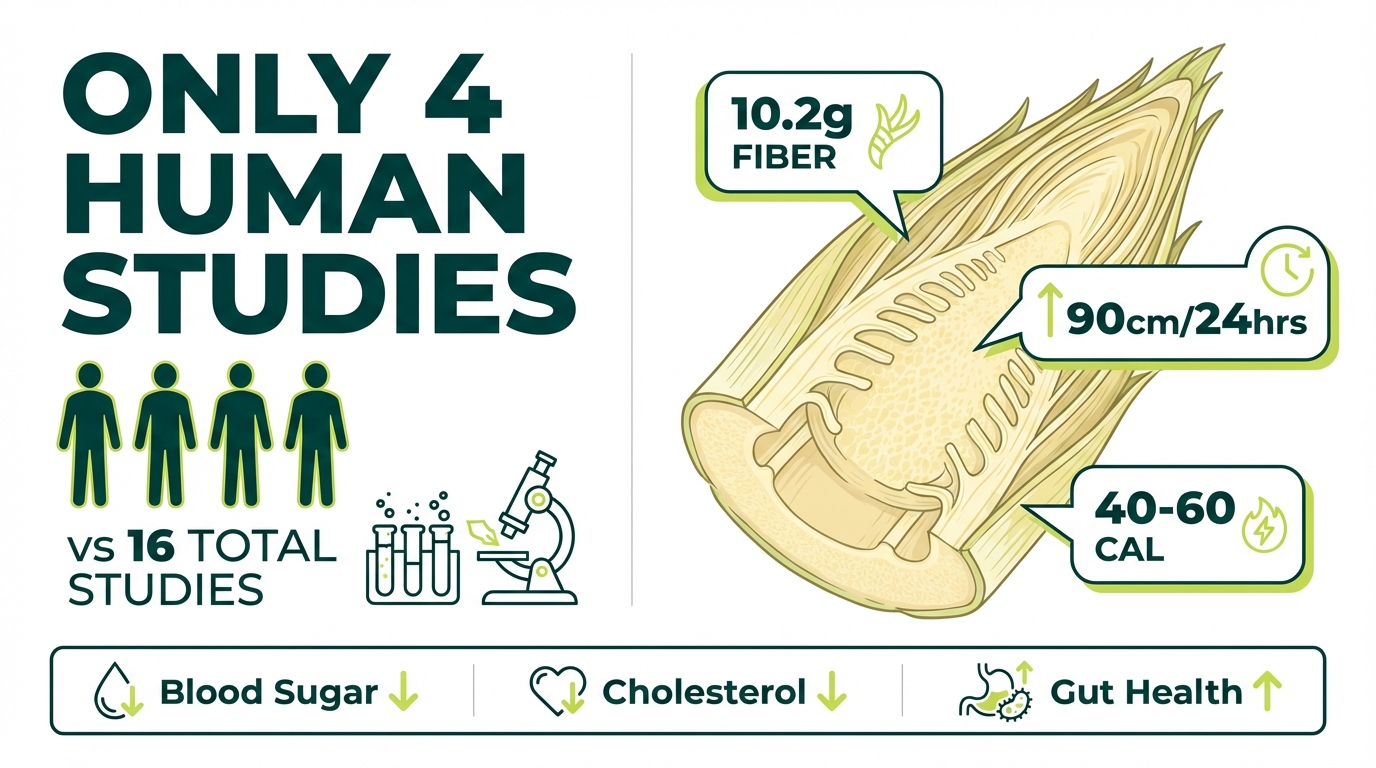
Before you rush to your next grocery run, know this important fact. Only four human studies have tested bamboo’s health claims. Four. That’s it. Early evidence looks promising for blood sugar and gut health, yet we’re far from the full picture.
Those four studies paint an intriguing picture when combined with lab research and centuries of traditional Asian use. bamboo shoots are surprisingly nutritious, good for the environment, and widely available. You just need to know where to look and how to prepare them safely.
Quick Answer: Are Bamboo Shoots Actually a Superfood?
Bamboo shoots show promise for blood sugar, cholesterol, and gut health. But research is limited to just four human trials. Rich in fiber, protein, and antioxidants, they’re naturally low in calories and fat. They’re also good for the environment. Raw bamboo contains cyanide compounds and must be properly cooked. Think of them as an addition to a whole foods diet, not a magic bullet.
What Bamboo Shoots Actually Taste Like (For the Uninitiated)
Never eaten bamboo shoots? Imagine a cross between asparagus and water chestnuts. Mild, slightly sweet, and refreshingly crunchy when cooked right. Texture is what makes them shine. Firm enough for stir-fries and soups, yet tender enough to absorb flavors.
Fresh bamboo shoots have subtle earthiness that disappears almost entirely in canned versions. Think of fresh shoots like garden asparagus versus mushy canned stuff. Flavor doesn’t dominate a dish. Instead, it adds texture and a clean vegetal note.
Canned varieties tend to be blander with a slightly metallic taste from processing. Most Americans encounter this version first. Still useful for adding bulk and nutrition, but don’t expect much flavor on their own. Fresh shoots harvested young and cooked within days offer a different experience. Crisp, lightly sweet, and genuinely delicious.
The 2026 Study Everyone’s Citing (And Its Limitations)
Researchers at Anglia Ruskin University analyzed every published study on bamboo shoots as food. Their review examined 16 studies total. This mix included human trials, lab work on human cells, and nutrition analyses.
Promising findings included better blood sugar control in people who ate bamboo shoots. Cholesterol levels improved, linked to lower heart risk. Bowel function got better from the high fiber. Lab studies showed strong antioxidant properties and possible gut bacteria benefits. Bamboo might support gut health by feeding good bacteria.
Here’s where we need to pump the brakes. Of those 16 studies, only four involved actual humans eating bamboo shoots and measuring health results. Four studies barely establish a pattern. This isn’t enough to prove bamboo deserves superfood status.
Professor Lee Smith led the review and was refreshingly honest about this limit. He stated they “could only find four studies with human participants that met our criteria.” Additional high-quality human trials are necessary before we make firm recommendations. This kind of scientific honesty matters in a wellness landscape flooded with overhyped supplements and miracle foods.
What the research tells us with reasonable confidence: bamboo shoots won’t hurt you when properly prepared. They provide genuine nutrition. Early evidence suggests several health benefits worth investigating further. What it doesn’t tell us: best serving sizes, long-term effects, or how bamboo compares head-to-head with other vegetables in controlled trials.
Health Benefits That Actually Have Science Behind Them
Blood Sugar Regulation That Shows Up in Studies
Several of the four human trials reported improved blood sugar control after eating bamboo shoots. One study of eight healthy young women found that eating 360 grams of bamboo shoots for six days improved their response to carbs.
Why this works makes sense. Bamboo shoots contain multiple types of fiber including cellulose and lignin. These fibers slow sugar absorption into your bloodstream. This prevents sharp spikes that trigger insulin surges and crashes.
Similar to how certain natural compounds help stabilize blood glucose throughout the day, bamboo fiber does the same work.
For women over 40 dealing with increasing insulin resistance, this fiber-based control becomes particularly relevant. Strategies that work for overnight blood sugar stability apply here too. Slow, steady absorption beats rapid spikes every time.
Heart Health Through Cholesterol Management
That same human trial showed measurable improvements in cholesterol profiles. Women who consumed bamboo shoots as their primary fiber source saw total cholesterol and LDL (bad cholesterol) decrease compared to those on a fiber-free diet.
Plant compounds in bamboo shoots help explain this effect. These substances compete with dietary cholesterol for absorption in your intestines. They effectively block some cholesterol from entering your bloodstream. Think of them as tiny bouncers at an exclusive club, limiting how much cholesterol gets through.
For women navigating metabolic changes after 40, managing cholesterol through diet becomes increasingly important. Heart disease risk rises with declining estrogen levels.
Gut Health and Digestive Function
Bamboo shoots shine brightest here: digestive health. With up to 10.2 grams of fiber per cup (cooked), they deliver serious bulk. Research on bamboo fiber showed it improved gut bacteria in ways that boosted metabolism.
Fiber doesn’t just add bulk. It acts as food for good bacteria in your gut. Studies on fermented bamboo shoots revealed strong effects on gut health. Fermented varieties aren’t common in Western markets though.
Struggling with bloating or irregular digestion? A mix of fiber types in bamboo shoots can help regulate bowel function. This happens without the harsh effects of fiber supplements. Human trial participants saw increased bowel movements and volume. Unglamorous but genuinely helpful for digestive health.
Antioxidant Power (With Realistic Expectations)
Lab studies show bamboo shoots contain about 670 milligrams of compounds per cup with strong antioxidant activity. Similar to compounds in other overlooked plant foods, they help fight free radicals. These contribute to cell aging and chronic disease.
Reality check time. Antioxidant activity in a petri dish doesn’t automatically translate to anti-aging effects in living humans. Your digestive system breaks down these compounds before they reach your bloodstream. We lack long-term studies showing whether eating bamboo shoots actually slows aging or prevents disease.
What we can say with confidence: bamboo shoots provide selenium, a strong antioxidant mineral. Also vitamins E, B6, and various compounds that support cell health. For women concerned about maintaining vitality as they age, these nutrients support overall defenses. No need to believe in miracle cures.
How Bamboo Shoots Stack Up Against Other Superfoods
Let’s be real about how bamboo compares to vegetables already in your rotation. Here’s an honest nutrition comparison based on one-cup servings (cooked):
Protein content: Bamboo shoots provide about 2.5 grams per cup. More than asparagus (2.9g) or green beans (2g). Far less than edamame (17g) or lentils (18g). A decent vegetable protein source, not a replacement for beans or tofu.
Fiber power: At 10.2 grams per cup, bamboo shoots beat kale (2.6g), spinach (4.3g), and even Brussels sprouts (4g). Truly impressive here. They rival some whole grains for fiber density.
Calorie efficiency: With just 40-60 calories per cup (depending on prep), bamboo shoots deliver high volume and fullness for minimal caloric cost. Great for anyone following macro-focused eating plans.
Vitamin and mineral profile: Bamboo provides potassium (640mg per cup, like a medium banana), copper, and B vitamins. Not a vitamin powerhouse compared to leafy greens though. Those dominate for vitamins A, C, and K.
Environmental sustainability factor: Bamboo pulls ahead dramatically here. Some species grow up to 90 centimeters (three feet) in a single day. Minimal water needed once established. No pesticides required due to natural germ-fighting compounds. From an environmental view, bamboo beats nearly every other vegetable in efficiency.
Bottom line: bamboo shoots won’t replace kale as a vitamin powerhouse or quinoa as a protein source. But they excel at delivering high-fiber, low-calorie bulk with real metabolic benefits. A helper player, not a star trying to do everything.
The Safety Truth: Cyanide, Thyroid Issues, and Proper Preparation
This part sounds scary but is actually manageable. Raw bamboo shoots contain compounds that release cyanide when eaten. Before you panic and close this tab, know that proper cooking removes this risk entirely.
Traditional prep methods developed over centuries in Northeast India solve this problem through boiling. Harmful compounds break down when shoots are peeled, boiled for at least 20 minutes, then cooked normally.
Canned bamboo shoots from grocery stores are already fully processed and safe. You can eat them straight from the can. Makers handle the boiling and processing for you.
Thyroid concerns are more nuanced. One study found higher rates of goiter in schoolchildren who ate bamboo shoots regularly. This happened even in areas with enough iodine. Compounds in bamboo can interfere with thyroid hormone when eaten in large amounts without proper prep.
Solution? Use properly prepared bamboo shoots (always boiled first if fresh). Don’t make them your only vegetable. Have thyroid issues? Talk to your doctor about bamboo. For most people eating normal portions occasionally, this isn’t a concern. Similar to broccoli. Cruciferous vegetables contain compounds that affect thyroid but remain safe for normal eating.
Where to Buy and How to Prepare Bamboo Shoots
Finding Bamboo Shoots
Canned bamboo shoots are your easiest entry point. Look in the Asian foods aisle at regular grocery stores, or in any Asian market. Brands like Dynasty, Native Forest, and Reese are widely available. Expect to pay $2-4 for a 14-ounce can. Pre-cooked and safe to use right away.
Fresh bamboo shoots appear seasonally (usually spring) at Asian markets and farmers markets in areas with Asian communities. Occasionally at Whole Foods or similar specialty stores. Fresh shoots should feel heavy for their size with tight outer leaves. No signs of mold or drying. Younger shoots contain more nutrients than older, larger ones.
Frozen bamboo shoots split the difference between canned and fresh. Available at Asian grocers. Better texture than canned versions while being pre-prepared for safety. Run $3-6 for a pound.
Preparation That Preserves Nutrients
Working with fresh shoots? You must boil them first. Peel off tough outer leaves. Cut the tender inner shoot into pieces. Boil in salted water for 20-30 minutes. Not optional—this safety step removes harmful compounds. After boiling, rinse the shoots in cold water. Ready to use in any recipe.
Research comparing cooking methods found that stir-frying preserved the most nutrients. It kept 79% of vitamin C while increasing antioxidant capacity. Boiling reduced amino acids by 38%. Steaming fell somewhere in between.
Practical takeaway: after the required initial boiling for safety, finish your bamboo shoots with a quick stir-fry rather than long boiling. This keeps the most nutrients while developing the best flavor and texture.
Three Simple Ways to Actually Eat Bamboo Shoots
Quick Stir-Fry Addition
Drain and rinse canned bamboo shoots. Slice them thinly. Add to any stir-fry during the last 3-4 minutes of cooking. Pair beautifully with ginger, garlic, soy sauce, and sesame oil. Toss with protein and other vegetables for a complete meal that rivals your favorite high-fiber vegetable dishes.
Hearty Soup Ingredient
Add sliced bamboo shoots to vegetable-based soups for extra texture and fiber. Work particularly well in Asian-style broths with miso, ginger, and greens. Also adapt to Western soups. Add them during the last 10 minutes of cooking to maintain their crunch.
Crunchy Salad Component
Thinly slice bamboo shoots and add them raw (from the can) to salads for a water chestnut-like crunch. Particularly good in Asian-inspired salads with cabbage, carrots, edamame, and a sesame-ginger dressing. Mild flavor won’t compete with other ingredients. Texture adds interest.
Is It Actually Worth Trying?
Let’s cut through the hype. Bamboo shoots won’t transform your health or replace a balanced diet. Won’t melt fat, reverse aging, or cure chronic diseases. Some wellness influencers might suggest otherwise. Ignore them.
What they will do: add affordable, high-fiber, low-calorie bulk to your meals. Offer real metabolic benefits supported by early research. Good for the environment. Work well in the kitchen. Provide nutrients that support overall nutrition goals when combined with other whole foods.
Limited human research is a real concern. Four studies isn’t enough to make firm health claims. Anyone promising miracles is overselling the science. Those four studies, plus extensive lab work and centuries of safe traditional use, suggest bamboo shoots deserve a spot in your vegetable rotation. Especially if you’re working on blood sugar management, increasing fiber intake, or looking for digestive health strategies.
Worth $3 for a can to try in your next stir-fry? Absolutely. Worth expensive supplements or dramatic diet changes? No. Think of bamboo shoots as what they actually are: a nutritious, sustainable vegetable with promising early research and a long history of traditional use. Not magic. Just solid nutrition.
Looking to improve your diet as part of a broader wellness plan? Bamboo shoots fit naturally into approaches that stress whole foods, sustainable practices, and science-based nutrition. A helper in a complete strategy, not a standalone solution.
Frequently Asked Questions About Bamboo Shoots
Are canned bamboo shoots as nutritious as fresh?
Canned bamboo shoots contain less protein and vitamins than fresh due to processing. But they keep most of their fiber content and are much more convenient. Research shows fresh shoots are better nutritionally, but canned versions still provide real health benefits. For most people, the ease of canned shoots outweighs the slight nutrition edge of fresh. Especially since fresh shoots need extensive prep for safety.
How much bamboo should I eat to see health benefits?
Human trials that showed benefits used about 360 grams (roughly 1.5 cups cooked) of bamboo shoots over several days. However, you don’t need to eat this much to gain fiber and nutrition benefits. Adding a half-cup to one cup serving 2-3 times per week as part of a varied diet provides the fiber, minerals, and helpful compounds. You won’t overdo any single food. Remember, variety matters more than loading up on one superfood.
Can bamboo shoots help with weight loss?
Bamboo shoots won’t cause weight loss on their own. But they support weight management through high fiber (10g per cup) and low calories (40-60 per cup). Fiber promotes fullness, slows digestion, and helps regulate blood sugar. All useful for controlling appetite. Studies on bamboo fiber showed it improved metabolism markers in mice on high-fat diets. This doesn’t translate directly to human weight loss though. Use them as a tool for adding volume and nutrition to meals while managing calories. Not as a weight loss shortcut.
Related Articles You Might Find Helpful
Intuitive Eating for Beginners Guide
9 Surprisingly Nutritious Options You’re Missing
7-Day Anti-Bloat Meal Plan Reset
Monkfruit: Natural Blood Sugar Support
Weight Loss Guide for Women Over 40
Macros for Weight Loss: Women’s Guide
Optimal Wellbeing After 60 Guide