

Anti-Inflammatory Proteins: 4 Foods to Eat Weekly
Key Takeaways
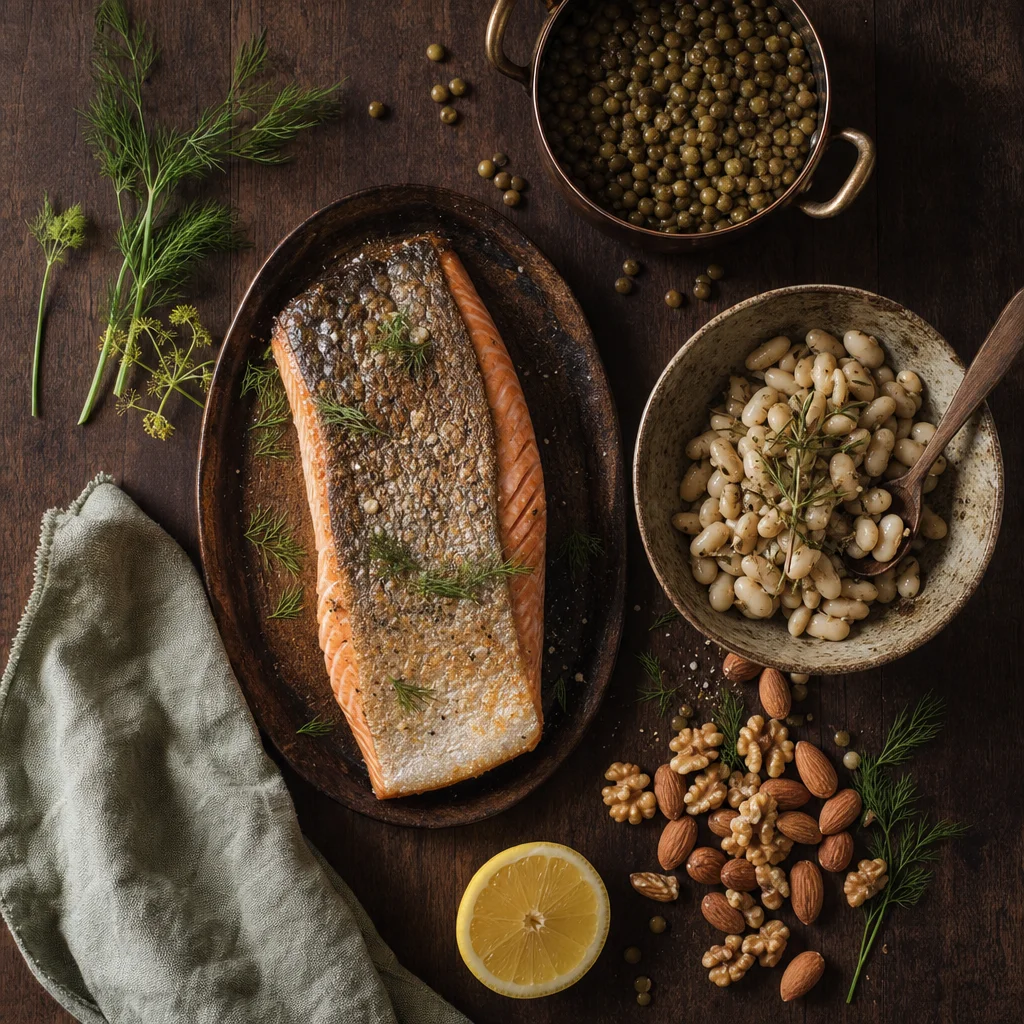
- Beans, fatty fish, lentils, and nuts are the four anti-inflammatory proteins worth eating regularly — they bring protein plus omega-3s, fiber, or protective plant compounds.
- A 2022 meta-analysis tied fatty fish — not lean fish — to lower heart disease risk and heart-related death.
- A 2024 randomized trial showed daily lentils lowered LDL cholesterol and inflammatory responses, without the bloating people often fear.
- Nuts are a convenient protein source; the evidence for their anti-inflammatory effects is modest but real.
- Aim for two servings of fatty fish per week, beans or lentils most days, and a handful of nuts daily.
Let’s be honest — “anti-inflammatory diet” sounds like a sad plate of plain greens and a whole lot of hunger. Here’s the thing: it doesn’t have to be that way. You don’t need to choose between fighting inflammation and getting enough protein. Some of the best anti-inflammatory proteins are everyday foods you already know and like.
We’re talking beans, fatty fish, lentils, and nuts — satisfying, budget-friendly, and backed by real science. In this guide, you’ll learn what makes these foods special, which myths to ignore, and how to build a simple weekly plan. No complicated rules. Just food that works.
Quick Answer: What Are the Best Anti-Inflammatory Proteins?
The four best anti-inflammatory proteins are beans, fatty fish, lentils, and nuts. Each one delivers protein plus something extra — omega-3 fats, gut-friendly fiber, or protective plant compounds. The evidence is strongest for fatty fish and lentils. Beans are close behind, and nuts play a smart supporting role.
What Makes Anti-Inflammatory Proteins Different?
First, a quick reality check: inflammation isn’t the enemy. Short-term inflammation helps you heal from a scrape or a cold. The real problem is chronic inflammation — the low-grade kind that lingers for months or years. Experts at Harvard Health call it a key driver behind heart disease, diabetes, arthritis, and even depression.
So where does food fit in? An anti-inflammatory diet is really an overall pattern, not a strict rulebook. These anti-inflammatory proteins fit that pattern beautifully. Each one is a protein food that also carries compounds known to calm inflammation.
Think of it this way. Salmon brings omega-3 fats. Beans and lentils bring fiber and polyphenols — protective plant compounds. Nuts bring vitamin E and healthy oils. You get protein and protection in the same bite. That’s the whole point.
Fatty Fish: The Research Standout
If you remember one thing from this article, let it be this: fish choice matters. A 2022 meta-analysis in Advances in Nutrition compared fatty and lean fish head-to-head. The researchers linked fatty fish to lower rates of heart disease and heart-related death. The numbers are meaningful — an 8% lower risk of heart disease and a 17% lower risk of dying from it. Lean fish like cod or tilapia? No significant link.
Why the difference? Fatty fish — salmon, mackerel, sardines, tuna, herring — are packed with omega-3 fatty acids. These are fats your body uses to dial down inflammation. According to the NIH Office of Dietary Supplements, EPA and DHA from fish help calm your body’s inflammatory signaling.
Now, you might be thinking: is lean fish pointless? Not at all. It’s still a healthy protein, and some research links it to lower stroke risk. The takeaway is simple: fatty fish is the omega-3 powerhouse, so prioritize it.
An umbrella review of 91 meta-analyses found that one to two servings of fish per week appears safe and protective. That target matches guidance from the American Heart Association. It’s especially true for fatty types.
Fish vs. Omega-3 Pills: What the Research Says
Here’s where expert advice gets interesting. Eating fish likely beats taking a supplement for most people. The NIH notes that supplement trials have mixed results — some show heart benefits, others show none. Fish also brings protein and other nutrients that no pill can match. For most healthy women, food first is the evidence-based move. And that’s true for all the anti-inflammatory proteins on this list.
Beans and Lentils: Protein Plus Prebiotic Power
Let’s talk about the plant powerhouses. Beans and lentils do double duty — they give you protein and fiber in every serving. That fiber isn’t just for digestion. It feeds your gut bacteria, which then produce compounds like short-chain fatty acids. These may help keep inflammation in check — though researchers are still building the direct human evidence for this chain.
The research behind beans is encouraging. In most pulse studies, a cup of cooked beans, chickpeas, or lentils a day improved blood lipids and blood pressure. Several trials also saw inflammation markers improve.
That said, the review authors noted study quality varied. Better yet, beans and lentils are two of the most affordable anti-inflammatory proteins you can buy.
Lentils deserve special attention. A 2024 randomized trial asked 38 adults to eat lentils most days for 12 weeks. The results were impressive: lower LDL cholesterol, better blood sugar control, and lower inflammatory responses after meals. The best part? No increase in bloating or stomach discomfort. That matters because “beans make me bloated” is the number one reason people skip them.
If you’re worried about gas, start slow. Rinse canned beans well, or soak dried ones overnight. Begin with a few tablespoons a day, then build up over a couple of weeks. Most people adapt just fine.
What About Women Specifically?
A 2024 observational study of 97 women compared a plant-rich diet to a standard American diet. The plant-rich group — built on beans, legumes, nuts, and seeds — had lower inflammatory markers and slower biological aging. It’s one more reason to make room for beans and lentils on your plate. For more dietitian-approved picks, see these 6 anti-inflammatory foods for women.
And about that old “plant protein is incomplete” myth? It’s outdated. Beans and lentils are solid protein sources. Eat a variety of plant foods across the day — grains, nuts, seeds, legumes — and you’ll cover your amino acid needs with ease.
Nuts: Convenient Protein, Honest Expectations
Nuts might be the easiest protein upgrade you’ll make. No cooking. No prep. Just a handful. One ounce of almonds — about 23 nuts — delivers 6 grams of protein. That’s the same as one large egg.
But here’s where I want to be straight with you. Online claims about nuts often oversell the science. A meta-analysis of 23 randomized trials found that nuts reduced one specific inflammatory marker, ICAM-1. They did not significantly lower classic markers like CRP. So nuts are a smart protein choice — just not a magic anti-inflammatory bullet.
What does ICAM-1 mean in plain English? It’s a marker of how your blood vessel walls interact with immune cells. Lower levels are a good sign. The benefits showed up most clearly with 12 or more weeks of daily intake. Consistency counts.
How to use them? Keep a jar of almonds or walnuts on your counter. Sprinkle them on oatmeal, salads, or yogurt. Or grab a small handful as a snack. About an ounce a day is the sweet spot.
Easy Ways to Eat More Anti-Inflammatory Proteins Every Week
Here’s a simple weekly rhythm for getting more anti-inflammatory proteins onto your plate. It follows the serving guidance from the research, but it’s flexible. No food is mandatory — this is a template, not a test.
- Two fish dinners: salmon, sardines, mackerel, or tuna. Canned works great.
- Two bean-based meals: black bean tacos, chickpea curry, or a white bean soup.
- Two lentil lunches: a lentil salad, a warm grain bowl, or soup.
- Nuts daily: a small handful of almonds or walnuts as a snack or topping.
- Fill the rest with lean poultry, eggs, tofu, or whatever you enjoy.
Protein at every meal is the simplest rule of thumb. It keeps you full, steady, and satisfied. You don’t need elaborate recipes either — these 15 anti-inflammatory make-ahead dinner recipes make it easy.
As Cleveland Clinic notes, you may notice changes in as little as two to three weeks after cutting inflammatory foods. For lasting results, give the new pattern three to six months.
Budget-friendly? Yes. Our anti-inflammatory foods grocery list is packed with affordable staples. Canned salmon and sardines cost a fraction of fresh. Dried beans are among the cheapest proteins on earth. Frozen fish fillets are just as nutritious as fresh.
If You Don’t Eat Fish: Plant Omega-3s Explained
What if seafood isn’t your thing? You have options — with one honest caveat. Plant foods like flaxseeds, chia seeds, and walnuts contain a type of omega-3 called ALA. Your body can convert ALA into the active forms, EPA and DHA.
But here’s the catch. The conversion rate is very low — under 15%. That’s per the NIH. So a spoonful of ground flax isn’t the same as a piece of salmon. It’s still good for you. Just don’t expect it to fully replace fish.
If you skip fish and want more EPA and DHA, algae-based omega-3 supplements are worth discussing with your clinician. After all, fish get their omega-3s from marine microalgae in the first place. Supplements aren’t for everyone, though. The NIH notes they’re most helpful in specific situations, like high triglycerides. Your doctor can help you decide.
Safety First: What Women Should Know
Before you stock the pantry, here are a few practical notes.
Fish and Mercury: What to Know
Some fish carry more mercury than others. If you’re pregnant or breastfeeding, choose lower-mercury options. Look for salmon, sardines, trout, and canned light tuna. Skip shark, swordfish, king mackerel, and tilefish. For everyone else, one to two servings of fatty fish per week is a safe, healthy target.
Nut allergies are common. If nuts aren’t safe for you, seeds — pumpkin, sunflower, hemp — offer protein and healthy fats instead.
Beans and lentils may cause gas at first. Start with small portions and increase slowly. Rinsing canned beans well helps, too.
If you have a health condition — an autoimmune disease, for example — talk to your doctor or a dietitian first. Food is powerful. Personalized advice makes it powerful in the right direction.
Frequently Asked Questions
Are canned beans and canned fish as healthy as fresh?
Yes. Canned beans keep their fiber and protein. Canned salmon and sardines keep their omega-3s. Choose low-sodium beans and rinse them well.
Will eating nuts make me gain weight?
Nuts are calorie-dense, so portions matter. About an ounce a day — a small handful — gives you protein and healthy fats without going overboard.
How soon will I notice a difference?
You may feel changes in as little as two to three weeks. For lasting results, give a new eating pattern three to six months.
Can I get enough protein from beans and lentils?
Yes, with variety. Eat different plant proteins across the day — beans, lentils, nuts, seeds, whole grains. This is one reason the four anti-inflammatory proteins work so well together.
The Bottom Line
Anti-inflammatory eating isn’t about restriction. It’s about choosing foods that do more than one job. These anti-inflammatory proteins — beans, fatty fish, lentils, and nuts — are proof that protein and protection go hand in hand.
Start small. Add one fish dinner this week. Swap one lunch for lentils. Keep a jar of almonds on your desk. Small changes, done consistently, are how healthy eating actually sticks.
Your body will thank you — and so will your taste buds.