

5 Afternoon Drinks for Blood Sugar to Beat the 3 P.M. Slump
Key Takeaways
- The 3 p.m. slump is often a blood sugar dip — the right drink can help smooth it out.
- Top picks: sparkling water, green tea, a balanced smoothie, herbal tea, and low-sugar prebiotic soda.
- The 2 to 5 grams of fiber in a prebiotic soda is a gut bonus, not a spike shield — the real win is swapping out regular soda.
- Drinks support — not replace — regular meals, movement, and any medication your care team prescribed.
Looking for drinks for blood sugar that can tame the 3 p.m. slump? You’re in the right place. It’s 2:57 p.m. Your lunch is a distant memory. Your focus is drifting. That familiar afternoon crash isn’t just about needing caffeine. It’s often a blood sugar dip in action. What you sip right now can either feed that dip or help smooth it out.
We dug into the latest research on drinks for blood sugar and the dietitian community’s go-to advice. Our goal? To find the best afternoon sips for steady energy — plus the honest evidence behind each one. You’ll also get a label-reading cheat sheet for trendy prebiotic sodas. Plus a smoothie formula that won’t spike you, and a clear list of what to skip. Spoiler: no drink is a magic bullet. But the right sip can make your afternoon a whole lot steadier.
Quick Answer: What Should I Drink at 3 P.M. for Steady Energy?
The best drinks for blood sugar at this hour are simple: unsweetened sparkling water or green tea for something light. Need more staying power? Blend a smoothie with greens and about a cup of fruit. Add a protein base (milk, yogurt, or kefir) and a spoonful of nuts or seeds. Skip sweetened teas, juice, and regular soda — they spike first, then crash.
The Best Drinks for Blood Sugar When the Afternoon Slump Hits
First, the good news: you’re not lazy, and you’re not imagining things. The 3 p.m. dip is a real, physical pattern. Here’s what’s actually happening. After lunch, your blood sugar rises, then gradually dips. For many people, that dip lands in the mid-afternoon. It shows up as hunger, brain fog, a short fuse, or a sudden craving for something sweet. You’re not alone in thinking the snack drawer is calling your name.
Some research also suggests that bigger blood sugar dips after meals are tied to feeling hungrier later. That helps explain why the craving hits so hard. So what makes a drink blood-sugar-friendly? The formula is simple: little to no added sugar. And if the drink doubles as a snack, it should bring protein, fiber, or fat to slow digestion. That’s the standard dietitians use when they recommend drinks for blood sugar. It’s the lens we’ll use for every pick below.
Hydration is part of the picture too — see our guide to hydrating foods for blood sugar. A 2021 analysis of six studies looked at water intake and type 2 diabetes risk. It linked drinking more water to about a 6% lower risk of type 2 diabetes. The benefit is even stronger when water replaces sugary drinks. The CDC’s blood sugar management tips keep it simple. Drink water instead of juice or soda. Eat at regular times. Don’t skip meals.
5 Drinks for Blood Sugar That Actually Help — and the Evidence Behind Them
Here they are: the five afternoon drinks for blood sugar that came up again and again in our research. Each pick comes with the honest science and the practical guardrails you need. Let’s explore them one by one.
1. Sparkling Water (With a Splash of Citrus)
Fizzy water is the easy win. It’s sugar-free, calorie-free, and feels like a treat — which matters when you’re breaking a soda habit. Dietitians love it for exactly that reason: it replaces something sweet without adding any carbohydrate. The only label check? Make sure your sparkling water doesn’t hide added sugar or artificial sweeteners. Some flavored brands sneak them in.
2. Green Tea
Green tea is the most studied tea for blood sugar. A 2024 review of green tea and blood sugar analyzed 15 trials with 722 people with type 2 diabetes. It found that green tea improved fasting blood sugar, HbA1c, and insulin resistance. HbA1c is your average blood sugar over two to three months. The effect is real but modest.
However, an earlier 2020 review found no significant change in HbA1c. The honest take? Benefits come with consistent daily drinking. Keep it unsweetened. Sugar and honey erase the benefit. And watch the caffeine. Green tea has some, so if you’re sensitive, make it your last caffeinated drink of the day.
3. A Balanced Smoothie (Yes, Really)
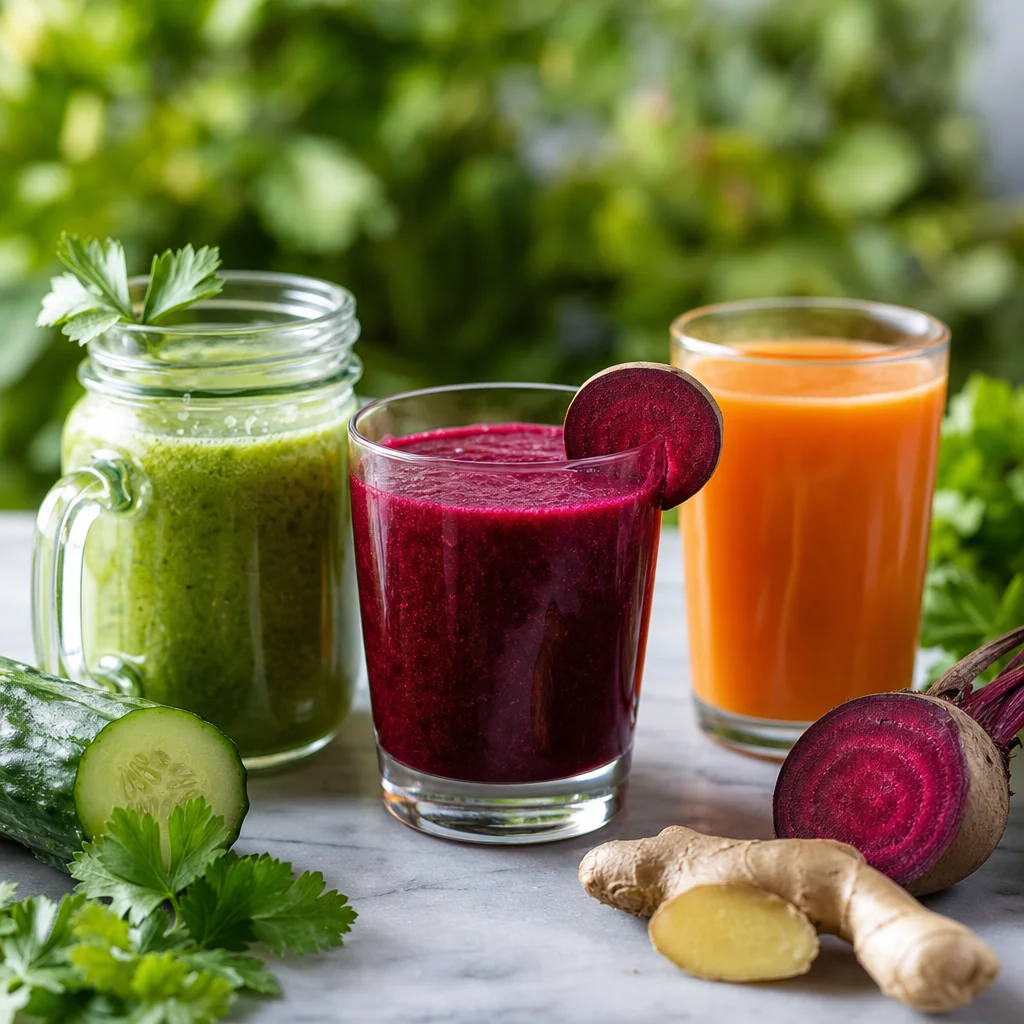
A balanced smoothie is one of the few drinks for blood sugar that doubles as a real snack. Smoothies get a bad rap, and sometimes it’s deserved. Store-bought versions are often sugar bombs. But a smoothie you build yourself is different.
- a handful of greens
- about 1 cup of fruit
- a protein base (milk, unsweetened soy milk, yogurt, or kefir)
- 1 to 2 tablespoons of nuts, seeds, or nut butter
The protein and fat slow digestion, which keeps blood sugar steadier. The Mayo Clinic on whole fruit vs. fruit juice makes this point well: whole fruit beats juice because fiber slows the sugar.
Now, you might be thinking: “Aren’t smoothies just sugar in a glass?” Sometimes, yes. But research on whole fruit vs. blended drinks — including a 2025 trial in the American Journal of Clinical Nutrition — consistently finds that whole fruit produces a lower blood sugar response than a blended smoothie. So keep the fruit to about one cup. And treat the smoothie as a snack, not a sip.
Want a fermented twist? Swap the yogurt for kefir. An analysis of kefir and glycemic control (six trials) found kefir lowered fasting blood sugar and insulin. That’s a nice bonus for your gut, too.
4. Herbal Tea — Chamomile, Mint, or Ginger
Herbal teas are the underrated heroes of the afternoon. They’re caffeine-free, hydrating, and naturally zero-sugar. A 2025 review of herbal teas and glucose control included 14 trials with 551 people. It found that herbal teas reduced fasting blood sugar and HbA1c in people with type 2 diabetes. The evidence is modest, and most studies were in that group. But as a 3 p.m. ritual, the upside is real and the risk is basically zero.
What about cinnamon tea? Let’s be honest: cinnamon and blood sugar research is genuinely mixed. A 2025 analysis of 28 trials found that cinnamon supplements improved several blood sugar markers. The most consistent benefits showed up at doses of 2 grams a day or less. But a separate dose-response analysis found no significant overall effect on fasting glucose or HbA1c. Most positive studies used capsules, not tea. So a sprinkle of cinnamon in your tea is a lovely, low-risk ritual. It’s just not a proven glucose tool. And if you use the common grocery-store cassia cinnamon, don’t overdo it. That type contains a compound that can be hard on the liver in large doses.
One more guardrail: the NIDDK’s guidance on drinks and diabetes is clear. No herb or spice has proof it can manage diabetes on its own. These drinks support — they don’t replace — the fundamentals.
5. Low-Sugar Prebiotic Soda
Prebiotic sodas are the trendy newcomers — fizzy drinks with added fiber like inulin. They can be a genuinely useful swap when you’re craving a soda but don’t want the sugar crash. However, here’s the thing: the fiber in a typical can is about 2 to 5 grams. That’s unlikely to meaningfully blunt a blood sugar spike on its own. Research on fiber-added drinks suggests the food matrix matters more than the fiber dose. Viscous, thick fiber slows sugar; a light fizzy drink doesn’t.
On the flip side, the real win is what a prebiotic soda replaces. Trading a regular soda for a low-sugar version is a meaningful improvement. Dietitians advise capping it at one to two cans a day. Too much added fiber can trigger gas and bloating. And learn to read the label.
How to Read a Prebiotic Soda Label (in 30 Seconds)
The 30-Second Label Check
- Total sugar: aim for under 5 grams per can. Zero is even better.
- Fiber: 2 to 5 grams is typical. Treat it as a gut bonus, not a spike shield.
- Sweeteners: stevia or monk fruit are common and fine. Watch for “cane sugar” or “fruit juice” — that’s sugar in disguise.
- Serving size: some cans are 12 ounces, some are 16. The label numbers only matter relative to the serving.
- Your gut: if these drinks make you bloated or gassy, they’re not for you — no matter how healthy they sound.
What to Skip: The Drinks That Feed the Slump
Now for the flip side. Some drinks guarantee the exact pattern you’re trying to escape: spike, then crash. When it comes to drinks for blood sugar, these are the ones to leave on the shelf.
- Regular soda: liquid sugar with zero fiber or protein to slow it down.
- Sweetened iced tea and lemonade: often carry as much sugar as soda. The word “tea” doesn’t make it healthy.
- Fruit juice: even 100% juice spikes blood sugar quickly. Whole fruit is always the better choice.
- Coffeehouse “drinks”: mochas, frappuccinos, and flavored lattes are desserts in disguise.
- Diet soda: not a health drink. Here’s the nuance. An analysis of diet drink substitutions found a clear pattern: people who swapped sugary drinks for low-calorie sweetened versions tended to have lower weight, with no evidence of cardiometabolic harm. Substituting water for sugary drinks was separately linked with a lower risk of type 2 diabetes. If diet soda helps you quit regular soda, that’s progress. Just don’t mistake it for water.
Drinks Support — They Don’t Replace — the Blood Sugar Basics
Let’s be honest: no collection of drinks for blood sugar will undo a day of skipped meals. Drinks are a support tool, not a treatment. The fundamentals matter more.
- Eat at regular times. The CDC’s blood sugar management tips are clear: don’t skip meals, and drink water instead of juice or soda.
- Move your body. Research on short walks after meals, published in Diabetes Care, found that five-minute walks reduced post-meal blood sugar. The benefit even carried into the next day. Pair your 3 p.m. drink with a quick walk if you can.
- Watch your carbs across the day. A cup of milk, for example, counts as roughly one carb choice. That’s about 15 grams, per Mayo Clinic’s carb-counting guidance.
- Keep added sugar low overall. The evidence on sugary drinks and type 2 diabetes is strong and consistent.
And if you notice persistent signs of high blood sugar — frequent urination, unusual thirst, or fatigue that won’t quit — check in with your clinician. Drinks are not a diagnosis. They’re support.
Your Afternoon Drink Questions, Answered
Here are the answers to the questions we hear most about drinks for blood sugar.
Can any drink actually lower my blood sugar?
No single drink lowers blood sugar the way medication does. Drinks help by replacing sugary options, keeping you hydrated, and supporting steady energy. If you’re managing diabetes, talk with your care team before relying on any drink or herb.
Is diet soda okay at 3 p.m.?
It’s better than regular soda, but water, sparkling water, or unsweetened tea are better still. Think of diet soda as a bridge away from sugar — not a destination.
Can I put fruit in my smoothie without spiking my blood sugar?
Yes — keep it to about one cup of fruit, and pair it with protein and fat. That combo slows digestion and keeps blood sugar steadier. Whole fruit is still the gold standard.
I need caffeine in the afternoon. What’s the best pick?
Green tea is a solid middle ground — less caffeine than coffee, plus a modest evidence base for blood sugar. Just be mindful of timing. Late-afternoon caffeine can linger and affect your sleep.
The Bottom Line
The 3 p.m. slump is a signal, not a life sentence. Start with one swap today. Trade the afternoon soda for sparkling water with lemon, or pour a cup of green tea. If you’re genuinely hungry, blend a balanced smoothie with protein and fiber — or reach for these high-fiber snacks for better blood sugar. And remember: drinks for blood sugar are just one piece of the picture. Regular meals, daily movement, good sleep, and your care team’s advice matter more. Sip smarter. Move a little. Give your body the steady energy it’s been asking for.