

High-Protein Meal Plan to Help Lower Cholesterol
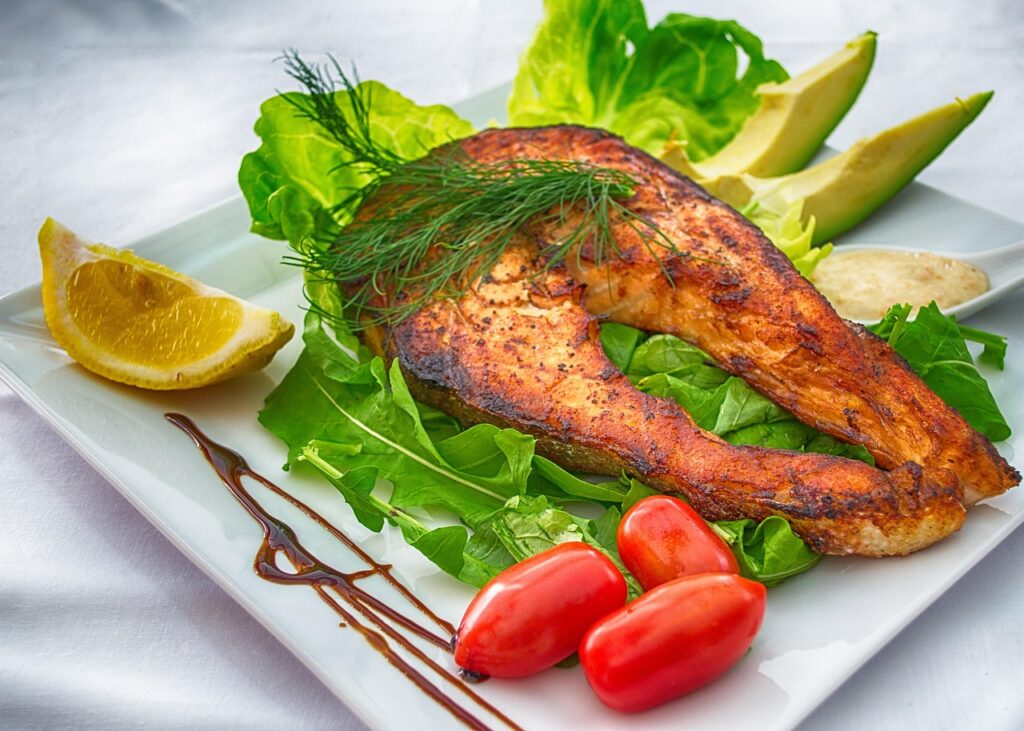
Key Takeaways
- High protein and healthy cholesterol are not opposites. A high-protein meal plan built on plants, fish and low-fat dairy helps your heart. One built on fatty meat does not.
- Aim for 1.2 to 1.6 grams of protein per kilogram of body weight each day. Spread it as 25 to 30 grams per meal.
- Soluble fiber from oats, barley and psyllium helps lower LDL cholesterol. In one large review, psyllium cut LDL by about 13 mg/dL.
- Swapping saturated fat for polyunsaturated fat lowers LDL by about 10 to 16 mg/dL. It works as a swap, never as an extra.
- Ask your doctor first if you have kidney disease or take cholesterol medicine. Food supports treatment. It does not replace it.
Picture this: your doctor says your LDL is creeping up, so you decide to try a high-protein meal plan. Then picture the plate most people imagine when they hear “high protein.” A thick steak. Three eggs. A scoop of powder. More protein and healthy cholesterol feel like they cannot share a table.
Here is the good news. A high-protein meal plan and healthy cholesterol were never opposites. Swap fatty red and processed meat for beans, lentils, soy, fish, low-fat dairy and nuts. The whole picture changes.
This guide shows what protein does in your body. It explains why protein source matters more than protein amount. And it covers who should skip this kind of plan — a part most advice leaves out.
Quick Answer: Can a high-protein meal plan lower cholesterol?
Yes — if most of the protein comes from plants, fish and low-fat dairy instead of fatty red and processed meat. Aim for 25 to 30 grams of protein per meal, plenty of soluble fiber, and saturated fat under 10% of your daily calories. Food supports healthy cholesterol. It does not replace medicine or medical care.
What a High-Protein Meal Plan to Lower Cholesterol Really Means
Somewhere along the way, “high protein” got hijacked by low-carb culture. That is why so many people believe protein and heart health pull in opposite directions. They never did.
The CDC’s guidance on preventing high cholesterol names the real culprits. Saturated fat from animal foods and tropical oils like palm oil. Trans fat. Too much sodium and added sugar. Then it points you toward lean meats, seafood, low-fat dairy, whole grains, fruits, vegetables, oatmeal and beans.
Notice who is missing from that list of villains. Protein itself. Salmon is protein. Lentils are protein. Plain Greek yogurt is protein. So the real question is never “protein or no protein.” It is which protein. Get that one thing right, and a high-protein meal plan can work with your heart instead of against it.
The Swap Rule: Why “Add Healthy Fats” Fails
A 2025 pooled analysis looked at 24 feeding trials with 1,011 adults. It appeared in Advances in Nutrition. Diets higher in polyunsaturated fat and lower in saturated fat cut LDL cholesterol by about 9.8 mg/dL on average. When the two diets really differed in saturated fat, the drop reached 15.7 mg/dL. However, when researchers matched both diets for saturated fat, the benefit vanished. Translation: drizzling olive oil over a cheese-heavy plate does nothing. Replacing the butter with olive oil does plenty.
How Much Protein Do You Actually Need?
Here is where most plans fall short. A typical high-protein meal plan hands you one number. Ninety grams a day, or maybe a hundred. Then it stops. But a single number means little without your body weight. A 130-pound woman and a 190-pound woman do not share the same needs.
One 2015 review in The American Journal of Clinical Nutrition gives the framework most researchers use. Aim for 1.2 to 1.6 grams of protein per kilogram of body weight each day. Then spread it out. Get at least 25 to 30 grams at each meal.
Your Daily Protein Target
Find your weight, then pick a number inside the range:
- 130 lbs (59 kg): 71 to 94 grams per day
- 150 lbs (68 kg): 82 to 109 grams per day
- 170 lbs (77 kg): 92 to 123 grams per day
- 190 lbs (86 kg): 103 to 138 grams per day
Now, you might be thinking: does protein keep you so full that you eat less without trying? Partly. Higher-protein meals do make you feel fuller. But the same 2015 review found no proof that this made people eat less at their next meal. So the real value of protein is simpler. Feeling full is what makes a healthy plan easy enough to keep.
The payoff is real but modest. A 2021 review of 37 studies found higher-protein diets led to about 1.6 kg more weight loss than control diets on average. That is roughly three and a half pounds. Worth having. Not a magic trick.
The Plant-Forward Protein Playbook
Not all proteins act the same way in your body. Here is the honest ranking, based on what the trials measured. It is also the order in which to build your high-protein meal plan.
Soy and whey lead the pack. A review of 63 randomized trials found soy protein lowered total cholesterol, LDL cholesterol and systolic blood pressure. Whey lowered blood pressure, triglycerides, and total and LDL cholesterol. In people who were overweight, these proteins also nudged HDL up a little.
Pulse protein is a real lever. A 2024 review found pulse proteins — pea, lentil, chickpea, bean — cut LDL cholesterol by roughly 9 mg/dL at about 35 grams a day. A larger share of women saw bigger drops. That is an early signal, not proof. Treat it as promising, not settled.
Whole beans help, but only a little. A 2026 review of 31 trials found non-soy legumes lowered LDL by about 3.5 mg/dL. So yes, beans help. But do not expect a big change from beans alone. The bigger wins come from cutting saturated fat and adding soluble fiber.
Nuts earn their place. A 2026 pooled analysis looked at 49 trials with 4,611 people. It appeared in Food Science & Nutrition. Walnuts cut LDL cholesterol by about 5.7 mg/dL. They also cut total cholesterol by 6.4 mg/dL and triglycerides by 6.2 mg/dL. That fits an earlier review in Nutrition, Metabolism and Cardiovascular Diseases. It rated walnuts a modest but real LDL reducer.
Dairy has one simple rule. Unsweetened, low-fat, fermented first. Plain Greek yogurt, kefir and cottage cheese fit well. Sweetened flavored yogurt does not.
Eggs sit in the middle. The CDC’s page on optimal cholesterol levels still advises eating as little dietary cholesterol as possible. Yet feeding trials show saturated fat drives LDL far more than dietary cholesterol does. So eggs can fit inside a plan whose saturated fat is already low. They are not a free pass.
The Bigger Picture: The Portfolio Diet
Researchers have a name for this style of eating. They call it the Portfolio Diet. It has six parts: plant protein from soy and pulses, nuts, viscous fiber, plant sterols and monounsaturated fat — plus low saturated fat and low cholesterol. In the Women’s Health Initiative, researchers followed 145,299 women for about 16 years. Women who stuck closest to this pattern had a 23% lower risk of type 2 diabetes.
The Fiber Half of the Equation
Protein gets the headlines. Fiber does the quiet work. In fact, it is the other half of any high-protein meal plan. The American Heart Association says fiber helps improve blood cholesterol. It also lowers the risk of heart disease, stroke and type 2 diabetes. The AHA suggests three fiber-rich whole grains every day.
The most quotable number in this whole evidence set comes from soluble fiber. A 2024 review looked at 29 trials with 2,769 people. Psyllium lowered LDL cholesterol by 0.35 mmol/L, which is roughly 13 mg/dL. Researchers linked that to an estimated 7% lower risk of a heart event.
Soluble fiber forms a gel during digestion. That gel traps cholesterol and helps carry it out through your gut. Without the gel, that cholesterol stays in your blood. Your best sources are oats, barley, psyllium, beans, lentils, pears and apples.
Ramp Up Fiber Slowly — This Part Matters
Most plans push you straight to 40-plus grams of fiber a day. That is a recipe for bloating, gas and a plan you quit by Thursday. Instead, add about 5 grams per week. Drink more water as you go. Give your gut two to four weeks to adjust. If you have IBS or another digestive condition, ask your doctor before raising fiber at all. Our anti-bloat meal plan walks you through a gentler reset.
One label warning is worth memorizing. MedlinePlus notes that makers can print “0 g trans fat” when a serving holds less than 0.5 grams. So check the ingredient list for the words “partially hydrogenated” instead of trusting that number. Also keep saturated fat under 10% of your daily calories. Keep total fat at 25 to 30%.
What Each Change Is Actually Worth on LDL
- Replacing saturated fat with polyunsaturated fat: about 10 to 16 mg/dL
- Psyllium, a soluble fiber: about 13 mg/dL
- Pulse protein at 35 g a day: about 9 mg/dL
- Walnuts: about 5.7 mg/dL
- Whole beans and lentils: about 3.5 mg/dL
These are averages from large reviews, not promises. Still, small changes stack.
Building Your High-Protein Meal Plan: A Day-by-Day Framework
Treat this high-protein meal plan as a frame, not a script. Repeat the meals you like. Swap freely. The structure is what matters, not the exact recipes.
Breakfast (25 to 30 g protein): Plain Greek yogurt or cottage cheese with berries, oats, chia and a spoonful of psyllium. Or two eggs with whole-grain toast and a side of black beans.
Lunch (25 to 30 g protein): Lentil or chickpea soup made with no-salt-added broth. Or tuna with white beans, barley and olive oil. Or an edamame and quinoa salad.
Dinner (30 g protein): Baked salmon with barley and broccoli. Caper-and-lemon tofu with zucchini and white beans. A chicken and roasted vegetable grain bowl.
Snacks: A handful of walnuts, plain kefir, steamed edamame, or an apple with almond butter. These beat protein bars, which often carry added sugar and saturated fat.
Watch sodium, too. Canned beans, broths and deli meats can quietly push your daily total above what most heart guidance allows. Look for no-salt-added versions. Rinse canned beans before you use them.
On cost: whole foods like beans, frozen fish, eggs, oats and plain yogurt tend to stretch further than branded powders and bars do. You do not need a powder to hit your target.
What Goes on the Shopping List
Protein: eggs, plain Greek yogurt, kefir, cottage cheese, tofu, tempeh, edamame, lentils, chickpeas, black beans, canned salmon or tuna, frozen salmon or cod, skinless chicken. Fiber: oats, barley, quinoa, brown rice, chia, psyllium, pears, apples, berries, broccoli, leafy greens. Fats and flavor: olive oil, walnuts, almonds, avocado, lemon, garlic, herbs and spices. Choose no-salt-added beans and broths where you can.
New here? Start with our 7-day high-protein meal plan for beginners.
Who Should Not Follow This Plan
This is the section most guides skip. Please read it closely. It may apply to you.
Kidney disease. If you have chronic kidney disease, do not start a high-protein meal plan on your own. Protein amount becomes a medical decision. Interestingly, plant protein still helped this group. A 2025 review of 248 patients found plant protein cut LDL by about 22 mg/dL. But that came from changing protein source. It did not come from eating more protein overall.
Any prescription medicine. Before you add a fiber supplement or make a big change to your diet, tell your doctor or pharmacist what you take. The CDC advises discussing your other health conditions and your medicines. Bring a list of questions to visits.
Pregnancy and breastfeeding. Do not change how you eat in a big way without your doctor’s input.
Inherited high cholesterol. If high cholesterol runs in your family, food alone may not be enough. That is not a personal failure. It is genetics.
Also note that guidance has moved away from 1,200-calorie plans. They are too low for most people to meet their nutrient needs. They are also hard to keep up. Build your week between 1,500 and 2,000 calories instead.
Where Food Ends and Medicine Begins
Let’s be clear about something important. MedlinePlus on how to lower your cholesterol says it plainly. If lifestyle changes alone do not lower your cholesterol enough, medicines such as statins may be needed. And you should keep the lifestyle changes even while you take them.
The 2026 guideline on managing dyslipidemia replaced the older 2018 cholesterol guideline. It also covers triglycerides and lipoprotein(a). Those are lipid targets beyond LDL cholesterol that diet affects in different ways. That is why a food-first plan is a starting point, not a finish line.
Know your numbers. The CDC lists optimal total cholesterol at about 150 mg/dL. Optimal LDL is about 100 mg/dL. HDL should be at least 50 mg/dL in women, and triglycerides under 150 mg/dL. A total above 200 mg/dL may be considered high. Ask your doctor when to retest. High cholesterol has no symptoms, so a blood test is the only way to know.
Do not skip the other levers either. The CDC names physical activity, a healthy weight, not smoking, and limiting alcohol to no more than one drink a day for women. This high-protein meal plan works best alongside those steps, not instead of them.
Frequently Asked Questions
Does eating more protein raise cholesterol?
Not on its own. LDL rises from the saturated fat that often travels with protein — fatty red meat, processed meat, full-fat cheese. Build your high-protein meal plan from fish, soy, beans, lentils and low-fat dairy. Then protein works with your heart, not against it.
Can I follow this plan if I’m vegetarian or vegan?
Yes, and the evidence is encouraging. Soy foods, pulses, nuts and seeds all lower LDL cholesterol in trials. So you can build a high-protein meal plan entirely from plants. Combine sources across the day — beans with grains, tofu with quinoa — so you cover all the amino acids your body needs.
Is protein powder a good idea?
It can be handy, but read the label. Many powders and bars carry added sugar, sodium and saturated fat. Whole foods bring fiber and nutrients that powders lack. If you use one, pick unsweetened and read the ingredient list.
How long until I see a change in my numbers?
Ask your doctor when to retest. High cholesterol has no symptoms, so a blood test is the only way to know. Expect modest movement, not a dramatic drop. The fiber and saturated fat swaps above are each worth roughly 5 to 16 mg/dL on LDL. Small changes add up over time.
The Bottom Line
High protein and healthy cholesterol were never opposites. They only looked that way because one narrow version of “high protein” — steak, eggs, butter — came to define the whole idea.
So start with one change this week. Swap half your ground beef for lentils. Add a spoonful of psyllium to your yogurt. Choose salmon over salami. Then build from there, slowly, at a pace your gut and your schedule can handle.
And keep your doctor in the loop. A high-protein meal plan is one of the most useful tools you have for supporting healthy cholesterol. It is just not the only one. And it was never meant to be.
Sources & Further Reading
- CDC — About Cholesterol (optimal cholesterol levels)
- CDC — Preventing High Cholesterol
- MedlinePlus — Cholesterol
- MedlinePlus — Facts About Trans Fats
- American Heart Association — Whole Grains and Dietary Fiber
- Leidy et al. — The Role of Protein in Weight Loss and Maintenance (Am J Clin Nutr)
- Hart et al. — PUFA-to-Saturated Fat Ratio and LDL Cholesterol (Adv Nutr)
- Zhu et al. — Psyllium and LDL Cholesterol (Nutrition Research)
- Schoeneck & Iggman — Foods That Lower LDL Cholesterol (NMCD)
- Papaodyssea et al. — Plant Protein in Chronic Kidney Disease (Nutrients)
- 2026 Guideline on the Management of Dyslipidemia (Circulation)
- Hansen et al. — Protein and Body Weight Management (Nutrients)
- Zhou et al. — Protein Quality and Cardiovascular Risk Factors (Clinical Nutrition)
- Yang et al. — Pulse Protein and LDL Cholesterol (Nutrients)
- Shaygantabar et al. — Non-Soy Legumes and Lipid Profile (Nutrition Reviews)
- Mashayekhi et al. — Walnuts and Blood Lipids (Food Science & Nutrition)
- Glenn et al. — The Portfolio Diet and Incident Type 2 Diabetes (Diabetes Care)