

High-Protein Vegetarian Dinners: The 25-Gram Playbook
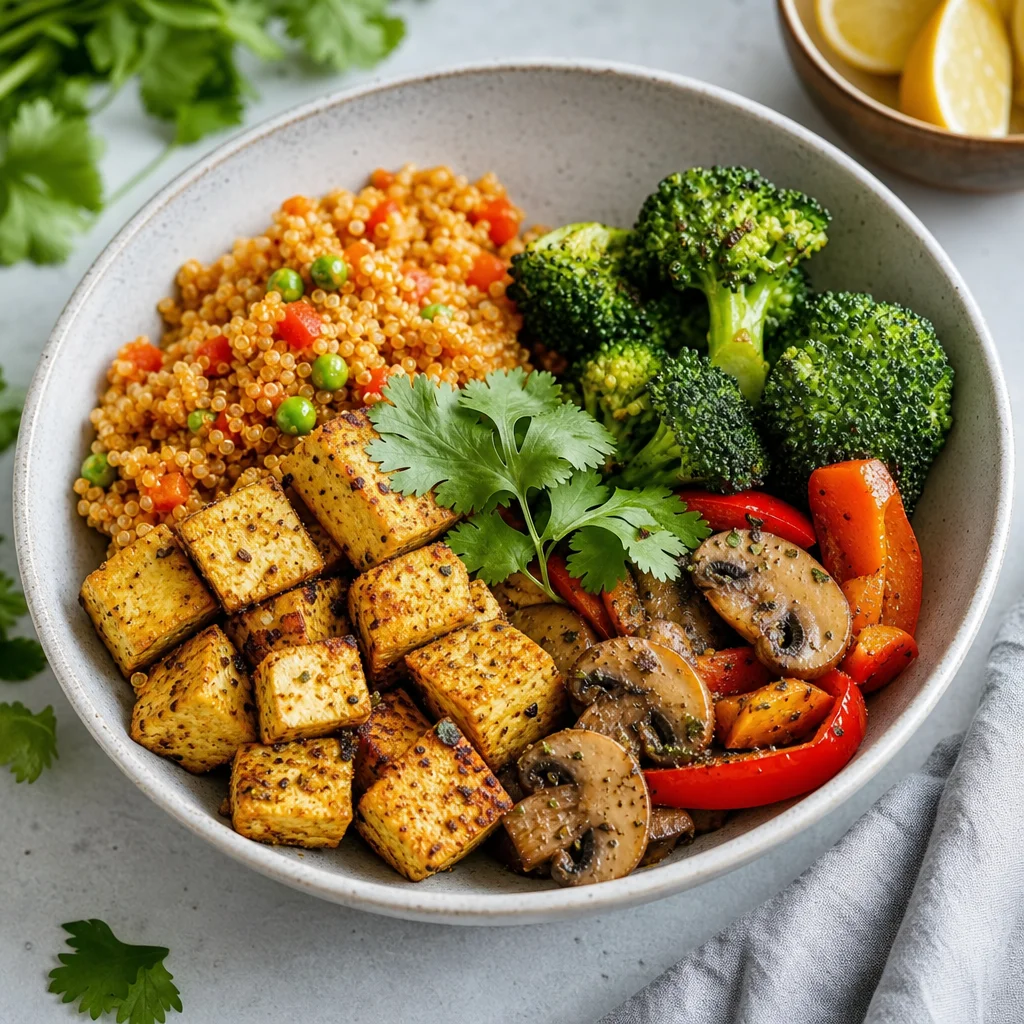
Key Takeaways
- Smart staples — beans, eggs, tofu, yogurt, and whole grains — make high-protein vegetarian dinners effortless.
- Most women need about 46 to 50 grams of protein a day. A well-planned meatless plate covers it easily.
- Aim for 25 to 30 grams per dinner. That supports fullness and muscle.
- The old “incomplete protein” worry is outdated. Balance across the day is what matters.
- Whole-food proteins beat processed meat substitutes on cost and nutrition.
Picture this: it’s 6 p.m. on a Tuesday. You’re tired, and dinner is a blank page. You want something meatless, but you also want to feel full and strong. Not hungry an hour later. If that sounds familiar, here’s the good news: high-protein vegetarian dinners are easier than you think.
You don’t need fancy ingredients or complicated recipes. You need a simple formula, a few smart staples, and a handful of dinner formats you can rotate all week. That’s what this protein playbook is for.
Quick Answer: Can Meatless Dinners Really Deliver Enough Protein?
Yes — high-protein vegetarian dinners can be ready in the time it takes to order takeout. A well-planned meatless plate easily delivers 25 to 30 grams of protein, the amount research links to fullness and muscle support. Build every dinner around beans, lentils, tofu, eggs, or dairy, and keep a few staples on hand.
Why High-Protein Vegetarian Dinners Are Easier Than You Think
Let’s address the elephant in the room: the protein worry. If you’ve ever assumed high-protein vegetarian dinners take serious effort, you’re not alone. Plenty of women who cut back on meat quietly wonder if they’re getting enough. Here’s the thing — for most people, that worry is overblown.
Here’s what the National Library of Medicine says: you do not need animal products to get all the protein your body needs. The essential amino acids — the ones your body can’t make — don’t have to show up at every meal. What matters is balance over the whole day.
The old rule about combining beans and rice at the exact same meal? Retired. Modern protein-quality research shows single-food scores underestimate real-world plant diets by 18 to 30 percent. Your body pools amino acids from everything you eat. A lentil soup at lunch and a yogurt bowl at dinner? That’s a complete picture.
How Much Protein Do You Actually Need?
Let’s start with the numbers that matter. The recommended daily amount for the average woman is about 46 grams. Harvard-affiliated experts call that a guideline, not a strict rule. Most American women already eat more than this.
Mayo Clinic puts the adult target at roughly 50 grams a day. Either way, the message is the same: the bar is lower than you think.
Now for the meal-level view. Protein research suggests spreading intake across meals — about 25 to 30 grams per dinner. That’s roughly 0.4 grams per kilogram of body weight. Think of it as a practical target, not a law.
Protein is one of the most filling nutrients — part of why a protein-rich dinner helps you feel satisfied until breakfast.
What the Science Says About Plant Protein
Does plant protein build muscle as well as animal protein? It’s the question every vegetarian has asked. A 2026 systematic review and meta-analysis compared them head-to-head.
The result? The differences were small. For adults under 65, plant and animal proteins produced similar muscle responses. The catch: your total daily protein needs to be adequate. Dairy and eggs add leucine, a key amino acid. That matters most for older adults. However, that doesn’t mean every plant protein is identical.
The takeaway? The meal matters less than the week. Eat enough total protein, eat a variety of sources, and plant proteins absolutely do the job.
The benefits go beyond muscle. Plant-forward eating patterns are linked to 18 percent lower odds of high blood pressure. And pulse proteins — from beans, peas, and lentils — lower LDL cholesterol in trials. Same message, different angle.
The 25-Gram Dinner Formula
So what does 25 to 30 grams look like on a meatless plate? Simple math. The National Library of Medicine gives easy equivalents: half a cup of cooked beans or lentils holds 7 grams. One large egg holds 7 grams. A quarter cup of tofu holds 7 grams.
Now build a dinner. A bowl with 1 cup of beans has 14 grams. Add 2 eggs, and you’re at 28. That’s before cheese, grains, or seeds. Add greens and a couple of spoonfuls of yogurt, and you’re over 30.
Once you learn this formula, high-protein vegetarian dinners stop being a puzzle. They become a habit. The rhythm is simple: legume plus grain plus dairy or egg.
Why do some plant dinners leave you hungry an hour later? Usually because they were built on pasta and vegetables alone. The fix isn’t more food. It’s the legume. Beans and lentils carry protein and fiber — the combo that keeps you full. Want more of that combo? Our high-protein dinners with fiber have you covered.
The Formula for a 25–30 Gram Dinner
Legume base: beans, lentils, chickpeas, or tofu
Whole grain: rice, quinoa, farro, orzo, or whole-wheat pasta
Dairy or egg: Greek yogurt, cheese, feta, or a fried egg
Extras: nuts, seeds, greens, roasted vegetables
High-Protein Vegetarian Dinners for Every Speed of Weeknight
These high-protein vegetarian dinners are organized by how much time you have. Pick your speed, keep the staples stocked, and dinner solves itself. For even more 30-minute ideas, our roundup of high-protein one-pot dinners is a great place to start.
10 Minutes, No Cooking
- White bean and avocado bowls. Open a can of white beans, mash half an avocado, toss with greens and lemon. Serve with whole-grain toast. The beans bring about 14 grams per cup.
- Black bean taco bowls. Layer black beans, shredded cabbage, corn, and a lime crema made from Greek yogurt. The yogurt adds even more protein to the bean base.
One-Pan Skillets, 20 to 30 Minutes
- Easy white bean skillet. Sauté onion and garlic, add canned tomatoes and white beans, wilt in spinach, finish with Parmesan. With about two cups of beans across the skillet, you’re building a dinner in the 15-to-25-gram range depending on portion. That’s well within your per-meal target. Crusty bread adds more.
- High-protein enchilada skillet. Crumbled tofu and black beans simmer in enchilada sauce, then cheese melts over the top. Torn corn tortillas melt into the saucy filling as it simmers. It’s a one-pan dinner that earns its high-protein name — clearing the 15-gram bar per serving.
Beans are the workhorses of quick meatless cooking. For more one-pan inspiration, browse our high-protein bean dinners ready in 30 minutes.
One-Pot Pastas, About 30 Minutes
- Broccoli-cheddar orzo. Whole-wheat orzo cooks in broth with broccoli, then sharp cheddar melts in. Add a fried egg on top for 7 more grams.
- Skillet gnocchi with ricotta. Pan-fry shelf-stable gnocchi until it crisps at the edges, then fold in cherry tomatoes and wilted spinach. Finish with a spoonful of ricotta for creaminess and a protein boost.
Pasta night doesn’t have to mean low protein. See our favorite high-protein pasta dinners — creamy, satisfying, and ready fast.
Make-Ahead: Batch Once, Eat Three Times
Try spiced lentils with roasted root vegetables. Cook a big pot of lentils on Sunday and roast a tray of vegetables. Whisk a lemony yogurt or tahini sauce. Dinner becomes a 10-minute assembly all week, with lentils as the protein backbone. Looking for a full week planned out? Start with our week of easy high-protein dinners.
Pantry Staples That Make Meatless Protein Effortless
Here’s the real secret: high-protein vegetarian dinners come down to what’s in your pantry. Stock these, and you’re always 20 minutes from dinner.
- Canned beans: white, black, and chickpeas
- Lentils: canned or dried
- Extra-firm tofu
- Frozen rice or quick-cook grains
- Greek yogurt and eggs
- Frozen vegetables
- Parmesan or feta
- Nuts and seeds
The Mayo Clinic notes that a well-planned vegetarian diet can meet the needs of people of all ages. The key is choosing nutrient-rich whole foods. A stocked pantry makes that automatic.
If You’re Vegan, Add One Rule
Build every dinner around legumes. Research on plant-based eaters found legumes are the top source of both protein and lysine. Lysine is the amino acid most likely to run short without animal foods. A simple B12 supplement covers the other key gap. Talk with your clinician about what’s right for you.
Whole Foods Beat Processed Meat Substitutes
What about veggie burgers and plant-based chicken? They’re convenient, but they’re not the protein powerhouse marketing suggests. One lab study found commercial plant-based chicken scored 52 to 65 percent on protein quality. Real chicken scored 100 percent.
Whole foods do it better. Beans, lentils, tofu, and eggs cost less, carry fiber, and deliver protein your body can use well. The Mayo Clinic agrees: plant proteins are typically less expensive than meat. A can of beans costs a fraction of the price of a meat substitute.
So let processed substitutes be an occasional convenience. Make whole foods your default. Your budget — and your body — will thank you.
Frequently Asked Questions
Do I need to combine beans and rice at the same meal? No. Essential amino acids balance out over the whole day. That’s the modern consensus.
Is 15 grams per dinner enough? It’s a reasonable floor, but 25 to 30 grams is a better target for fullness and muscle support.
Can I get enough protein without dairy or eggs? Yes, if legumes anchor your plate. Add a B12 supplement if you’re fully vegan.
The Bottom Line
Here’s what to remember. You need about 46 to 50 grams of protein a day. Twenty-five to 30 grams per dinner is a smart target. Plant protein works. The old incomplete-protein worry is retired.
Build every dinner around a legume. Keep a few staples on hand. Choose whole foods over processed substitutes. That’s the whole playbook.
High-protein vegetarian dinners are within reach tonight. Start with one no-cook bowl this week. Your future 6 p.m. self will thank you.
And if you have specific health concerns or are pregnant, check in with your clinician before changing your diet. Want more simple, healthy weeknight inspiration? Our dinner guides build on these same ideas.