

Healthy Blueberry Recipes That Are Actually Good for You
Key Takeaways
- Blueberries are among the most antioxidant-rich fruits you can eat. Their blue color comes from anthocyanins.
- A realistic daily target is one-third to one cup. Research links this amount to heart and metabolic benefits.
- Frozen berries are just as nutritious as fresh and often cost less.
- Healthy blueberry recipes rely on whole grains and less added sugar.
- Keep some blueberries raw. Heat lowers antioxidants, but fiber and vitamins stay.
If you’re looking for healthy blueberry recipes that are actually good for you, you’re in the right place. Blueberries are one of the simplest, tastiest healthy-living upgrades around. A handful a day adds fiber, color, and plant compounds linked to a healthier heart and steadier blood sugar.
But here’s the thing: not every blueberry muffin deserves the word ‘healthy.’ The difference comes down to sugar, flour, and portion size. This guide explains the science behind blueberries, settles the fresh-vs-frozen debate, and shows you how to turn them into meals you’ll actually crave.
Quick Answer: Are Blueberry Recipes Actually Healthy?
Yes, when blueberries are the star and added sugar stays in check. Evidence links regular blueberry intake with lower risk of heart disease and type 2 diabetes. A good daily target is about one-third to one cup, fresh or frozen.
Blueberry Nutrition at a Glance
According to USDA nutrition data, one cup of raw blueberries (about 148 grams) provides roughly 84 calories, 3.6 grams of fiber, 14 mg of vitamin C, and 29 mcg of vitamin K. It also supplies manganese, which supports bones and metabolism.
Why Blueberries Belong in Healthy Blueberry Recipes
Let’s be honest: blueberries are tiny but mighty. They are one of the richest sources of anthocyanins, the plant pigments that give these berries their deep blue color. According to a 2020 review in Advances in Nutrition, cultivated blueberries contain about 387 mg of anthocyanins per 100 grams. Wild blueberries pack even more.
Research also connects regular, moderate blueberry intake with a lower risk of heart disease. In one analysis, people who ate more anthocyanins had about an 11% lower risk of cardiovascular disease. Blueberries also showed the strongest fruit-level link to a lower risk of type 2 diabetes in three large U.S. studies. That risk dropped by 26%.
This evidence is exactly why healthy blueberry recipes are worth making a habit. You don’t need a fancy superfood. You just need berries you enjoy, in meals you’ll actually eat.
What the Science Says About Heart, Blood Sugar, and Brain Health
Heart Health: The Strongest Evidence
Heart benefits have the most research behind them. Dietitians at Cleveland Clinic point to soluble fiber, which binds to cholesterol in the gut and helps remove it. That can lower total cholesterol and heart disease risk over time.
Other research found that higher anthocyanin intake was tied to a lower risk of cardiovascular disease. It also found a 32% lower heart attack rate in people who ate berries and anthocyanins regularly. However, blood pressure results are more mixed. Improvements seem strongest in people with high blood pressure or metabolic syndrome.
Put simply, healthy blueberry recipes can support your heart, your blood sugar, and your brain. No single food is magic. But this one comes close. For more heart-friendly morning ideas, our 7 heart healthy breakfast recipes are a great place to start.
Blood Sugar: A Gentle, Fiber-Rich Choice
Blueberries are naturally lower in sugar than many fruits. One cup also delivers about 3.6 grams of fiber. That fiber slows digestion and helps prevent sharp blood sugar spikes.
In a 2021 study, people who ate 150 grams of fresh blueberries with white bread had a smaller post-meal blood sugar rise. Six days of daily blueberries also improved insulin response. This is promising, but blueberries are not a diabetes treatment.
Brain Health: What the Research Really Shows
Blueberries are often called a brain food, and there is some truth there. A 2025 meta-analysis of nine randomized trials found that blueberry intake improved episodic memory in older adults with mild cognitive impairment. Episodic memory is your ability to recall everyday events. The same analysis found no significant gains in working memory or processing speed.
For generally healthy people, think of blueberries as a smart everyday choice, not a magic pill. They support blood flow and reduce inflammation. But they can’t erase memory problems.
Healthy Blueberry Recipes: Fresh vs Frozen, Storage, and Smart Swaps
Here’s the truth: frozen blueberries are just as nutritious as fresh. Freezing locks in anthocyanins and other plant compounds. One review found only about 12% of anthocyanins are lost after 10 months in the freezer. Vitamin C declines a little over time, but polyphenols hold up well.
According to research on blueberry processing, freezing is the gentlest way to preserve berries. Frozen berries are also budget-friendly. They are picked at peak ripeness and flash-frozen, so they keep their nutrition and taste. A review of wild blueberries and heart health also found that wild lowbush berries, usually sold frozen, have even higher anthocyanin levels than cultivated ones.
How to Store and Freeze Blueberries
- Don’t wash berries until you’re ready to eat them. Moisture speeds up mold.
- Keep them in a breathable container in the fridge. Remove any bruised or soft berries first.
- To freeze, spread unwashed berries on a baking sheet in a single layer. Freeze until firm, then transfer to a zip-top bag.
- Frozen berries keep for up to 10 months. Use them straight from the freezer in baking or smoothies.
- When baking, don’t thaw frozen berries first. Add them frozen to prevent purple batter.
These swaps turn ordinary treats into healthy blueberry recipes. Start with whole grains, cut the sugar, and add a little protein. You’ll barely notice the difference.
10+ Healthy Blueberry Recipes for Breakfast, Snacks, and Dessert
These are the healthy blueberry recipes I keep coming back to. They follow the same principles: whole grains, less sugar, and plenty of berries. Use fresh or frozen, depending on the season.
Breakfast Ideas
- Blueberry baked oatmeal with lemon and cardamom. Prep it on Sunday for easy weekday mornings.
- Whole-grain blueberry muffins. Swap half the flour for whole wheat and cut the sugar by 25%.
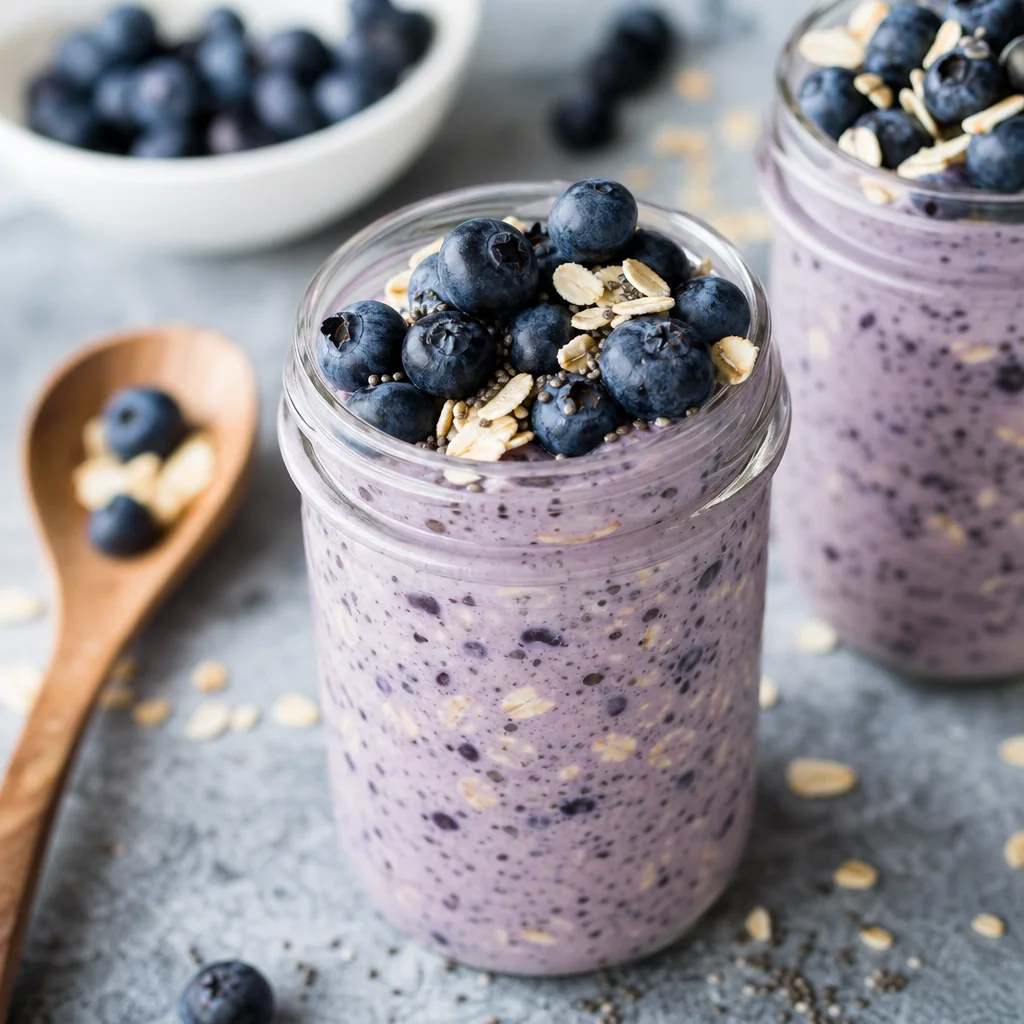
- Blueberry-pecan overnight oats. Use Greek yogurt for protein and pecans for crunch.
- Blueberry smoothie. Blend frozen berries, Greek yogurt, hemp seeds, and a splash of milk.
- Blueberry oatmeal cups. Bake them in a muffin tin, then freeze and reheat for 40 seconds.
- Blueberry chia pudding. Mix chia seeds, milk, mashed berries, and a little maple syrup.
Need even more morning inspiration? Our 19 berry breakfast recipes round up even more make-ahead favorites.
Snacks and Lunches
- Summer blueberry salad with toasted pecans and feta. Perfect with grilled chicken or fish.
- Blueberry energy balls. Combine oats, almond butter, dried blueberries, chia seeds, and maple syrup. No baking needed.
- Grilled salmon with blueberry sauce. A sweet-savory dinner that comes together in 20 minutes.
- Blueberry compote. Simmer berries with a little water and lemon juice. Use it on yogurt or toast.
Desserts
- Blueberry nice cream. Blend frozen berries with a frozen banana for a soft-serve texture.
- Blueberry crumble. Use an oat-and-almond topping with half the usual sugar.
- Lemon-blueberry bars. Build the crust with whole-wheat flour and cut the sugar in the filling.
Craving something to share? Our one-bowl lemon blueberry cake is a reader-favorite summer dessert.
Whether you want breakfast, snacks, or dessert, healthy blueberry recipes work for every meal. That’s the beauty of this berry. It goes sweet or savory, hot or cold.
How to Make Any Blueberry Recipe Healthier
Swap Whole Grains for Refined Flour
Replace half of the all-purpose flour with whole-wheat or oat flour. You’ll add fiber and minerals. The texture stays tender if you don’t overmix.
Cut the Sugar Without Losing Sweetness
Reduce sugar by 25% to 30% in muffins and quick breads. Blueberries add natural sweetness. Boost flavor with cinnamon, lemon zest, or vanilla instead.
Add Protein and Healthy Fat
Pair blueberries with Greek yogurt, nuts, or seeds. Protein helps keep you full. Some studies suggest dairy can lower antioxidant absorption, while others show protein helps. The evidence is mixed, so don’t overthink it. Enjoy blueberries with yogurt if that’s what you like.
Keep Some Berries Raw
Heat reduces anthocyanins, the antioxidants in blueberries. Research on anthocyanin stability shows these compounds are sensitive to heat and oxygen. Fiber and vitamins survive, though. So keep some berries raw for toppings, and use frozen ones in baked goods.
Once you try these swaps, you’ll see why healthy blueberry recipes are so popular. They taste indulgent, but they work with your body instead of against it.
Who Should Be Careful With Blueberries?
For most people, blueberries are safe and simple. But there are a few things to keep in mind.
Blood Thinners and Vitamin K
Blueberries contain vitamin K, which helps blood clot. If you take a blood thinner like warfarin, talk to your clinician before changing your blueberry intake. Consistency matters more than avoiding the fruit.
Wash Before You Eat
Rinse berries right before eating, not before storing. Experts at Cleveland Clinic recommend washing fresh berries to remove surface residue.
Organic vs Conventional
Both organic and conventional blueberries are nutrient-rich. If budget matters, frozen berries are the best value. Choose what fits your grocery list and your priorities.
The Bottom Line: Make Blueberries an Everyday Habit
Healthy blueberry recipes don’t have to be complicated. Aim for one-third to one cup a day. Use fresh berries when they’re in season and frozen the rest of the year. Keep some raw, bake the rest with whole grains and less sugar.
Here’s the thing: this is one of the easiest health upgrades you can make. One small berry, a big difference. That’s what healthy living should feel like.
Want another antioxidant-rich fruit in the rotation? Our healthy cherry recipes are a delicious next stop.